Introduction
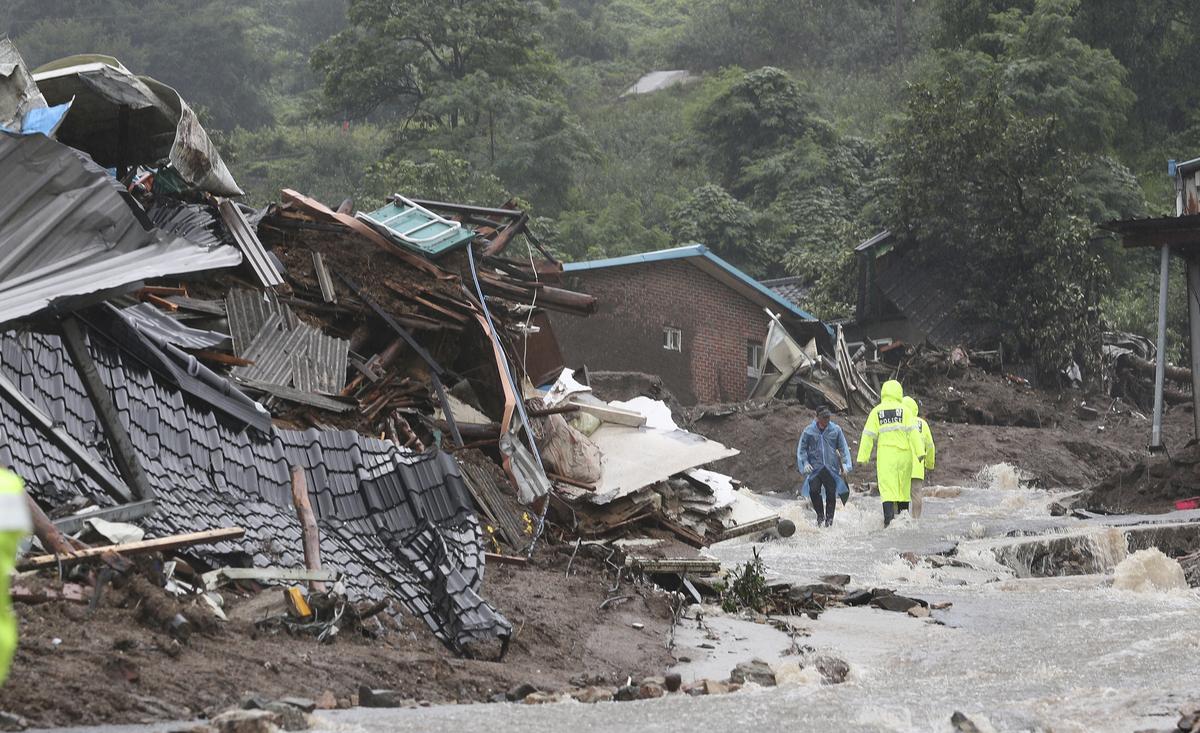
The recent cataclysmic events in South Korea serve as a grotesque reminder of the escalating dangers posed by climate change. Torrential rains have wreaked havoc, leading to devastating landslides that have claimed the lives of at least nineteen individuals. As the clouds darken over the Korean peninsula, it becomes imperative to scrutinize not only the immediate repercussions of such extreme weather but also the underlying factors that contribute to this shift in meteorological patterns. The narrative unfolding in South Korea is not merely a localized disaster; it echoes a global crisis that beckons attention and action.
A Prelude to Catastrophe: Understanding the Climate Context
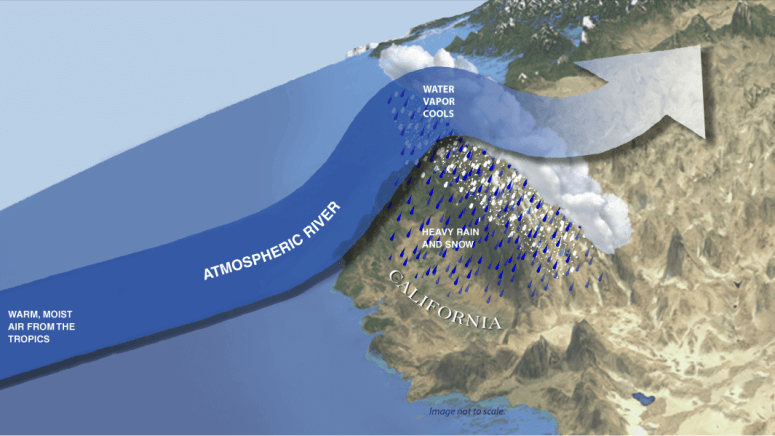
To grasp the magnitude of this tragedy, one must delve into the climatological backdrop that frames it. Over the past few decades, phenomena such as atmospheric warming have intensified. Increased sea surface temperatures play a critical role in amplifying rainfall, resulting in storms that are not only more frequent but also more ferocious. The increasing prevalence of extreme weather events, including torrential rains, can be attributed to this unsettling transformation of our planet’s climate.
Moreover, urbanization exacerbates the impacts of heavy rainfall. As cities expand, green spaces are replaced with concrete jungles, which impedes natural drainage systems. This urban sprawl leads to an increase in runoff, heightening the risk of flooding during periods of intense rain. Therefore, the tragedy in South Korea is an intersection of climactic changes and urban constraints, revealing a complex web of causality that merits examination.
The Human Cost: Lives Lost and Lives Changed
The human element of this disaster is profoundly tragic. Nineteen lives lost is not merely a statistic; it represents families shattered, futures extinguished, and communities left in disarray. Each life taken serves as a poignant reminder of the fragility of human existence amidst nature’s wrath. For those directly impacted, the repercussions transcend physical loss; emotional tolls and psychological scars will linger far beyond the immediate aftermath. Survivors face the daunting task of rebuilding while grappling with grief and loss.
Moreover, the socioeconomic ramifications are stark. Communities that rely heavily on agriculture or tourism are seeing their livelihoods decimated. An agricultural hub could find its year’s crop obliterated, while a seasonal tourist destination may face a stark decline in visitors. The cascading effects of such disasters ripple through the economy, heightening social inequalities and exacerbating existing vulnerabilities.
The Ecological Fallout: Disrupting Natural Harmony
Nature, too, bears the brunt of this calamity. Torrential rains followed by landslides disrupt ecosystems, leading to adverse consequences for flora and fauna. Soil erosion, loss of habitat, and increased sedimentation in waterways threaten biodiversity. Aquatic ecosystems, already stressed by various anthropogenic factors, are further imperiled; heavy rains can introduce pollutants into rivers and lakes, resulting in a dramatic decline in water quality.
Ecosystems thrive on balance. The deluge in South Korea not only disrupts local flora and fauna but also poses far-reaching implications for global biodiversity. As we witness such ecological disturbances, it beckons a collective inquiry: how prepared are we to handle the intrinsic interconnections of our planet’s ecosystems during times of crisis?
Policy Repercussions: The Call for Action
The political ramifications of this disaster cannot be overlooked. Governments across the globe are being compelled to reckon with their climate policies in light of recent extreme weather events. The disaster in South Korea should catalyze a re-evaluation, urging policymakers to enshrine sustainability at the forefront of legislative agendas. Climate resilience must replace reactive measures; investing in green infrastructure, enhanced drainage systems, and conservation initiatives can help mitigate future calamities.
This is a call to action not only for governing bodies but also for individuals, communities, and organizations. Engaging in meaningful dialogue about sustainability, urging transparency from policymakers, and holding corporations accountable are all part of a concerted effort needed to shift the perspective from complacency to proactive stewardship of our planet.
A Paradigm Shift: Embracing Resilience
The calamity in South Korea is a clarion call for a paradigm shift in how we perceive and interact with our environment. The narrative surrounding climate change often dwells in the shadows of despair; yet, there exists an opportunity for resilience and hope. By embracing innovative technologies, advocating for sustainable practices, and fostering community engagement, society can cultivate an ethos of resilience that transcends disaster recovery.
It is equally vital to recognize that individual actions matter. From reducing carbon footprints to supporting local environmental initiatives, every effort contributes to a larger movement towards sustainability. An environmentally-conscious populace can drive transformative change by demanding accountability and fostering a collective awareness of climate impacts.
Conclusion: Paving the Way Forward
The torrential rains that have engulfed South Korea have left an indelible mark on its people, landscape, and policy frameworks. This narrative serves as a microcosm of a much larger global story of climate change and its multifaceted impacts. As we stand at this crossroads, it becomes essential to adopt a holistic view of our environmental challenges, embracing resilience and proactive measures. To forge a path forward, society must confront the specter of complacency and rise to the occasion, transforming grief into action and loss into a heightened consciousness about stewardship of our planet. The time for change is not just in response to catastrophe but in the anticipation of a sustainable future that honors both humanity and the environment.








Leave a Comment