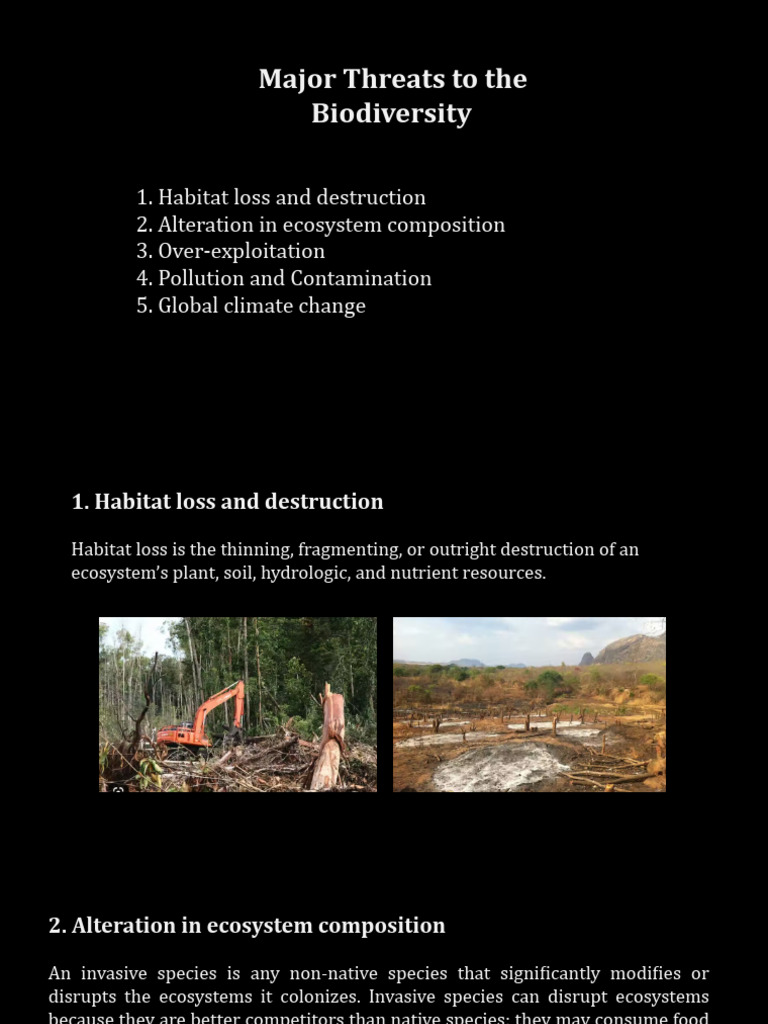
In the intricate web of life that constitutes our local ecosystems, biodiversity plays a pivotal role. The multitude of species, from the tiniest microorganisms to majestic mammals, comprises the intricate tapestry of our environment. However, various threats loom on the horizon, jeopardizing this delicate balance. Understanding these threats can galvanize community members into action and foster deeper respect for the natural world.
1. Habitat Destruction
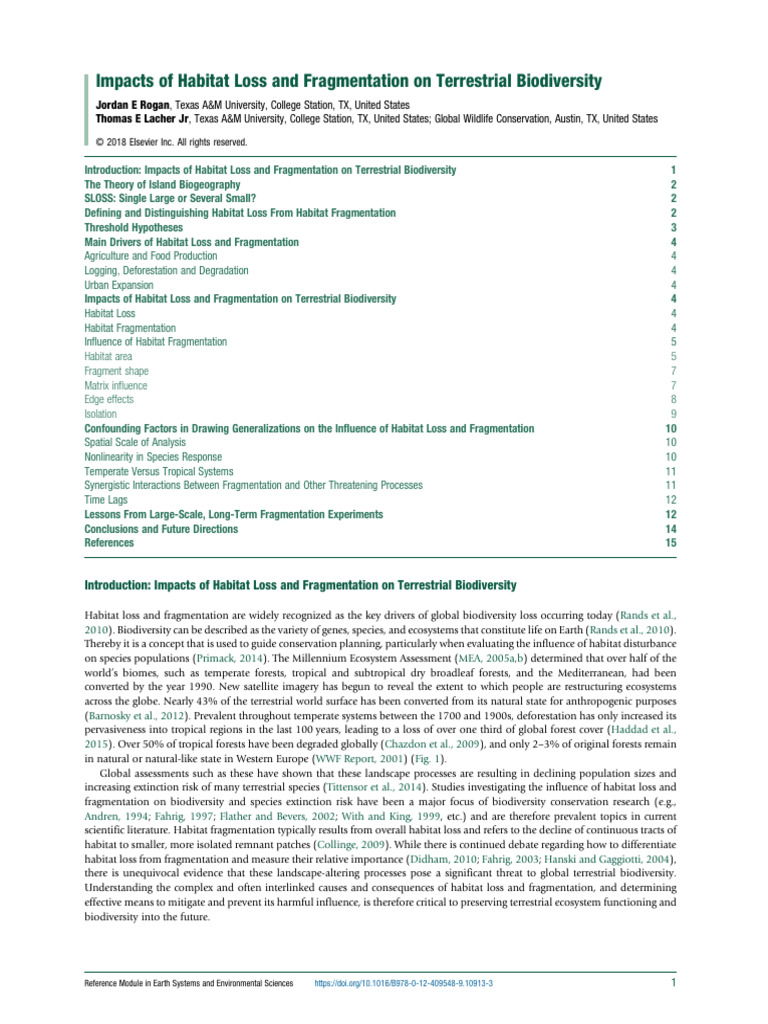
Perhaps the most salient threat to biodiversity is habitat destruction. Urban expansion, agricultural development, and deforestation reduce the natural habitats essential for countless species. When fields are plowed, forests are felled, and wetlands are drained, myriad plants and animals are displaced. The intricacies of ecosystems are often lost in such transitions; crucial relationships between species collapse and the resultant loss of biodiversity is staggering. Particularly in suburban settings, the expansion of residential areas replaces native flora and fauna with non-native species, thereby diminishing overall biodiversity.
2. Climate Change
The phenomenon of climate change extends its tendrils into every corner of the globe, and local areas are no exception. Elevated temperatures, shifting rainfall patterns, and extreme weather events adversely impact species survivability. For instance, certain local wildlife may be unable to adapt to rapidly changing conditions, straining their ability to reproduce and thrive. Additionally, the changing climate affects phenology—the timing of biological events—leading to mismatches in food availability. These disruptions can result in cascading effects through entire ecosystems. In our local regions, vulnerable species may face the brunt of these changes, leading to potential extinction.
3. Invasive Species
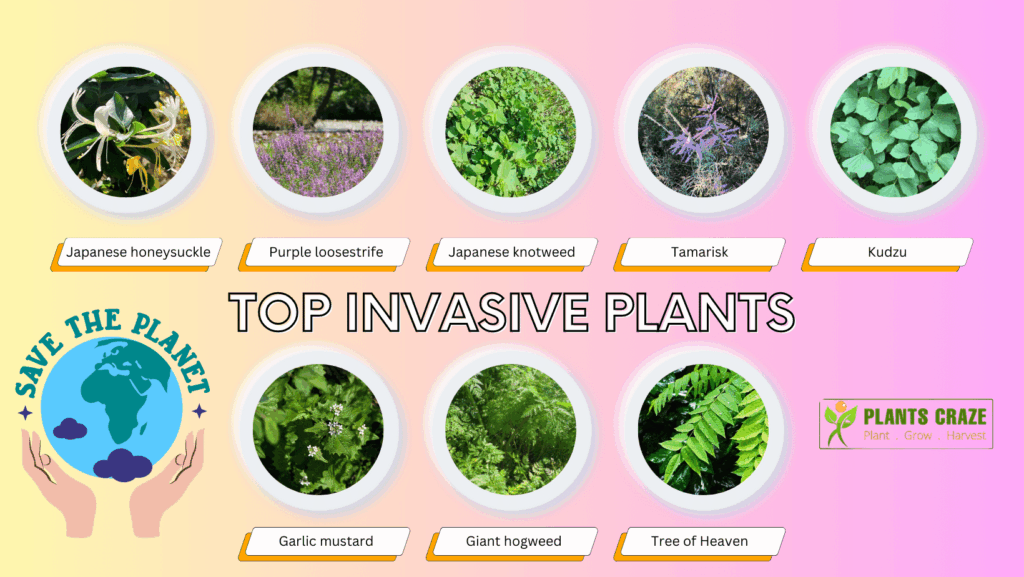
Invasive species, introduced either intentionally or accidentally, can decimate local ecosystems. These non-native organisms often outcompete indigenous species for resources, disrupt food webs, and alter habitat structures. The introduction of non-native plants can choke waterways, while invasive predatory species may decimate local animal populations. The challenge lies not merely in their presence but in the often irreversible changes they bring. Once an invasive species takes root, eradicating it can prove nearly impossible, requiring concerted efforts and resources.
4. Pollution
It is impossible to underestimate the detrimental impact of pollution on biodiversity. From chemical runoff and heavy metals to plastic waste, pollutants infiltrate local ecosystems, posing a severe threat to both flora and fauna. Aquatic ecosystems are particularly vulnerable; chemicals can lead to bioaccumulation in fish, affecting not just the species themselves but also the humans who consume them. Furthermore, air pollution can affect plant health and soil quality, illustrating the intricate connections among different environmental factors. Eliminating pollution requires systemic change, from individual behaviors to industrial practices.
5. Overexploitation
The practice of overexploitation, encompassing activities such as overfishing, poaching, and unsustainable harvesting of natural resources, has far-reaching consequences for local biodiversity. The relentless hunt for resources can lead to population declines, pushing species closer to extinction. In local ecosystems, this exploitation alters not only the targeted species but also their natural predators and prey, cascading through food webs. Sustainable practices must be adopted to mitigate these impacts, ensuring that natural resources can continue to support both human and ecological communities.
6. Fragmentation of Ecosystems
Fragmentation transforms once-integrated habitats into isolated patches, severely affecting the species that dwell there. When landscapes are divided by roads or urban developments, populations of wildlife become stranded, leading to genetic bottlenecks and diminished populations. Ecological connectivity is crucial for species dispersion and resilience, and fragmentation undermines this principle. The consequences can be dire; isolated populations may face extinction due to inadequate genetic diversity and increased vulnerability to environmental changes.
7. Agriculture and Land Use Changes
Land-use changes associated with modern agricultural practices pose significant threats to local biodiversity. Monoculture farming, while efficient for productivity, strips away diversity and erodes soil health. The heavy use of pesticides and fertilizers not only impacts target pest species but also has deleterious effects on non-target organisms. Furthermore, agricultural expansion often encroaches upon vital habitats, exacerbating the threat of habitat destruction. Integrating sustainable agricultural practices can offer a pathway to coexistence with local biodiversity.
8. Loss of Traditional Knowledge
As modernity encroaches, the erosion of traditional ecological knowledge becomes another underrated threat. Indigenous communities often possess invaluable insights into local ecosystems, their management, and preservation. When traditional practices and knowledge are lost, so too is a treasure trove of strategies that have fostered biodiversity for generations. Emphasizing the importance of local ecological knowledge can help in developing strategies for conservation while also weaving community connections with the environment.
9. Policy and Governance Failures
Addressing biodiversity threats is not solely the responsibility of the individual; ineffective policies and governance structures can severely hinder conservation efforts. Lack of funding, insufficient enforcement of environmental protections, and inadequate public awareness impede progress. Communities must hold their leaders accountable to create frameworks that promote sustainability and biodiversity protection at all levels. Citizen engagement is vital; by advocating for sound policies and strategies, individuals can create a ripple effect that will foster lasting change.
In summary, the myriad threats to biodiversity challenge not only the fabric of local ecosystems but also the foundation upon which human society is built. It is essential that communities recognize these threats and actively engage in the discourse surrounding conservation and sustainability. The preservation of biodiversity is intrinsically linked to human survival; protecting local ecosystems ultimately safeguards our own future. By combining individual actions with collective efforts, we can forge a path toward a more sustainable and vibrant relationship with the natural world around us.








Leave a Comment