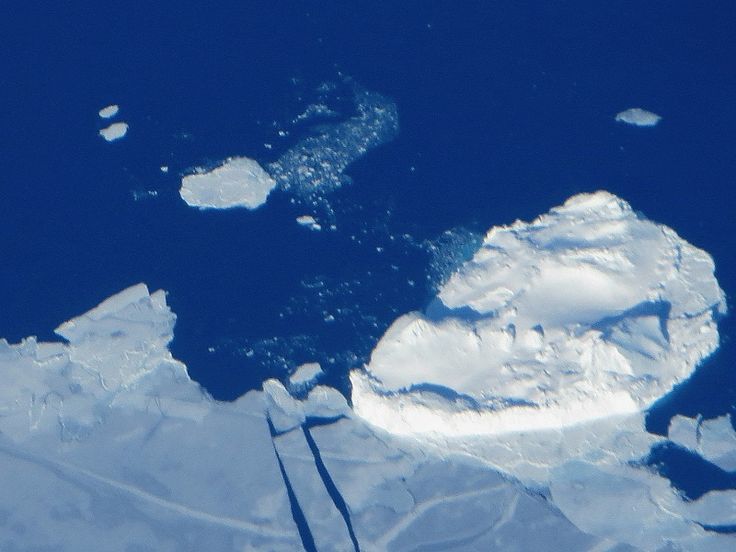
As we stand on the precipice of a daunting century, the specter of climate change looms ever larger, manifesting in phenomena that evoke both urgency and trepidation. Sea level rise, in particular, emerges as one of the most formidable challenges we face, anticipated to reshape coastal landscapes and disrupt the lives of millions. A comprehensive exploration of the intricacies surrounding this phenomenon beckons, compelling us to not just comprehend the scientific underpinnings but also reflect on the ensuing ramifications.
1. The Mechanics of Sea Level Rise
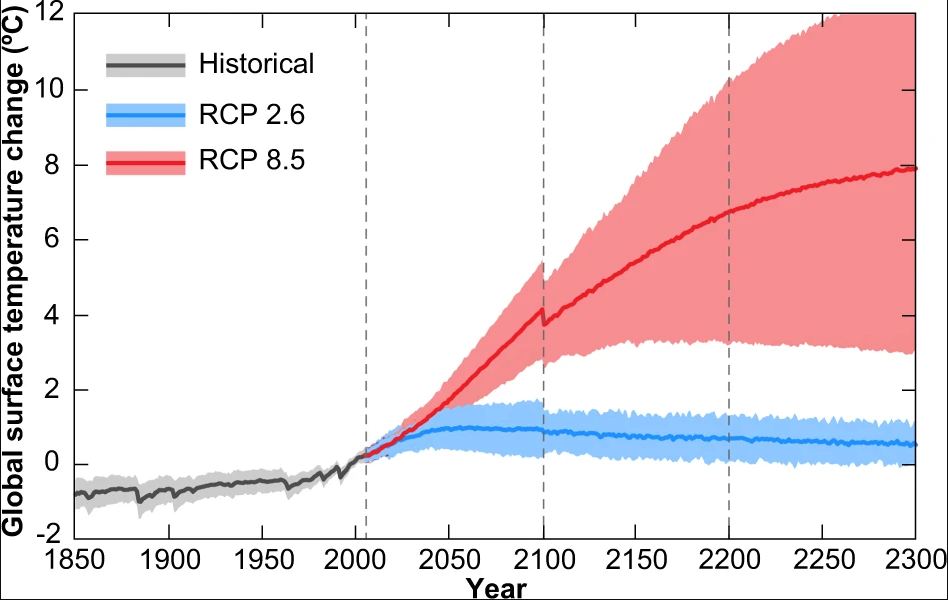
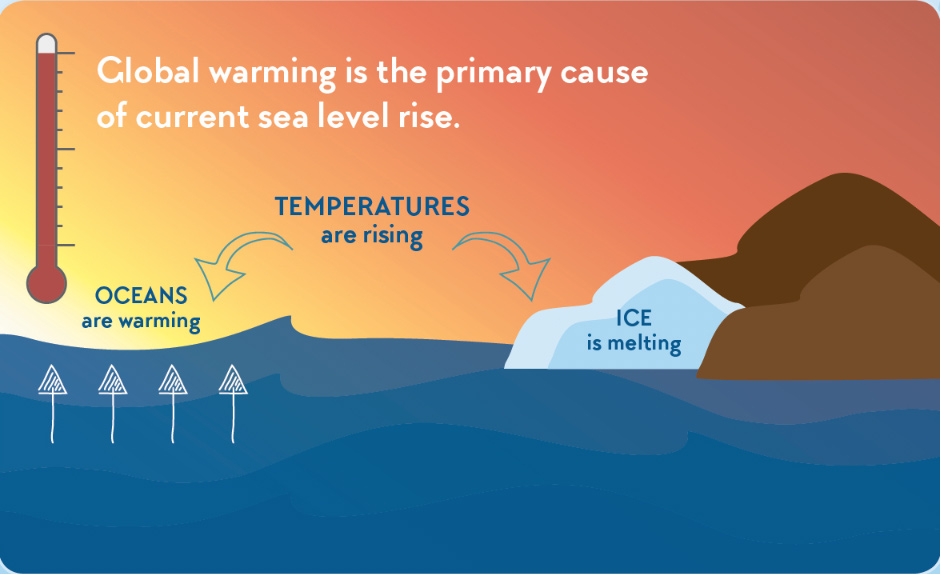
At its core, sea level rise is driven by two primary mechanisms: the thermal expansion of seawater and the melting of land-based ice. As the atmosphere warms due to anthropogenic emissions, the oceans absorb much of this excess heat, causing water to expand. Concurrently, glaciers and polar ice sheets—characterized by their immense size and grandeur—are succumbing to the relentless march of climate change, contributing copious amounts of freshwater to the world’s seas.
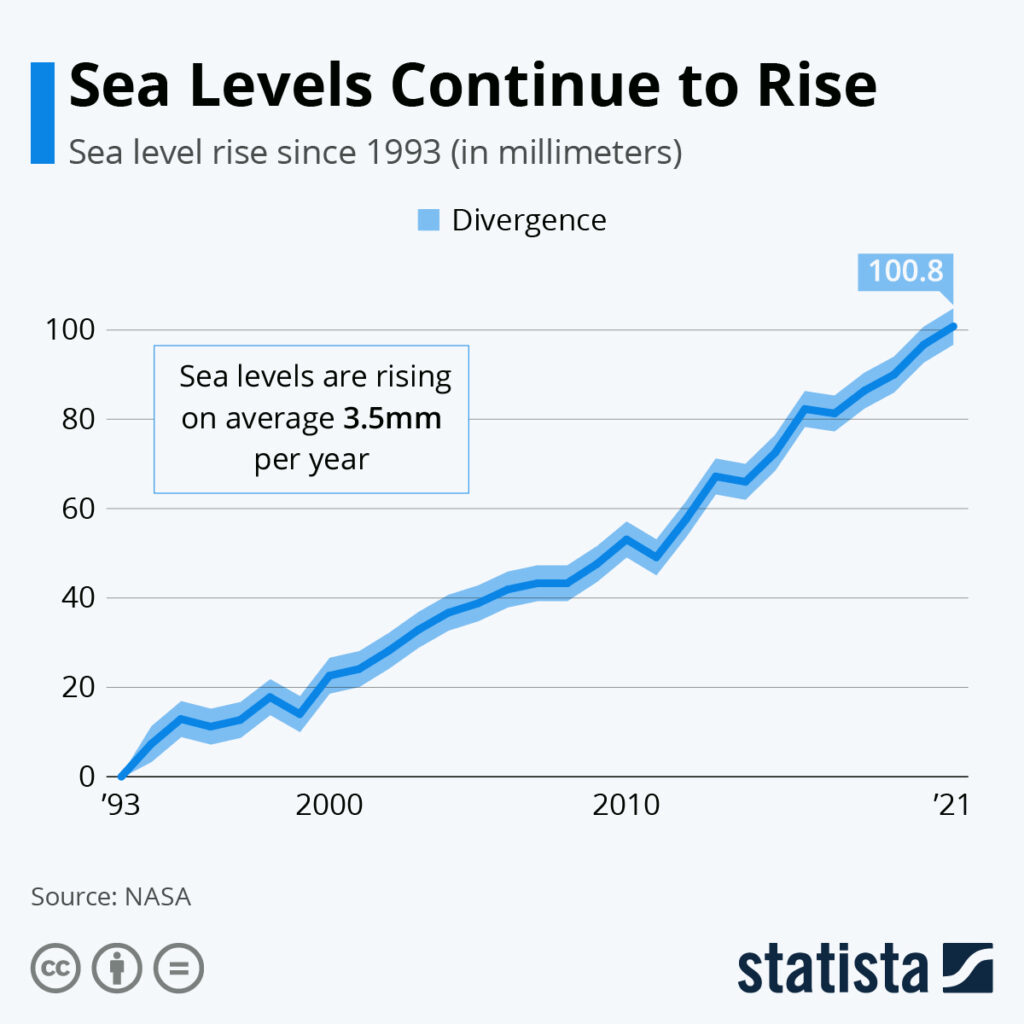
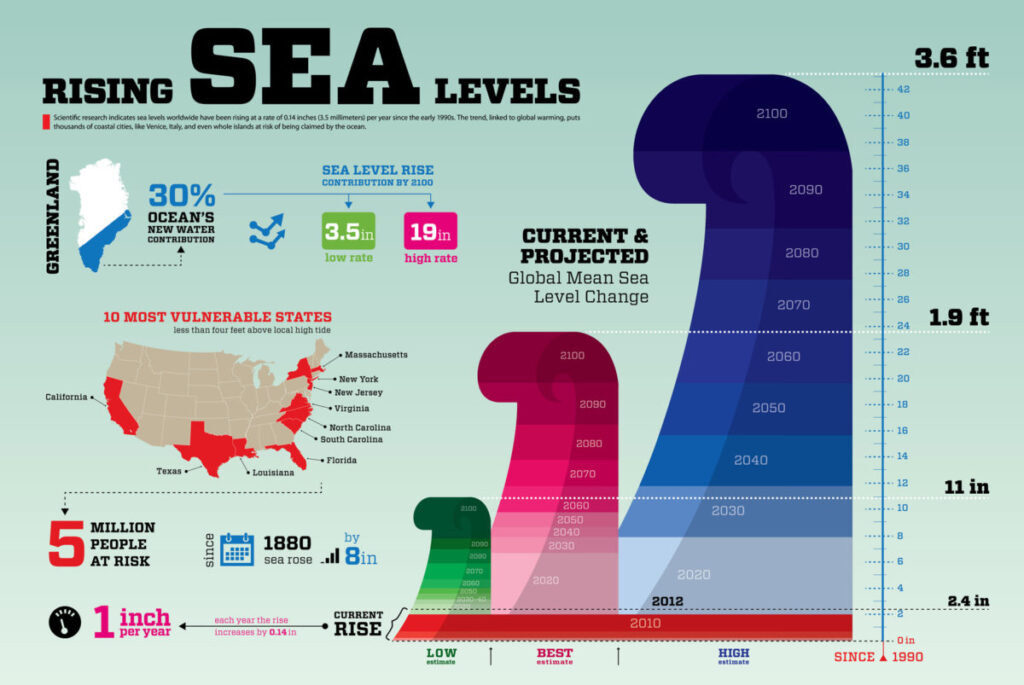
Understanding these processes is vital. The Intergovernmental Panel on Climate Change (IPCC) projects that, without immediate and substantial mitigation efforts, global sea levels could rise by as much as two meters by the end of the century. This scenario prompts critical questions about the efficacy of our current environmental policies and the robustness of international cooperation on climate action.
2. The Fragility of Coastal Ecosystems
The implications of rising seas extend far beyond inundated shorelines. Coastal ecosystems—delicate and complex communities that include mangroves, marshes, and coral reefs—serve as crucial buffers against storm surges and provide vital habitats for myriad species. The encroachment of saline waters threatens these ecosystems with extinction, resulting in diminished biodiversity that has cascading effects throughout the food web.
Moreover, the loss of these habitats exacerbates coastal erosion, which can lead to accelerated land loss and habitat destruction. The resulting transformation of coastal landscapes could leave many species vulnerable, disrupting ecosystem balance and ultimately endangering both marine and terrestrial life. The imperative, therefore, lies in recognizing the intrinsic value of these ecosystems and integrating their preservation into broader climate strategies.
3. Community Displacement and Migration
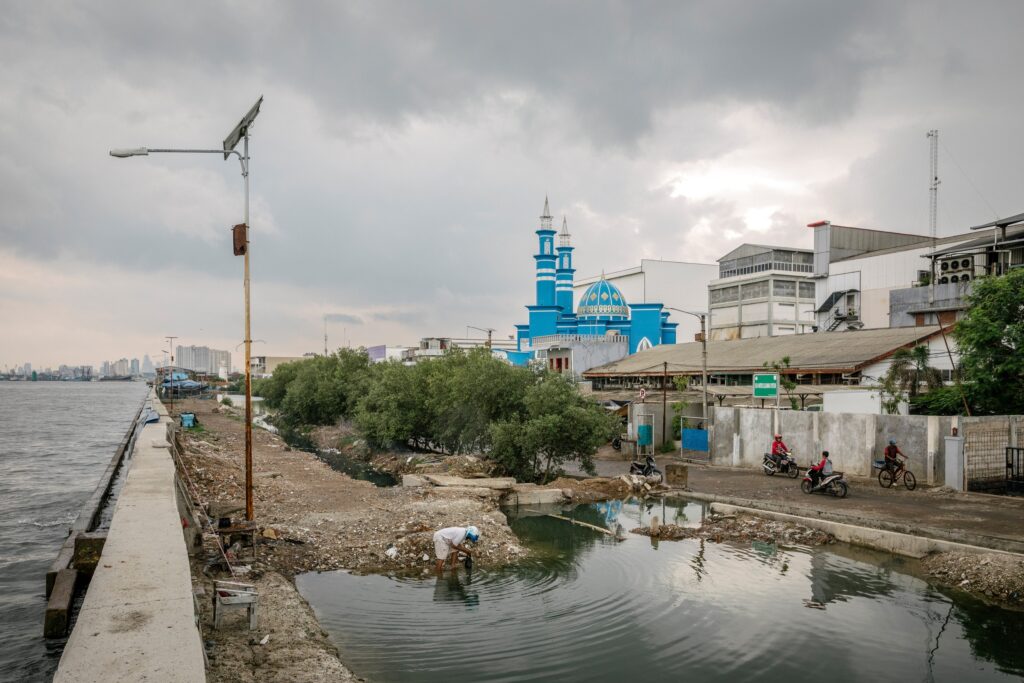
As sea levels rise, the displacement of populations becomes an ever-pressing concern. Communities residing in low-lying coastal regions are at the greatest risk, facing the grim prospect of having to abandon their homes. Projections indicate that hundreds of millions could be displaced by 2100, heralding what some experts term “climate refugees.”
This phenomenon is not merely a statistic; the emotional and psychological toll of displacement wields its own insidious power. The migration induced by climate change uproots families, tears communities asunder, and fosters tensions within host societies. As we gaze into the future, we must question how we will address the humanitarian crises emerging from these environmental calamities.
4. Economic Ramifications
The economic implications of sea level rise are multifaceted and profound. Coastal cities, which serve as economic engines for nations, are particularly vulnerable. Property values face the specter of depreciation, as flood risk renders once desirable locations untenable. The insurance industry is poised for upheaval, with insurers grappling with the financial ramifications of covering assets in flood-prone areas.
Fisheries and tourism, vital components of many coastal economies, may also falter under the pressures of climate change. Disrupted ecosystems can diminish fish stocks, impacting livelihoods and food security. Similarly, beaches—coveted destinations for tourism—may erode beyond recognition, forcing communities that depend on this industry to seek alternatives in an increasingly bleak economic landscape.
5. Global Disparities and Inequities
The adversity of sea level rise does not afflict all communities equally. Developing nations, often with fewer resources to adapt, find themselves disproportionately impacted. Wealthier nations can invest in protective infrastructures, such as levees and seawalls, yet many poorer countries may lack the financial wherewithal to undertake such endeavors. This disparity deepens the chasm of inequality, underscoring the urgent need for equitable climate policies that consider the needs of the most vulnerable.
Moreover, indigenous populations frequently bear the brunt of these changes, their ancestral lands submerged beneath rising tides. Such loss symbolizes not just the physical impact of climate change, but the erosion of cultural heritage, lifeways, and histories intertwined with those landscapes. To combat this trend, we must amplify the voices of affected communities in planning and decision-making processes.
6. Sustainable Solutions and Adaptive Strategies
In the face of mounting challenges, hope resides in sustainable solutions and adaptive strategies. From innovative engineering designs to strategic retreat, communities worldwide are exploring myriad ways to combat the encroaching seas. Green infrastructure—such as restoring wetlands and creating living shorelines—holds tremendous promise in enhancing resilience while also fostering biodiversity.
Moreover, comprehensive urban planning that integrates climate risks into development frameworks is crucial. By prioritizing sustainability, cities can mitigate vulnerability and reduce their ecological footprint simultaneously. Engaging communities in these processes fosters a sense of agency, enabling collective action towards a more resilient future.
7. The Call to Action
As we embark on this critical century, the imperative for action has never been more urgent. Sea level rise is not merely a future concern; it is a contemporary challenge that demands immediate, unified efforts. Policymakers, businesses, and individuals alike must engage in the dialogue surrounding climate change mitigation and adaptation strategies, forging alliances that transcend borders and ideologies.
In doing so, we cultivate a culture of environmental stewardship that acknowledges our profound interconnectedness with the planet. It is within our power to redefine our trajectories, not as passive observers of impending doom but as active participants in crafting resilient futures. Let us, therefore, embark on this journey with resolve, curiosity, and an unwavering commitment to safeguarding the world for generations to come.





Leave a Comment