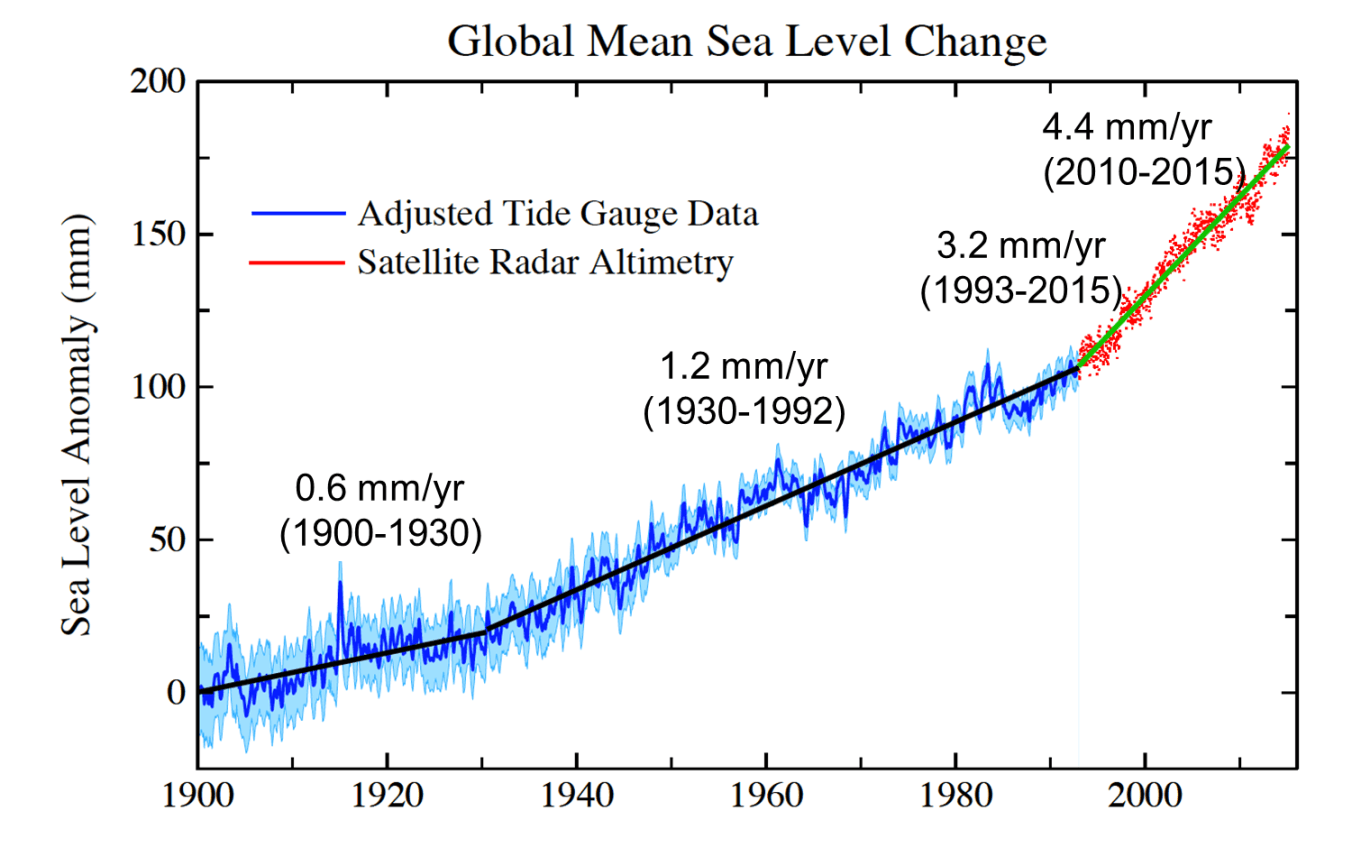
As we gaze upon our planet, one might ponder a question that dances on the edge of curiosity: how swiftly are sea levels rising, and what implications does this hold for humanity? The past century has witnessed a transformative phenomenon, one that not only alters coastlines but also reshapes communities and ecosystems.
To fully appreciate the gravity of sea level rise, we must first investigate the scientific underpinnings and statistical revelations that underscore this issue. Over the last 100 years, the global average sea level has risen approximately 8 to 9 inches, according to available measurements. This may seem trivial when first considered, yet the ramifications ripple throughout our environmental fabric, impacting not just coastal regions but global weather patterns as well.
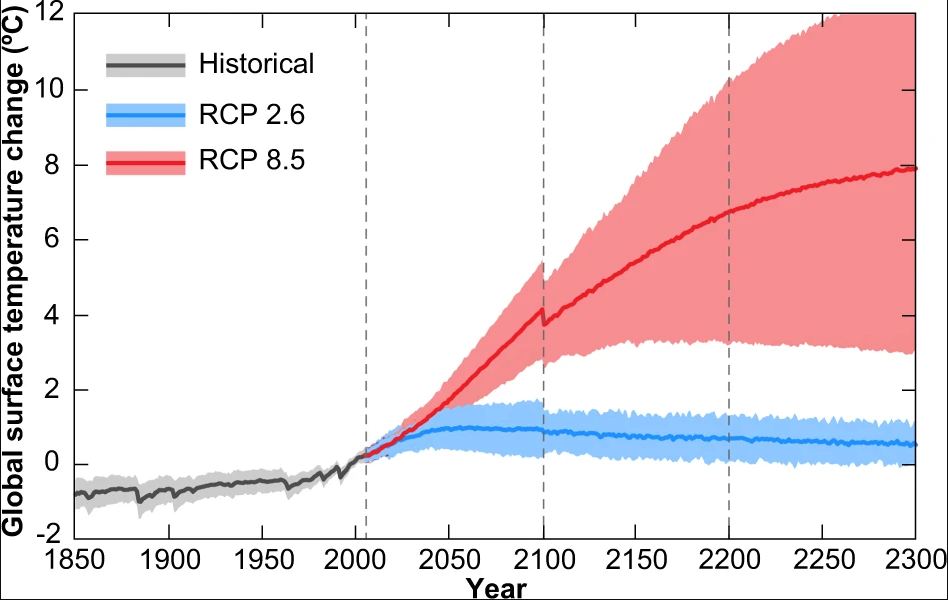
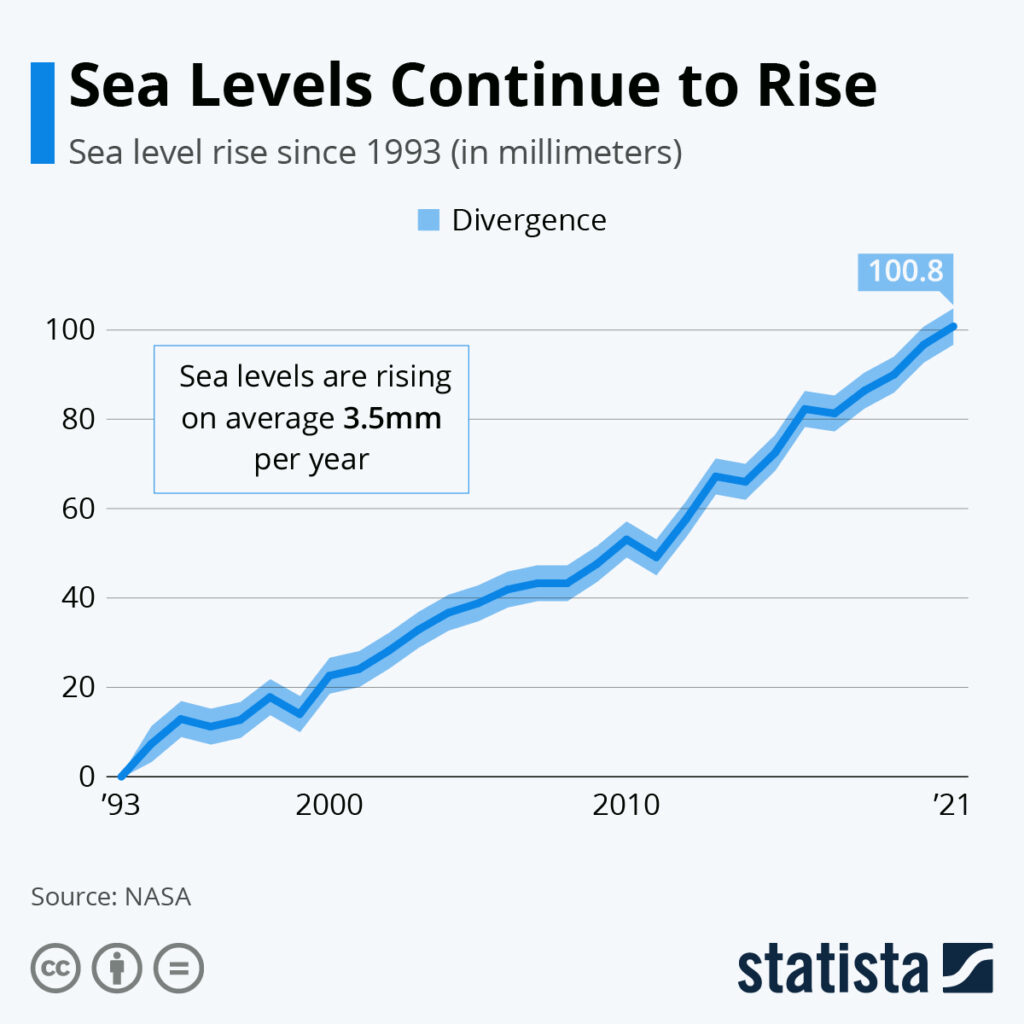
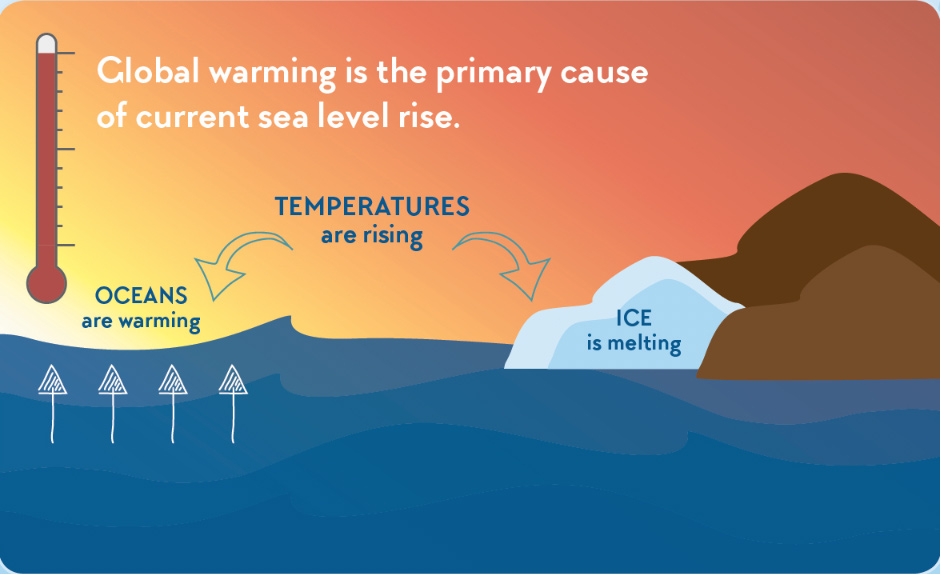
The acceleration of sea level rise is a clarion call for introspection and action. In the early 20th century, the increase was relatively gradual. It was during the latter half that we began to observe a marked acceleration, with recent data suggesting that the rate of rise has more than doubled since the 1990s. What spurred this rapidity? The culprits are multifaceted, primarily driven by climate change, glacial melt, and the thermal expansion of seawater.
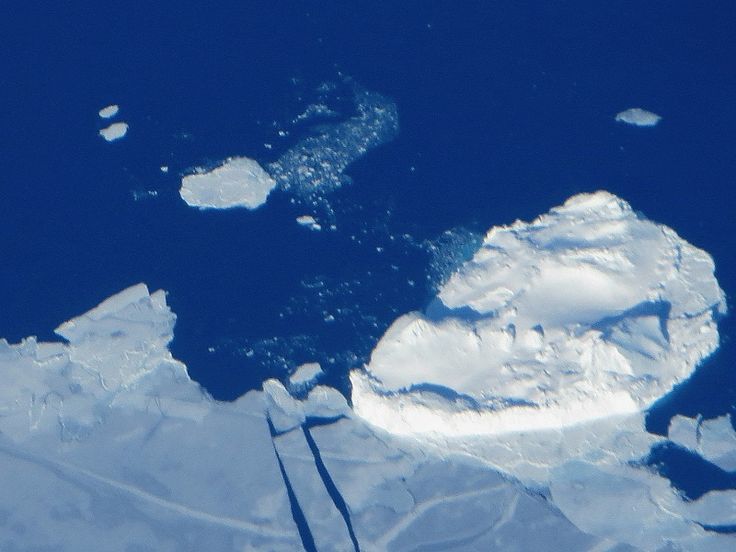
As temperatures rise, glaciers and ice sheets—especially in Antarctica and Greenland—have begun to shed massive amounts of ice into our oceans. This meltwater contributes significantly to rising sea levels. Additionally, warmer temperatures increase the volume of seawater, further exacerbating the dilemma. One could liken it to filling a glass with ice cubes and, when they melt, watching the water level creep ever higher.
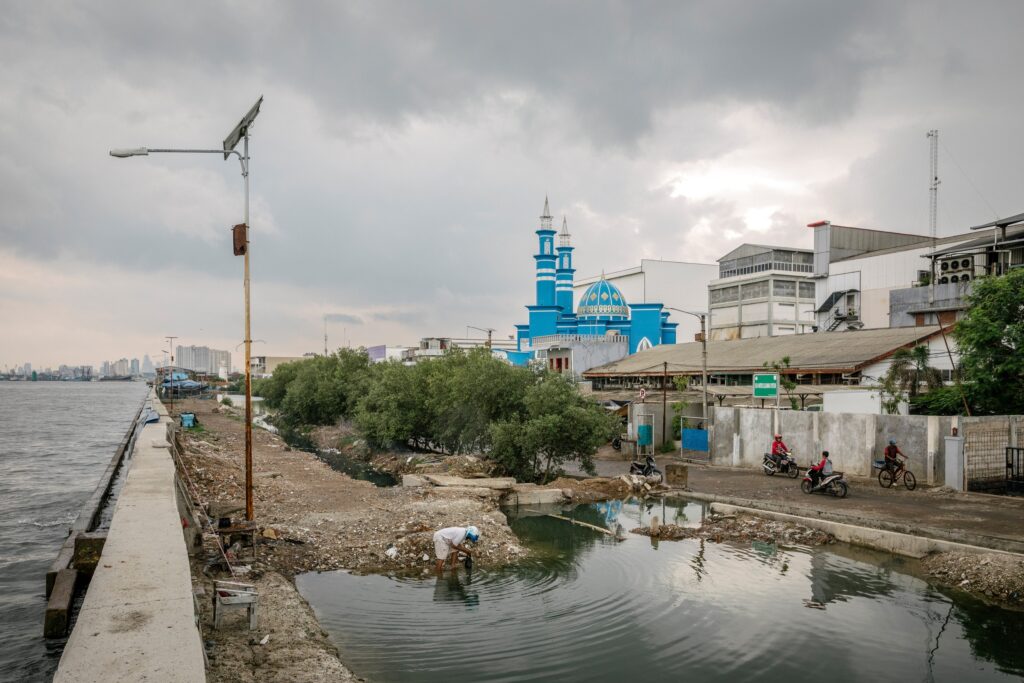
Yet, what does this really mean for the average person? Imagine coastal cities like Miami or New Orleans, which are experiencing the creeping encroachment of tides that were once a mere inconvenience. Flooding events, once a rarity, are now becoming routine. Streets, parks, and homes are inundated, reshuffling the entire landscape of urban life. The term “sunny day flooding” has entered the lexicon, denoting the bizarre occurrence of city streets becoming waterways in clear weather—a testament to the rising tides.
Alongside the human impact, the ecological ramifications are equally alarming. Wetlands and coastal ecosystems serve as vital buffers against storms, provide habitats for myriad species, and store carbon, which is essential to mitigating climate change. As sea levels rise, these critical areas are at risk of being submerged or eroded, leading to the loss of biodiversity and increased vulnerability to extreme weather events.
While we grapple with these realities, it is essential to understand that solutions exist. The challenge of addressing sea level rise requires a symbiotic approach that combines engineering, policy, and community engagement. Coastal cities worldwide are beginning to embrace infrastructural innovations such as sea walls, tidal barriers, and living shorelines designed to absorb the shock of rising waters. Moreover, strategic planning and development of “blue” infrastructure—such as restoring mangroves and wetlands—can serve both to protect coastal areas and enhance ecological integrity.
However, despite the availability of technical solutions, the implementation often falters at the intersection of governance and political will. Who should bear the financial burden of mitigation and adaptation? The question hangs heavy in the air, often retarding progress. Balancing ecological needs with economic interests becomes a tightrope walk, requiring the concerted effort of local governments, private stakeholders, and community members.
Moreover, as we delve deeper into the societal implications of sea level rise, we must confront the phenomenon of climate refugees—individuals and communities forced to vacate their homes due to environmental degradation. This impending mass displacement poses a profound moral quandary: how do we, as a global community, support those whose lives are irrevocably altered by a force that many have had little hand in creating? The challenge is formidable, one that strives to unify rather than divide. Building resilience and offering equitable solutions is imperative if we are to navigate this uncharted territory as a collective.
In conclusion, understanding the acceleration of sea level rise over the past century compels us to consider our relationship with the planet and each other. Acknowledging the data is merely the first step; the real work lies ahead in finding collective solutions that blend ingenuity and compassion. As we navigate the waters of uncertainty and challenge our own complacency, we must ask ourselves: how will we adapt? The answers we seek lie not just in the realms of science and statistics but also in our capacity for empathy and resilience. The tide may be changing, but so too can our response.






Leave a Comment