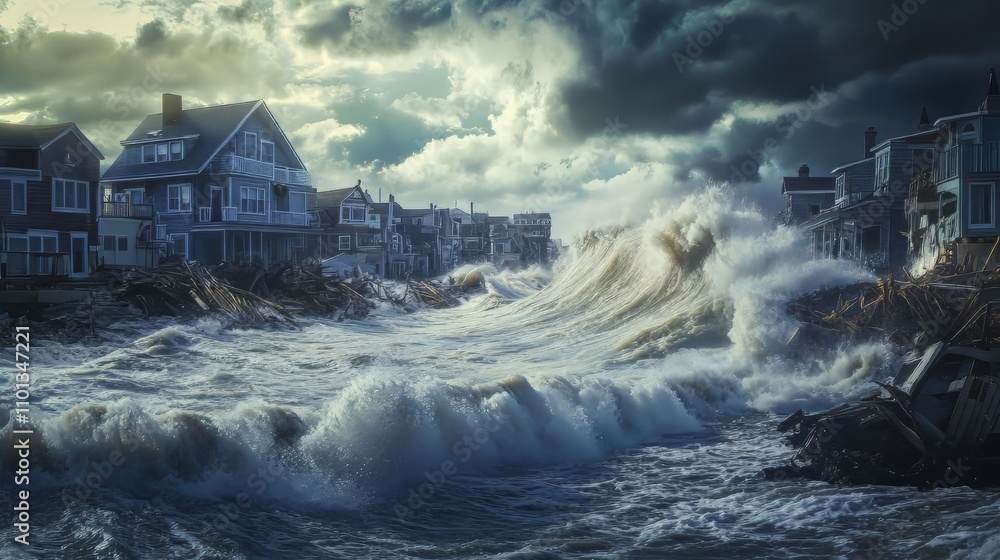
As we cast our gaze upon the horizon, a daunting question arises: what happens when the tides rise, and the land meets the formidable surge of the sea? Rising sea levels and storm surges are not merely scientific phenomena; they are harbingers of profoundly transformative changes to our coastal landscapes and the communities that inhabit them. In this exploration, we delve into the intricate relationship between these two forces, illuminating why the flooding events of the future may be graver than those we have encountered in the past.
Understanding the Basics: Sea Level Rise
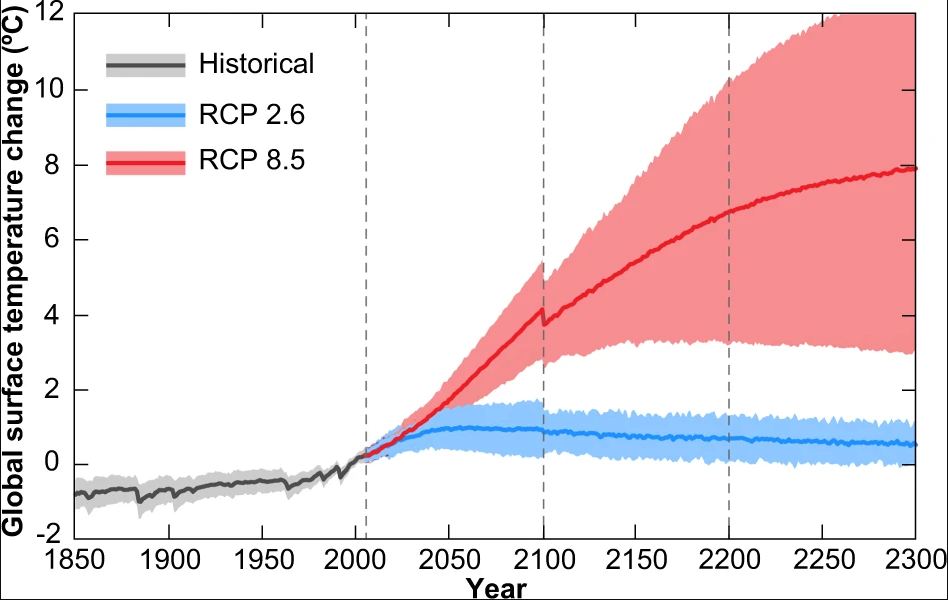
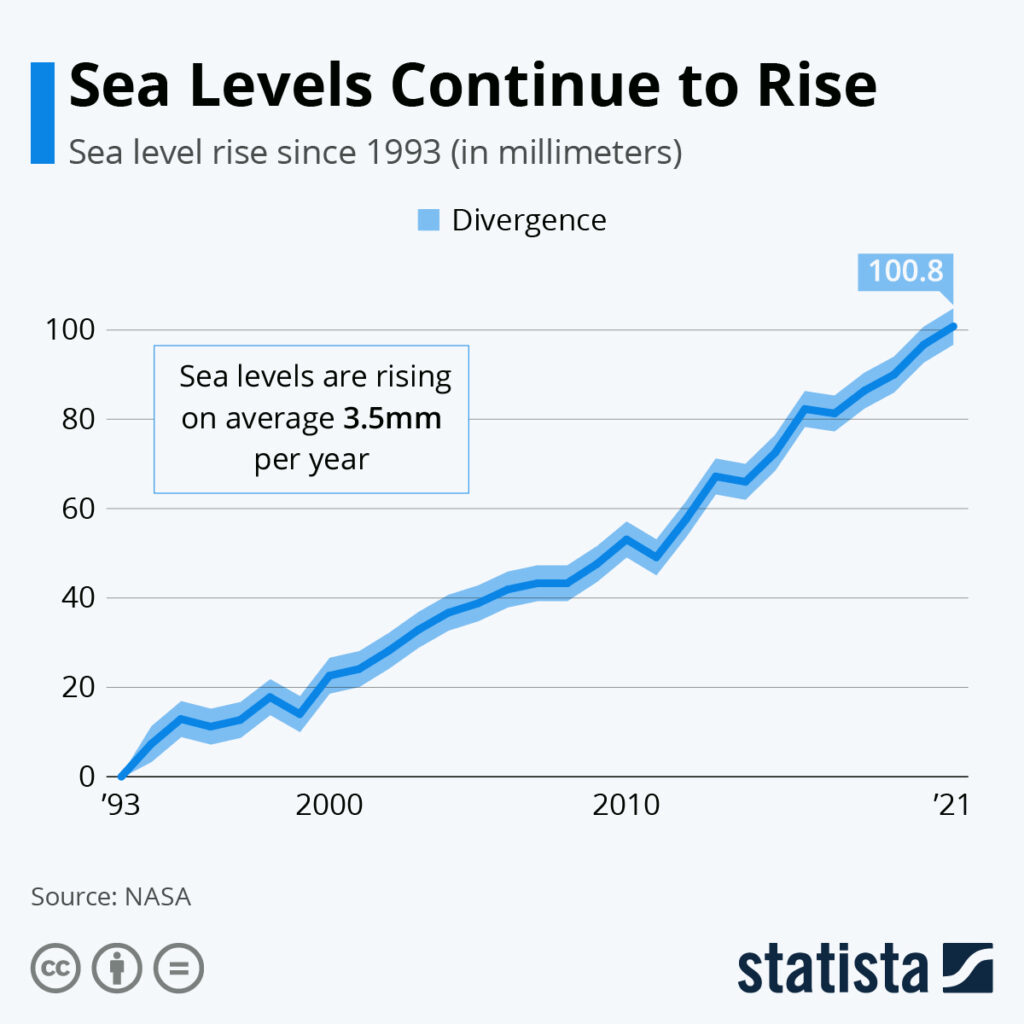
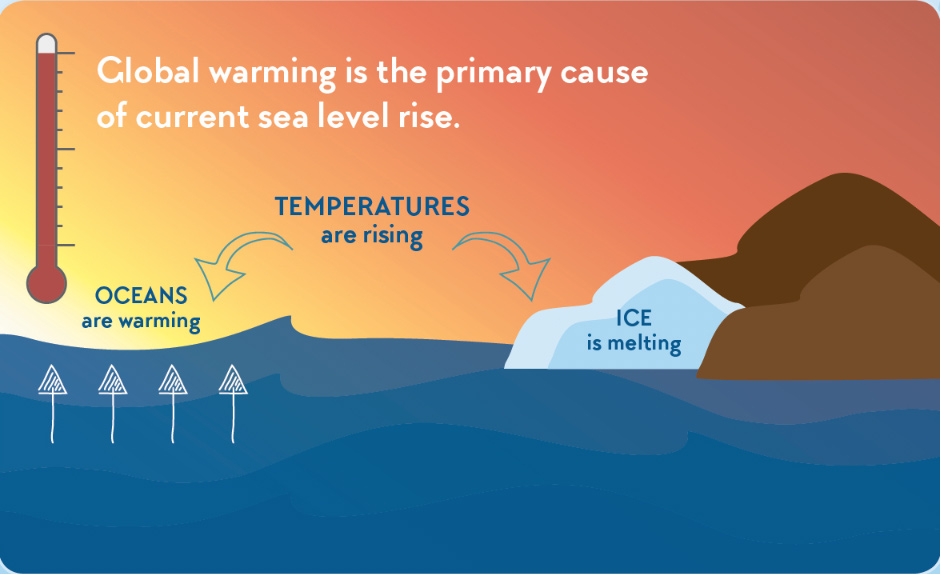
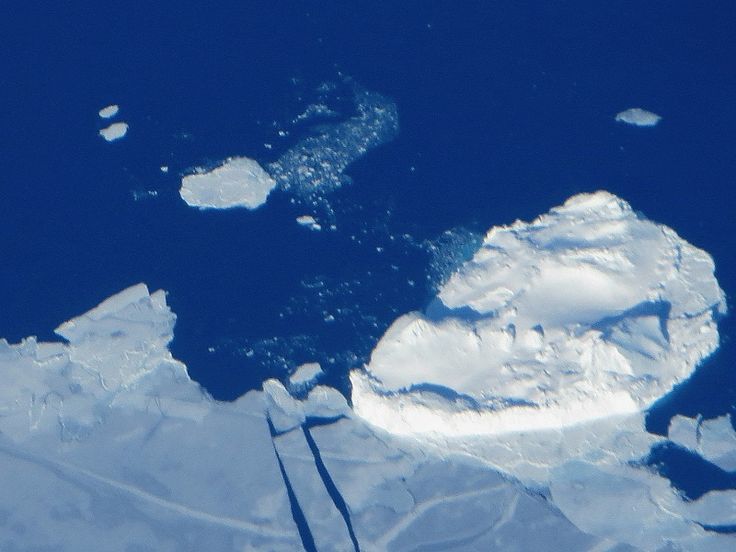
To grasp the impending threat, we must first understand the phenomenon of sea-level rise. This cardinal change is primarily driven by two pivotal factors: the melting of polar ice and the thermal expansion of seawater as it warms. Glacial melts contribute copiously to rising oceans, with vast ice sheets in Greenland and Antarctica unfurling into the seas. Simultaneously, the relentless warming of our planet leads to the expansion of water molecules, exacerbating the rise. In urban coastal areas, even incremental increases can have dire consequences, underpinning the urgency of the issue.
The Anatomy of a Storm Surge
Enter storm surge, the tempestuous swell of water that accompanies storms. Imagine a powerful hurricane sweeping across a coastline; its winds generate waves while atmospheric pressure drops, allowing the sea to rise and inundate land. Unlike regular tides, storm surges act as a sudden assault, causing immediate and extensive damage to coastal areas. They can elevate water levels significantly, engulfing homes, infrastructure, and ecosystems. The volatile nature of these surges becomes increasingly concerning when coupled with the steady creep of sea-level rise.
The Intersection of Tides and Tempests
As these two phenomena converge, the results can be catastrophic. Rising sea levels provide a higher baseline for storm surges, intensifying their impact. Consider, for instance, a coastal city that has experienced a rise of just a foot in sea level. When a hurricane arrives, its storm surge adds even more height to the ocean’s reach. The consequences are magnified: coastal ecosystems, characterized by delicate balances, are further jeopardized, while human communities face increased risks of flooding.
Catastrophic Examples: A Cautionary Tale
Historically, we have witnessed tragic instances where the synthesis of rising sea levels and storm surges has yielded calamity. The aftermath of Hurricane Sandy in 2012 serves as a poignant reminder. With sea levels approximately 8 inches higher than a century prior, the storm surged into New York City and other northeastern coastal cities, causing unprecedented flooding. Entire neighborhoods were submerged, infrastructures crippled, and lives irrevocably altered. As we reflect on these tragedies, it becomes imperative to recognize that the frequency and severity of such events are projected to escalate drastically in the future.
Societal Impacts: A Growing Concern
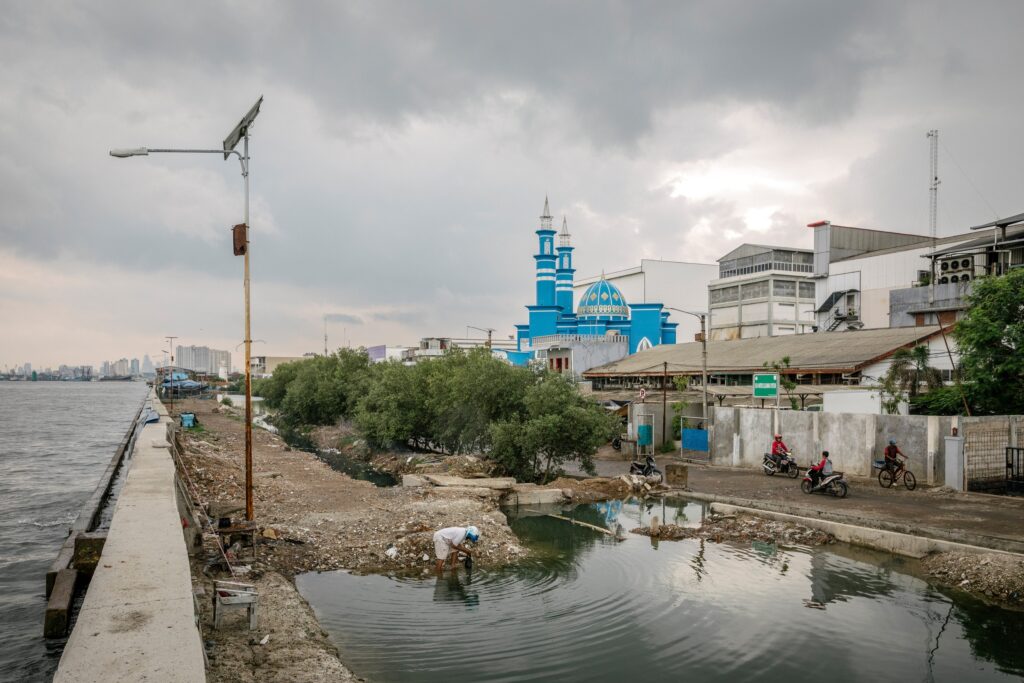
The implications extend far beyond environmental damage; they permeate social, economic, and political realms. Coastal communities are often among the most vulnerable, where socioeconomic disparities are pronounced. Low-income neighborhoods, which may lack robust infrastructure and resources for recovery, bear the brunt of flooding. Businesses can face prolonged closures, and the cost of recovery compounds, straining local economies. Furthermore, displacement becomes a looming threat, as families are forced to abandon their homes in search of safer ground.
Merging Science and Policy: The Challenge Ahead
With the specter of rising sea levels and storm surges looming, the challenge is not merely to understand but to act. Adaptation strategies are essential for safeguarding coastal populations. These may include the construction of sea walls, improvements in drainage systems, and the restoration of natural barriers like wetlands, which can absorb excess water. Politically and socially, a commitment to climate policy is vital. Governments must galvanize resources and provide support for these communities while simultaneously investing in sustainable practices to mitigate further climate change.
A Call to Action: Collective Responsibility
So, what can individuals do to combat this existential challenge? Collective responsibility is paramount. Advocating for systemic change, supporting policies aimed at reducing greenhouse gas emissions, and promoting coastal resilience initiatives are steps within our grasp. Educating ourselves and our communities about the risks posed by climate change and encouraging informed discussions can empower grassroot movements that drive change. Ultimately, this is not solely a narrative of loss but one of hope and renewal.
Future Implications: What Lies Ahead?
The interplay of rising sea levels and storm surges poses an intricate puzzle for future generations. As urban planners, policymakers, and everyday citizens grapple with these issues, the necessity for innovative solutions is clear. We must envision a future where coastal areas are not only resilient but thrive despite the odds. The playfulness of nature should evoke a sense of respect, challenging us to adapt, innovate, and inspire change.
In conclusion, as we contemplate the relentless encroachment of the sea, we must be vigilant and proactive. The forces of nature are formidable, but our collective resilience and ingenuity can forge a path toward a sustainable coexistence with our oceans. It is a challenge—daunting yet essential—a challenge we must face together as stewards of the planet.






Leave a Comment