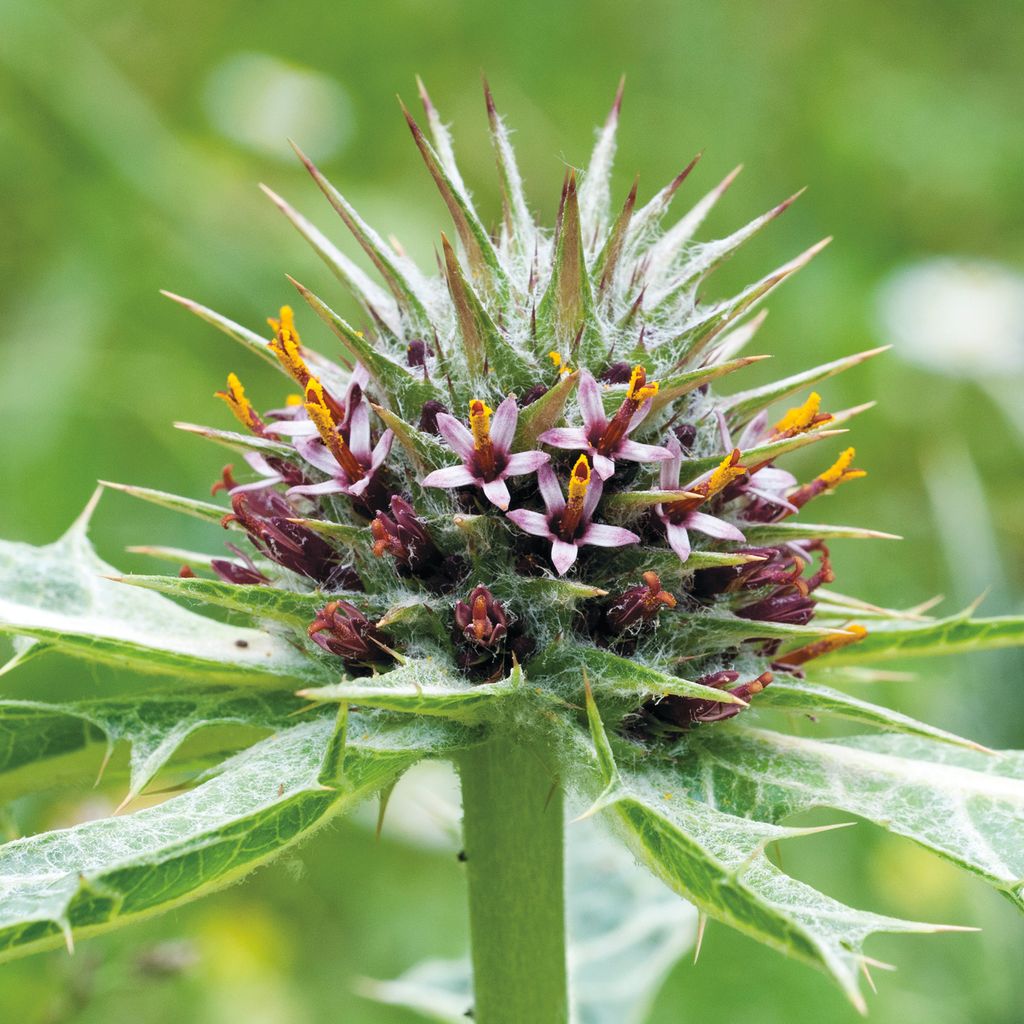
Humanity’s interplay with the natural world has often been marked by an unsettling trend: the extinction of countless plant species. The impulse to exploit, develop, and transform ecosystems has precipitated an alarming biodiversity crisis. Around 40% of the world’s plant species are currently facing the ominous specter of extinction. This grim reality not only serves as an indictment of our ecological stewardship but also as a poignant reminder of the fragility of life on Earth. The following exploration delves into specific plant species that have been driven to extinction by anthropogenic forces, the reasons for their demise, and the broader implications of these losses on our planet.
1. The Dodo’s Botanical Companion: Raphia taedigera
The Raphia taedigera, a majestic palm native to the island of Mauritius, graced the world with its prodigious fronds and unique ecological role. However, the arrival of European settlers heralded its downfall. Unsustainable harvesting for palm fronds, coupled with the obliteration of its habitat due to agricultural expansion, rendered this species extinct. The extinction of Raphia taedigera, while less known than the infamous Dodo, exemplifies a domino effect; as one species vanishes, the intricate web of interrelations falters. Its loss signifies not merely the disappearance of a plant but the dismantling of the ecosystem in which it thrived.
2. Overexploitation: The Case of the Franklinia alatamaha
Discovered in the 18th century along the banks of the Altamaha River in Georgia, the Franklinia alatamaha, or Franklin tree, was celebrated for its stunning white blooms and sweet scent. Unfortunately, the plant’s allure became its curse. Over-exploitation for ornamental purposes, compounded by its restricted native range, led to its extinction in the wild by the early 19th century. The Franklinia exemplifies the grave consequences of prioritizing aesthetic and commercial values over conservation. Its legacy endures only in cultivation, a poignant reminder of what was lost.
3. The Tragedy of the Encephalartos woodii
The cycads of the genus Encephalartos are ancient plants that have existed since the time of the dinosaurs. Encephalartos woodii, a cycad native to South Africa, stands out as a tragic case of human-induced extinction. Once revered as a “living fossil,” its disappearance can be attributed to rampant collecting and habitat destruction. By the early 20th century, the plant was rendered extinct in its natural habitat; merely a handful of specimens remained in cultivation. This species’ plight serves as a cautionary tale about the fragility of biodiversity, urging modern conservationists to reconsider the consequences of unchecked curiosity and greed.
4. Habitat Loss: The Tragic Fate of the Buxus balearica
In the Balearic Islands, the shrub Buxus balearica flourished, providing not only ornamental beauty but also vital habitat for numerous species. However, urban development and agricultural intensification decimated the shrub’s limited habitat. Targeted logging and land transformation culminated in its extinction by the mid-20th century. The demise of Buxus balearica highlights the urgent need for sustainable practices that prioritize preservation over progress. The ecological niches vacated by such species are rarely filled, leading to a cascading loss of diversity in the region.
5. The Hidden Costs of Invasive Species: The Disappearance of the Kensington Cabbage
Among the urban landscapes of London thrived the Kensington Cabbage, a plant once celebrated for its nutritional value. Sadly, the introduction of invasive species from foreign lands led to a hard-fought battle for survival. As the non-native species encroached upon its territory, this once-prized vegetable succumbed to extinction. The story of Kensington Cabbage elucidates the intricate balance within ecosystems and underscores the unforeseen consequences of human activities that facilitate the spread of invasive organisms.
6. The Ripple Effect of Extinction
The extinction of plant species casts long shadows over entire ecosystems. Plants anchor the trophic structures, providing essential habitats and resources for myriad animal species. The loss of one plant can trigger a domino effect, threatening the survival of dependent organisms. For instance, many herbivorous insects, birds, and mammals have evolved a symbiotic relationship with specific flora. Consequently, the extinction of such plants leads to a stark reduction in biodiversity, ultimately destabilizing the ecosystems that humans also rely upon for food, medicine, and clean air.
7. The Urgency of Conservation Efforts
The alarming statistic that 40% of plant species face extinction must prompt an immediate reassessment of human impact on the natural world. Conservation initiatives must evolve to not only restore populations of endangered species but also to encompass strategies that protect their habitats from further degradation. Biodiversity hotspots need urgent attention, as these areas hold a multitude of plant species that, if lost, could result in irrevocable consequences. Collaboration between scientists, policymakers, and the public is imperative to foster a collective sense of stewardship for the planet.
8. A Call to Action
Bringing awareness to the plight of endangered plant species is essential, yet it is merely the first step. Advocacy for sustainable practices, responsible consumption, and habitat preservation is crucial to mitigate losses. Individuals can contribute by supporting organizations focused on conservation, cultivating native plants in their gardens, and lobbying for policies that prioritize ecological integrity. Ultimately, recognizing our interconnectedness with all forms of life and fostering a symbiotic relationship with nature forms the bedrock of a sustainable future.
The path forward is fraught with challenges, yet it is equally paved with opportunities to rectify past transgressions. The extinction of countless plant species embodies a legacy of neglect and exploitation; however, it also represents a clarion call to protect the remaining biodiversity for generations to come. The story of our planet’s flora is not solely one of loss but also one of resilience and hope. By committing to safeguarding the future of plant species, there lies the promise of a more vibrant and sustainable planet.








Leave a Comment