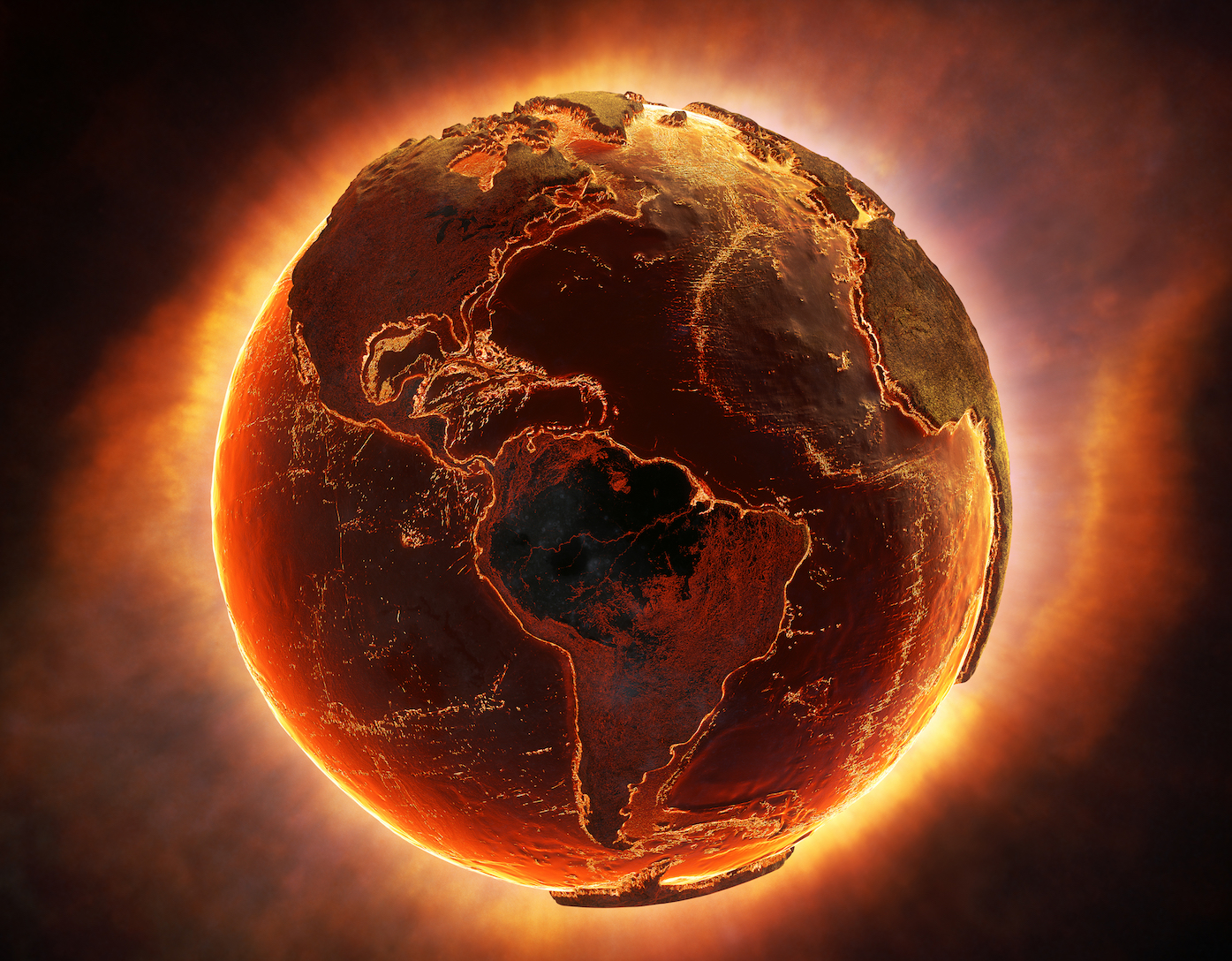
As we traverse the corridors of history, one cannot help but ponder the celestial adjustments that have taken place on our fragile planet. The query of whether the Earth is warmer than ever before stirs fascination, as it invites us to examine the climatic tapestry woven over eons. While casual observations may prompt the layperson to draw quick conclusions, a multi-faceted exploration reveals a more intricate narrative underscored by scientific inquiry and historical context.
The unmistakable rise in global temperatures over the past century presents a stark reality. When we contemplate the last decade—one that has garnered the attention of climatologists and environmentalists alike—it stands as an anomalous epoch, warmer than the preceding 11,000 years. This assertion is not merely academic; it is an indictment of the trajectory of anthropogenic influence that has permeated our biosphere. However, this warming is not solely a modern phenomenon; rather, it is the end result of an ongoing saga that spans millennia.
To comprehend the gravity of contemporary temperature changes, one must first engage with the paleoclimatic record. Ice cores taken from Greenland and Antarctica reveal a trove of data that chronicles atmospheric conditions over vast stretches of time. Indicators such as isotopic ratios and trapped gas bubbles serve as proxies for ancient temperatures, providing invaluable insights into the Earth’s climatic fluctuations. Throughout the Holocene epoch, which began approximately 11,700 years ago, the planet has experienced oscillations between warming and cooling periods. However, the prevailing trend has been an overall coolness until the recent surge attributed to industrialization.
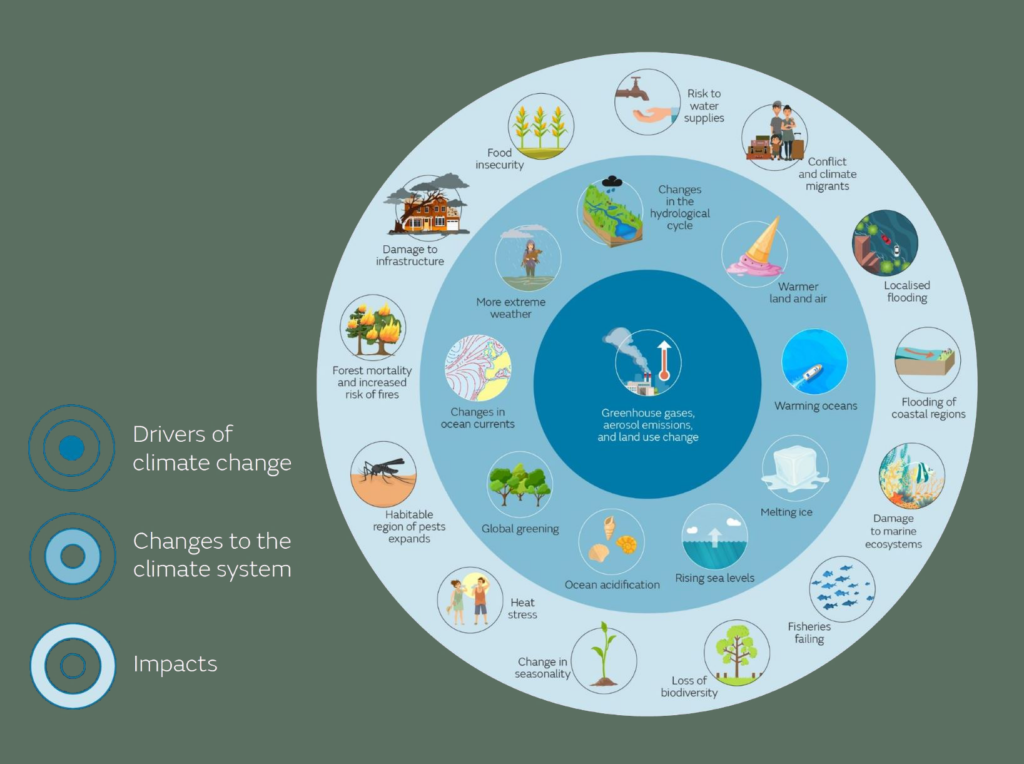
The advent of the Industrial Revolution marked a watershed moment in our planet’s history. The combustion of fossil fuels—the lifeblood of burgeoning economies—has released copious amounts of carbon dioxide and other greenhouse gases into the atmosphere. This amplification of atmospheric constituents has incrementally augmented the greenhouse effect, enhancing the planet’s ability to trap heat. Consequently, average global temperatures have risen by approximately 1.1 degrees Celsius since pre-industrial times, a seemingly modest figure that masks its profound implications.
This incremental change may evoke skepticism regarding its significance. However, one must recognize that even shifts of a fraction of a degree can precipitate extraordinary consequences. For instance, the theoretical tipping point for the Greenland Ice Sheet looms precariously; a mere additional degree could accelerate melting, yielding substantial sea-level rise that endangers low-lying coastal communities worldwide. Moreover, a warming planet fosters extreme weather events, from hurricanes to droughts, resulting in ecological upheaval and human displacement.
The accumulation of data elucidates a troubling picture. The last decade has been replete with records: the warmest years since systematic recording began emerged with alarming frequency. Climate scientists point to a confluence of factors, including strong El Niño events, which temporarily boosts global temperatures, and long-term trends that reflect a broader warming trajectory. Strikingly, the year 2020, despite the global pandemic and reduced industrial activity, still ranked among the hottest years on record. Such phenomena beg the question: What lies beneath the surface of these statistics?
Amidst the clamor for immediate acknowledgment of climate change, a profound psychological discourse unfolds. The perception of climate change and its effects varies dramatically among individuals and cultures. While cities glimmer with the advancement of technology and infrastructure, rural communities often find themselves grappling with the tangible impacts of environmental degradation. This dichotomy catalyzes a sense of urgency but also incites apathy; the effects of climate change may seem distant or disconnected from everyday concerns. As individuals grapple with existential thoughts surrounding their futures and the planet, deeper questions arise: What legacy do we bequeath to succeeding generations?
Moreover, an embedded fascination exists with our planet’s climatic destiny. Anecdotal observations, such as early blooming seasons or erratic weather patterns, resonate with collective experiences but are often dismissed as mere anomalies. Yet, they are harbingers of a broader transformation that reshapes ecosystems. Flora and fauna vulnerable to shifting climate zones face existential struggles, impacting biodiversity and ecosystem health. These developments compel us to reckon with the intricate relationships that inform our world; the interdependence of species is being tested as habitats shift and resources dwindle.
The interplay of scientific data and societal narratives reflects a complex mosaic of human experience. Thus, the question lingers: Is the Earth warmer than ever? The evidence affirms that we inhabit an unprecedented era characterized by accelerated climate change, driven predominantly by human actions. Recognizing this truth necessitates not merely an acknowledgment but a call to action, prompting individuals and communities to reevaluate their environmental footprints.
As stewards of this planet, we must confront our collective responsibility. Engaging in dialogues about sustainability, conservation, and climate resilience is critical. Initiatives promoting renewable energy, restoration of natural habitats, and reduction of carbon emissions are paramount. Each decision we make—whether personal, political, or economic—offers a pathway to mitigate the impacts of climate change and safeguard the planet for generations to come.
In conclusion, as we illuminate the question of the Earth’s warmth, we reveal a narrative rich with complexity and urgency. Scientific data paints a compelling picture of a planet in peril, one that demands our unwavering attention and action. The epoch of surpassing warmth serves not only as a record but as a mirror reflecting our shared plight and a beacon urging us to alter our course. The Earth’s future is intertwined with our choices, and it is our duty to nurture the delicate balance that sustains life. Understanding the past, we can forge a more habitable future for all.







Leave a Comment