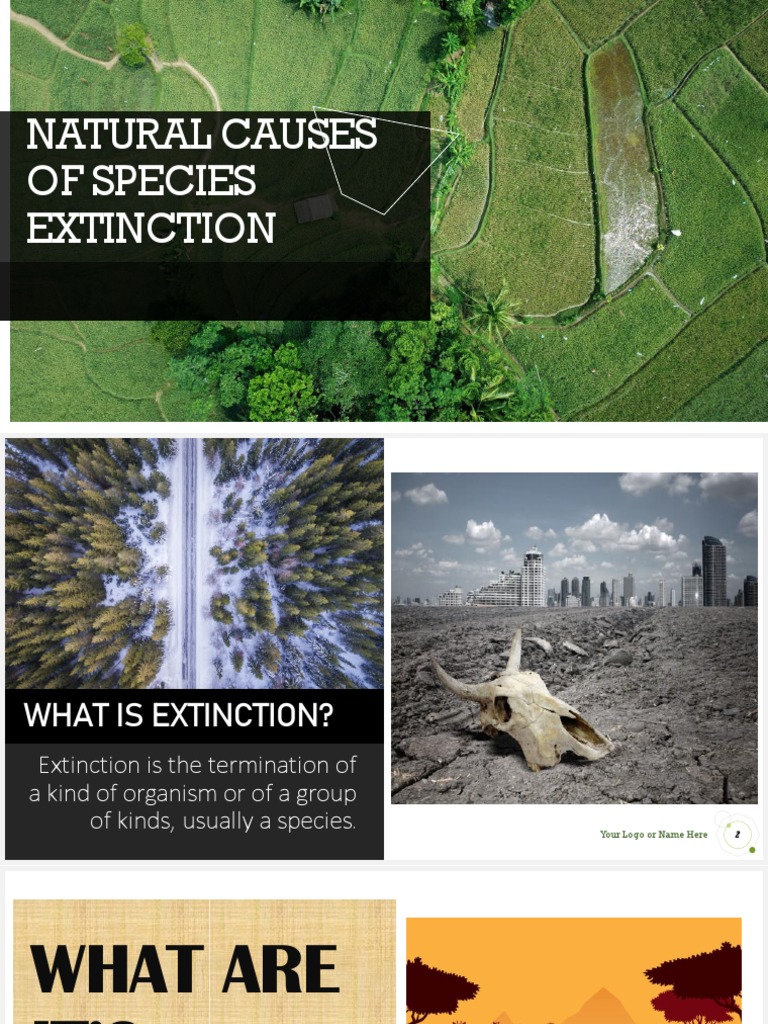
The concept of extinction often evokes notions of despair and loss, as if each species that vanishes from the tapestry of life takes with it a piece of our shared inheritance. Yet, beneath the surface of this poignant reality lies a more intricate narrative—one that interrogates the very essence of life on Earth. To consider extinction as merely an aberration is to disregard its role as a vital cog in the wheel of evolution. So, is extinction a natural part of life on Earth? This exploration beckons us to sift through layers of ecological history, evolutionary dynamics, and the fragility of existence itself.
Extinction can be likened to the autumn leaf that relinquishes its hold on a branch. Just as the leaf’s departure makes way for new growth, extinction serves as a precursor to biodiversity. The planet has been shaped by a series of cataclysmic events and gradual transformations, each facilitating the rise of new life forms. From the dinosaurs that once roamed the Earth to the multitude of species that have since followed, evolution thrives on a paradox—life and death inextricably intertwined.
Historically, the planet has witnessed five significant mass extinctions, cataclysms that catalyzed dramatic shifts in biodiversity. The Permian-Triassic extinction, approximately 252 million years ago, stands as the most formidable, wiping out an estimated 95% of marine species. Such events disrupt existing ecosystems, obliterating the fragile balance of life. Yet, in their wake, they create a fertile breeding ground for novel forms of life, leading to astonishing radiations of species. This cyclical dance of demise and rebirth emphasizes a fundamental principle of ecology: extinction is not merely an end but a precursor to continuity.
Yet, while extinction can be discerned as a natural phenomenon, it is integral to delineate the distinctions between anthropogenic and natural causes. Natural extinction arises through an array of mechanisms—habitat changes, climatic shifts, predation pressures, and competitive interactions, amongst others—all manifestations of the Earth’s perpetual evolution. Conversely, the burgeoning impact of humanity introduces a new variable in this age-old equation. Habitat destruction, pollution, climate change, and invasive species are undercurrents that threaten the delicate fabric of life, instigating rates of extinction far exceeding those of the geological past.
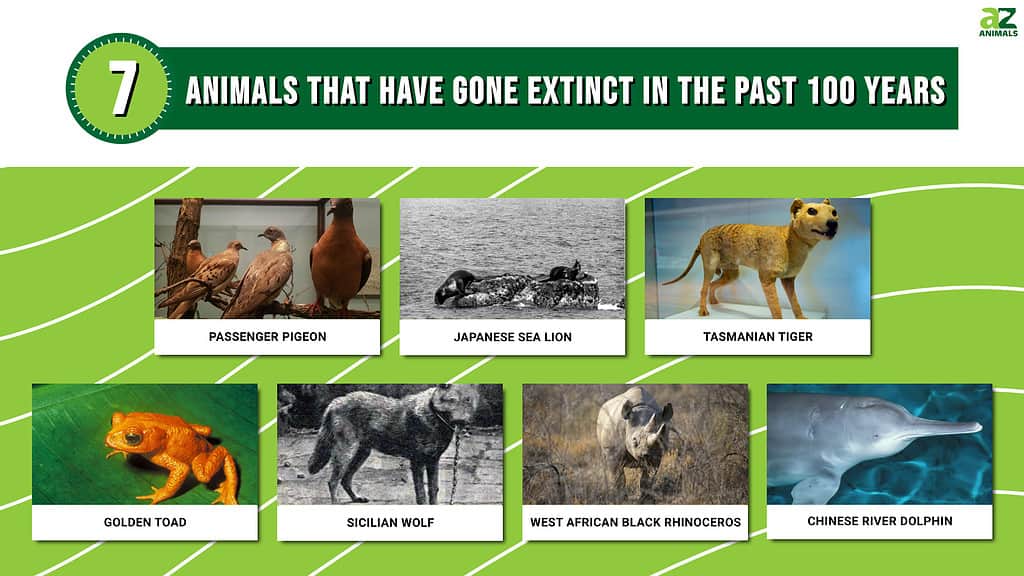
Consider, for instance, the poignant fate of the passenger pigeon. Once numbering in the billions, the passenger pigeon roamed the skies of North America, epitomizing abundance. Yet, due to relentless hunting and habitat destruction, this once-thriving species plummeted to oblivion in the 20th century. The narrative of the passenger pigeon serves as a sobering reminder that while extinction may be woven into the natural order, the velocity with which we now expunge species calls for reflection. Are we, through our insatiable consumption and insensitivity, hastening the extinction process far beyond what nature would dictate?
One might argue that extinction is a necessary episode of life’s grand saga—a chapter in the ongoing narrative of existence. Life flourishes in the crevices of adversity, adapting and evolving in response to the shifting tides of environmental pressures. The relentless march of evolution propels species toward ever-greater adaptability. Fins evolve into limbs; seeds decompose to enrich the soil; the very fabric of life is woven anew from the remnants of what has been. Extinction begets diversity, ensuring that life is continually refreshed through a process akin to nature’s own symphony of renewal.
Moreover, the intricate relationships within ecosystems reveal how extinction can reverberate through biological communities. The loss of a keystone species—one that plays a crucial role in maintaining the structure of an ecosystem—can set off a chain reaction, fundamentally altering the landscape of both flora and fauna. Take, for example, the sea otter in North Pacific kelp forests: its presence regulates sea urchin populations, which, if unchecked, devastate kelp ecosystems. The extinction of such a sentinel species would not only impoverish its immediate environment but would also ripple outward, affecting innumerable species and ecological functions.
In contemplating extinction, one must also address the psychological distance it often creates among individuals. The grandeur of lost species can feel abstract, relegated to dusty museum exhibits or dimly remembered stories. Yet, the richness of biodiversity is not just a statistic; it is an immeasurable tapestry, interlacing the lives of countless beings, including our own. When we lose species, we lose a part of ourselves—our connection to the planet and its myriad narratives. This realization calls us to embrace stewardship, transforming our admiration for life into active participation in its preservation.
In essence, while extinction is an undeniable element of life’s cyclical nature, the burgeoning rate at which species are disappearing today underscores humanity’s pivotal role in the ongoing tale of existence. The question remains: Can we reconcile the inevitable cycles of life and death with our capacity for empathy and action? The answer lies not only in understanding the reality of extinction but in fostering a collective responsibility to mitigate the self-inflicted maladies we impose on the biosphere.
Ultimately, the narrative of extinction is a multifaceted canvas. It is painted with strokes of inevitability and poignancy, awe and responsibility. Recognizing extinction as a natural aspect of life compels us to accept the processes of change inherent to our world while igniting a fervent desire to protect, conserve, and rejuvenate the splendors of nature that still endure. In doing so, we not only honor the legacy of those species we have lost but also safeguard the future of those that remain, ensuring that the symphony of life continues to resonate through the ages.







Leave a Comment