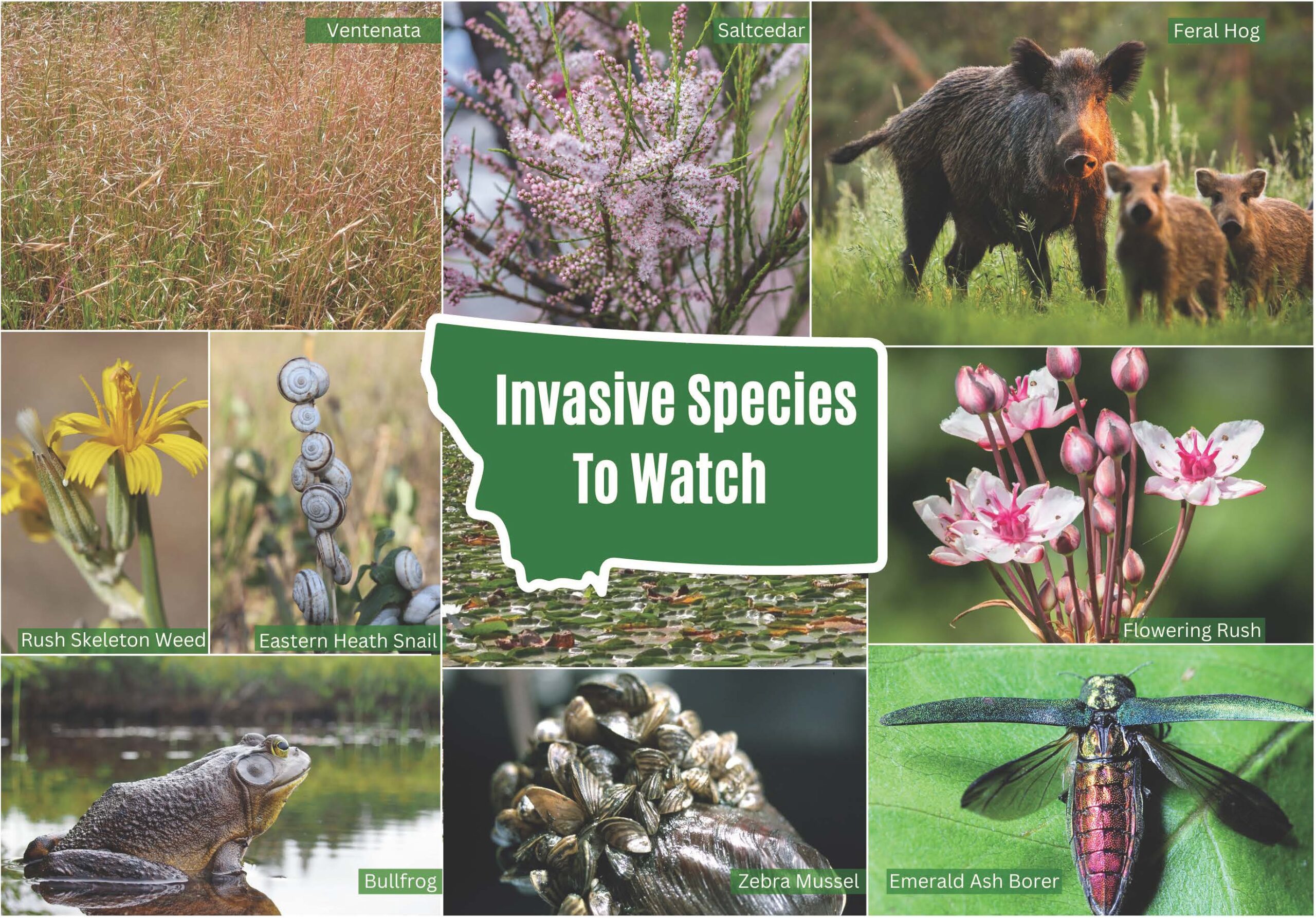
In the intricate tapestry of our ecosystems, the narrative surrounding invasive species is often one of despair—a tale written in the language of loss and ecological devastation. Yet, an undercurrent of resilience exists, one that highlights remarkable successes in the fight against these formidable intruders. Let us delve deeper into this compelling saga, where nature asserts its authority and success emerges from adversity.
The first chapter in this chronicle of triumph centers on the reintroduction of the sheep goat, known scientifically as Capra aegagrus hircus, on the islands of Hawaii. Historically, these islands served as a pristine sanctuary for indigenous flora and fauna. However, the introduction of non-native species such as goats led to drastic ecological imbalances. In a concerted effort to restore the original ecosystem, conservationists spearheaded a reintroduction program for native plants that had previously succumbed to the voracious appetites of invasive grazing species. This initiative not only rejuvenated the flora but also encouraged the resurgence of endemic bird populations. Herein lies a profound lesson: nature, when aided by dedicated human intervention, can reclaim its lost glory.
Next, we shift our focus to the serene lakes of the United States, where the notorious zebra mussel, an invasive bivalve mollusk, once plagued myriad water bodies. These organisms, having a penchant for rapid colonization, posed dire threats to local ecosystems and economies. However, enterprising researchers and engineers have made significant strides in managing their populations. Utilizing biological controls and innovative filtration systems, they have effectively curbed the expansion of these invasive species. The water bodies, once choked by this relentless invader, have now seen a resurgence of native aquatic life. This triumph over the zebra mussel exemplifies how human ingenuity, coupled with ecological understanding, can turn the tide against invasive species.
A narrative that continues to inspire hope is that of the restoration of the American chestnut, a once-ubiquitous tree decimated by the introduction of the chestnut blight fungus, Cryphonectria parasitica. In recent decades, a fervent movement has arisen, employing advanced biotechnology to develop blight-resistant hybrids. Through meticulous breeding techniques, scientists have infused the majestic American chestnut with resilience, thus paving the way for its reestablishment in Eastern forests. This evolution of the American chestnut serves as a powerful metaphor for coexistence; it mirrors the broader struggle against invasive species. It not only symbolizes humanity’s capacity to mend the rifts caused by its own actions but also highlights nature’s flexibility to adapt and thrive.
Turning our gaze toward aquatic ecosystems once more, we encounter the story of the invasive lionfish, an ostensibly glamorous addition to the coral reefs of the Caribbean. These ornamental fish, with their stunning fins and vibrant colors, are a double-edged sword. With no natural predators, their proliferation has devastated native fish populations and jeopardized the delicate balance of marine ecosystems. A grassroots movement has emerged, encouraging both chefs and communities to embrace lionfish as a culinary delicacy. By promoting lionfish as a sustainable seafood choice, restaurants and local fishermen have not only curbed their numbers but have also transformed an ecological crisis into a booming gastronomic opportunity. This is a poignant illustration of how cultural shifts can harmonize human appetites with ecological necessity.
Among the vast landscapes of North America, the restoration of the longleaf pine ecosystem quietly unfolds. Once dominant across the southeastern United States, this magnificent forest type was vanquished by habitat destruction and the invasion of more aggressive plant species. However, ecologists now lead initiatives to reestablish the longleaf pine by employing controlled burns and selective thinning to manage invasive species. These practices rejuvenate the undergrowth, allowing for the emergence of diverse herbaceous plants and the return of native wildlife. This initiative signifies not just a battle against invaders but a reclamation of heritage—a reconnection with a lost ecological narrative that speaks to resilience and renewal.
In another compelling narrative, we witness the revitalization of the Great Lakes region, heavily impacted by invasive species such as the Asian carp. This monstrous intruder threatens to upend the food web and obstruct traditional fishing practices. In response, a multifaceted approach has emerged—one of prevention, containment, and public awareness. State and federal agencies have collaborated on educational campaigns targeting anglers and boaters, significantly reducing the accidental transport of this invasive species. The establishment of barriers and ongoing research into potential biological control have further supported the initiative. In this ongoing struggle, the symbiotic relationship between humans and nature illustrates our potential to safeguard the delicate balance of ecosystems against invasive intruders.
The stories of these successes, imbued with tenacity and hope, remind us that the battle against invasive species is far from futile. Through collaborative efforts, innovative strategies, and an unwavering commitment to restoration, nature showcases its inherent power to rebound. Each success story serves as a beacon of optimism, illuminating pathways for further endeavors in conservation. By shifting perspectives to view invasive species not only as threats but also as challenges that ignite human creativity and resilience, we cultivate a deeper appreciation of our interconnected world. Nature fights back—its victories are not mere footnotes but rather profound affirmations of life’s indefatigable spirit, reminding us that restoration is not just possible; it is a responsibility we must collectively embrace. The dialogue surrounding invasive species evolves, revealing a multifaceted narrative where triumph intertwines with an enduring dedication to ecological integrity. In the realm of conservation, every small skirmish against an invader contributes to a greater story of restoration and resilience.










Leave a Comment