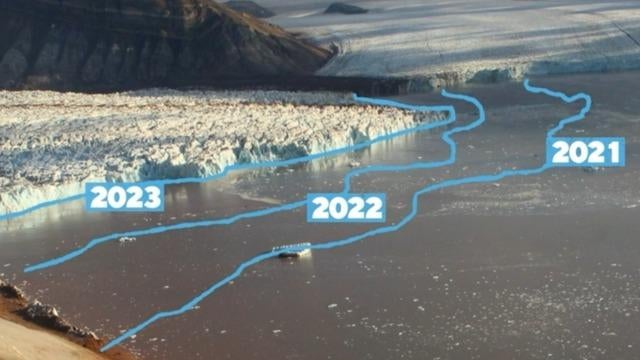
As the world observes glaciers steadily retreating from once-frigid frontiers, a critical query surfaces among environmentalists, scientists, and citizens alike: How much water will eventually flow into the oceans as these majestic ice sheets succumb to warming temperatures? The answer is not merely a matter of numbers; it reflects the intricate interplay of climatic forces, human activity, and the profound ramifications that follow in the wake of such profound transformations. Understanding the tributary of water from ice sheets into our oceans is integral to grasping the broader consequences of climate change, particularly associated with sea level rise.
Global ice reserves, primarily found in the polar regions of Antarctica and Greenland, are on the frontline of climate change. These colossal sheets lock in a staggering amount of freshwater; the potential for catastrophic sea level rise remains contingent upon their stability. To comprehend the enormity of this phenomenon, consider that if the entire Greenland ice sheet were to melt, it could contribute approximately seven meters of sea level rise, while the Antarctic ice sheet could yield upwards of 58 meters. These figures are not merely academic; they represent tangible threats to coastal communities, ecosystems, and economies worldwide.
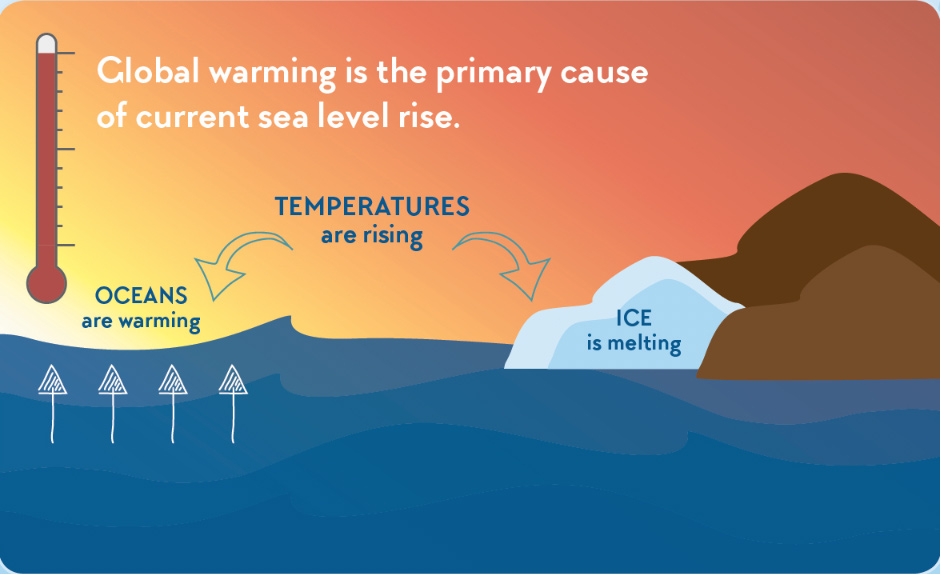
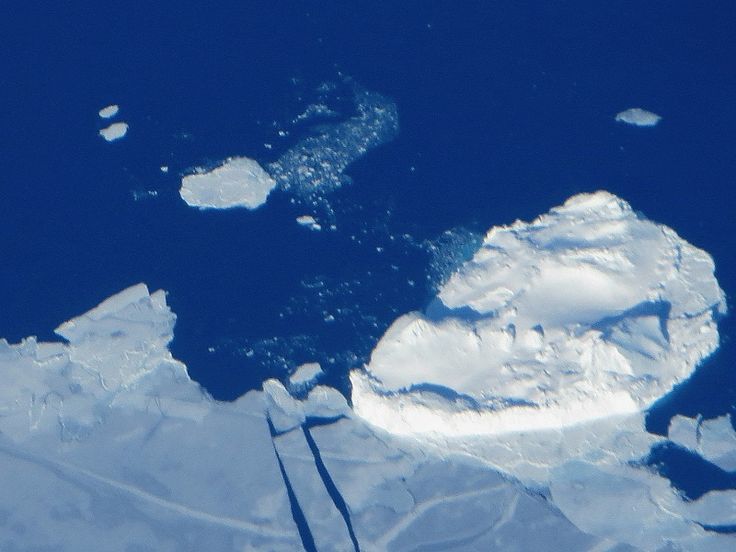
The current state of the world’s ice is a harbinger of the changes to come. As temperatures rise, ice sheets begin to melt at an accelerated rate. The process is multifaceted, involving increased surface melting and the destabilization of ice shelves that predominantly serve as buttresses for the inland ice. This dual mechanism triggers a cascading effect where meltwater accumulating on the surface finds its way to fissures and fractures, further hastening the retreat of glaciers. Such processes are intrinsically tied to the warming oceans, which erode ice shelves from below, adding another layer of complexity to our understanding of ice melt.
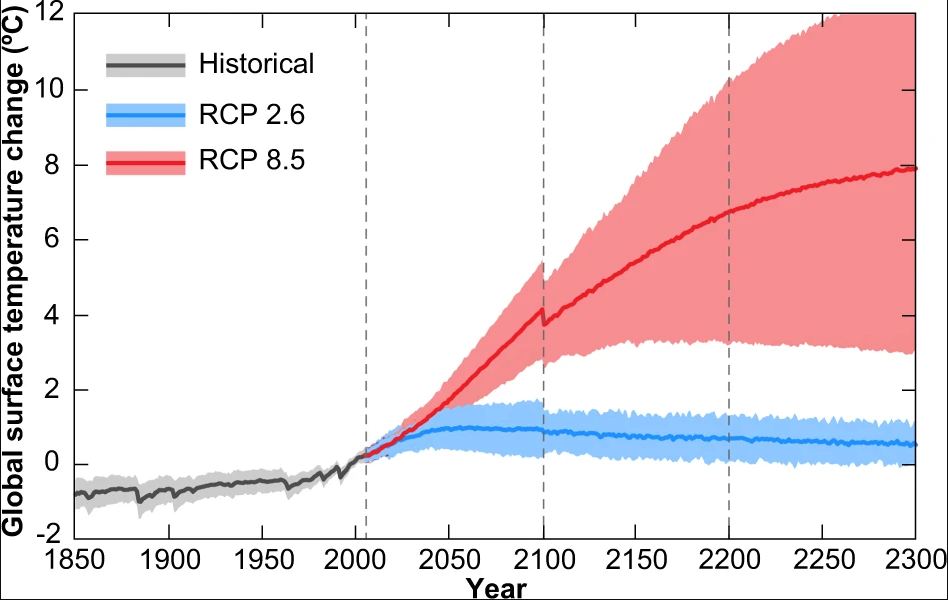
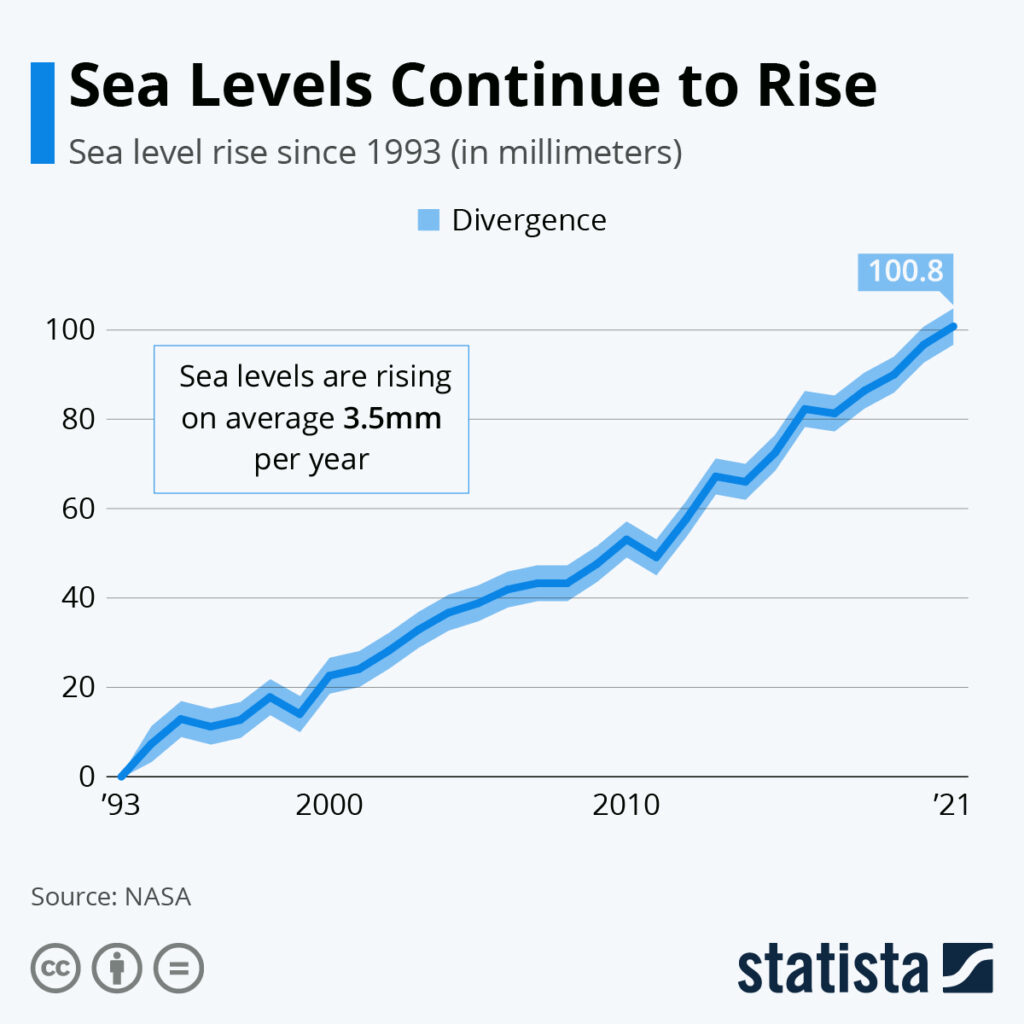
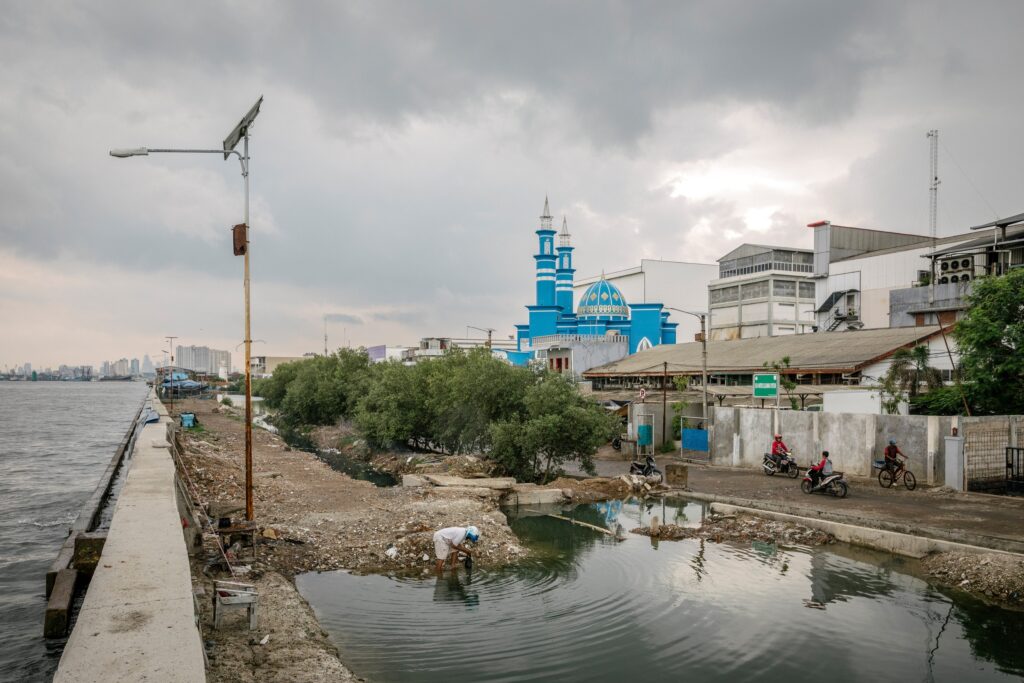
Water from these melting ice sheets contributes significantly to global sea level rise, which has profound implications. In recent years, the sea level has risen by approximately 3.3 millimeters annually, with a considerable portion attributable to the accelerated melting of ice. Predictions suggest this rate may escalate in the coming decades; thus, the long-term outlook is worrying. Coastal cities, home to millions, face heightened risks of flooding, erosion, and saltwater intrusion—a phenomenon that threatens freshwater supplies. It prompts discussions oftentimes reduced to alarmism but fundamentally grounded in scientific evidence.
Yet why, amidst catastrophic forecasts and scientific data, is there apprehension intertwined with fascination? The glaciers, ethereal and stoic, serve not only as indicators of our planet’s health but also as historical records etched in ice. Their strata encapsulate atmospheric conditions spanning millennia, providing insight into Earth’s climatological past. The loss of these magnificent glaciers marks not just a statistic but a cultural and existential crisis. They are symbols of nature’s grandeur, irreplaceable monuments of resilience that evoke a paradoxical blend of awe and despair.
Moreover, the fascination lies in the narratives emerging from these melting behemoths. The science of ice melt invites us to confront broader societal issues, such as the equity of climate change impacts and the disproportionate burden borne by marginalized communities. The rise in sea levels does not affect all areas equally; low-lying nations and coastal regions already grappling with economic and political instability face the prospect of complete displacement. The stories of communities on the edges of these changes can galvanize action and spark a necessary discourse around climate justice.
In parallel, the engagement with ice melt prompts a deeper inquiry into our relationship with nature. It reflects a contemporary crisis of stewardship and responsibility. While the ice sheets serve as a global thermostat—regulating temperature and influencing weather patterns—their rapid decline signals an urgent call to reassess our interactions with the environment. Innovations in renewable energy, sustainable practices, and investment in climate resilience can mitigate some of these impending threats.
Scientific advancements play a pivotal role, as researchers utilize sophisticated models and satellite technology to monitor changes in ice sheets with unprecedented precision. The data collected not only informs policymakers but also stirs public consciousness regarding the impending consequences of inaction. As we weave through discussions around climate policy, energy transition, and conservation, the nexus between human and environmental health becomes more palpable, revealing interconnected destinies.
Ultimately, addressing the quandary posed by ice melt and sea level rise is more than an academic exercise. It involves confronting an urgent reality that reverberates through scientific disciplines and social spheres alike. Grappling with the palpable changes in our environment prompts advocacy for transformative change. Fortifying our cities against imminent threats demands a collective responsibility—one that extends beyond borders, transcending geographical divides. It beckons a united front against the perils that lie ahead, embracing innovation while honoring the lessons etched in ice.
In conclusion, as we delve into the complexities surrounding the retreat of glaciers and the consequential rise in sea levels, we hold our collective breath. The stakes are high; the implications, vast. The mesmerizing beauty of these ice giants belies an urgency that cannot be ignored. Each cycle of melting, every inch of rising water, speaks volumes about our planetary legacy, calling us to action while reminding us of the preciousness of the world we inhabit.





Leave a Comment