
Imagine a world devoid of the vibrant cacophony of chirping birds, the delicate dance of butterflies, and the silent majesty of towering trees. What if future generations inherit a planet where the intricate tapestry of life is reduced to mere remnants of its former glory? A somber thought, indeed. The imperative to protect biodiversity has never been more pressing, for it is the bedrock of our ecosystems and the foundation of our very existence. This article explores actionable steps that each of us can take to safeguard the astonishing variety of life on Earth.
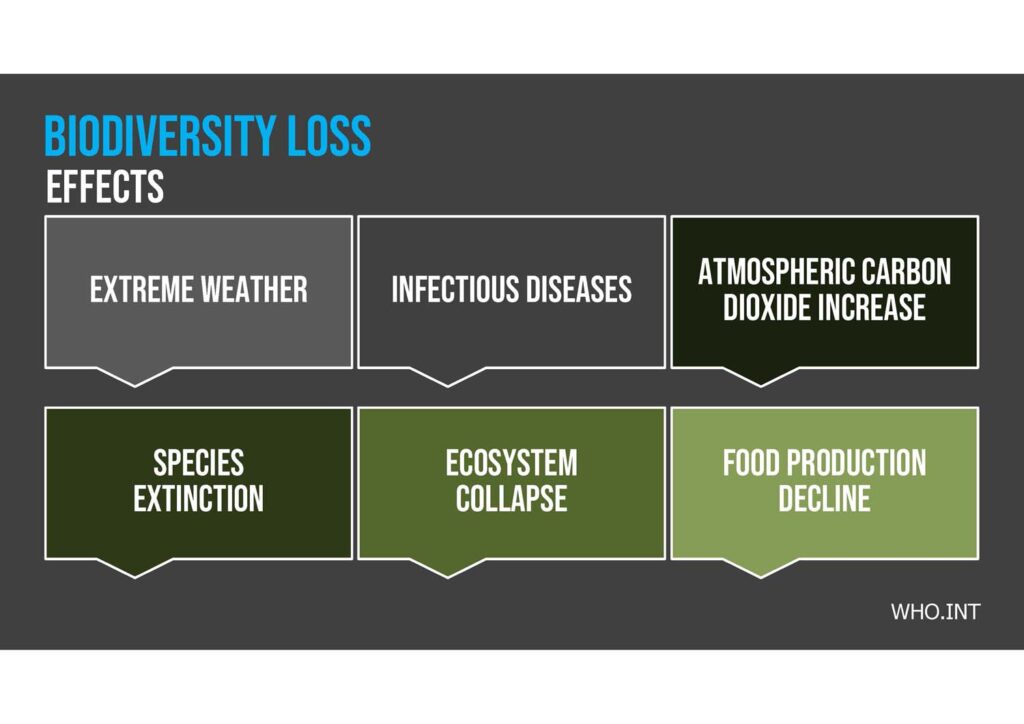
The **Biodiversity Crisis** looms large, driven by human activities such as deforestation, pollution, climate change, and overexploitation of resources. The stakes are high, and the ramifications of our actions ripple through the fabric of our natural world. A crucial starting point is to **understand the value of biodiversity**. It not only supports ecosystems but also provides us with clean air, fresh water, and fertile soil, in addition to cultural identity and recreational opportunities. So how can we, as stewards of this planet, rise to the challenge of preserving this richness for those who will come after us?
First and foremost, **conserving habitats** is imperative. Ecosystems, whether they be forests, wetlands, or grasslands, serve as the enabling environments for myriad species. Protecting existing habitats from degradation and promoting restoration initiatives is essential. Organizations, both small and large, work tirelessly to buy land, implement conservation easements, and rehabilitate ecosystems that have suffered from human impact. Whether engaging with local efforts or supporting global conservation projects, every individual’s contribution is vital.
In tandem with habitat conservation, we must champion the idea of **sustainable practices** in agriculture and fishing. The unsustainable exploitation of our natural resources not only threatens biodiversity but also exacerbates food insecurity. Embracing agroecology can create more resilient and diverse agricultural systems. Practices such as crop rotation, organic farming, and permaculture not only restore soil health but also foster habitats for various species. Likewise, sustainable fishing practices ensure that aquatic populations remain robust, allowing marine ecosystems to thrive.
Another significant avenue for fostering biodiversity is through **urban planning** that prioritizes green spaces. As urban areas expand, they often encroach upon natural landscapes. Thoughtful planning can integrate biodiversity into cities, ensuring that parks, community gardens, and green rooftops provide refuge for urban wildlife. Advocating for policies that create and maintain these green areas can mitigate habitat loss. Imagine a skyline adorned not only with buildings but also with flourishing plants and wildlife—such a vision is entirely possible with dedication and foresight.
**Climate change** presents one of the most formidable challenges to biodiversity. Rising temperatures, erratic weather patterns, and shifting ecosystems can lead to the decline of many species. Advocacy for robust climate policies at local, national, and international levels is crucial. Supporting renewable energy initiatives, reducing carbon footprints, and encouraging sustainable modes of transportation are actions that everyone can partake in. By outmaneuvering climate change, we protect the fragile balances within ecosystems that allow diverse life forms to flourish.
Engagement in **education and advocacy** is equally critical. Raising awareness about the importance of biodiversity can spark collective action. Communities can benefit from workshops and initiatives that underline local species and ecosystems, fostering a sense of stewardship. Schools can integrate environmental studies into their curricula, empowering the younger generation to become fervent protectors of the environment. By nurturing a culture of respect and understanding towards nature, we cultivate lifelong advocates for biodiversity.
In this digital age, **technology and innovation** must also play a role in our conservation strategies. From using drones to monitor wildlife populations to employing data analytics for tracking poaching activities, technological advancements can empower conservationists and enhance fieldwork efficiency. Citizen science platforms enable individuals to contribute to research and data collection. Every observation counts, and when combined, this collective effort can provide crucial insights that drive meaningful change.
While individuals and organizations work toward protecting biodiversity, it is imperative to foster partnerships that bridge gaps between the public, private, and nonprofit sectors. Collaborative initiatives can amplify efforts, pooling resources and expertise. Engaging with local businesses to promote sustainability not only enhances community resilience but also demonstrates a commitment to preserving local biodiversity.
Another important challenge to confront is the **invasive species** that threaten native ecosystems. Initiatives to control and manage invasive species while restoring native flora and fauna are essential. Educating the public about the risks associated with non-native species and promoting responsible gardening and pet ownership practices can mitigate the introduction of potential threats to local biodiversity.
Finally, we must champion **legislation that protects biodiversity** at all levels of governance. Strong environmental laws are fundamental to conserving vast areas of habitat and defending endangered species. Supporting legislative efforts aimed at promoting conservation and sustainable resource management can help build a robust framework for long-term preservation of biodiversity.
In conclusion, protecting biodiversity is as much a personal responsibility as it is a collective one. The challenge is formidable, yet the path forward is illuminated by the myriad possibilities each of us has to effect change. By understanding our role in the grand ecological narrative, advocating for thoughtful practices, and taking decisive action, we can preserve the diverse tapestry of life on our planet. It is our obligation to ensure that future generations are not merely echoes of our mistakes but custodians of a thriving, biodiverse Earth.









Leave a Comment