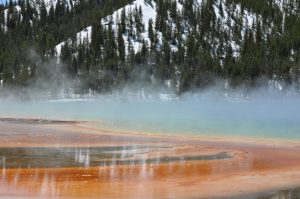
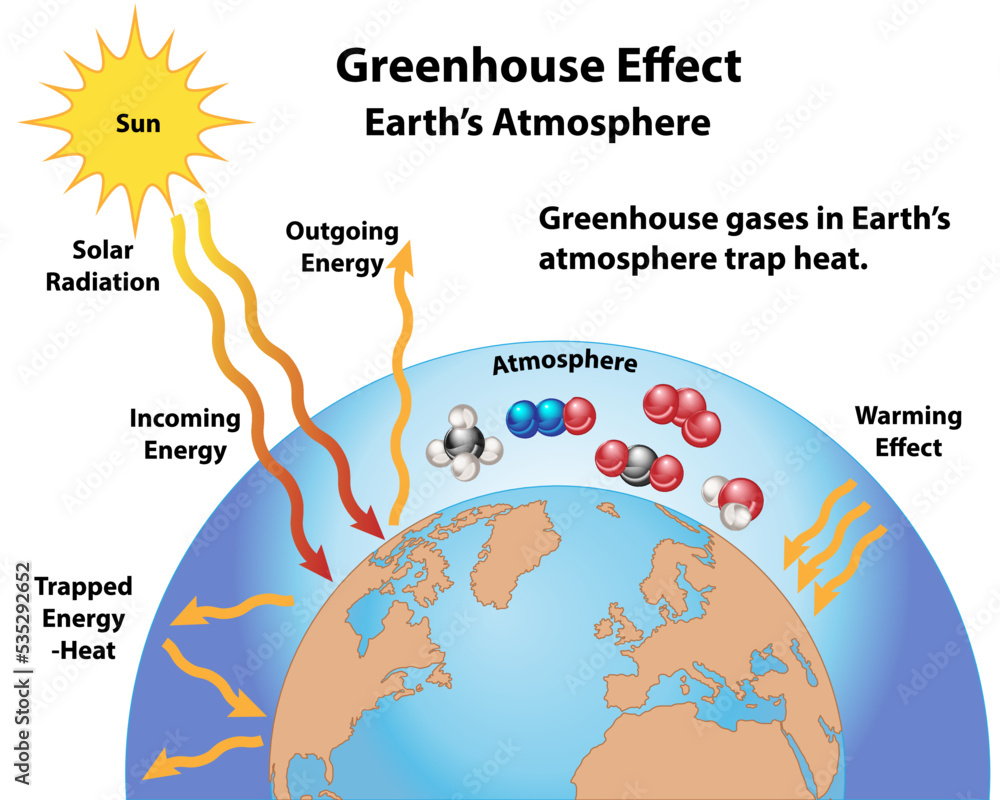
Water vapor is an integral yet underappreciated component of Earth’s atmosphere, playing a critical role in the greenhouse effect. As the most abundant greenhouse gas, its influence extends beyond simple warming; it is a dynamic agent of climate regulation that affects myriad processes both locally and globally. Understanding how water vapor strengthens the greenhouse effect necessitates a deep dive into its properties, role in the climate system, and interactions with other greenhouse gases.
The greenhouse effect, a phenomenon that allows life as we know it to flourish, relies on certain gases trapping heat in the atmosphere. While carbon dioxide and methane receive significant attention in discussions about climate change, water vapor’s influence is profound and multifaceted. It is essential to grasp that water vapor is not emitted directly by human activities like CO2; rather, it is a feedback mechanism that amplifies warming initiated by other greenhouse gases.
Initially, let’s examine the nature of water vapor. As a vapor, water exists in a gaseous state, interacting harmoniously with the liquid and solid phases of water that make up our planet’s hydrosphere. The ability of water to absorb infrared radiation is paramount; it is capable of soaking up heat that Earth emits, thus preventing it from escaping back into space. In simple terms, every time the Earth warms, the atmosphere can hold more water vapor, which subsequently enhances the greenhouse effect through additional heat absorption.
As the climate warms, a process known as positive feedback emerges. Warmer air can hold more moisture, leading to an increase in water vapor levels. This cycle perpetuates a warming trend—a quintessential example of feedback loops at work in Earth’s climate system. As this process unfolds, the atmosphere grows denser with water vapor, leading to heightened temperatures and altered weather patterns. The effects can already be observed: more intense storms, prolonged droughts, and shifting precipitation patterns all hint at the escalation of this phenomenon.
It is worth noting that the implications of increased water vapor extend beyond temperature transformation. The interplay between water vapor and cloud formation is intricate and significant. Clouds, both a product of and contributor to atmospheric dynamics, have dual roles. On one hand, they reflect sunlight, contributing to cooling, while on the other, they act as insulators, trapping heat beneath them. The net effect of clouds is contingent upon their type, altitude, and coverage, making cloud-related feedback loops complex and challenging to model accurately.
Moreover, coastal ecosystems, particularly mangroves and marshlands, offer fascinating insights into how increasing water vapor impacts local climates and habitats. These areas are not only vital carbon sinks but also buffer zones against storms and flooding. The elevation of water vapor can lead to heightened humidity levels, influencing local biodiversity and possibly leading to shifts in species distribution as organisms adapt—or struggle to adapt—to their changing environment.
The narrative of water vapor’s contribution to the greenhouse effect cannot be complete without acknowledging its intricate relationship with anthropogenic activity. Human-induced climate change has accelerated the frequency and intensity of heatwaves, which simultaneously elevate evaporation rates from oceans, lakes, and rivers. This leads to a progressive rise in water vapor, further amplifying the greenhouse effect fueled by other emissions. The question arises: at what point does this self-reinforcing cycle become untenable? As science endeavors to answer this inquiry, it becomes increasingly clear that understanding water vapor is pivotal in predicting future climate scenarios.
Furthermore, the interconnectivity of water vapor with other greenhouse gases illustrates a profound complexity. For instance, while methane is significantly more effective than CO2 in trapping heat, it is water vapor that often determines methane’s atmospheric lifetime through photochemical reactions. As water vapor levels rise, the breakdown process of methane accelerates, leading to a precarious balancing act that underscores the intricacies of our planet’s climate system.
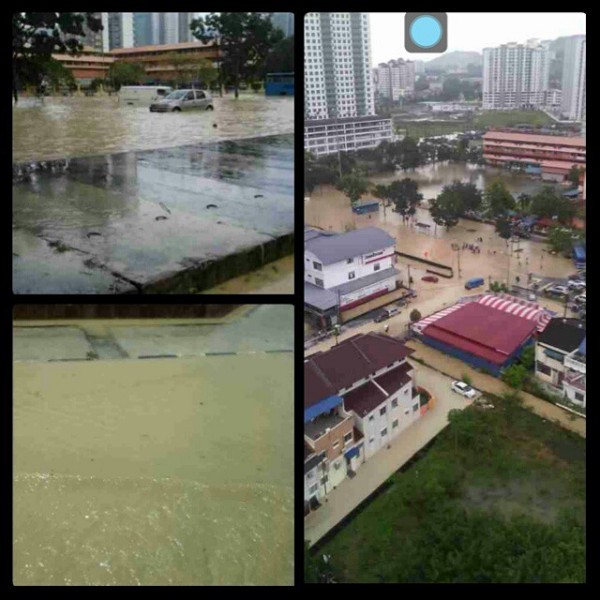
One cannot overlook the socio-economic ramifications of a changing climate driven in part by water vapor dynamics. The implications resonate across all sectors, from agriculture and forestry to urban development and public health. Farmers grapple with shifting growing seasons and unpredictable weather, whereas cities must rethink infrastructure resilience in the face of increased flooding events. A fundamental paradigm shift is necessary—communities must recognize water vapor’s silent but significant role in climate intricacies to adapt effectively.
In contemplating the vast ramifications of water vapor’s role in the greenhouse effect, it is essential to encourage a narrative that champions awareness and understanding. As society grapples with the urgency of climate action, recognizing water vapor not merely as a consequence but as a crucial player in greenhouse dynamics is vital. Engaging in informed dialogue about its implications will foster a more nuanced public understanding of climate change.
Thus, we stand at a juncture where a paradigm shift in perspective is paramount. Water vapor, while often overshadowed by the spotlight on man-made emissions, emerges as a silent sentinel in the stories of climate change—a driver of both transformation and challenge. As individuals, communities, and nations, we must cultivate a deeper understanding of this ubiquitous gas, embracing its complexities and acknowledging its power to shape a sustainable future.
In conclusion, as curiosity about climate mechanisms deepens, so too does the necessity to engage with often-overlooked elements such as water vapor. This exploration promises not only to enrich our understanding but also to inspire collective action toward climate resilience. With each passing year, the narrative surrounding water vapor strengthens, asserting its place in the lexicon of climate science, reminding us that every molecule plays a role in the intricate tapestry of our planet’s climate system.






Leave a Comment