Climate change stands as one of the most formidable crises of our era, with its roots deeply intertwined with the greenhouse effect. An expansive and intricate narrative unfolds when we delve into the mechanics of this phenomenon, illuminating how it intensifies climate change over time. Understanding these processes is crucial for grasping the urgency of our environmental woe.
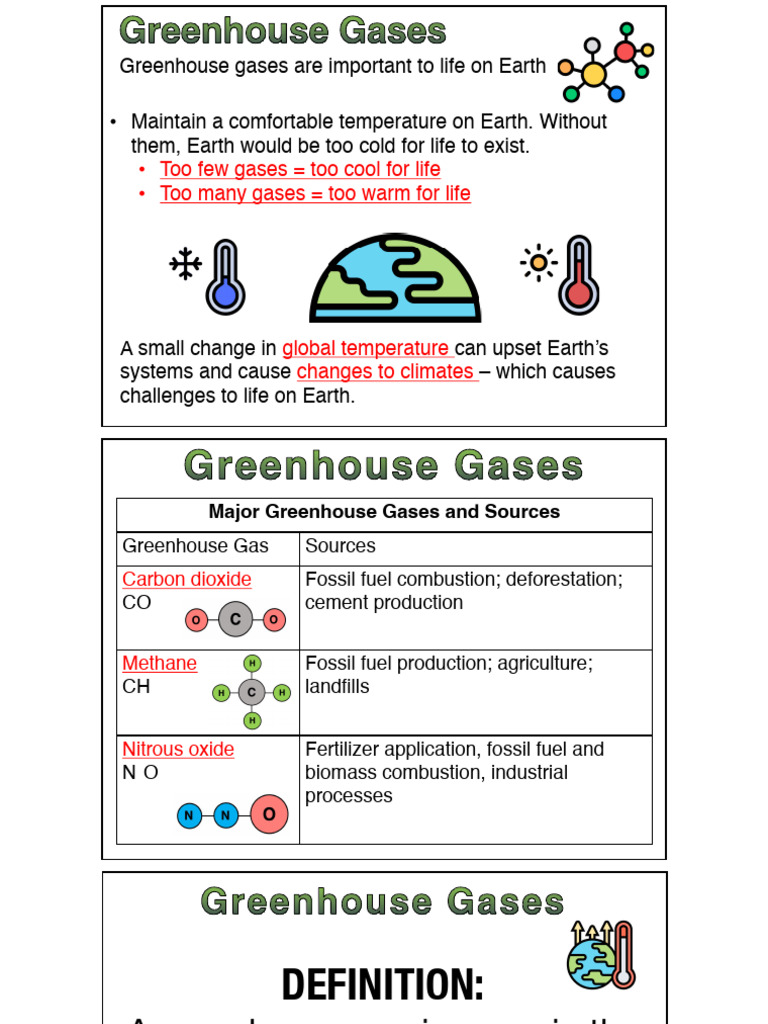
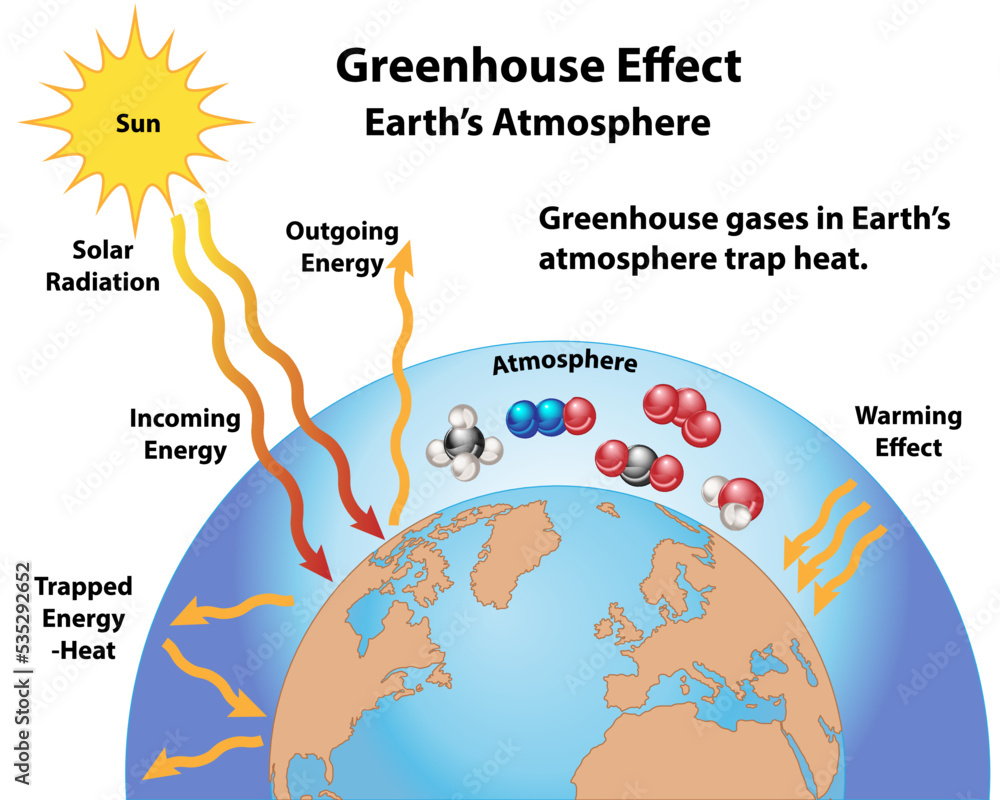
The greenhouse effect itself is a natural occurrence that has allowed Earth to sustain life for millennia. Solar radiation, when absorbed by the planet’s surface, warms it. This warmth is then radiated back into the atmosphere in the form of infrared radiation. Greenhouse gases (GHGs)—including carbon dioxide (CO₂), methane (CH₄), nitrous oxide (N₂O), and water vapor—trap some of this heat, creating a thermal blanket around the planet. Without this effect, Earth’s average temperature would plummet, rendering it inhospitable.
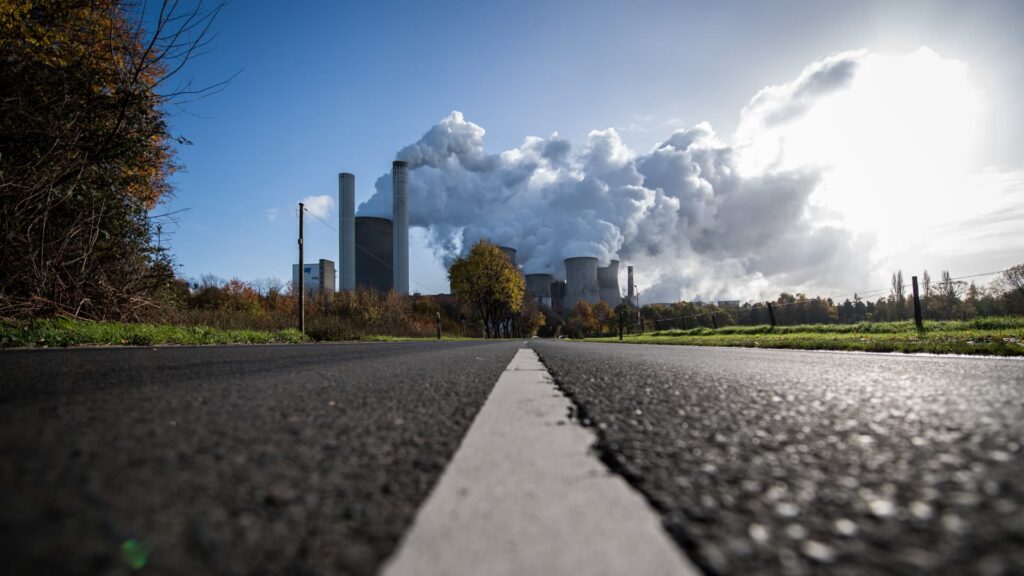
However, human activities have significantly disrupted this delicate equilibrium. The establishment of industrial societies has led to a dramatic increase in GHG emissions. Fossil fuel combustion, deforestation, and extensive agriculture have released unprecedented quantities of CO₂ into the atmosphere. This influx of GHGs enhances the greenhouse effect, causing more heat to be trapped, which leads to a series of cascading consequences.
Consider the following: the atmospheric concentration of CO₂ has surged from about 280 parts per million (ppm) before the Industrial Revolution to over 410 ppm today. This escalated concentration is not merely a statistical anomaly but a stark indication of human impact. Higher CO₂ levels correlate directly with rising global temperatures. But it doesn’t stop there. The interconnected nature of climate systems means that warm air does not act uniformly; it alters weather patterns, leads to extreme weather events, and affects seasonal cycles.
One of the critical mechanisms through which the greenhouse effect intensifies climate change is the phenomenon of feedback loops. As global temperatures rise, certain processes exacerbate warming rather than mitigate it. For instance, warming leads to the melting of polar ice, which reduces the Earth’s albedo—its ability to reflect sunlight. Darker ocean waters and land now absorb more heat, further increasing temperatures. This dynamic not only perpetuates warming but accelerates it beyond initial projections, creating an urgent need for re-evaluation of climate models.
Another compelling example is found in permafrost. The thawing of these frozen grounds releases CH₄, a gas with a greenhouse effect significantly more potent than CO₂ over a short-term frame. As global temperatures reach tipping points, these feedbacks create a compounding cycle of warming. Each increment in temperature can unleash further emissions, producing a scenario that is increasingly difficult to reverse.
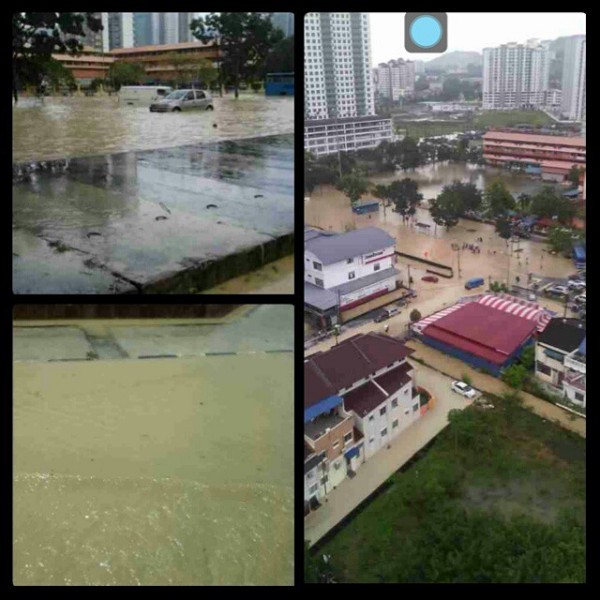
The ramifications of an intensified greenhouse effect manifest visibly through the lens of extreme weather patterns. Rising temperatures contribute to more intense and frequent heatwaves, hurricanes, and droughts. This dynamic translates to drought-stricken regions facing devastating agricultural losses, while others experience torrential rains leading to destructive flooding. Such extreme events not only threaten biodiversity but also disrupt food security, economic stability, and human health globally.
Beyond immediate physical changes, the socio-political implications of climate change are profound. Displaced populations due to rising sea levels or extreme weather conditions could ignite geopolitical tensions. Nations may find themselves at odds over dwindling water resources or arable land. Thus, the greenhouse effect does not merely change the climate; it alters the very fabric of human society.
As we consider the road ahead, it is imperative to foster a shift in perspective on our approach to the environmental crisis. Viewing climate change through the lens of interconnectedness emphasizes the importance of collective action across various sectors. This means not only addressing industrial practices but also fostering sustainable agricultural methods, enhancing energy efficiency, and investing in renewable resources.
The possibilities for mitigation are as diverse as the challenges we face. Innovations in technology offer glimmers of hope. Carbon capture and storage (CCS) technologies, for instance, aim to remove CO₂ from the atmosphere and store it safely underground. Renewable energy sources like solar, wind, and hydro hold the potential to replace fossil fuels, thus reducing further emissions. Implementation of these strategies would require unprecedented global cooperation and commitment.
In the realm of individual agency, it’s essential to recognize the power of grassroots movements. Community-led initiatives have the capability to effect profound change at local levels, fostering sustainability in daily practices. Be it through the reduction of single-use plastics, the promotion of public transportation, or urban reforestation, these efforts contribute to addressing the cumulative impact of the greenhouse effect.
This ongoing narrative of climate change necessitates a vigilant and responsive global populace. The challenge is not insurmountable, but it does demand an altered mindset—one that acknowledges our interconnectedness and fosters a relentless pursuit of sustainability. As the ramifications of the greenhouse effect unfold, so too must our commitment to combatting it, ensuring that future generations inherit a planet capable of sustaining life as we know it.
Ultimately, the greenhouse effect, while inherently a natural process, underscores the fragility of our climate system and the profound impact of human activity. As we grapple with its intensification, we are called to action—to think critically, to innovate boldly, and to work collaboratively. Only then can we hope to safeguard our planet and preserve its beauty for generations to come.






Leave a Comment