Imagine walking through a vibrant forest where the air is filled with the fragrant scent of wildflowers, and the harmonious symphony of birds is your serene soundtrack. Now, picture that same forest shrouded in a haze of pollution, silence echoing where the melodies of nature once flourished. This stark contrast begs the question: how does pollution gradually erase the rich tapestry of biodiversity we hold dear?
The relationship between pollution and biodiversity is intricate and multifaceted, manifesting in various ways that, while sometimes subtle, ultimately lead to dramatic consequences for ecosystems worldwide. The gradual but inevitable destruction caused by pollutants is a tale of resilience and fragility narrated through the lives of countless organisms.
1. Understanding Pollution: A Multilayered Menace
Pollution, in all its forms—be it air, water, or soil—serves as a formidable antagonist in the story of biodiversity. It disseminates chemical contaminants and physical waste that disrupt natural systems. Air pollution, laden with particulates and toxins, infiltrates the lungs of animals, plants, and humans alike, leading to diminished health and vitality.
Furthermore, water bodies become repositories for industrial runoff, agricultural pesticides, and plastics, transforming life-sustaining ecosystems into toxic wastelands. Soil pollution compounds these challenges, as harmful substances seep into the ground, affecting agriculture and the organisms that dwell within the earth.
2. The Direct Impact on Species: A Grim Reality
Species, each playing a unique role in their habitats, face existential threats due to pollution. The amphibians, known for their permeable skin, are particularly susceptible. Pollutants can disrupt their delicate endocrine systems, leading to reproductive failures and population declines. Similarly, marine life grapples with the ravages of oceanic pollution, notably in the form of microplastics, which perchance confuse them into ingesting harmful materials.
These chemical intrusions not only annihilate individual species but also create cascading effects throughout their ecosystems. The loss of one keystone species can lead to a domino effect, destabilizing predator-prey relationships and ultimately dismantling the ecological balance.
3. Indirect Consequences: Disruption of Habitats
Beyond direct attacks on species, pollution threatens the very habitats that support biodiversity. For instance, eutrophication—a phenomenon driven by nutrient runoff—promotes algal blooms in aquatic environments. These blooms deplete oxygen levels, leading to hypoxic conditions that cause fish die-offs and the obliteration of underwater ecosystems.
Simultaneously, acid rain, a byproduct of air pollution, can leach vital nutrients from soil, impacting plant health and altering habitat structures. This disruption not only affects flora but also the multitude of fauna that depend on these plants for shelter and sustenance.
4. The Role of Climate Change: An Intertwined Narrative
As pollution continues to threaten biodiversity, it intertwines with the burgeoning crisis of climate change. Greenhouse gas emissions—one of the most pervasive forms of pollution—alter global temperature and precipitation patterns, leading to habitat loss and shifting species distributions. This coupling of pollution and climate change creates a feedback loop that exacerbates threats to biodiversity.
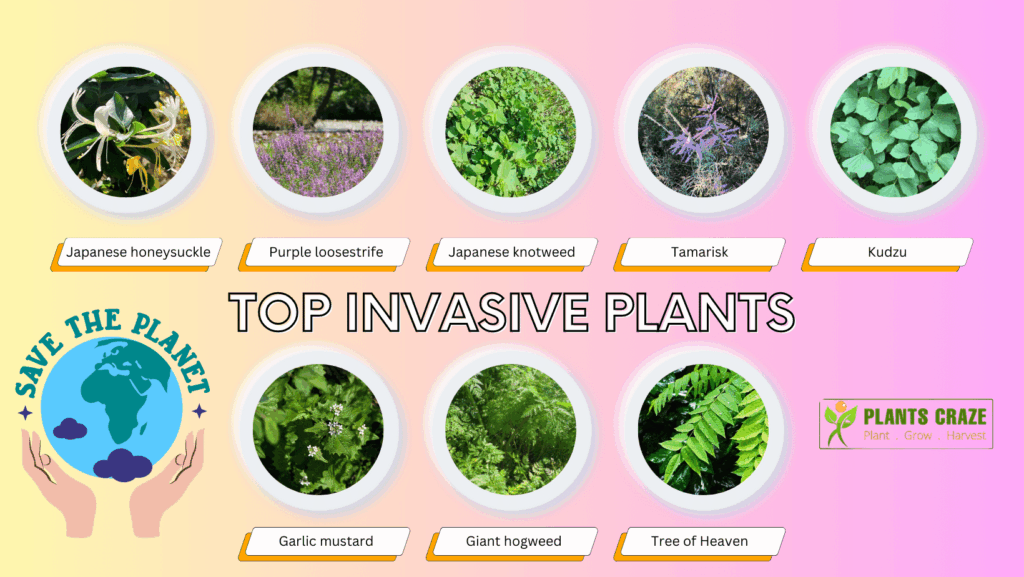
For instance, warmer temperatures can facilitate the spread of invasive species, which often outcompete native flora and fauna, further undermining ecosystems. The very resilience of these systems is tested, as changes in climate can outpace the adaptive capabilities of many species.
5. Human-Centric Implications: Our Role in the Ecosystem
The implications of pollution on biodiversity mirror back to human societies. Ecosystems provide invaluable services such as clean air and water, fertile soil, and disease regulation. The degradation of biodiversity threatens these services, with potential repercussions for food security, health, and overall quality of life.
Moreover, the loss of biodiversity can hinder scientific advancements and medicinal discoveries. Many pharmaceutical compounds are derived from natural products, emphasizing the significance of preserving biodiversity as a reservoir of potential cures and innovations.
6. Solutions and the Path Forward: A Call to Action
Addressing the challenge pollution poses to biodiversity requires a concerted effort at multiple levels—from individual actions to global policies. Clean energy alternatives to fossil fuels, sustainable agricultural practices, and stringent regulatory measures against industrial waste can mitigate some of the pollution’s impacts.
Community-based conservation initiatives and education are paramount in fostering appreciation for local biodiversity. Engaging individuals to actively maintain their environments will empower societal shifts toward sustainability.
7. Conclusion: The Fragility of our World
In closing, the gradual destruction of biodiversity through pollution presents not just an environmental crisis but a clarion call for change. It begs us to consider a playful yet serious challenge: What can each of us do today to protect the world’s biodiversity? Through conscious decisions and collective action, we can stem the tide of pollution, preserving not merely the myriad species that share our planet, but the very essence of nature itself. Let us rise to the challenge and become stewards of the fragile world we inhabit.








Leave a Comment