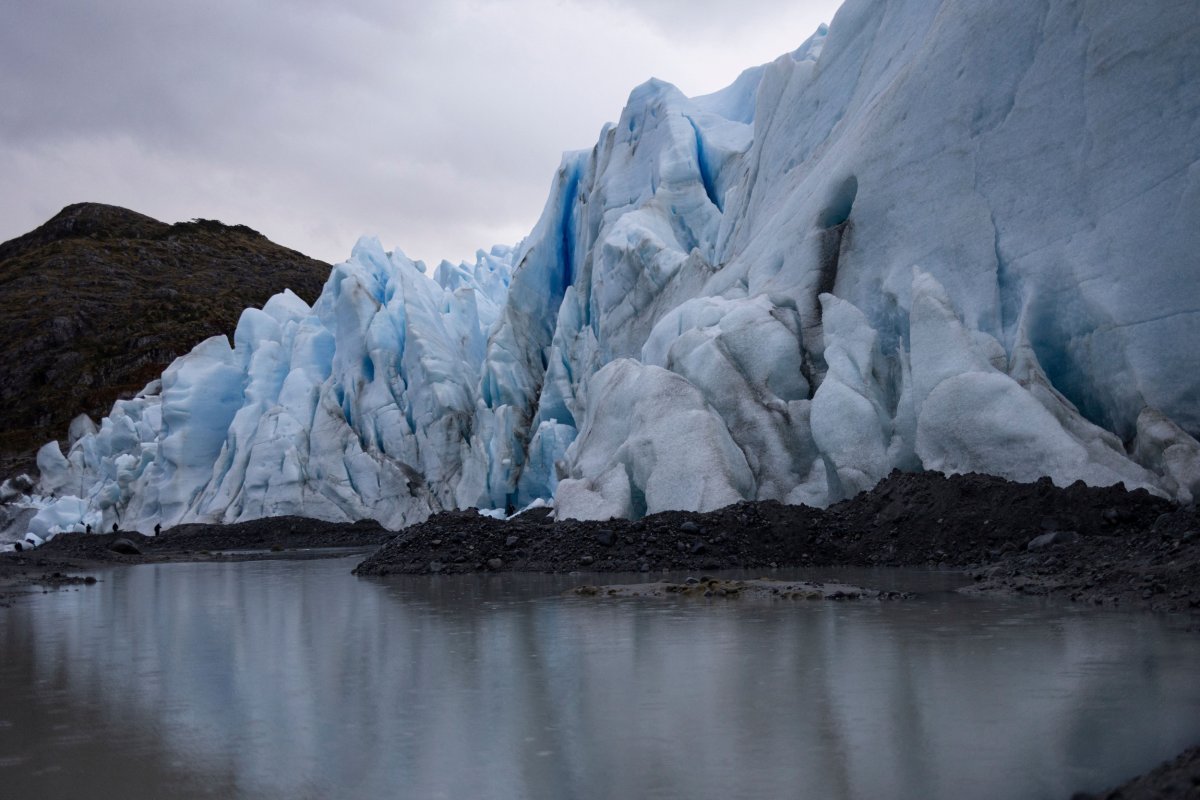
As the world grapples with the reality of climate change, a pivotal question surfaces: how much of the observed sea level rise can be attributed to melting glaciers versus the expansive ice sheets of Greenland and Antarctica? This inquiry is not merely academic; it holds profound implications for coastal communities, ecosystems, and future policy decisions. Let us embark on an exploration of the nuances involved in deciphering the intricate dance between glacial melt and ice sheet dynamics.
The Earth is adorned with glaciers and ice sheets, both of which serve as magnificent indicators of our planet’s health. Glaciers are typically smaller and found all over the globe, from the majestic ranges of the Himalayas to the rugged landscapes of Patagonia. In contrast, ice sheets are colossal bodies of ice that blanket specific regions, notably Greenland and Antarctica. Understanding the proportions of sea level rise attributed to each of these frozen giants will illuminate the ongoing climatic crisis.
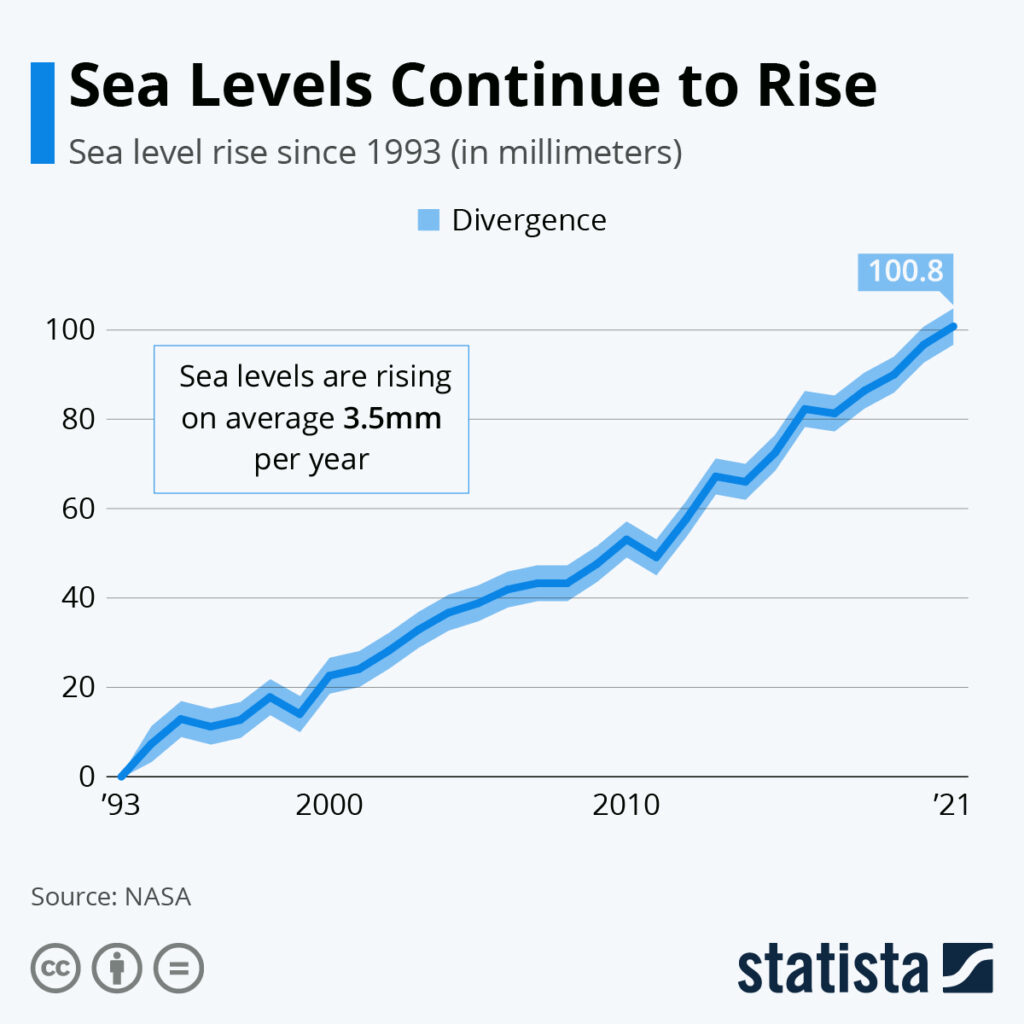
To grasp the contribution of glaciers to sea level rise, it is essential to recognize their characteristics. Glaciers are dynamic entities, flowing rivers of ice formed from snow compacted over centuries. Their melt contributes to sea level rise in a manner distinct from ice sheets. On average, glaciers worldwide contribute around 25% to the annual sea level rise. Although this figure may seem modest, it equates to a staggering amount of water—millions of tons each year. This melting is influenced by multiple factors, including rising temperatures and changes in precipitation patterns.
In contrast, ice sheets are behemoths, holding about 60% of the world’s freshwater. When ice sheets undergo rapid melting or disintegration, the impact on sea level rise is markedly pronounced. Recent studies suggest that ice sheets account for approximately 70% of global sea level rise, a figure that underscores their catastrophic potential. The delicate balance between the two types of cryospheric elements illustrates a complex interdependency: as glaciers continue to wane, the burden shifts more heavily onto ice sheets.
Let’s ponder: if every glacier profoundly influences sea levels over time, what happens when these glaciers disappear altogether? Picture a world where the iconic peaks that once graced our Earth have vanished. While this scenario may seem dystopian, it is fast becoming a sobering reality. Along with increased sea level rise, we could witness devastating ramifications for coastal cities, influencing everything from infrastructure security to natural habitats.
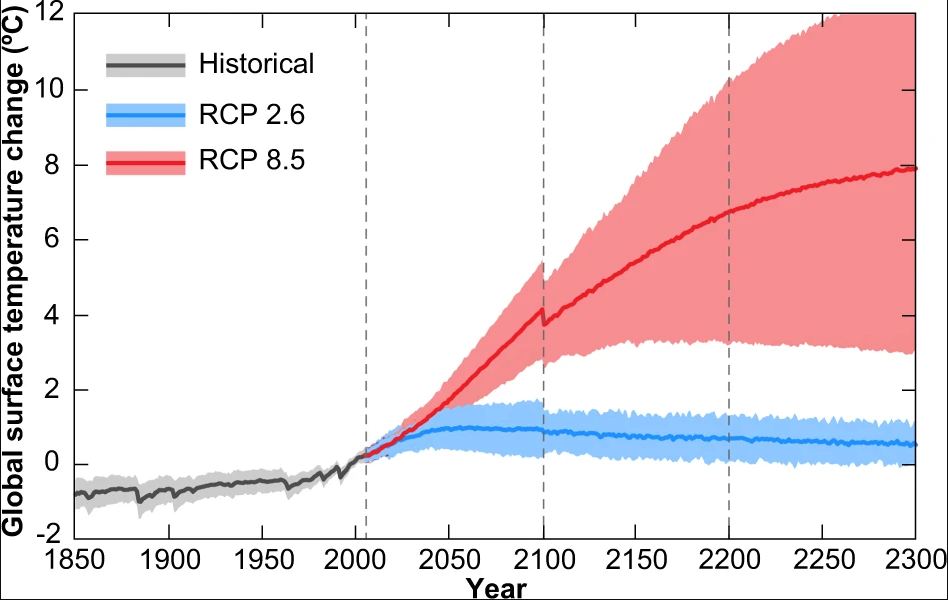
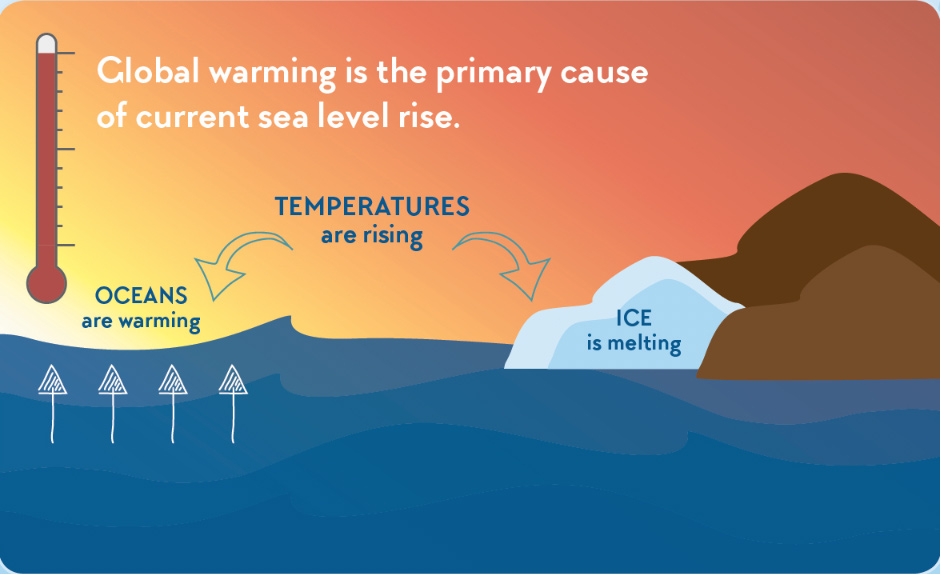
So what prompts the alarming rate of ice loss? The culprits predominantly include climate warming—both atmospheric and oceanic. As temperatures elevate, the rate of glacial melt accelerates, and glaciers that once served as reservoirs of freshwater are rapidly depleting. The transition from a stable glacier existence to a dynamic state of mass loss can be likened to a precarious balancing act, where any nudge—whether from human-induced emissions or natural variability—can tip the scales toward catastrophic outcomes.
Moreover, the interaction between glaciers and ice sheets isn’t linear but circular. The melting glaciers can contribute additional water into the surrounding oceans, exacerbating the weakening of ice sheets. This interaction poses a formidable challenge to our predictive models, complicating our understanding of future sea level scenarios. The interconnectivity amongst these frigid bodies presents not only a scientific puzzle but a pressing call to action.
How practically do we quantify the effects? The two primary methods utilized by scientists involve satellite data and ground-based measurements. Satellites provide extensive mappings, allowing us to visualize changes on a global scale. In tandem, localized observations yield crucial insights into specific glacial behavior, enriching the overarching narrative when pooled together.
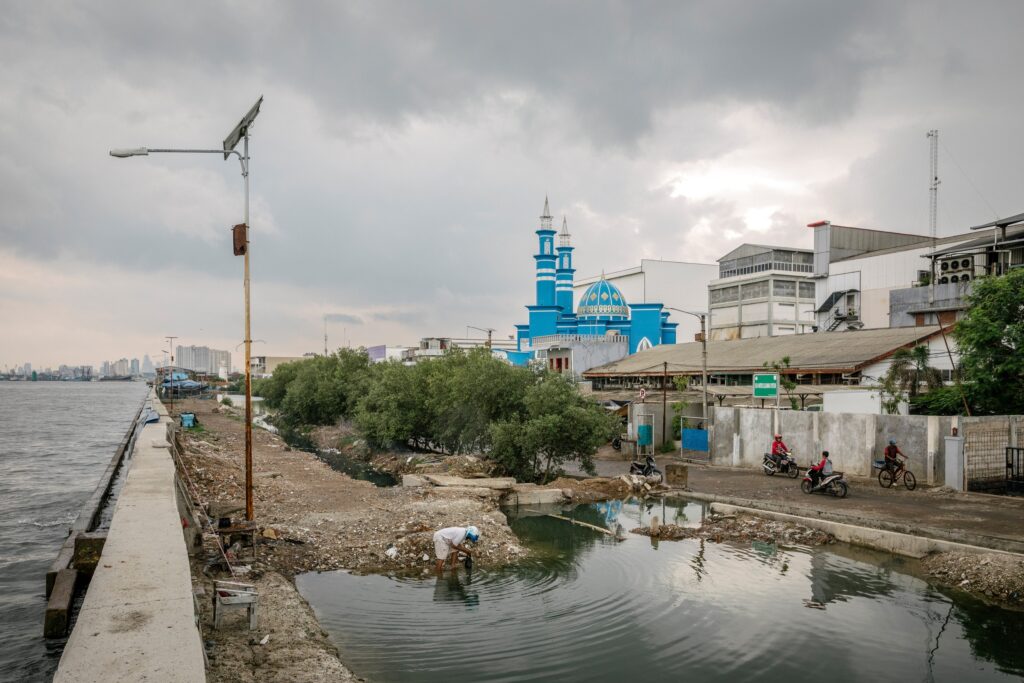
However, comprehending the total impact requires an acute awareness of geographical disparities. Not all regions of the globe experience the same level of sea level rise, nor do they face similar vulnerabilities. Coastal regions—particularly in developing nations—often bear the brunt of these changes: loss of land, saltwater intrusion into freshwater supplies, and the imminent threat of displacement for millions. Debating the contributions of glaciers versus ice sheets, therefore, transcends theoretical discussions—it reverberates in the lives of individuals, families, and entire communities.
This brings us to a crucial juncture: what can be done? The journey towards climate action begins at the most fundamental level—education. As we explore the depths of glaciology and climate science, it is imperative to distill complex narratives into digestible insights for general audiences. Policy decisions at a governmental level must be informed by scientific data, ensuring adaptive strategies are in place to fortify coastal resilience.
Additionally, we must engage in fostering sustainable practices that mitigate human impact on climate. Investing in renewable energy sources, reforestation efforts, and waste reduction initiatives serve not only to combat the primary drivers of climate change but also to forge a collective pathway toward a more sustainable future. This multifaceted approach will be crucial as we collectively confront the looming specter of climate change.
In sum, while glaciers contribute approximately 25% to the current rate of sea level rise, it is imperative to recognize that ice sheets hold the lion’s share of responsibility. Yet, this distinction does not diminish the urgency of addressing glacier melt. The interplay between these frozen sentinels necessitates a comprehensive understanding, as their futures are irrevocably entwined with that of humanity. The time to act is now—together, we can forge pathways to safeguard not only our shores but the world at large.





Leave a Comment