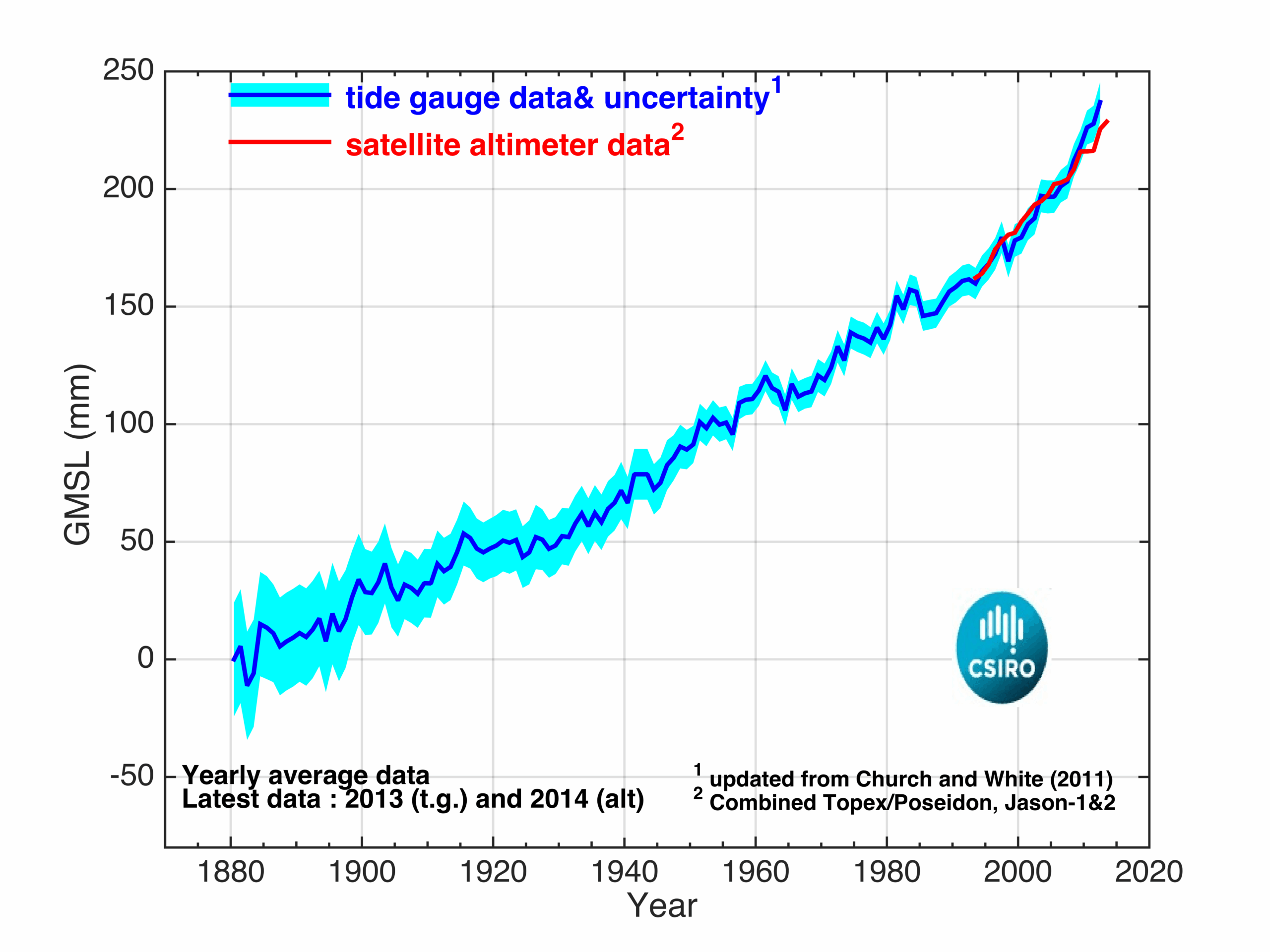
How much have the oceans truly risen since the dawn of the 20th century? As we ponder this question, we invite you into a cerebral exploration of numbers, observations, and the profound implications of rising sea levels. Imagine a world where the shoreline shifts, where coastal cities face existential threats—all wrought by something as nebulous as climate change. Do we, as stewards of this Earth, fully grasp the gravitas of the ocean’s ascent?
The narrative begins in the year 1900. At this time, the global sea level was approximately 1.3 meters lower than it is today. The burgeoning industrial revolution was igniting change across the globe. However, few could have predicted the long-term environmental ramifications of such progress. The oceans, it seems, were silently absorbing the consequences of human activity, experiencing an unrelenting rise.
Fast forward to the present day, and we face stark statistics. Over the course of the past century, sea levels have risen by an alarming average of 20 centimeters (about 8 inches). This figure, while seemingly modest when viewed in isolation, masks a more sinister reality: the rate of acceleration has been unprecedented. Since the mid-20th century, the rate has doubled, and projections indicate this trend may only continue.
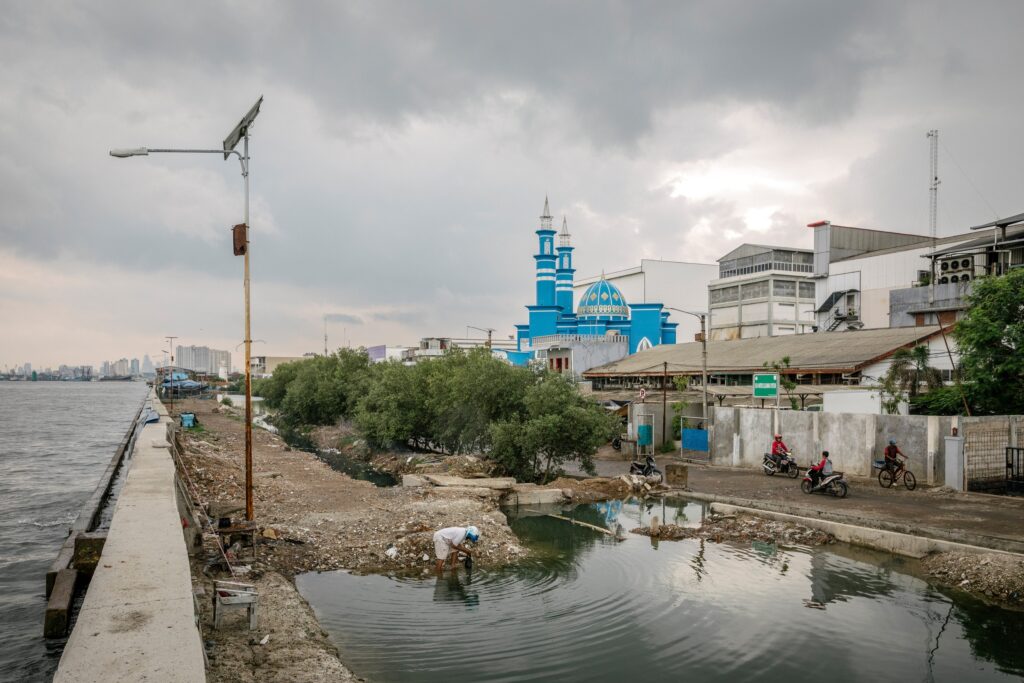
But why does this matter? For many, the oceans serve as a soothing backdrop, an expanse of blue that motivates relaxation. Yet, for millions living in coastal regions, they represent a front line in the battle against climate change—the harbingers of flooding, eroding land, and altered ecosystems. As we delve deeper, let’s explore what this rise truly means.
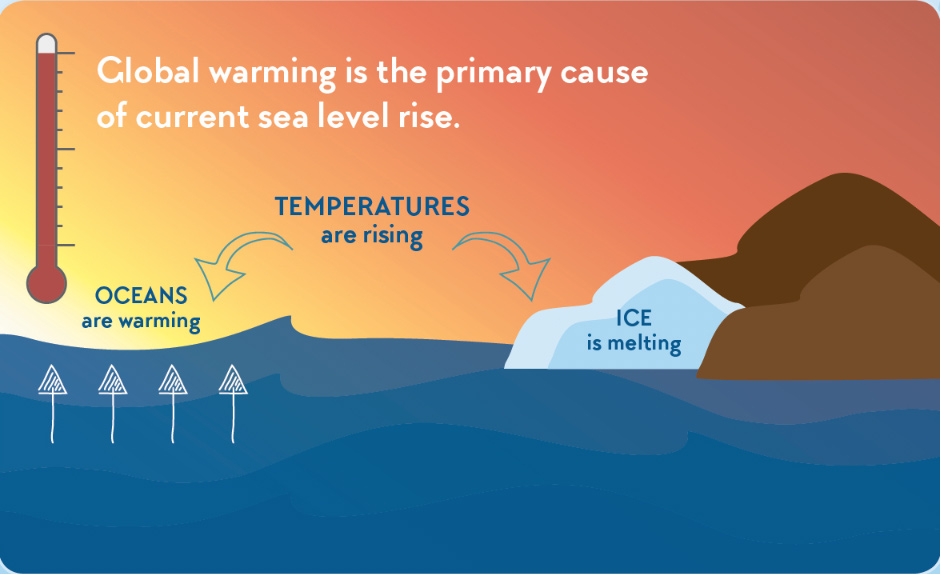
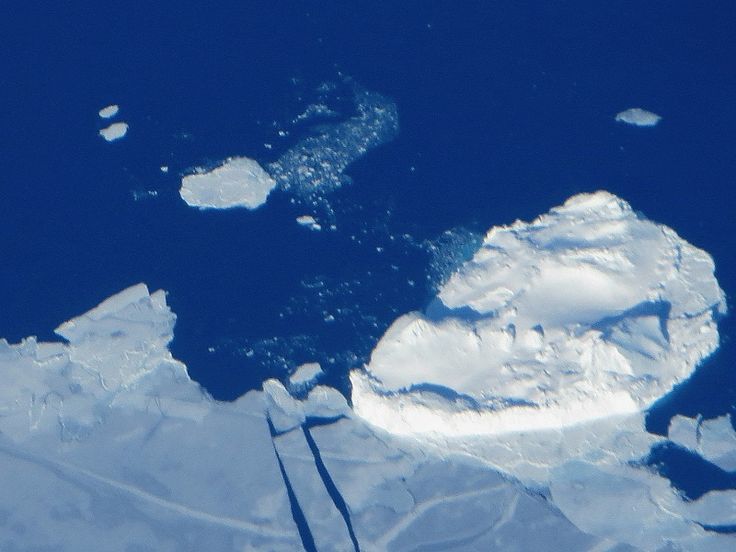
To grasp the implications of sea-level rise, one must consider the causes. Thermal expansion, the phenomenon where water expands as it warms, plays a significant role. With increasing global temperatures, oceans are absorbing heat and swelling like a balloon filled with too much air. Furthermore, the melting of glaciers and polar ice sheets contributes hefty volumes of water into the seas. Both processes stem from anthropogenic causes: fossil fuel combustion, deforestation, and industrial activities.
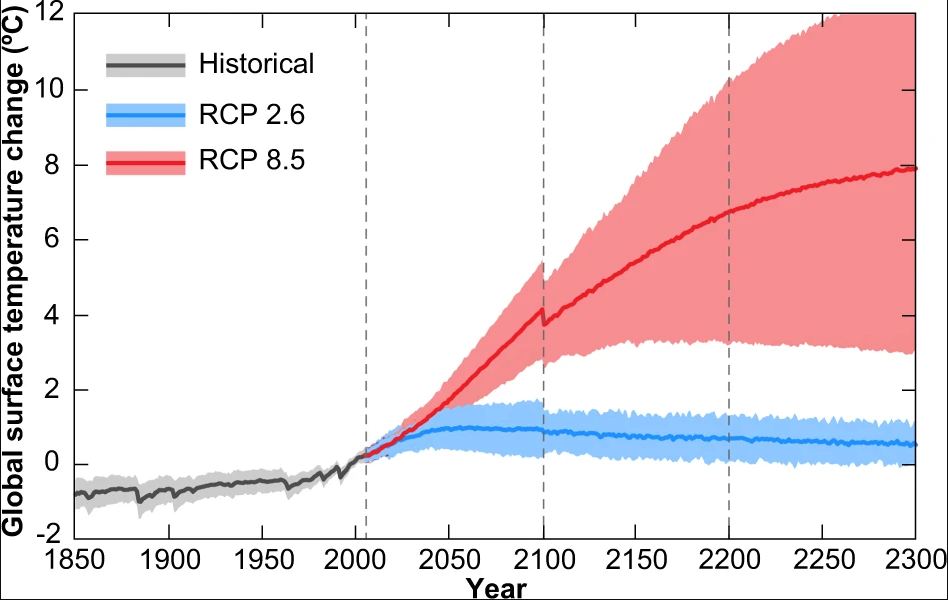
As the earth’s temperature has risen, sea levels have been drawing upon this reality, reflecting our choices. Consider this: the average global temperature has risen by about 1.2 degrees Celsius since the late 19th century. Each fraction of a degree intensifies weather patterns, affects marine biodiversity, and heightens the urgency to address this crisis. Data indicates that if the global temperature continues to climb, the sea level could rise by an additional one to two meters by the year 2100.
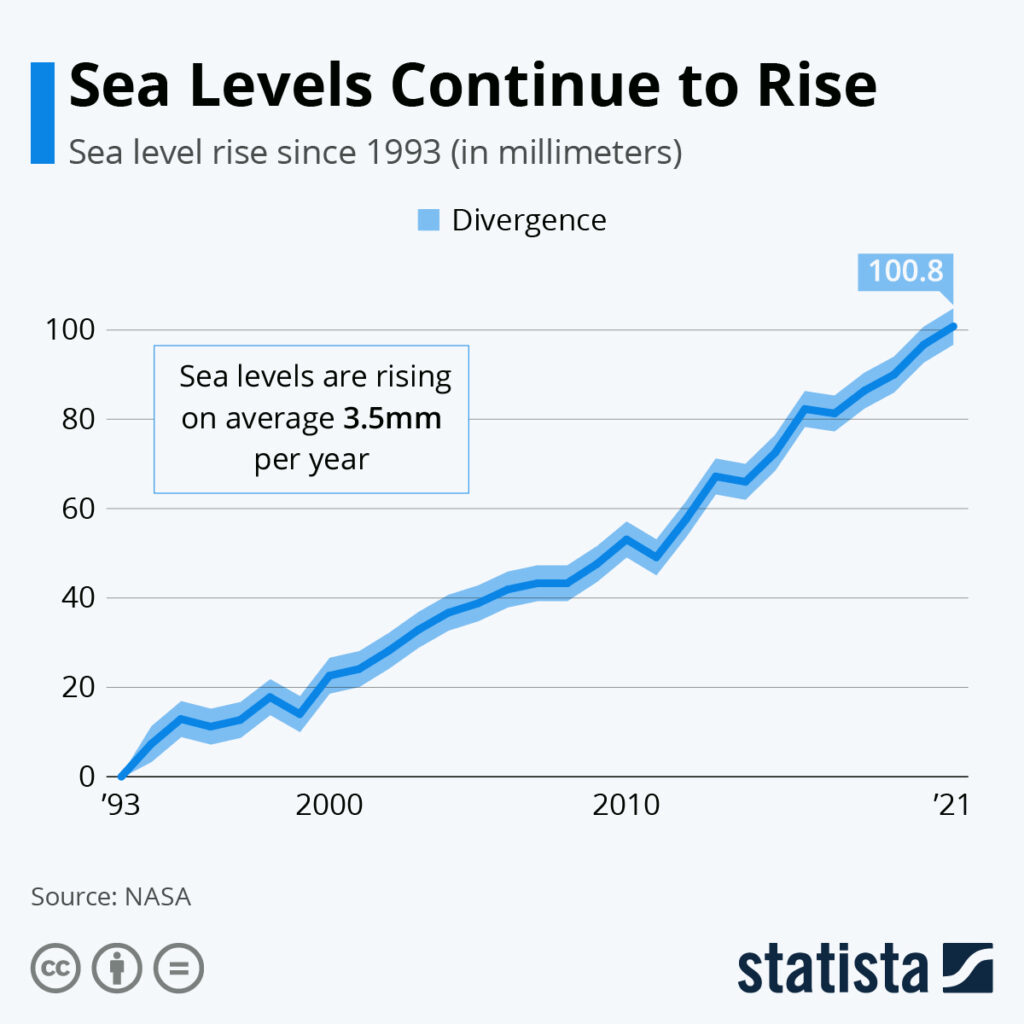
Now, let us paint a vivid picture. Imagine Miami, a city renowned for its streets bustling with life. In 1993, the oceans lapped at its shores, while today, roads often become temporary tributaries during high tide. Similarly, in cities like Venice, where gondolas glide through romantic canals, rising waters threaten the very fabric of this ancient city. The implications tens of millions throughout the globe face are stark; entire nations could vanish beneath the waves.
Let’s play a game of prediction—if the current trajectory remains unchecked, where might we find ourselves in thirty years? Rising sea levels could result in the obliteration of coastal regions, potential displacement of over 200 million individuals, and a ripple effect leading to economic strife. Communities may find themselves grappling with “climate refugees,” individuals forced to abandon their homes in search of safety—an unsettling reality we must confront rather than ignore.
Considering these potential outcomes, it becomes imperative to discuss our response. What can individuals, communities, and governments do to mitigate this crisis? First and foremost, awareness is key. As guardians of the environment, we must press for comprehensive studies, advocating for policies that address climate change and prioritize sustainable living.
Another noble endeavor is active participation in local initiatives aimed at coastal restoration. Healthy mangroves and wetlands act as natural barriers, absorbing excess water and providing vital habitat for marine life. Reforestation and improving energy efficiency can also aid in combating climate change, slowing the relentless warming that drives ocean expansion.
Moreover, global cooperation is essential. The battle against climate change is not confined by geographical boundaries. The Paris Agreement stands as a testament to international resolve—a plan for nations to come together and curb emissions that contribute to sea-level rise. However, real change necessitates more than rhetoric; it requires action, dedication, and a collective sense of urgency.
As we stand at this precipice, it becomes paramount to cultivate environmental stewardship. Imagine a future where communities thrive in harmony with nature, where the oceans rise, but not to the detriment of humanity. What if we could stem the tide? What if our actions today could forge a sustainable tomorrow? The question is not merely academic; it is existential. Our oceans are rising; how will we choose to respond?
In conclusion, the ascension of sea levels since 1900 is profound and multifaceted. With the numbers reflecting a cocktail of science and precaution, what remains is our collective will to protect both our shores and the life within them. The clock is ticking—each minute, each hour, represents an opportunity for change. As you ponder the numbers, consider your role in shaping the legacy we leave behind. Together, we can strive for a climate-safe haven for generations to come.






Leave a Comment