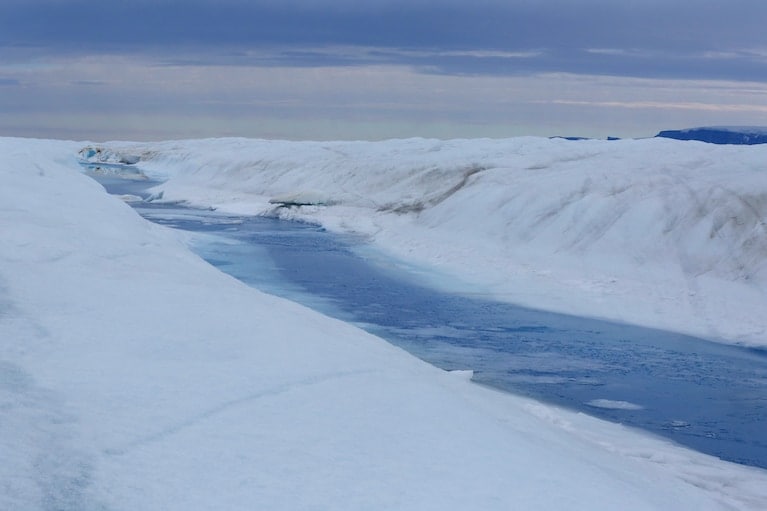
In the last decade, a quiet yet formidable phenomenon has unfolded beneath our very feet—the rise of the oceans. This transformative shift evokes both awe and anxiety, for it signifies more than mere water creeping onto shorelines; it embodies a cataclysmic change in our planet’s climate system. As we grapple with the implications of this rise, it is imperative to delve into the intricacies of how much the oceans have risen in the last ten years and explore the broader narrative that accompanies this alarming trend.
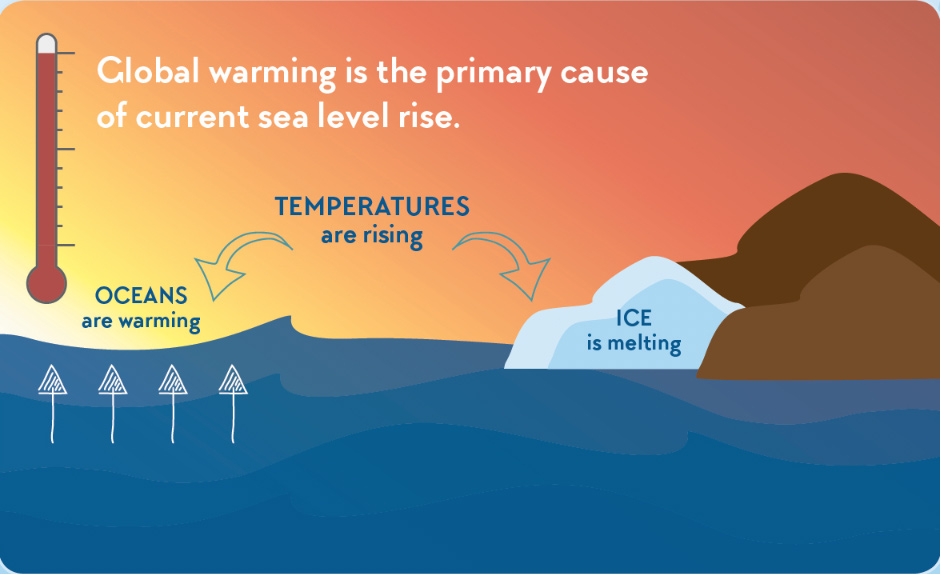
The relentless ascent of sea levels can be attributed to multifaceted factors. Primarily, thermal expansion—a direct consequence of Earth’s warming—has caused seawater to occupy a greater volume as it heats. Additionally, glacial and polar ice melt contributes a significant influx of freshwater, further exacerbating the rise. These elements intertwine to create a complex tapestry of environmental change that is often overlooked.
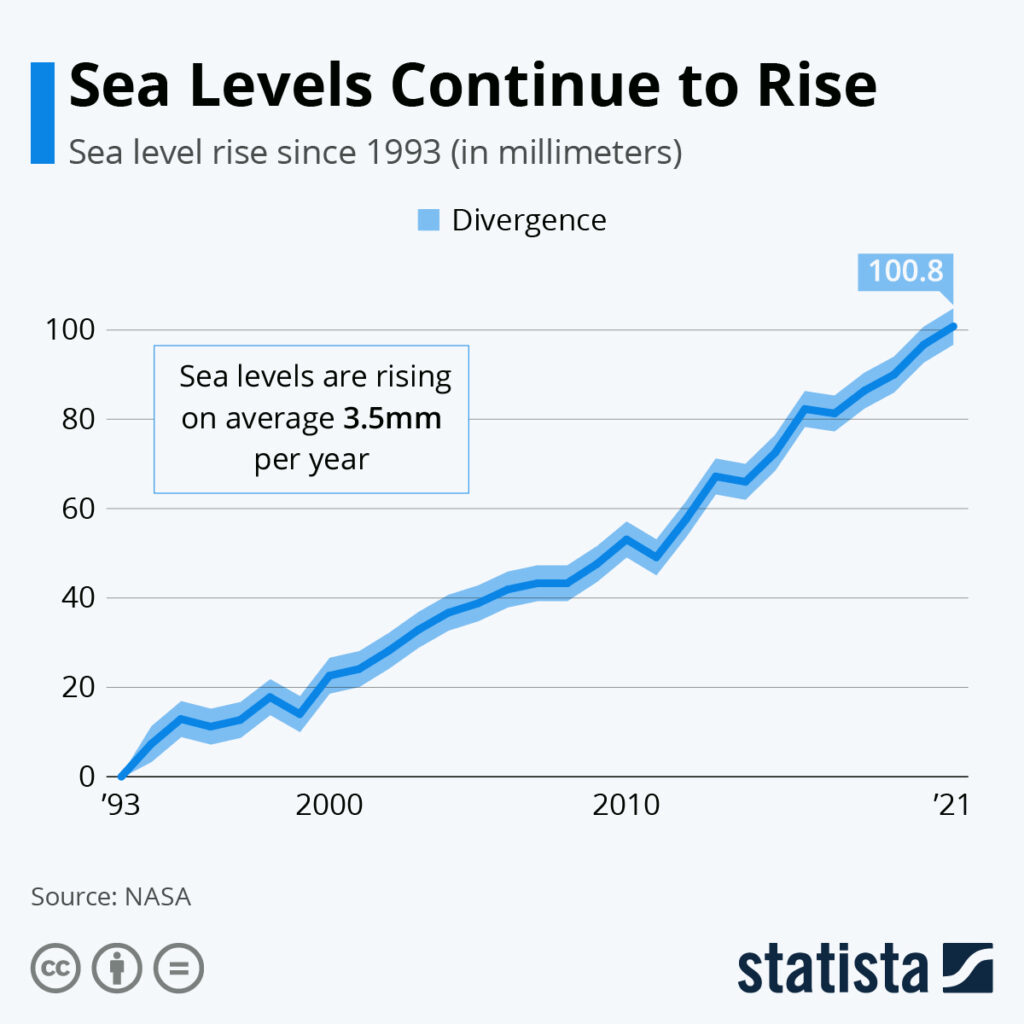
Over the last ten years, global sea levels have risen approximately three inches, or about 7.6 centimeters. While this may seem negligible in the grand scheme, the consequences are far-reaching. In coastal areas, this seemingly minor increase is tantamount to a profound existential threat. Many residents have begun to witness first-hand the impact of encroaching tides, as streets and infrastructure battle against increasingly tumultuous waters.
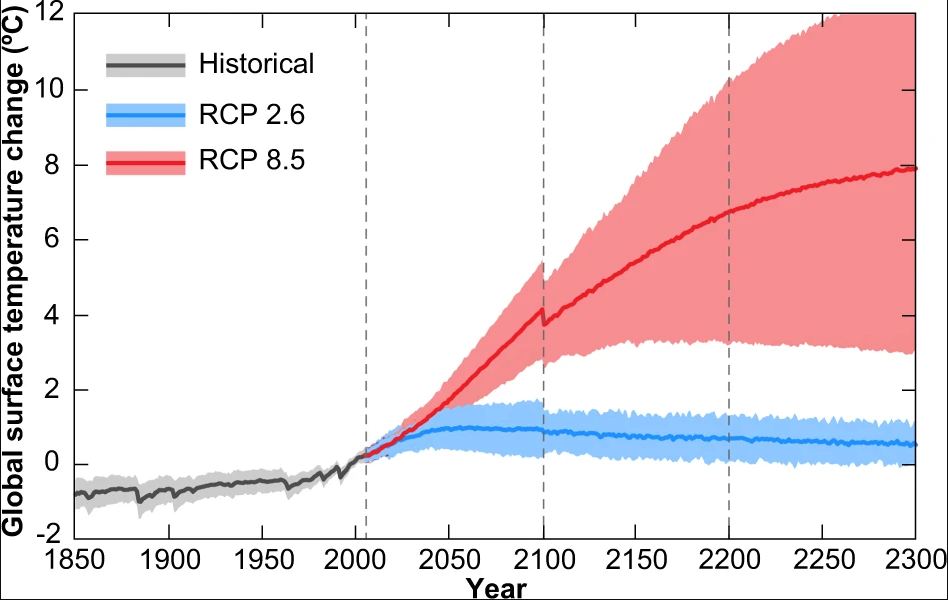
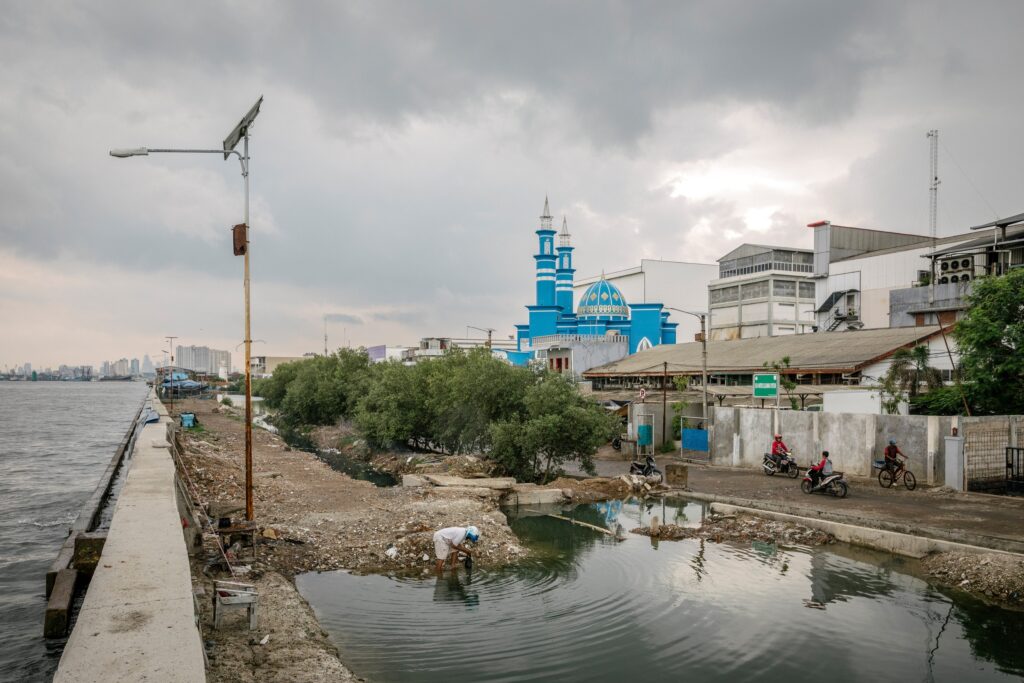
One must consider the implications of this lengthy rise through the lens of geographic vulnerability. Regions like the Maldives and southern Florida face an existential crisis, as their low-lying territories become increasingly susceptible to flooding. With projections indicating that sea levels may rise by another foot or more by 2050, the urgency for adaptive strategies has never been more pressing. A shift in perspective is essential—calamity is not an abstract concept; it is the reality faced by millions.
The changing ocean levels have ignited a multifaceted discourse surrounding climate equity. Those in affluent areas can afford to construct robust seawalls and adopt technological solutions, while marginalized communities often lack the resources to combat the rising tides. This disparity raises ethical questions about responsibility and justice in an age of climate change, as the most vulnerable populations bear the brunt of decisions made elsewhere.
Moreover, the phenomenon of rising seas has tangible effects beyond mere topography. It disrupts ecosystems, threatening marine life and altering habitats. Coastal regions, where a rich mingling of terrestrial and aquatic ecosystems thrives, stand on the precipice of disruption. Coral reefs, libraries of biodiversity, are under increasing stress, with ocean acidification accompanying rising temperatures leading to mass bleaching events. The repercussions extend far beyond the shore, impacting fisheries and the livelihoods of those who depend on ocean resources.
As we stand at this critical juncture, one cannot ignore the role of policy in shaping our response to rising oceans. The voice of the global community is needed now more than ever. Committing to international agreements such as the Paris Accord underscores a collective desire to combat climate change. Nevertheless, the question lingers: Are these pledges substantial enough to shift the trajectory of rising seas? The skepticism that shrouds governmental action must be addressed with innovative solutions that transcend traditional methodologies.
The scientific community plays a pivotal role in elucidating the consequences of rising sea levels. Researchers employ advanced modeling techniques to predict future scenarios, offering a vital glimpse into potential outcomes. These models serve as a call-to-arms for policymakers, urging immediate actions that mitigate damage while fostering resilience within vulnerable communities. Public engagement is paramount; raising awareness about this phenomenon rekindles a sense of urgency that can catalyze change.
To understand the full significance of sea level rise, one must acknowledge its cumulative effects on natural disasters. As the oceans expand, storm surges become more severe, converting ordinary weather events into catastrophic occurrences. The aftermath of hurricanes has starkly illustrated this relationship, leaving communities to contend with the economic ramifications of rebuilding and recovery. In this landscape, the question must be asked: How much longer can our infrastructure withstand the pressing reality of our warming planet?
Consider, then, the emotional undercurrents that accompany this scientific narrative. The imagery of drowning coastlines, families uprooted from their homes, and the loss of cultural heritage stirs an innate sense of responsibility. We inherit the consequences of previous generations, and our actions today will resonate into the future. It adds weight to our choices—choices that could reverberate through time, determining whether future societies will regard this era as the turning point in humanity’s relationship with the planet.
As the tides continue to rise, we are called to engage in thoughtful discourse about the multifaceted implications of climate change. The oceans serve as a mirror, reflecting the interconnectedness of all life on Earth. The promise of a reframed perspective invites us to question complacency and reimagine our role as stewards of the planet. The harbingers of change may be daunting, yet they spur us toward collective action—a movement that champions justice, equity, and sustainability for future generations. In the face of such overwhelming odds, we must not falter; rather, we must galvanize our resolve and forge a path toward a more resilient future.






Leave a Comment