The phenomenon of extinction, characterized by the permanent loss of species, has become increasingly alarming since the dawn of the 19th century. This unsettling reality has not only echoes in scientific literature but resonates profoundly within the realms of environmental ethics and biodiversity conservation. As we traverse the historical landscape of extinction, a grave query emerges: how many species have succumbed to oblivion since 1800?
To grasp the magnitude of species extinction post-1800, it is imperative to consider the interplay of various factors that have hastened this inexorable decline. Industrialization, habitat destruction, climate change, invasive species, and overexploitation of resources have all converged to forge a tumultuous path for wildlife. Not merely statistical figures, each extinction carries a unique narrative woven into the fabric of our planet’s ecology.
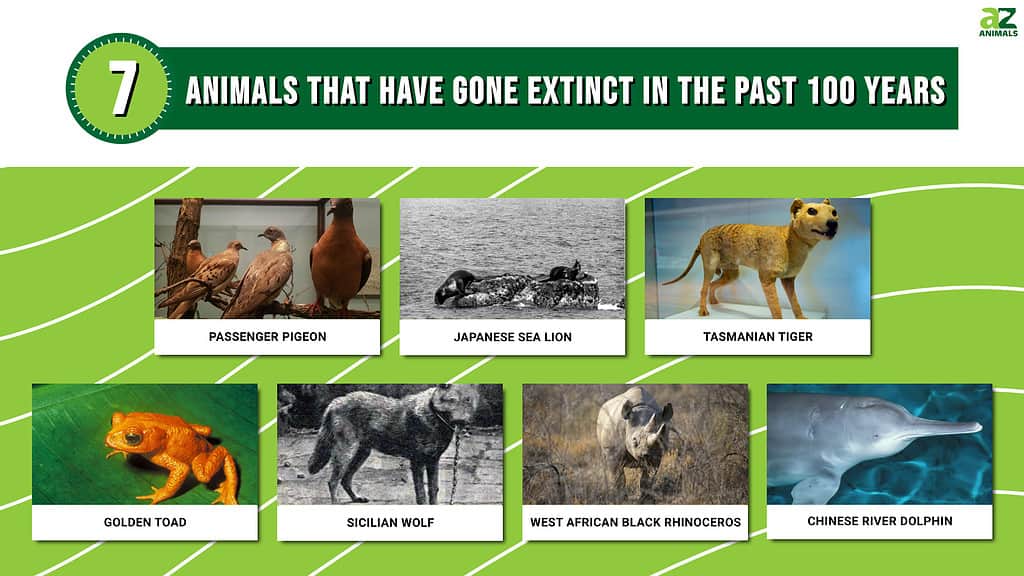
The late 18th century heralded the onset of the Industrial Revolution, a cataclysm that propelled human activity into overdrive. Deforestation, urban expansion, and pollution commenced an insidious assault on natural habitats. As species found their environments bifurcated or obliterated, many became vulnerable to extinction. The Passenger Pigeon, once numbering in the billions across North America, exemplifies this tragic trajectory. By the dawn of the 20th century, relentless hunting and habitat loss decimated their populations; the last known individual died in captivity in 1914.
To date, estimates suggest that over 1,000 species have been confirmed extinct since 1800. However, the true figure is likely much higher. Many species remain unstudied or are difficult to observe, leaving their fates uncertain. Among the notable examples, the Dusky Seaside Sparrow and the Spix’s Macaw stand as poignant testaments to humanity’s impact on natural systems. Their disappearances remind us of the fragility of existence and the dangers of anthropocentric dominion.
Moreover, the advent of globalization has facilitated the rise of invasive species, which exacerbate the pressures on endemic flora and fauna. Introduced predators and competitors can decimate native populations, as seen in the tragic decline of the Hawaiian honeycreepers, a group of birds whose evolutionary niches have been utterly disrupted. The ripple effects of such introductions extend beyond immediate population declines, often destabilizing entire ecosystems.
Climate change, a looming adversary wrought by human activity, presents another profound threat to global biodiversity. Shifting weather patterns, temperature fluctuations, and rising sea levels have created untenable conditions for numerous species. The plight of the polar bear and the coral reefs represents a microcosm of this larger crisis. Species that are unable to adapt or migrate increasingly find themselves on the precipice of extinction.
Yet amidst this pervasive doom, the narrative of extinction calls for a reevaluation of our connection to the natural world. The Bushmeat Crisis in Africa serves as a case study where human demand for wildlife poses a dire threat. The practice of hunting animals for food has ushered numerous species closer to obliteration. However, efforts are underway to promote sustainable practices and ensure that the intricate balance of ecosystems is maintained.
Conservation initiatives have burgeoned as a response to the alarming rate of species loss. The establishment of protected areas, wildlife reserves, and national parks reflects a burgeoning recognition of the intrinsic value of biodiversity. Organizations and individuals alike are galvanizing efforts to protect endangered species, rehabilitate habitats, and engage in rewilding projects that facilitate ecological restoration.
One cannot overlook the recurring theme of hope woven into the narrative of extinction. The rediscovery of species previously thought lost to time serves as a testament to nature’s resilience. Iconic species such as the Coelacanth, a prehistoric fish rediscovered in 1938, inspire awe and provoke curiosity about the mysteries that still lie hidden within our planet’s depths.
Yet, the promise of rediscovered species should not obfuscate the urgent call to action for those still teetering on the edge of existence. In the face of such profound and multi-faceted threats, the preservation of biodiversity emerges as both a moral imperative and a pragmatic necessity. With every species that fades into memory, we lose a fragment of our planetary heritage, an irreplaceable link in the intricate web of life.
As we ponder the question “How many species have gone extinct since 1800?” we must endeavor to shift our perspective. Rather than viewing extinction merely as a statistic, it is vital to regard each loss as an echo of untold stories—biological histories enriched by endless tales of survival, adaptation, and interdependence. By committing to conservation and fostering a deeper respect for the natural world, humanity may harness hope amidst the significant adversities ahead.
The road to redemption is fraught with challenges, yet the pursuit of a sustainable future remains ripe with potential. Each action, irrespective of its scale, contributes to the broader narrative of preservation. By nurturing a profound appreciation for all living entities and advocating for policies that prioritize ecological integrity, we can endeavor to ensure that the stories of countless species continue to resonate through the annals of time.







Leave a Comment