
In the annals of biological history, not a single chapter is as poignant and disheartening as that which chronicles the extinction of species. Among the myriad factors influencing these unfortunate outcomes, climate change—particularly global warming—stands as a formidable adversary in the natural world. This article endeavors to unveil the intricate connections between global warming and species extinction, compelling readers to confront the stark reality of these departures from our planet’s biodiversity.
For hundreds of millions of years, Earth has experienced cycles of warming and cooling, yet the present era is distinct. The rapidity of current temperature increases far surpasses the natural fluctuations observed in geological epochs, primarily driven by anthropogenic activities such as fossil fuel combustion, deforestation, and industrial agriculture. As the atmosphere warms, it induces cascading effects that reverberate across ecosystems and habitats. This raises the question: how many species truly face the brink of extinction due to these climatic shifts?
To comprehend the magnitude of this crisis, one must first examine the vital conditions that sustain life on Earth. Species are intricately woven into the web of their ecosystems, relying on specific climatic conditions, food sources, and symbiotic relationships for survival. Global warming, by altering temperature and precipitation patterns, disrupts these delicate balances. For instance, many species find themselves in environments that no longer provide the supporting conditions they require to thrive.
The plight of the polar bear is emblematic of this predicament. As Arctic ice diminishes due to rising temperatures, these magnificent creatures grapple with the loss of their critical hunting grounds. The consequences extend beyond mere habitat loss; the entire ecosystem is affected. As polar bears struggle, so too do the seals they depend upon for sustenance, thereby initiating a chain reaction that reverberates throughout the food web.
This cultural and ecological erosion is not confined to polar regions. In tropical ecosystems, we observe a catastrophic unfolding of events. The repercussions of global warming manifest in coral bleaching and habitat degradation, particularly evident in the Great Barrier Reef, where temperature increases have led to the death of sizeable sections of coral reefs. These vibrant structures, often dubbed the “rainforests of the sea,” provide habitat for countless marine species. The cascading effects of their destruction mean that many fish and invertebrate species face a grim future.
Furthermore, statistical models predict that approximately one million species currently face extinction, many within the next few decades, as a direct result of habitat loss attributable to climate change. Amphibians, in particular, have proven to be extraordinarily vulnerable. Rising temperatures and altering moisture levels contribute to diseases such as chytridiomycosis, devastantly impacting frog populations worldwide.
The extinction of species is not merely an ecological concern; it holds grave implications for humanity. Biodiversity sustains ecosystems that provide essential services, such as pollination of crops, clean water, and disease regulation. The dissolution of these biological networks ultimately jeopardizes our own survival. The loss of even a single species can engender a ripple effect, destabilizing entire ecosystems and their associated services.
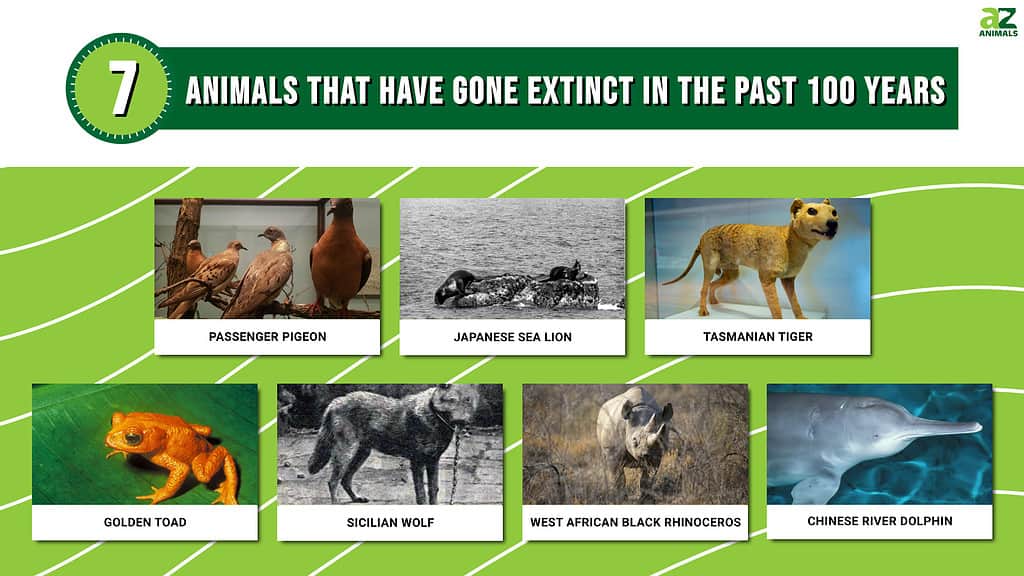
Consider the case of the golden toad, once thriving in the cloud forests of Costa Rica. Its extinction in 1989 is often cited as one of the first clear harbingers of climate-induced extinction. Changes in temperature and humidity, compelling alterations in its breeding cycle, led to this amphibian’s demise. This narrative is not an isolated incident; it serves as a forewarning for countless other species that inhabit similarly vulnerable ecosystems.
Yet, the narrative does not end with despair. A shift in perspective is crucial. While the magnitude of species extinctions is indeed alarming, it is essential to underscore that pathways to mitigate this crisis exist. The diminishing window of opportunity necessitates a concerted global effort towards sustainable practices and environmental stewardship. Utilizing renewable energy sources, reforestation efforts, and sustainable agricultural methods can significantly ameliorate the effects of climate change, preserving biodiversity for future generations.
Moreover, promoting awareness and advocacy can catalyze change on an individual level. Each person’s actions—be it reducing carbon footprints, supporting conservation efforts, or advocating for policies that protect endangered species—can contribute to a larger movement aimed at reversing the detrimental trajectory of global warming and its impact on biodiversity.
In conclusion, the reality of how many species have gone extinct because of global warming is a sobering reflection of our stewardship of this planet. The patterns are clear, the implications profound. Yet, as the natural world teeters on the brink of irreversible change, we find ourselves at a crossroads. Armed with knowledge and propelled by a collective resolve, we can alter this narrative. We can engender a world where biodiversity flourishes, where future generations inherit vibrant ecosystems teeming with life. The commitment to transformative action lies within our reach; what remains is the courage to embrace it.







Leave a Comment