
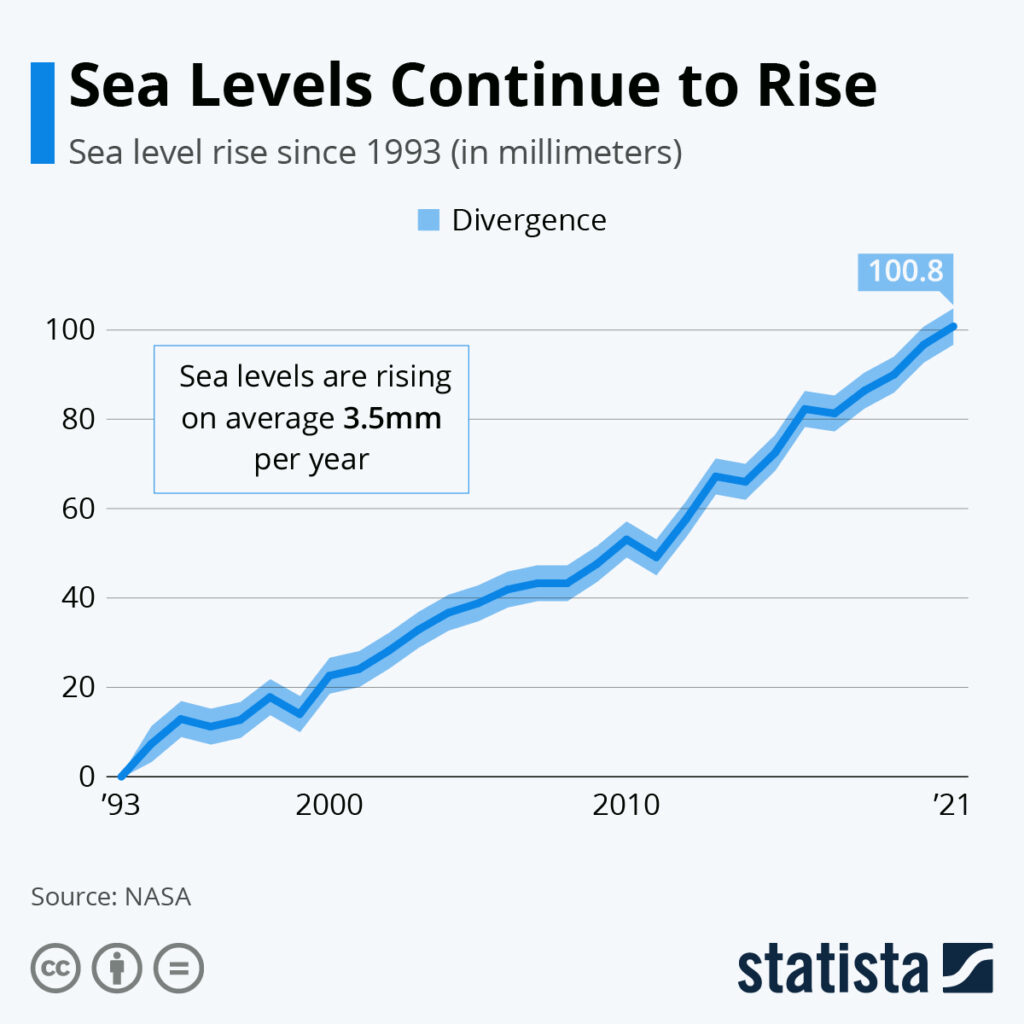
The world’s oceans are often seen as majestic and eternal, embodying profound beauty and tranquility. Yet, beneath their serene surfaces, a relentless transformation is underway, primarily instigated by human activities. This phenomenon, sea level rise, has profound implications for our global ecosystem, coastal communities, and even the socio-economic fabric of nations. As the discourse surrounding climate change intensifies, understanding the catalysts of sea level rise becomes imperative.
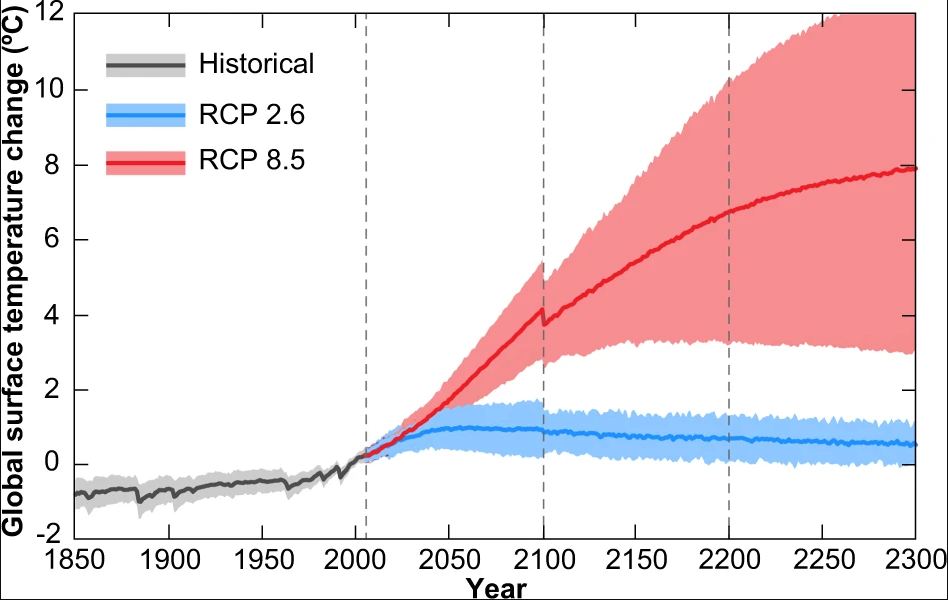
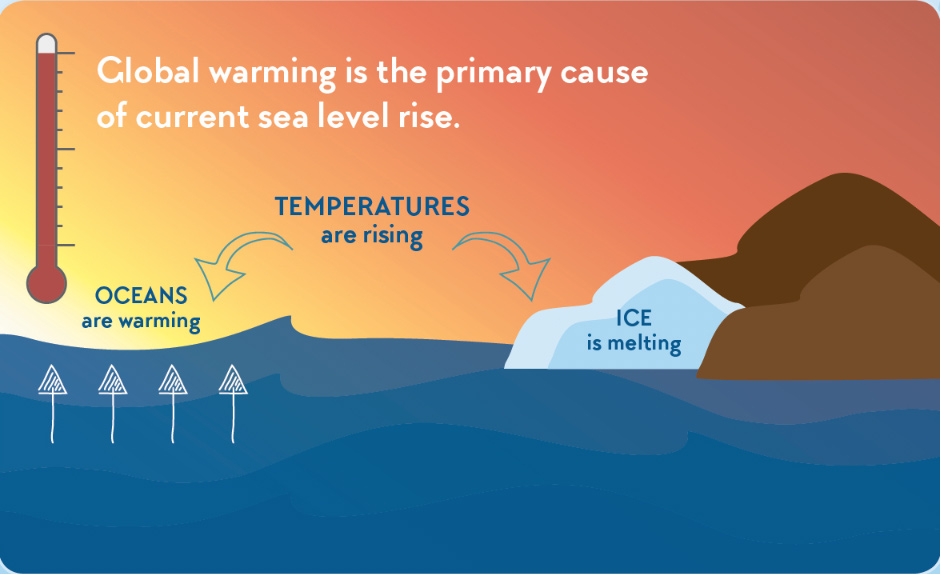
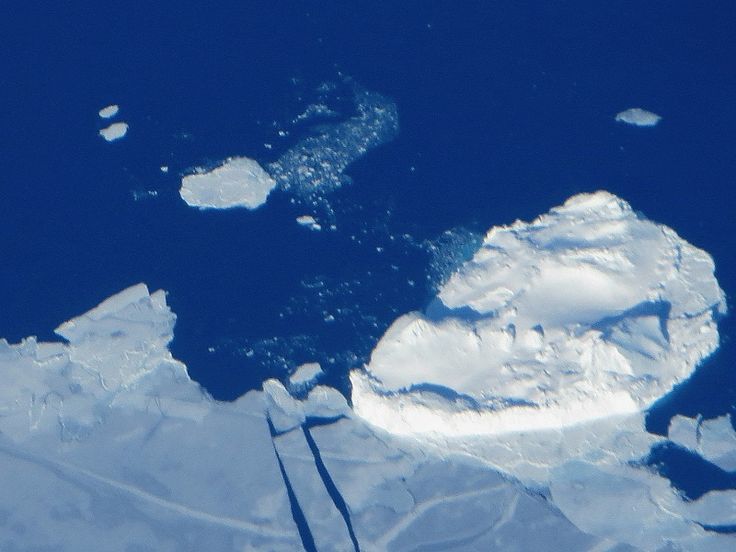
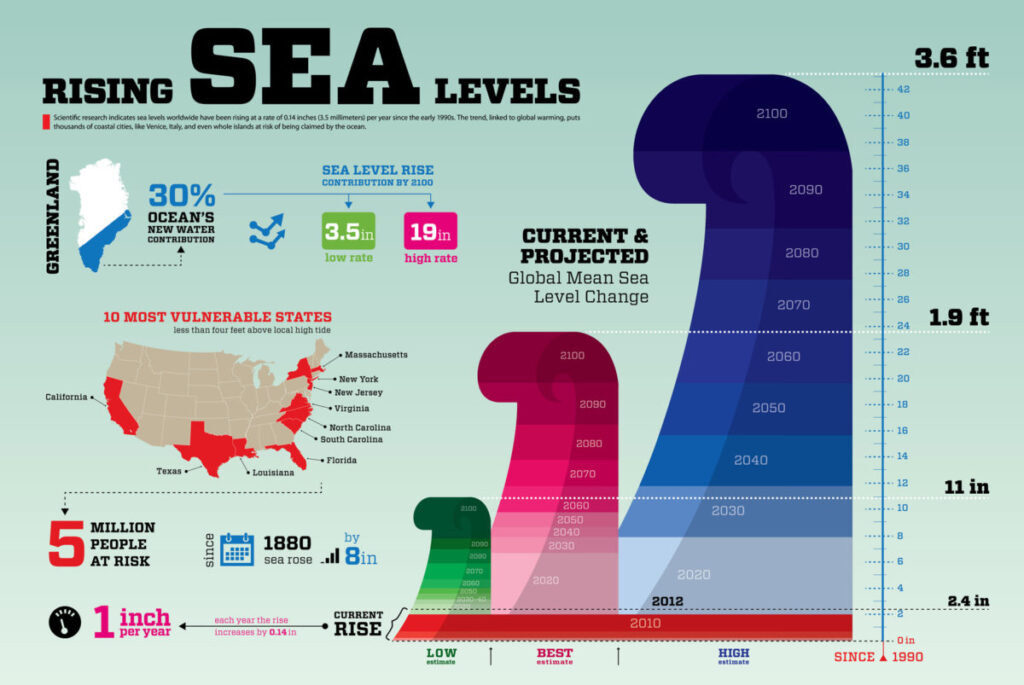
To comprehend how human activity is driving this troubling elevation of sea levels, it is crucial to delve into a range of interconnected factors. Firstly, let us examine the alchemical transformation of our planet’s climate system. The industrial revolution marked a pivotal era, when humanity’s industrial pursuits surged ahead, emitting copious amounts of greenhouse gases, chiefly carbon dioxide and methane. This escalation radically altered atmospheric compositions, leading to an unprecedented increase in global temperatures. The correlation between rising temperatures and the melting of polar ice caps is irrefutable; as these icy giants dissipate, they contribute significant volumes of freshwater to our oceans.
Moreover, the phenomenon of thermal expansion cannot be overlooked. Water, like many substances, expands when heated. As the ocean absorbs approximately 90% of the excess heat from global warming, the resulting thermal expansion exacerbates sea level rise. The oceans are not merely passive recipients of this heat; they are active participants in a warming world, fundamentally reshaping coastlines and habitats.
Simultaneously, the exploitation of our natural resources has further catalyzed these changes. Human interventions—such as deforestation, urbanization, and the draining of wetlands—diminish the land’s ability to absorb excess water. Wetlands, marshes, and mangroves, which serve as natural buffers, are being systematically eroded. Their destruction not only contributes to the loss of biodiversity but also accelerates the inundation of coastal regions by rising seas. Impervious surfaces, a by-product of urban sprawl, exacerbate stormwater runoff, preventing rainwater from replenishing groundwater supplies, and worsening flooding in coastal communities.
In assessing the impact of industrial activities, particular attention must be paid to fossil fuel extraction. Oil drilling, gas fracking, and coal mining imprint severe environmental scars. The extraction processes disrupt natural geographies, leading to land subsidence, which compounds the effects of sea level rise. As the ground sinks, the ocean appears to encroach more rapidly on seaside habitats and human settlements, engendering a perception of crisis.
The situation is further complicated by socioeconomic factors. Vulnerable populations, often living in low-lying areas, are disproportionally affected by rising sea levels. These communities typically lack the resources to adapt or relocate, perpetuating cycles of poverty and exacerbating social inequities. The intrusion of saltwater into freshwater aquifers threatens agriculture and drinking water supplies, creating a compounding crisis that stretches beyond mere geology into the realm of human rights.
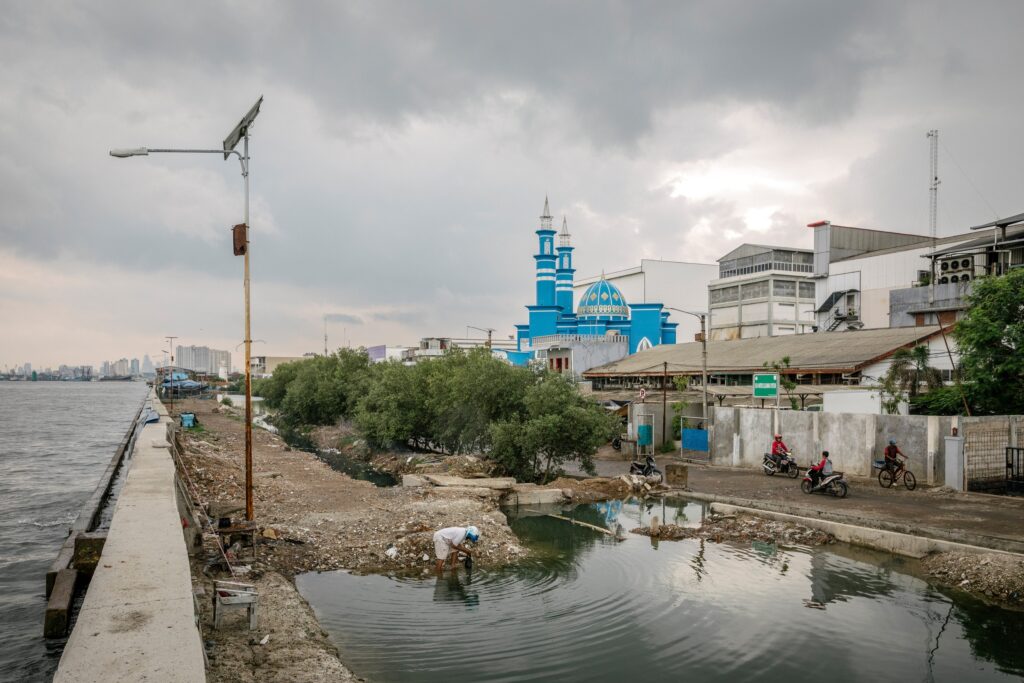
Global attention is gradually shifting toward adaptation strategies, whereby communities implement engineering solutions to manage the unavoidable encroachment of the oceans. Sea walls, flood gates, and other barrier systems are constructed to mitigate flooding and protect infrastructure. However, these solutions carry significant financial burdens and can lead to unintended ecological consequences, such as disrupting natural sediment flows and altering marine habitats.
Furthermore, the relevance of climate policy cannot be overstated. International efforts, such as the Paris Agreement, aim to unite countries in combating climate change and, by extension, sea level rise. Policymaking at both local and international levels must prioritize sustainable development, incorporating green infrastructure and nature-based solutions. Investing in resilient urban planning and promoting practices such as reforestation and wetland restoration is critical in fostering adaptive capacity.
While it is true that emotions often guide our perceptions of environmental issues, a confluence of scientific understanding, community resilience, and policy interventions must supplant fear and despair with constructive action. Education plays an essential role in this paradigm shift. Awareness campaigns must elucidate the mechanisms of sea level rise and the tangible threats posed by climate change. Through grassroots movements, individuals can advocate for environmental stewardship and mobilize collective action toward more sustainable practices.
As the intricacies of human-induced sea level rise unfurl, a deeper realization emerges. The ocean’s rise is not solely a consequence of our actions, but a reflection of our relationship with nature. It compels us to reevaluate our consumption patterns, habitat management, and social equity issues. Ultimately, the majesty of our oceans will persist, but whether they remain a source of wonder or a harbinger of calamity rests upon our collective conscience.
In conclusion, the driving forces behind sea level rise are deeply intertwined with human enterprise, necessitating a multifaceted response. To navigate the challenges posed by this phenomenon, humanity must adopt an integrative approach that balances ecological preservation with developmental needs. A future of harmony with our oceans depends on acknowledging our role as stewards of the planet, urging us to act decisively for the generations yet unborn.





Leave a Comment