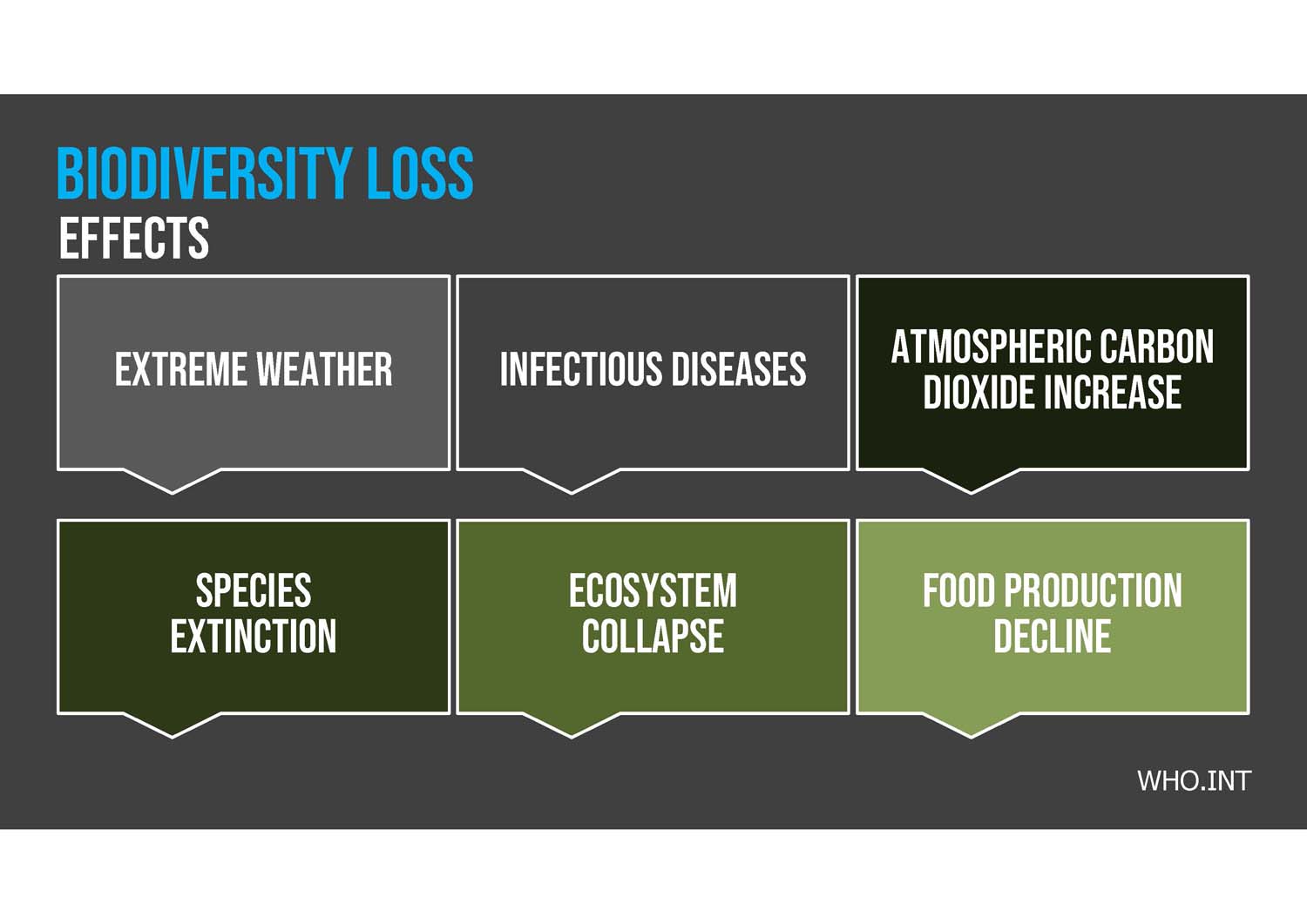
Biodiversity is often defined as the variety of life on Earth, encompassing the vast array of species—from flora and fauna to the intricate ecosystems they inhabit. When biodiversity thrives, so does the health of our planet. However, the rapid loss of biodiversity poses a profound threat to environmental stability, and understanding its impacts requires delving into the delicate tapestry of life on Earth and recognizing the interconnectedness that binds all living organisms. This exploration reveals not merely a series of alarming statistics, but a glaring necessity for collective action to restore and protect our environment.
1. Understanding Biodiversity Loss
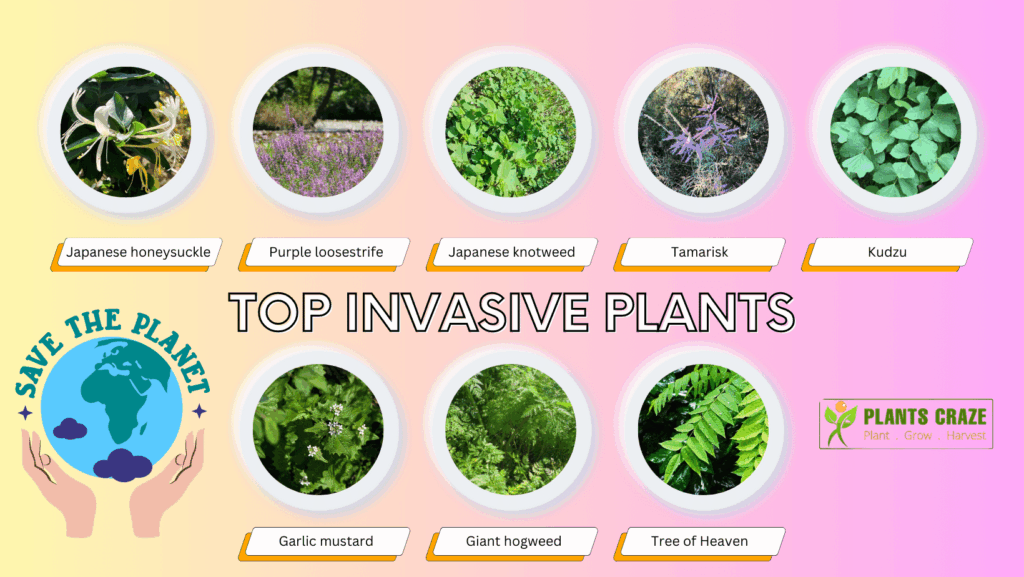
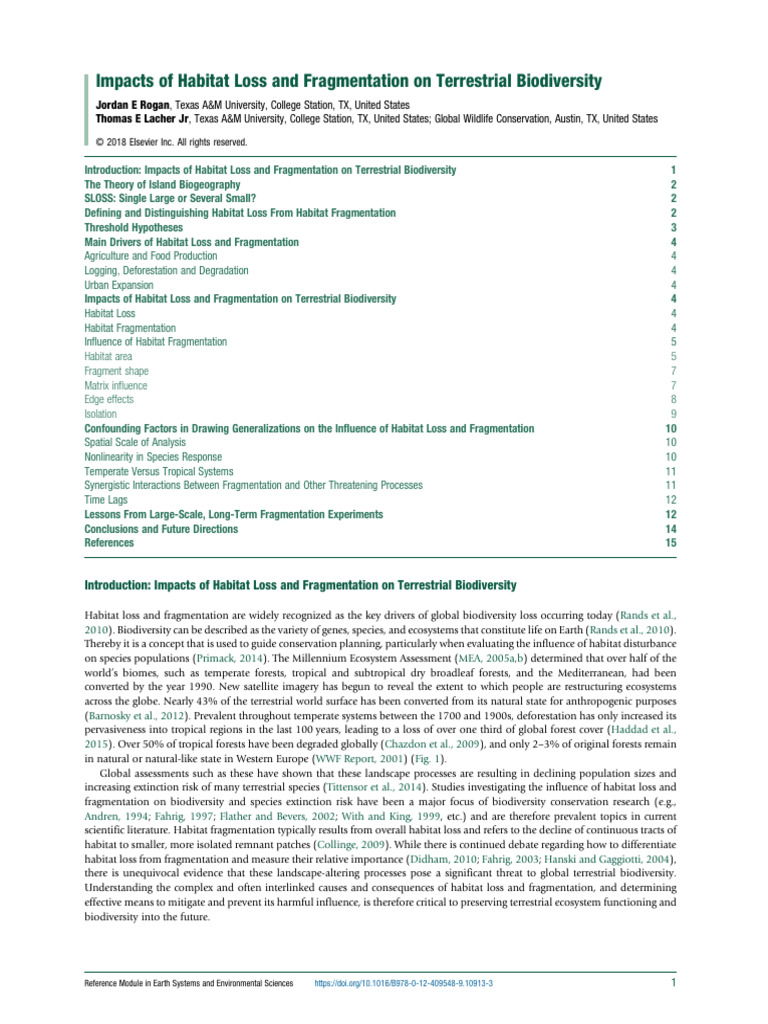
To comprehend how biodiversity loss affects the entire environment, one must first recognize its myriad causes, which include habitat destruction, climate change, pollution, and invasive species. Each of these factors contributes to the decline in the number and variety of species. As habitats are obliterated by urban development or deforestation, countless species lose their homes, leading to populations dwindling or collapsing altogether.
2. Disruption of Ecosystem Services
Ecosystem services—the benefits that humans derive from nature—are profoundly impacted by biodiversity loss. These services can be broadly categorized into provisioning, regulating, supporting, and cultural services. For instance, forests not only provide timber and non-timber products, but they also play a crucial role in carbon sequestration, climate regulation, and water quality maintenance.
When species that contribute to these services disappear, the repercussions can be dire. Pollinators such as bees and butterflies are essential for the reproduction of many crops and wild plants. A decline in their populations threatens food production and consequently endangers food security. Similarly, ecosystems that rely on keystone species—organisms that exert a disproportionate influence on their environment—face greater vulnerability when such species vanish.
3. The Amplification of Climate Change Effects
The intricate relationships among species also create a buffer against climate change. Biodiverse ecosystems are typically more resilient, able to adapt to changing conditions more readily than their monolithic counterparts. Forests, wetlands, and coral reefs all act as significant carbon sinks, absorbing carbon dioxide from the atmosphere. When biodiversity is compromised, these ecosystems lose their ability to mitigate the effects of climate change, exacerbating conditions such as extreme weather events and rising sea levels. This vicious cycle not only threatens wildlife but also human livelihoods reliant on stable climatic patterns.
4. Degradation of Soil Health
Biodiversity loss isn’t limited to the visible aspects of nature. The subterranean world, too, is affected. Soil health is fundamentally linked to biodiversity; diverse soil organisms—bacteria, fungi, and invertebrates—contribute to soil fertility and structure, enabling plants to thrive. The reduction of these organisms can lead to soil degradation, diminished agricultural yields, and increased erosion. Ultimately, the health of our food systems hinges on the vitality of our soils, which are themselves dependent on a plethora of organisms working in concert beneath the surface.
5. Loss of Medicinal Resources
The rich tapestry of biodiversity is not merely an ecological curiosity; it represents a vast reservoir of genetic materials and biochemical compounds that have been used in traditional and modern medicine. The extinction of species means the loss of potential discoveries that could lead to revolutionary treatments or cures. Many modern pharmaceuticals are derived from plants and microorganisms with unique properties. Thus, biodiversity loss can hinder scientific progress and perpetuate health disparities, particularly in regions reliant on local flora for medical remedies.
6. Cultural Implications of Biodiversity Loss
Biodiversity has cultural significance that transcends its biological implications. Many societies have deep-rooted connections to the natural world, with traditions, spirituality, and identities intricately intertwined with local ecosystems. The disappearance of wildlife and plants can lead to the erosion of cultural heritage and indigenous knowledge. This disconnect not only impoverishes the cultural landscape of communities but also undermines the intergenerational transmission of ecological wisdom, which is crucial for sustainable coexistence with nature.
7. Economic Consequences
The economic ramifications of biodiversity loss are staggering. Many sectors—agriculture, fisheries, and tourism—are directly dependent on healthy ecosystems. The overexploitation of natural resources, pollution, and habitat destruction can lead to economic decline and instability. Those reliant on natural resources for their livelihoods are often the first to bear the brunt of these changes, exacerbating issues of poverty and inequality. Protecting biodiversity, therefore, not only enhances ecological resilience but also sustains economic vitality.
8. The Path Forward: Conservation and Restoration
Addressing biodiversity loss is imperative, requiring concerted efforts in conservation and ecological restoration. Initiatives to preserve habitats, enact protective legislation, and create wildlife corridors can foster environments where diverse species can flourish. Moreover, community involvement in conservation efforts is vital. Empowering local populations to become stewards of their natural surroundings ensures that conservation strategies are both culturally sensitive and effective.
Biodiversity loss is not merely an environmental challenge; it is a clarion call for humanity to rethink its relationship with nature. Recognizing the intrinsic value of life’s diversity can pave the way for renewed commitment to safeguarding our planet for future generations. As the intricate web of life continues to unravel, one thing remains clear: every species lost diminishes the resilience of ecosystems, threatening the very foundations upon which life—human and non-human—depends.







Leave a Comment