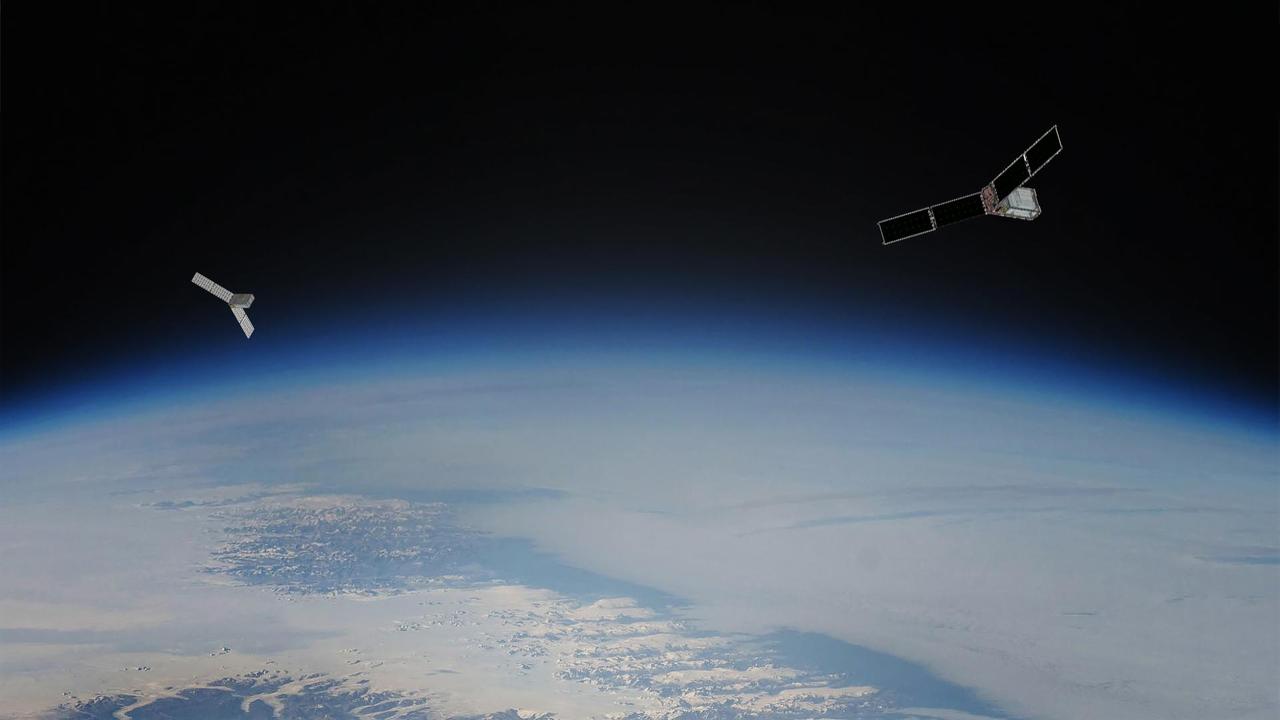
In the realm of environmental science, climate models serve as critical tools for predicting future climate scenarios. These sophisticated systems are designed to simulate the Earth’s climate, analyzing its components—such as the atmosphere, oceans, and land surfaces—to forecast potential changes. But how accurate are these predictions? Specifically, how do NASA and NOAA’s climate models stack up in the grand tapestry of climate science? This question leads us into a labyrinth of scientific inquiry, laden with complexity and nuance.
The Foundation of Climate Models
At the heart of every climate model lies a series of mathematical equations that represent the fundamental processes governing our planet’s climate system. These models are predominantly classified into three categories: energy balance models, which assess the equilibrium between incoming solar radiation and outgoing thermal radiation; radiative-convective models, which delve into energy transfer mechanisms; and coupled models that integrate atmospheric and oceanic data.
NASA and NOAA employ intricate coupled models, enabling them to assess the interactions and feedback mechanisms between various components of the climate system. These models, accompanied by high-resolution data from satellites and observing networks, are essential for delivering accurate climate forecasts. Yet, the question remains: how reliable are they?
A Historical Perspective
To critically evaluate the accuracy of NASA and NOAA’s climate models, one must traverse the corridors of history. The trajectory of climate modeling has evolved dramatically since its inception in the mid-20th century. Early models struggled with resolution and scope, often yielding predictions that diverged notably from observed climatic trends.
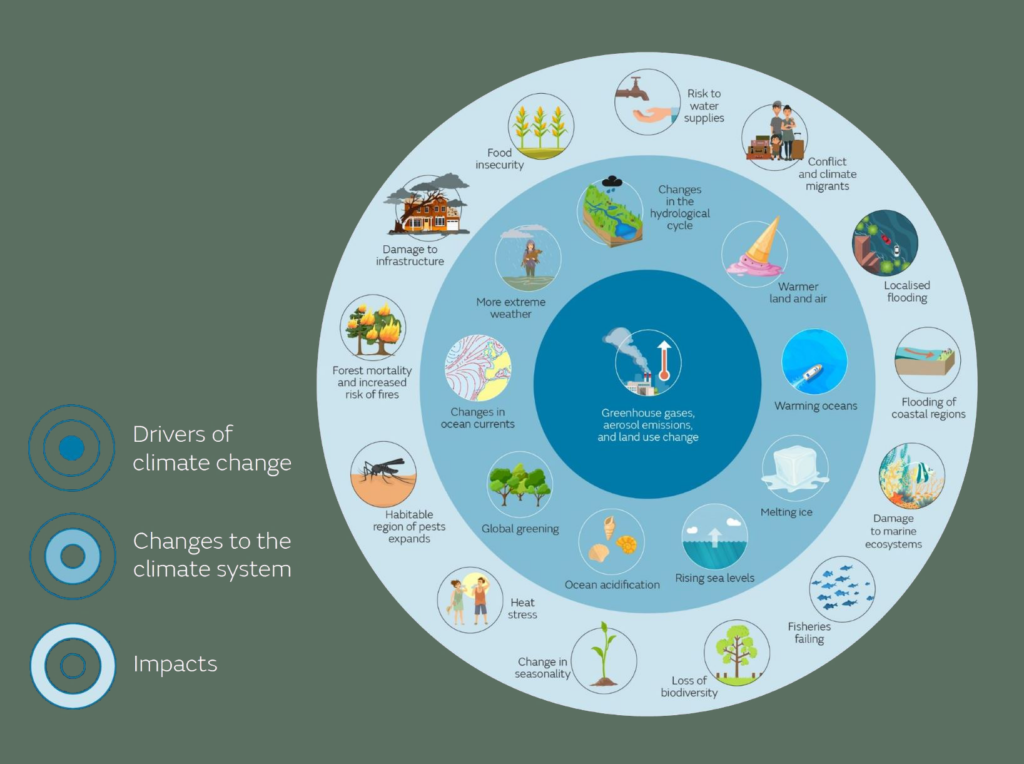
However, as computational power has surged and data collection techniques have advanced, the precision of these models has markedly improved. Today’s models can handle vast amounts of data, accounting for myriad variables—from greenhouse gas emissions to land use changes. Despite these advancements, skepticism persists about their forecasting capability, particularly concerning regional climate impacts and long-term trends.
The Conundrum of Uncertainty
The inherent complexity of climate systems poses a formidable challenge to model accuracy. The chaotic nature of weather and climate phenomena means that even minor discrepancies in initial conditions can lead to vastly different outcomes. This uncertainty is compounded by various feedback loops within the climate system. For example, as polar ice melts, the albedo effect changes, leading to increased absorption of solar energy and further warming.
One might ponder: if climate models can yield such divergent outcomes based on initial conditions, how can we trust their long-term predictions? This is where the scientific community’s emphasis on ensemble modeling comes into play. By running multiple simulations across various scenarios, scientists can gauge a range of potential outcomes, providing a probabilistic view rather than a definitive answer.
The Role of Peer Review and Transparency
The credibility of climate models hinges not just on their technical sophistication but also on the processes of peer review and transparency. Reputable scientific research undergoes rigorous scrutiny before publication, allowing for the correction of errors and the refinement of models. NASA and NOAA are committed to these principles, ensuring that their methodologies and findings are accessible to the broader scientific community and the public.
This commitment to transparency is crucial when addressing public concerns and misconceptions about climate model predictions. The challenge lies in effectively communicating complex scientific concepts to a non-specialist audience. Misinformation can easily proliferate, casting doubt on well-founded findings if misunderstood or misrepresented.
Verification Against Observed Data
One of the most critical aspects of validating climate models involves comparing their outputs to real-world observations. Over the years, researchers have focused on verifying model predictions against historical data, scrutinizing how closely they align with actual climate trends. By evaluating past climate events and their modeled counterparts, scientists aim to refine the models and improve future predictions.
Yet, it is essential to recognize that models are not infallible. Instances where models have predicted temperature increases that later fell short of observed data underscore the complexities involved. Conversely, some models have successfully captured significant climate anomalies, reinforcing confidence in their predictive capabilities.
Implications for Policy and Decision-Making
As global leaders grapple with the ramifications of climate change, the implications of climate model accuracy extend far beyond scientific inquiry. Policymakers rely on these models to craft legislation and strategies aimed at mitigating climate impacts. Understanding the strengths and limitations of these models is paramount in shaping effective policies that resonate with public needs and environmental imperatives.
However, reliance on models must be approached with a discerning eye. The potential for over-reliance on singular models or specific predictions threatens to undermine comprehensive climate action. Balancing modeling efforts with empirical research and stakeholder engagement is crucial in formulating robust, adaptive climate policies.
Conclusion: An Ongoing Journey
Ultimately, the question of how accurate NASA and NOAA’s climate models are doesn’t yield a singular answer but rather reveals an ongoing journey of scientific exploration. As climate science continues to evolve, these models will undoubtedly undergo refinements and innovations, providing us with an increasingly sophisticated understanding of our planet’s climate dynamics. It is this very journey—filled with discoveries, challenges, and dialogues—that holds the key to addressing one of the most pressing issues of our time.
As environmental stewards, we must not only scrutinize the accuracy of these models but also embrace the narratives they tell about our climate’s future. The fusion of scientific rigor with public accountability offers a path toward informed actions that can ameliorate climate impacts and foster resilience in the face of an uncertain future.








Leave a Comment