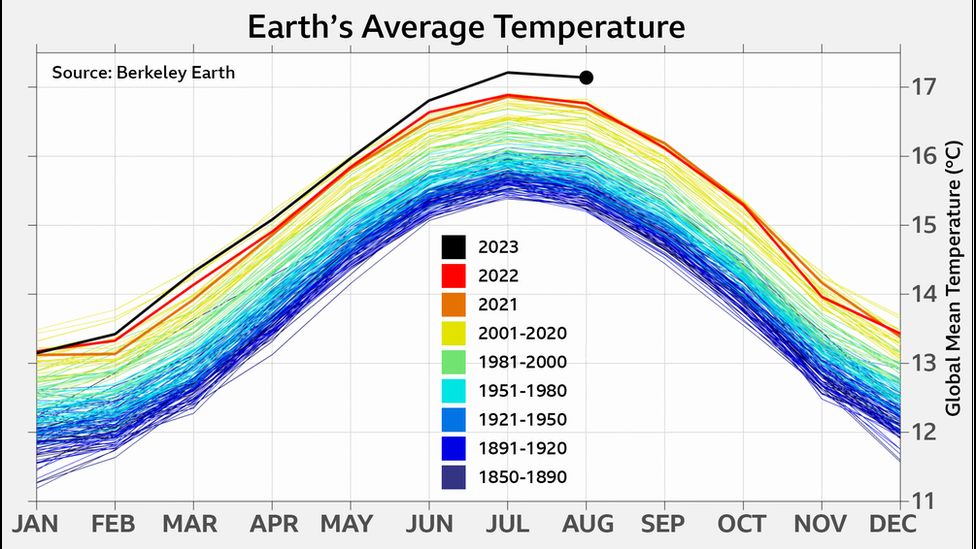
Global temperature change has transformed our planet since the dawn of the 20th century, marking a profound shift that has drawn the attention of scientists, policymakers, and the general populace alike. This historical overview unveils a stark narrative of escalating temperatures, intricately intertwined with human activity, natural phenomena, and evolving climate policies. Understanding this trajectory not only fascinates the intellect but also compels urgent reflection on our collective responsibility toward the environment.
The 20th century began as a period of relative climatic stability. Global mean temperatures were subject to minor fluctuations, oscillating primarily around the late 19th-century norms. Keen observations dating back to 1900 depict an average temperature of approximately 13.7°C. However, as the decades progressed, these averages began to climb with alarming consistency, driven predominantly by the unquenchable thirst for industrial advancement.
By the 1950s, data suggested a measurable increase, with global average temperatures rising to approximately 14.0°C. This era heralded an unprecedented era of fossil fuel consumption, technological innovation, and agricultural expansion. The post-World War II economic boom, while amplifying human progress, simultaneously expedited greenhouse gas emissions—chiefly carbon dioxide—into the atmosphere. The correlation between economic development and rising temperatures became increasingly evident, underpinning a pattern that many scientists began to scrutinize rigorously.
Come the 1970s, the evidence of climate change became irrefutable. The warming trend accelerated, with mid-century temperatures rising to about 14.3°C. The phenomenon did not unfold in isolation; it was accompanied by observable environmental degradation, including shrinking polar ice caps and erratic weather patterns. Such manifestations foreshadowed the complex interplay between anthropogenic factors and planetary health.
The unequivocal gain in average global temperatures has also ushered in societal reflections and, at times, a sense of bewilderment. For instance, the stark increase of nearly one degree Celsius since the late 19th century challenges long-held perceptions about climatic constancy and stability. The increase, while appearing benign on the surface, has far-reaching implications, influencing ecosystems, species migration patterns, and human habitats alike.
Advancing toward the 21st century, the statistics become alarmingly sobering. By 2010, average global temperatures reached approximately 15.0°C, signaling a relentless upward trajectory. This period was also marked by a notable proliferation of severe weather events, from devastating hurricanes to unprecedented droughts, drawing a critical link between rising temperatures and meteorological extremes. Such phenomena raise haunting questions: Are we witnessing the harbingers of a climate crisis, or merely a transient phase within a naturally cyclical process?
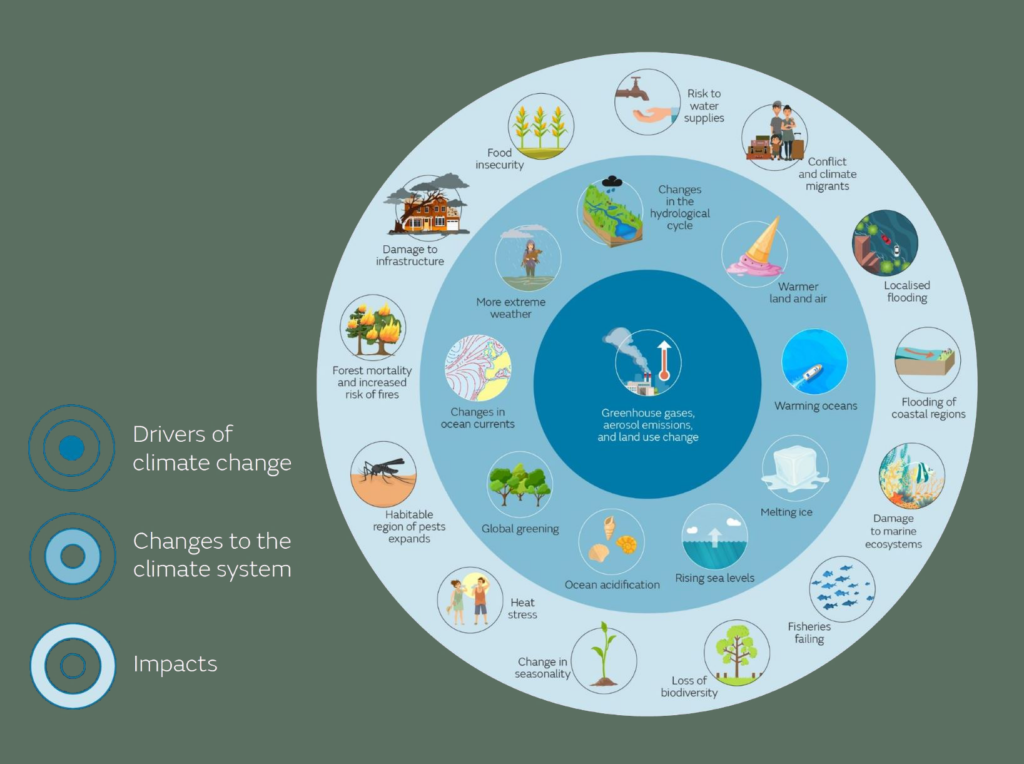
However, to attribute the multifaceted nature of climate change solely to natural variability would be a gross simplification. It is essential to recognize the role of human-induced factors, chiefly embedded within the framework of industrialization. The Industrial Revolution, with its emphasis on coal, oil, and gas, reshaped the Earth’s atmosphere and set in motion profound alterations that far exceed natural climatic variations. The data underline an unmistakable synergy between human activity and climatic shifts, as evidenced by the subsidiary increase in methane and nitrous oxide levels, which possess potent greenhouse properties.
The scientific community continues to iterate on the significance of recognizing these trends. The temperature increase, while seemingly gradual, signifies a ticking clock—a countdown to potential ecological catastrophes that could redefine life as we know it. Projections indicate that by the end of the century, temperatures could rise by as much as 4°C if current trajectories persist, ushering in a plethora of consequences, including elevated sea levels, disruptions of agricultural cycles, and unprecedented biodiversity loss.
Global responses to this epochal challenge reveal a tapestry of approaches, ranging from mitigation efforts to adaptation strategies. International frameworks, such as the Paris Agreement, strive to curtail greenhouse emissions and engage nations in a collaborative effort toward a sustainable future. However, the realization of these ambitious targets hinges upon political will, collective accountability, and a willingness to rethink entrenched practices.
In juxtaposing numerical data with palpable reality, we arrive at a poignant inquiry: What stories lie behind these figures? The data reflections encompass human resilience, yet they also resonate with caution—an urgent call to action, compelling us to confront uncomfortable truths about modern society’s ecological footprint. As policymakers converge on strategies for counteraction, an overarching question persists: Will humanity rise to the occasion?
As we stand on the brink of profound climatic shifts, the historical temperature data since 1900 shapes not only our understanding of the past but also casts a shadow on our future. It serves as a mirror, revealing the extent of our engagement with the environment. In examining these trends, and the numbers they convey, we must cultivate an awareness that transcends mere fascination and evolves into a fervent commitment to safeguarding the planet for generations to come.







Leave a Comment