
Wind, an elemental force of nature, has long captured the admiration of humanity. Its invisible caress refreshes the air and propels the sails of ships across vast oceans. Yet, this same ethereal presence transcends mere curiosity; it metamorphoses into a formidable powerhouse that generates electricity. The journey from the unfurling of wind to the illumination of our homes is a captivating narrative infused with ingenuity, science, and a fervent commitment to sustainability. This article embarks on an explorative journey—from wind to watts—shedding light on the transformative process that harnesses nature’s breath to electrify our lives.
The phenomenon begins with the generation of wind itself, birthed from the uneven heating of the Earth’s surface by the sun. Areas with contrasting temperatures yield variations in air pressure, producing what many recognize as wind. These currents weave their way across landscapes, an omnipresent force waiting to be harnessed. It is amidst these gusts that the fascinating world of wind energy takes flight.
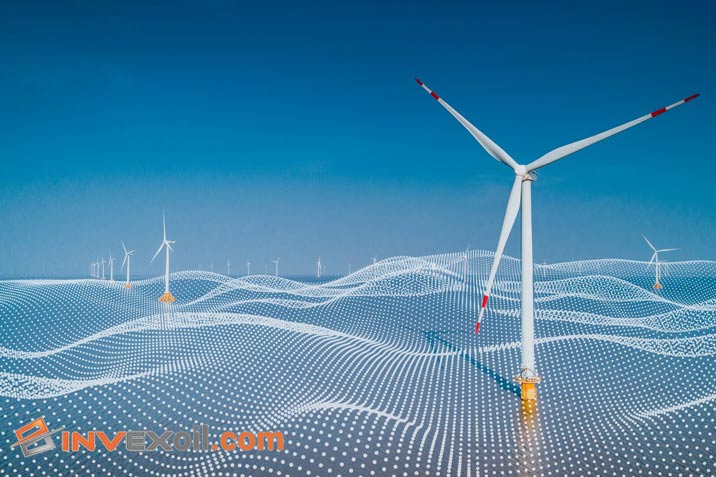
Wind turbines, towering structures that pierce the sky like modern-day sentinels, serve as the primary interface between nature and technology. Each turbine is equipped with expansive blades, ingeniously designed to capture the kinetic energy of the passing wind. As the wind collides with the blades, it bequeaths its energy to them, inducing a rotational movement that is nothing short of mesmerizing. In this delicate dance of physics, a fascinating transformation occurs: kinetic energy is converted into mechanical energy, a precursor to the generation of electricity.
Once the blades begin to spin, the mechanical energy is transmitted to a generator housed within the turbine. This is where the magic culminates. Generators operate on the principle of electromagnetic induction. As the rotor turns, it spins a magnet within coils of wire, producing alternating current (AC) electricity. The marvel lies in its simplicity; the relationship between motion and electricity unlocks a cascade of possibilities for sustainable energy production.
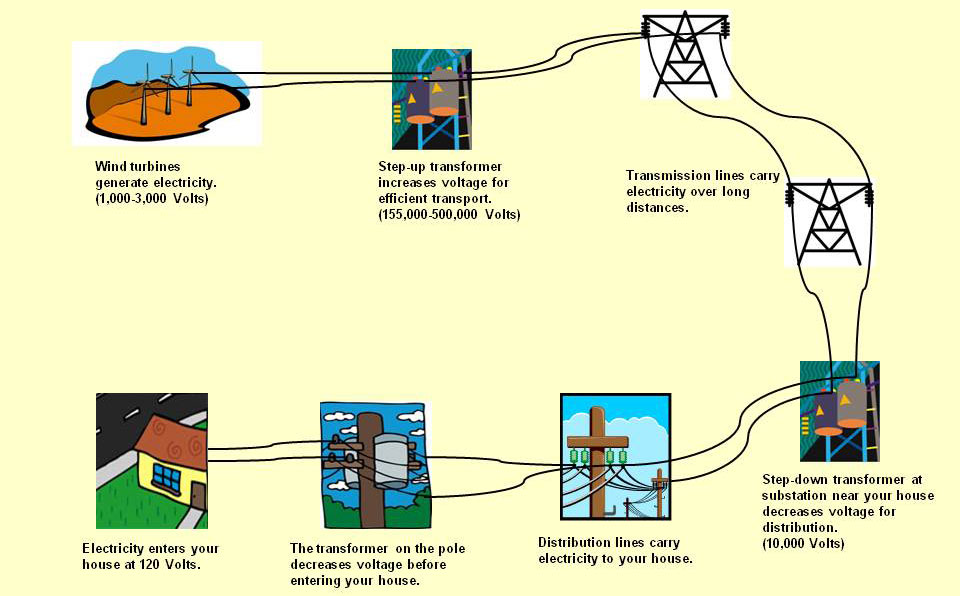
However, the journey does not conclude with mere generation. The electricity produced is at first in a raw state, often characterized by fluctuating voltages, unsuitable for direct consumption in homes or businesses. To convert this nascent energy into usable power, it must undergo a critical process known as conditioning. This includes the employment of inverters, devices that convert the AC electricity generated by the turbine into direct current (DC) electricity, which can then be efficiently synchronized to the electrical grid.
The grid—the intricate web connecting electricity producers to consumers—is paramount in this narrative. It acts as a conduit, channeling the harnessed power from rural wind farms to urban landscapes. The seamless integration into the existing grid infrastructure is vital for maximizing the benefits of wind energy. This intersection between supply and demand highlights the larger framework within which renewable energy operates, emphasizing the need for robust energy policies and innovations that foster greater efficiency and reliability.
Moreover, the tangible impact of wind power extends beyond the mechanics of electricity generation. As societies increasingly pivot towards renewable energy sources, wind energy emerges as a stalwart ally in the fight against climate change. Transitioning from fossil fuels to wind energy not only mitigates greenhouse gas emissions but also engenders a paradigm shift in energy consumption. Communities around the globe are bearing witness to wind farms sprouting across previously unutilized landscapes, a metamorphosis fostering local economic growth, job creation, and environmental stewardship.
Yet, the fascination with wind energy extends beyond its practical advantages. There exists a deeper philosophic connection to the elemental forces of nature. The wind embodies a duality, representing both fragility and fortitude. It is a reminder of the intricate interplay between human ingenuity and nature’s indomitable spirit. This relationship invites contemplation on humanity’s role as custodians of the Earth, fostering a profound sense of responsibility towards sustainable practices and environmental conservation.
As we advance into an era where renewable energy is no longer an alternative but a necessity, the story of wind power resonates with urgency. The renewable revolution beckons individuals, communities, and corporations to reevaluate their energy consumption habits. Embracing the winds of change requires not just technological adaptation but also a collective commitment to fostering a sustainable future.
In essence, the journey from wind to watts transcends a mere technical process; it morphs into a compelling narrative that entwines humanity with nature. Each gust of wind serves as a reminder of the energy that surrounds us, waiting to be harnessed. It evokes a sense of marvel, prompting a deeper appreciation for the advancements we have made while underscoring the work that lies ahead. In embracing this innovative path, we not only illuminate our homes but also pave the way for a thriving, sustainable planet.
Indeed, the tale of wind power is one of hope, ingenuity, and responsibility. A narrative that calls upon us to recognize the potential within nature’s forces and to acknowledge our role in harnessing them for the greater good. From the first breezes that turn the blades of a wind turbine to the flicker of a light bulb illuminating a dark room, every aspect of this journey underscores a profound truth: the winds of change are not merely a backdrop—they are the very essence of our push towards a sustainable future.




Leave a Comment