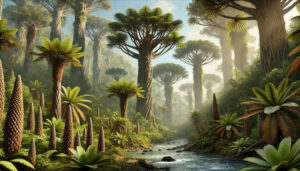
In the grand narrative of Earth’s ecosystem, plants play an indelible role in shaping our environment. Yet, among the tapestry of verdant life, there exists a heart-wrenching reality—numerous plant species have vanished, slipping into the annals of extinction. But what if some of these lost souls still possess a flicker of life, hidden away in remote corners of the world? This notion stirs the imagination. Could we unearth them? Might they be hiding in the shadows of distant forests or in the depths of uncharted caves? These questions beckon us to explore the captivating stories of extinct plants and investigate whether some remnants of their legacy endure.
Throughout history, the phenomenon of extinction has swept through the plant kingdom like a silent storm. While the loss of animal species often garners immediate attention, we must not overlook the silent disappearances of flora. Plants, the very foundation of our ecosystems, provide food, shelter, and oxygen. They are the unsung heroes of our biosphere, yet many have succumbed to the pressures of human activity, climatic shifts, and habitat destruction. To better understand this crisis, consider the following extinct species that tantalizingly bear the potential for rediscovery.
The first on this journey is the Wollemi pine, a species long considered extinct and resiliently surfacing in a secretive valley in Australia. Discovered only in 1994, this ancient tree was thought to have vanished some 2 million years ago. Its delicate needles and unique spiraled structure echo a bygone era, but where else might similar relics linger, elusive in the folds of history? The question looms: are there other ancient arboreal companions laid to rest in the pages of time, awaiting a perceptive eye to uncover their whereabouts?
Turn your attention now to the Franklinia alatamaha, a beautiful flowering tree that seems like a whisper from the past. Believed to have been extinct since the early 19th century, it flourished along the banks of the Altamaha River in Georgia. Despite its disappearance, it is revered and cultivated for its exquisite blooms. Herein lies a poignant enigma: could seeds of the Franklinia still exist in undiscovered locations, perhaps lying dormant, waiting for the right conditions to breathe life again? Speculation dances elegantly around this possibility, a narrative of endurance intertwined with hope.
Yet, the realm of extinct flora does not solely rest on trees. The tale of the St. Helena olive, a bush that inhabited the island of St. Helena, ignites further curiosity. Presumed extinct in the late 20th century, it was the subject of intense conservation efforts. The last known tree fell victim to disease, leading many to mourn its loss. However, specters of the past often have a way of returning. Could there exist a hidden grove of St. Helena olives, thriving undetected in the island’s rugged topography? Imagining such a scenario incites a challenge—what robust methods could conservationists employ to search for these elusive survivors?
Now, let us delve deeper into the ocean’s teeming wonders, where we uncover stories of submerged plants. One such tale belongs to the Ruppia maritima, a seagrass once thought extinct in certain coastal regions. Its disappearance marked harsh ecological ramifications; seagrasses are pivotal to marine ecosystems, aiding in coastal protection and providing habitat for diverse marine life. This raises a provocative question: in an ever-evolving climate, could Ruppia be rediscoverable in unexplored depths, colonizing hidden coastal crevices as it did millions of years ago?
This prospect of rediscovery is not merely a fanciful dream. Botanical expeditions into remote territories have often yielded astonishing results. The challenges of locating these reclusive plants rise like vaporous mirages across vast landscapes. The potential for rediscovery reignites the fervor of botanists and ecologists, pushing them to venture into the unknown. Furthermore, with technological advancements, the possibilities become even more tantalizing. Could drone-generated imagery or genetic sampling sift through historical archives, revealing locations where extinct plants might still thrive in obscured form?
As we contemplate this dilemma, the nexus of extinction and innovation awakens a broader dialogue surrounding biodiversity and conservation. The stories of lost plants enrich our understanding of ecological balance and resilience. Each tale is a reminder of nature’s intricate symphony—the delicate interplay of species that maintain our world’s equilibrium. Our challenge extends beyond mere rediscovery; it entreats us to implement strategies encouraging biodiversity and safeguarding habitats, thus creating a sanctuary for all life forms.
While the quest for the dormant remains of extinct plants continues, we must also advocate for the pressing need to protect existing species. With climate change and habitat destruction remaining formidable threats, the fight for conservation resonates as a powerful call to action. The question of whether extinct plants might still exist sparks curiosity, urges exploration, and ultimately emphasizes the importance of stewardship in preserving our planet’s rich botanical heritage.
In conclusion, the allure of extinct plants hiding out somewhere in the shadows invites us down a path of exploration filled with both challenge and promise. Their potential rediscovery serves as a poignant reminder of nature’s resilience and our responsibility to nurture the ecosystems that sustain life. Each inquiry into the past could unlock the answers essential for our future. As we strive to coexist harmoniously with the planet, let us remain vigilant—an adventure awaits, one sowing hope in the quest to find what was once lost.








Leave a Comment