In the vast annals of history, where the sheer magnitude of human achievement coexists with nature’s wonders, lies a list of extraordinary creatures that once roamed the Earth, glimpsed by the astute gaze of the Romans. Amidst the mosaics and marble columns, the Romans encountered animals whose existence would eventually dissolve like morning mist—ephemeral beings now enshrined in the chronicles of extinction. Each shadow of these majestic beings offers not only a window into the distant past but also a poignant reflection on the unfathomable losses wrought by time and circumstance.
One of the most captivating creatures that graced the landscapes of the Roman Empire was the Giant Irish Deer, or Megaloceros giganteus. Towering at nearly 12 feet in length, with antlers akin to sprawling branches of a mighty oak, this magnificent herbivore thrived in the lush vegetation. The Romans, as they meandered through their verdant pastures, might have marveled at its grandeur, witnessing a living testament to the boundless beauty of the natural world. Unfortunately, the combination of climate shifts and human hunting precipitated its decline, leading to its extinction around 7,700 years ago—an echo of unfulfilled potential and a world forever changed.
Turning our gaze towards the azure waters of the Mediterranean, we encounter the Steller’s Sea Cow, a gentle giant that once glided through the frigid currents. Weighing in at over 2,000 pounds and measuring up to 30 feet in length, its slow-moving demeanor and herbivorous diet rendered it a vulnerable target for the unrelenting hands of human exploitation. The sea cow, with its unique, smooth skin and curious nature, was a veritable symbol of tranquility—a serene sentinel of the sea. Alas, in the blink of an eye, less than three decades after its discovery by European explorers in the 18th century, it vanished, serving as a stark reminder of humanity’s often callous disregard for the delicate balance of ecosystems.
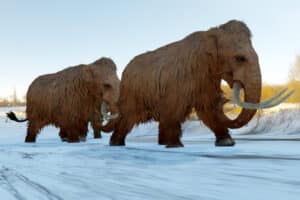
No discussion of extinct wonders would be complete without the Woolly Mammoth, an iconic behemoth that roamed the icy tundras with its majestic, fur-clad frame. Visualize, if you will, the Roman legions, perhaps trading stories of bravery and conquest, conjuring visions of this magnificent beast with its towering stature and long, curved tusks. The woolly mammoth encapsulated the resilience of life against the unyielding forces of nature, traversing vast landscapes long before humanity reached its zenith. Yet, as the planet warmed and habitats transformed, this titan succumbed to the pressures of environmental change and hunting by early humans, becoming yet another chapter in the somber narrative of extinction.
As we descend further into the tapestry of time, the Auerochs, a formidable ancestor of modern cattle, emerges from the shadows. These mighty beasts roamed the woodlands and grasslands of Europe and were fervently admired by the Romans, who utilized them as symbols of strength and virility. Standing as high as six feet at the shoulder, these hulking figures were not only providers of sustenance but also harbingers of harmony within the ecosystem. Regrettably, relentless hunting and habitat destruction extinguished their flames of existence in the 17th century, leaving behind a legacy that lingers in the cattle breeds we know today but only as a pale imitation of the grandeur that once was.
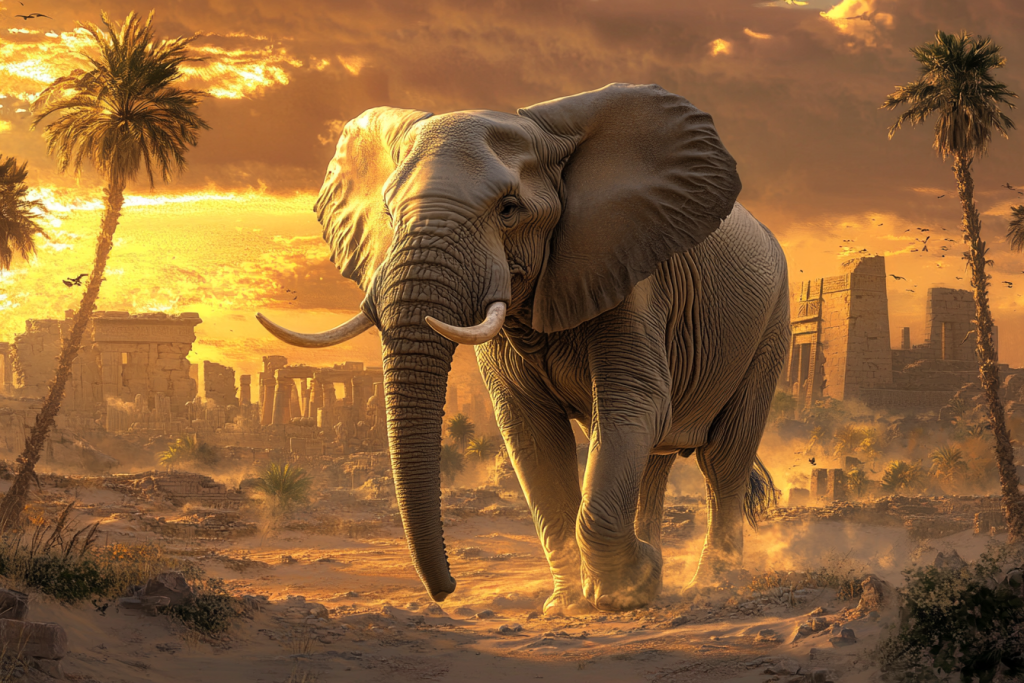
Further afield, the mythic Charibdis awaits, conjuring images of a colossal, mythical being. In reality, the Roman encounter with the real-life Elephas antiquus, the Straight-tusked Elephant, blurs the line between myth and reality. A majestic figure that marched across the Italian landscape, this elder statesman of the elephant family might have trampled through the coliseums of Rome at the behest of emperors, showcasing both power and glory to the astonished masses. Its eventual extinction in the wake of climate change and habitat encroachment only serves to heighten the melancholia of its historical significance—a poignant symbol of a world irretrievably changed.
The mystical Pelagornis, a remarkable avian giant with wingspans that defied comprehension, also punctuates the tapestry of Roman wildlife. This creature soared high above the coastal cliffs, navigating the skies with elegance that could evoke envy in the hearts of angels. Its ability to glide effortlessly over expanses of water marked it as a true marvel of evolutionary design. Yet, as the tides of time shifted, it, like many others, succumbed to the impermanence that defines existence.
In juxtaposition to these formidable creatures, the diminutive Hesperornis presents a different narrative. A flightless bird that traversed the waters of the ancient seas, it held adaptations that rendered it a master of underwater navigation. The Romans, blessed with a keen eye for the extraordinary, may have glimpsed this small yet tenacious avian as an embodiment of resilience. Nonetheless, the tides of change and the relentless march of evolution extinguished its niche, offering a stark reflection of vulnerability against an unforgiving landscape.
With each passing creature that faded into oblivion, the unrelenting truth of extinction emerges—a narrative suffused with lessons, regrets, and untold possibilities. As stewards of the Earth, we stand at a precipice, bearing witness to the consequences of our actions. Each extinct species serves as an indelible reminder of the delicate thread of life, a metaphor for our own fleeting existence in this cosmos. In remembrance of the extinct animals the Romans once saw alive, we are beckoned to forge a future where we learn, adapt, and elevate our stewardship of the natural world, lest we write further chapters in the tragic annals of extinction.







Leave a Comment