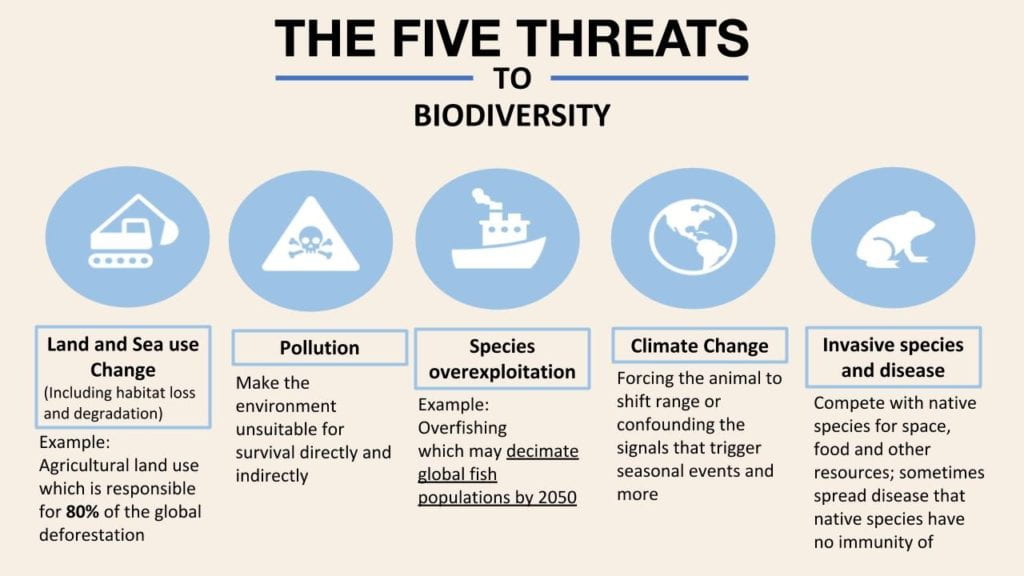
Biodiversity is not merely a colorful tapestry woven from the myriad threads of life on Earth; it is the bedrock upon which the human condition stands. The intricate symbiosis that exists among species, ecosystems, and the atmospheric phenomena shapes our very existence, influencing everything from the air we breathe to the agricultural bounty that sustains us. As we plunge deeper into the 21st century, the unrelenting degradation of biodiversity looms as one of the gravest threats to our planet. It is essential to grasp not only the magnitude of this crisis but also the profound interconnections that compel us to act.
The relationship between biodiversity and the health of our planet is both overt and nuanced. Ecosystems rich in diversity tend to be more resilient, exhibiting a remarkable capacity to withstand perturbations—be they climatic shifts, human encroachment, or the scourge of invasive species. A veritable cornucopia of species bolsters ecosystem services, enhancing soil fertility, purifying water, pollinating crops, and regulating the climate. When biodiversity dwindles, it strips away these essential services, leaving not just wildlife bereft but humanity itself vulnerable to a cascade of consequences.
One of the most salient illustrations of this principle lies within the realm of agriculture. A monoculture, the agricultural practice of growing a single crop species in a given area, has become alarmingly prevalent. While it may offer short-term economic gains, the ramifications of such practices expose crops to risks of pests, disease, and soil depletion. Biodiversity acts as a natural insurance policy against these threats. Diverse agroecosystems, teeming with various plant and animal species, can naturally deter pests and bolster resilience against climatic extremities. Thus, when farmers cultivate polycultures—planting a variety of crops co-located—they not only enrich their harvest but also fortify their land against the unpredictabilities of nature.
Moreover, the rich tapestry of life has an uncanny ability to optimize human health. The connection between biodiversity and the emergence of diseases remains an intriguing and alarming phenomenon. Studies indicate that ecosystems with high biodiversity can mitigate the spread of zoonotic diseases—pathogens that leap from animals to humans. In contrast, when ecosystems falter, the likelihood of disease transmission escalates—think of the correlation between deforestation, habitat degradation, and the HIV/AIDS epidemic or the emergence of COVID-19. By preserving biodiversity, we engage in an act of self-preservation, safeguarding not only wildlife but also the very essence of human health.
The cultural and psychological dimensions of biodiversity are equally compelling. Humanity’s affinity for the natural world is woven into the fabric of our cultural narratives, inspiring art, spirituality, and philosophical thought. The loss of biodiversity is not merely an environmental issue; it is a cultural tragedy. Many indigenous communities, who have inhabited specific ecosystems for generations, view biodiversity as a repository of their ancestral heritage, entwined with their identity and survival. For these communities, the extinction of species or the degradation of ecosystems resonates as a loss of stories, wisdom, and traditions. Preserving biodiversity is, therefore, a pursuit that transcends ethics—it’s about honoring our shared histories and the legacy we leave for future generations.
As we scrutinize the global trajectory of biodiversity loss, we uncover alarming statistics that underscore our precarious situation. According to the latest reports, over one million species are on the brink of extinction due to human activity. Habitat destruction, climate change, pollution, and overexploitation synergistically accelerate this decline. The Amazon rainforest, often dubbed the “lungs of the Earth,” is experiencing deforestation at an unprecedented rate, jeopardizing countless species and the indigenous communities that depend on them. This situation is not isolated; it is a harbinger of what awaits if we continue on this heedless path.
Responses to this existential crisis must encompass both policy and collective action. Initiatives aimed at rewilding, restoring habitats, and implementing sustainable practices are paramount. Individuals can play a role, too. Simple actions—such as supporting localized, sustainable farms, advocating for conservation efforts, and minimizing waste—can contribute to a broader movement aimed at preserving the delicate balance of nature. Educating ourselves and others about the significance of biodiversity is the first step toward rekindling our respect for the intricate web of life that sustains us.
Equally significant is the role of technological innovation in combating biodiversity loss. Advances in ecological monitoring, bioremediation, and sustainable agricultural practices are unraveling new possibilities for coexistence. By harnessing technology thoughtfully, we can promote conservation and enhance the capabilities of existing ecosystems. However, such advances must be wielded with prudence and responsibility, ensuring that they do not exacerbate the very challenges we aim to mitigate.
The story of biodiversity is one of interconnectedness, resilience, and the enduring spirit of life itself. In acknowledging its significance, we recognize our place in this grand narrative. The call to action is loud and clear: our decisions today will reverberate for centuries to come. It is incumbent upon us to forge a path toward a future where biodiversity thrives, ecosystems flourish, and humanity coexists harmoniously with the natural world. The stakes are high, but the rewards—both tangible and intangible—are immeasurable. In safeguarding biodiversity, we safeguard our future. In the intricate orchestration of life, every note counts; every being lends its voice to the symphony of existence. We must not falter in our duty to preserve it.








Leave a Comment