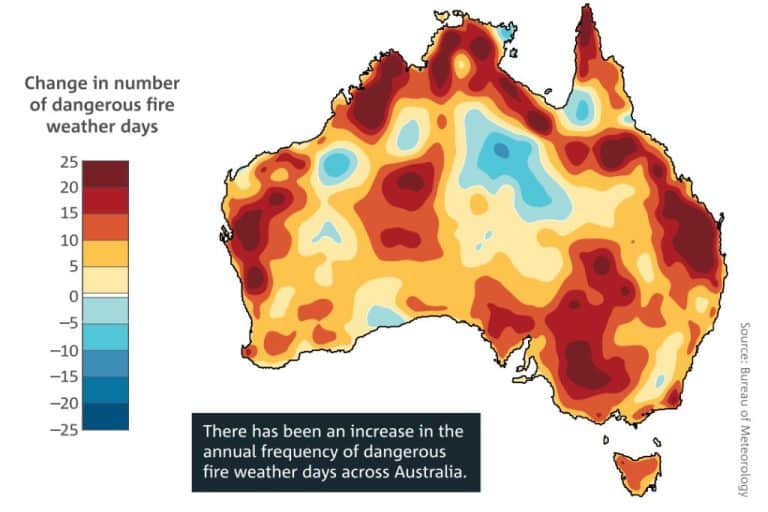
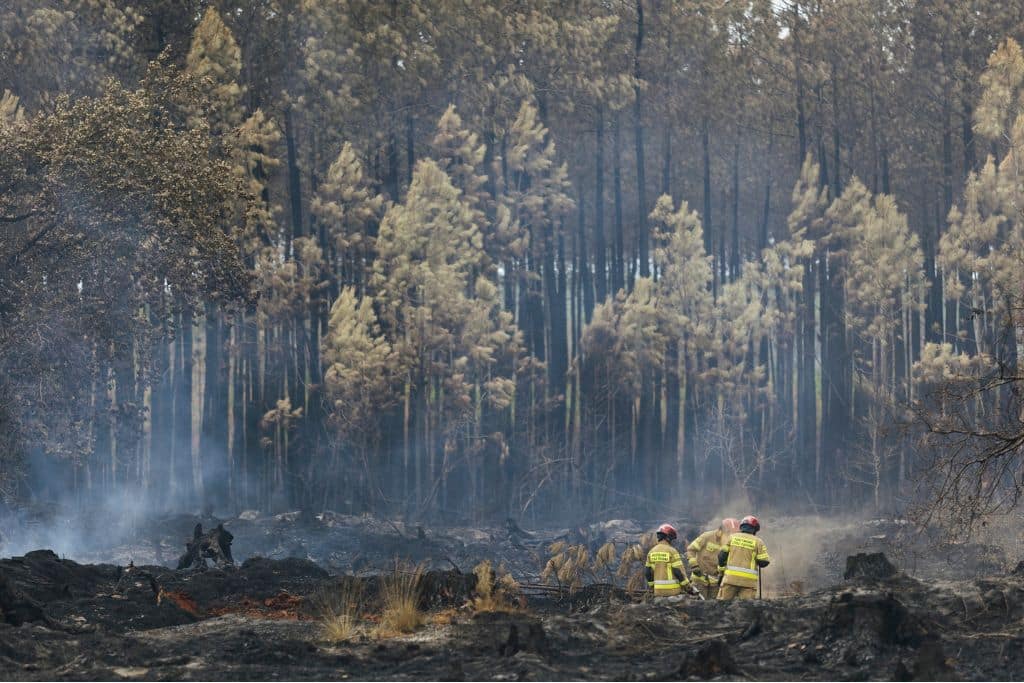
Australia’s Southeast is currently bracing for an extreme fire risk, a situation exacerbated by an intense and relentless heatwave. This combination of climatic abnormalities showcases the precarious balance of nature and raises profound questions about our relationship with the environment. In recent years, this region has become synonymous with destructive wildfires, leaving indelible scars on the landscape and a profound impact on local ecosystems and communities. But beneath the surface of this impending danger lies a captivating story that intertwines human activity, natural forces, and the very essence of what it means to coexist with our planet.
The phenomenon of increased fire risk in Southeast Australia is fundamentally tied to climatic variability. The region has endured persistent drought conditions, causing landscapes to become parched and accumulative fuel for any forthcoming fire. Meteorological data indicates that rising temperatures, coupled with erratic rainfall patterns—part of a larger pattern attributed to climate change—contribute to these devastating fire scenarios. The paradox is striking: while nature is capable of regeneration, human-induced factors have significantly altered the regenerative processes of these ecosystems.
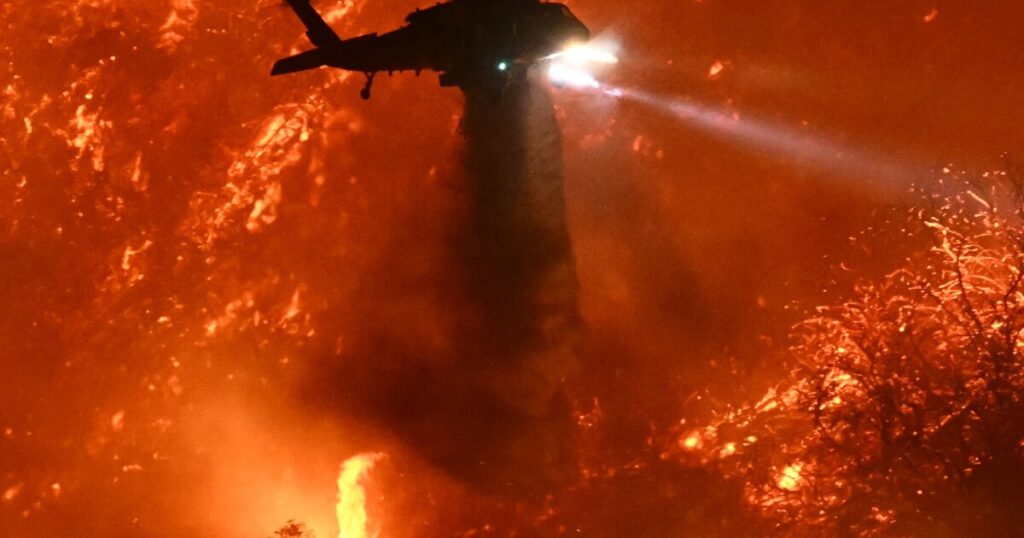
Moreover, the inhabitants of Australia’s Southeast are no strangers to the devastation wrought by wildfires. The 2019-2020 bushfire season, often referred to as “Black Summer,” serves as a stark reminder of this reality. Over 18 million hectares of land were scorched, resulting in the loss of lives, homes, and biodiversity. The imagery of the charred earth and the haunting cries of wildlife still resonate in the memory of those who witnessed the destruction. However, the recurrentity of these events raises compelling questions about preparedness, response mechanisms, and the integration of modern technologies in combating such calamities.
Despite the looming specter of fire, there is a peculiar human fascination with the very landscapes that threaten our existence. The rugged beauty of the Australian wilderness holds a magnetic allure. From the sprawling gum forests to the undulating hills, these sights evoke both admiration and trepidation. It invites exploration and instigates a tumultuous push-and-pull between adventure seekers and environmental advocates who aim to protect this fragile ecosystem. As the heatwave engulfs the Southeastern territories, the juxtaposition of beauty and danger becomes palpably evident—illustrating not just the physical landscape, but also the complexities of human emotions towards nature.
This intense heatwave forecast resonates with a historical context. Indigenous Australians have long understood the rhythms of the land, employing a form of land management known as “cultural burning.” Through this practice, they would carry out controlled burns to reduce fuel loads, prevent uncontrollable fires, and promote the growth of specific flora. However, contemporary society, with its focus on progress and development, has often disregarded these ancient methods in favor of more contemporary fire management strategies. This historical oversight reveals deeper truths about societal relationships with nature and ecological knowledge. Ultimately, details lost to time embody a narrative of cultural disconnect that continues to influence our interaction with the environment.
As the impending heatwave tightens its grip, there is a pressing necessity for a multi-faceted approach to fire management. Community engagement becomes paramount as local populations must be equipped with the knowledge and tools to actively respond to the challenges posed by this extreme weather. Implementing educational programs that emphasize the importance of understanding fire behavior, alongside training in community fire preparedness, can significantly mitigate the risk. Furthermore, enlisting Indigenous wisdom can lead to a more nuanced approach to land management, blending traditional methods with modern practices to foster resilience.
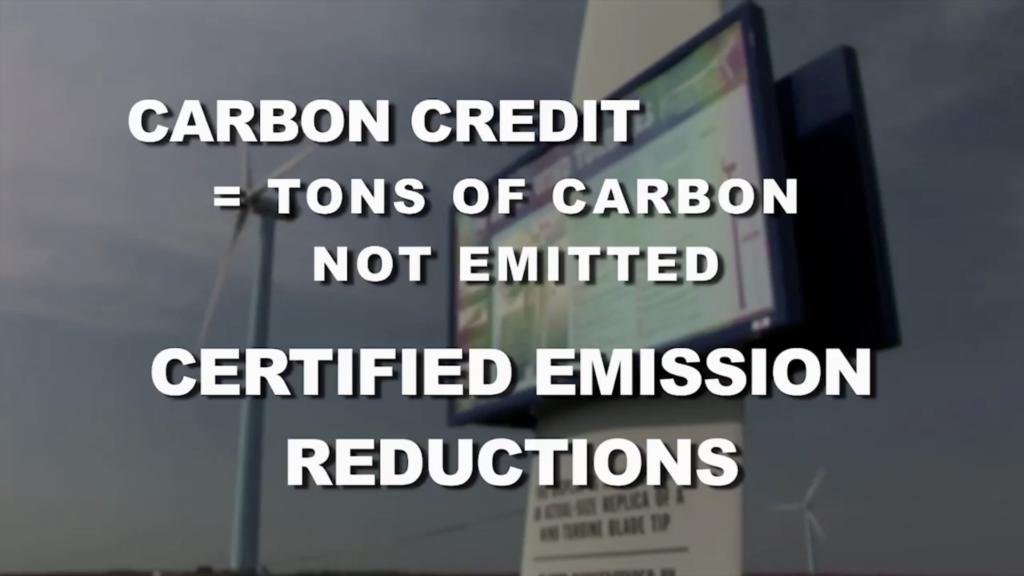
In tandem, policymakers must prioritize funding for research on climate adaptability. Innovative scientific approaches, including the development of fire-resistant plant species and advancements in forecasting technologies, provide invaluable resources for predicting and mitigating wildfire risks. Yet, technological solutions must be paired with robust policies aimed at reducing greenhouse gas emissions and addressing the root causes of climate change. The interrelationship between human activity and environmental health cannot be overstated; the fires of tomorrow can only be quelled through concerted efforts today.
Ultimately, the question we must grapple with is: How do we cultivate a profound sense of responsibility towards the land we inhabit? The answer lies not solely in technological advancements or policy changes, but in a shift of perspective—an acknowledgment that we are not merely tenants of this earth, but stewards of a delicate balance between ourselves and the environment. As the Southeast of Australia stands on the precipice of another fire season, reverence for the land and the stories embedded within it must guide our responses, ensuring that future generations can bear witness to both the beauty and the resilience of this extraordinary landscape.
In summary, as Australia’s Southeast braces for yet another extreme fire risk amid an unyielding heatwave, a mosaic of factors plays into the evolving narrative of fire management and environmental stewardship. Through historical perspectives, community engagement, and scientific innovation, we can forge a path toward resilience. The complexities of our relationship with nature may harbor inherent contradictions, yet they also present profound opportunities for learning and growth. The wilderness, with all its fury and fragility, beckons us to not just comprehend, but to care—deeply, passionately, and responsibly.




Leave a Comment