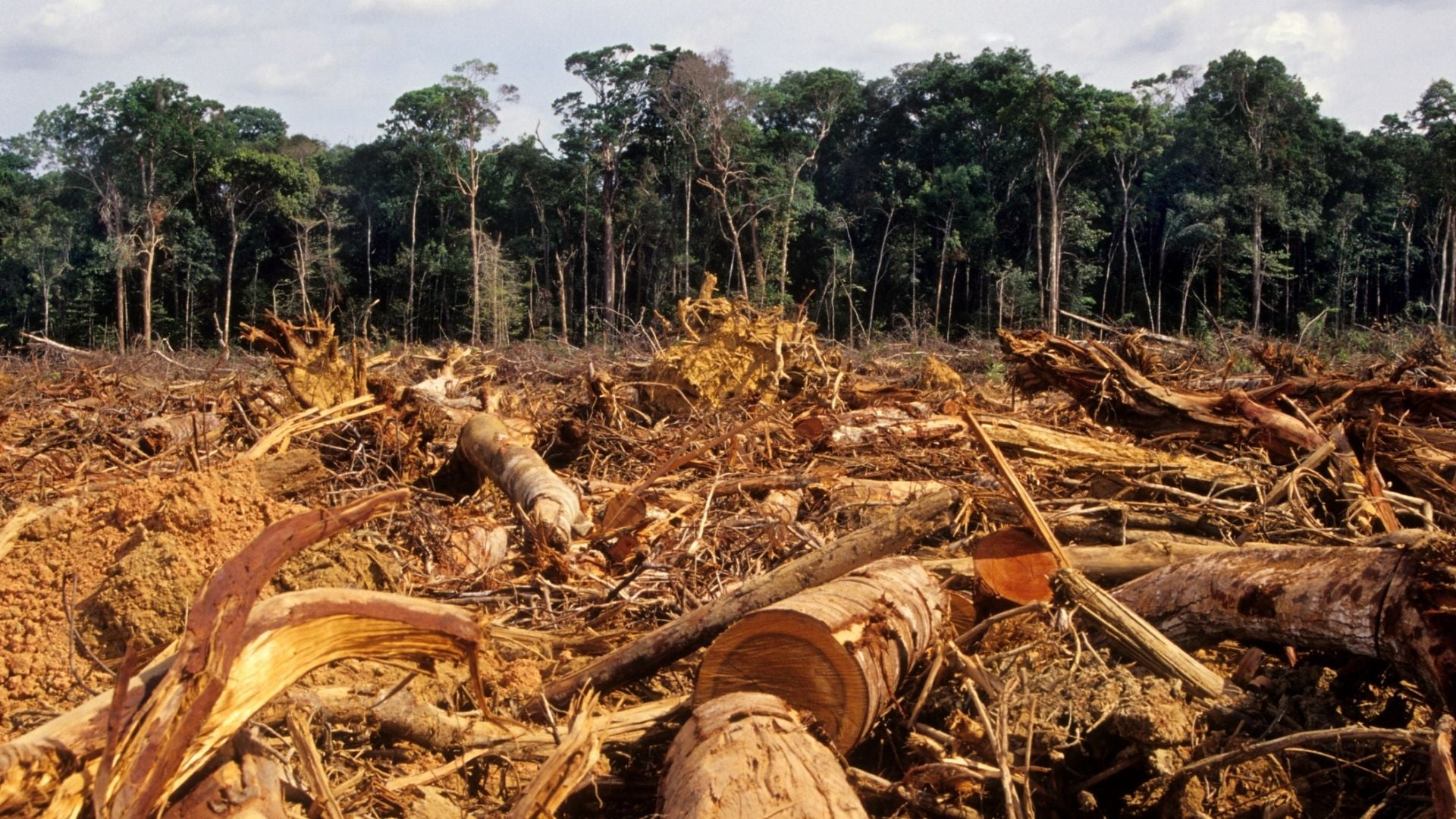
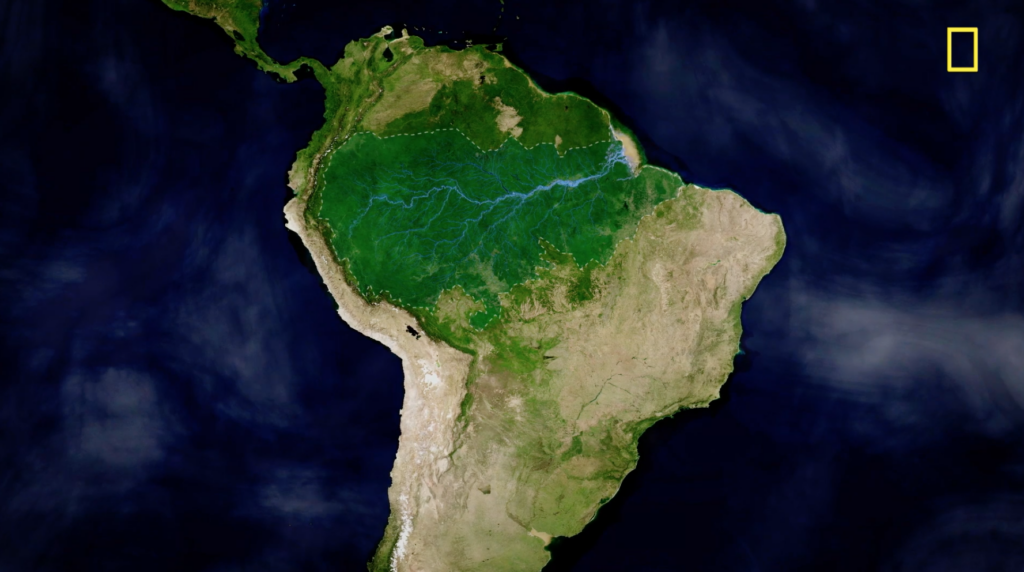
As the melodious symphony of the Amazon rainforest begins to fade, an unsettling transformation looms on the horizon. The vibrant greens of this lush paradise, teeming with life, are gradually yielding to the arid patches of savanna. The consequences of such a monumental shift are profound, as wildlife faces the impending specter of collapse, casting a dark shadow on the future of biodiversity.
The Amazon rainforest, often referred to as the “lungs of the Earth,” serves as a sanctuary for over 10% of the known species on our planet. Birds of iridescent plumage flit between colossal trees, while elusive jaguars stalk the undergrowth. However, the delicate balance of this ecosystem is under threat. Deforestation, climate change, and illicit resource extraction form a trifecta of destruction that is inexorably pushing the Amazon towards a tipping point.
Imagine the rainforest as an ancient tapestry, intricately woven with threads of life, each strand representing a species—an indelible mark of nature’s artistry. Yet, with the encroachment of savanna, this tapestry begins to unravel. Trees are felled, habitats are decimated, and the fragile interconnections that sustain this vibrancy are severed. What once thrived in the cool shade now faces the scorching sun.
The notion of tipping points in ecological systems serves as a harbinger of disaster. When an ecosystem teeters on the brink of drastic change, it can fast-track a transition from one state to another. In this case, the lush expanse of forest is giving way to a dry, open landscape where water scarcity reigns. The synergy that existed between flora and fauna is disrupted, leading to an unsustainable natural order.
The vast array of species endemic to the Amazon faces unprecedented challenges. Consider the majestic macaws, bright flashes of color swooping through the canopy. Their existence hinges on the intricate web of partnerships formed with the trees that provide their nesting sites and the fruits they depend upon. As deforestation accelerates, the very essence of their survival fades, leaving them more vulnerable with each passing year. Their vibrant calls, once echoing through the misty mornings, may soon become echoes of the past.
The terrestrial realm of the Amazon—home to an astonishing variety of mammals—faces an equally grim fate. The tapir, the forest’s gentle giant and vital seed disperser, finds its lush habitat diminishing. As the landscape morphs into a less hospitable savanna, the availability of food dwindles. Moreover, the loss of canopy cover exposes them to predators and harsh weather conditions, further compounding their challenges.
In the aquatic arteries of the Amazon, aquatic creatures also brace for impact. The mighty Amazon River teems with life, from vibrant piranhas to the elusive pink river dolphin. Changes in land use result in altered water cycles, threatening the delicate balance of these freshwater ecosystems. As the waters warm and pollution seeps in, the very fabric of life beneath the surface unravels, putting these aquatic species on a path towards decline.
Alongside the immediate threats to wildlife, the oncoming shift to savanna poses broader implications for climate stability. The Amazon rainforest plays an essential role in carbon sequestration—absorbing copious amounts of carbon dioxide and releasing life-giving oxygen. As the trees fade, so does nature’s ability to regulate climate, generating a ripple effect far beyond its borders. This interconnectedness underscores that the fate of the Amazon is not isolated; it is tightly woven with the wellbeing of our planet.
Humanity bears a shared responsibility, acting as both the architect of this looming tragedy and the potential saviors. It was through industrialization and exploitation that we have carved pathways into this wild landscape, yet it is through collective action and awareness that we can stitch the frayed edges of this tapestry back together. Communities, NGOs, and governments must unite to protect the biodiversity that remains and restore the ecosystems that have been disrupted. Sustainable practices must replace exploitative traditions, fostering a harmonious balance with nature rather than one of contraction and collapse.
Efforts to reforest damaged areas, coupled with stringent policies against illegal activities, can provide crucial relief. Implementing land management strategies that promote sustainable agriculture can help to preserve the integrity of the rainforest while still meeting human needs. Additionally, engaging local communities in preservation efforts empowers them to serve as stewards of their rich heritage, illustrating that conservation not only benefits the planet but also enhances their quality of life.
As the Amazon teeters on the precipice of transformation, it serves as a poignant reminder of the fragility of existence. The intricate dance between species, the delicate ecosystem that has evolved over centuries, now stands at risk of collapsing into a new, uninspired form. The impending shift to savanna symbolizes more than a mere change in landscape; it reflects a loss of irreplaceable biodiversity—a somber revelation of what we stand to lose if we do not take action.
The call is urgent, and the time for action is now. The fate of the Amazon, and indeed the fate of our planet, hangs in the balance. The vibrant symphony of life that resonates through its trees must not become a distant memory. Thus, it is incumbent upon us to protect this irreplaceable ecosystem and advocate for a future where wildlife thrives, and the lush expanse of the Amazon remains a verdant testament to nature’s resilience.






Leave a Comment