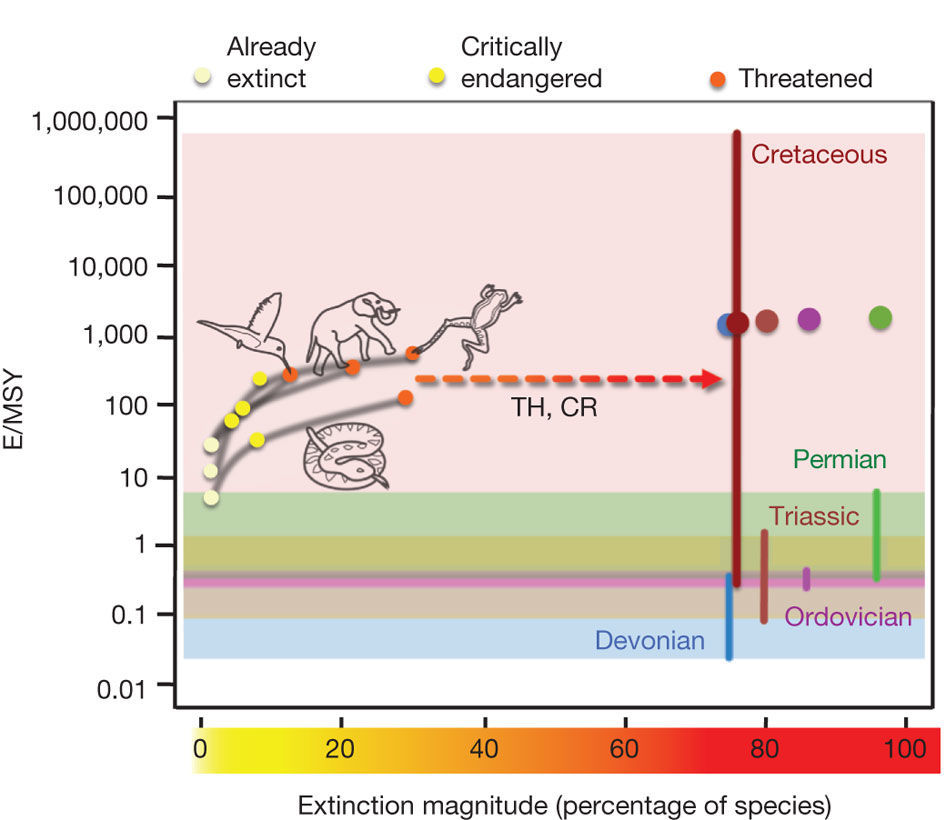
As the world around us continues to evolve, a pressing question emerges: Are extinction rates really nothing to worry about? This is a topic that often invokes complex emotions, ranging from ambivalence to outright despair. Yet, it might be time to engage with this question thoughtfully, recognizing the underlying intricacies rather than succumbing to the superficiality of periodic headlines. To navigate this vital discourse, one must first understand the profound implications of extinction—both ecologically and philosophically.
The alarming reality is that extinction is a natural and inevitable process. Historically, countless species have risen and subsequently disappeared from the annals of our planet. The Earth has endured five mass extinction events, each erasing a significant percentage of existing species. However, what separates the past from our current predicament is the alarming acceleration of species loss. The current extinction rate is estimated to be as much as 1000 times the natural background rate, a troubling statistic that commands our attention.
Yet, as we delve deeper into the heart of the matter, one begins to ponder whether all extinctions are inherently catastrophic. While biodiversity undeniably enriches our ecosystems, could it be that the incessant clamor surrounding extinction rates has drowned out a more nuanced conversation? The elimination of certain species may allow for the emergence of novel ecological dynamics—thus fostering resilience in other species. In this context, the perspective shifts. Are we not simply witnessing the ebb and flow of life itself?
To thoroughly grasp the gravity of extinction rates, we must first comprehend the role of biodiversity. The multitude of species that thrive in various ecosystems contributes to their stability, resilience, and overall health. Biodiversity performs myriad functions, from pollination and pest control to nutrient cycling and carbon sequestration. Each species plays a specific role—a cog within an elaborate machine. When one cog fails, it may set off a chain reaction. Yet, one must ask: is every cog equally vital? Certain species may well possess greater adaptability than others, thriving in changing environments while others fade away.
The argument that extinction might yield ecological balance is not devoid of merit. Nature’s intricate web is characterized by constant shifts; species adapt, evolve, and occasionally vanish. In this light, extinction can be viewed as a creative process—albeit with dire consequences for those species unable to keep pace with environmental change. A reduction in species diversity can spawn opportunities for others. The resilience of remaining species may enhance the overall adaptability of ecosystems. Yet, the loss of keystone or foundation species, those whose presence is crucial for the ecosystem’s integrity, can destabilize entire habitats.
Acknowledging that not all extinctions are created equal does not shift responsibility away from humanity. The omnipresent threat of anthropogenic impact—ranging from habitat destruction to climate change—remains a primary driver of current extinction rates. Human activity has profoundly reshaped biodiversity, often with calamitous results. The question thus shifts: are we enabling a natural transition, or are we playing the role of an uninvited architect of chaos? The potential hubris in our influence is staggering.
This realization begs for reflection on our role as stewards of the Earth. When faced with unsettling statistics on extinction rates, one must consider the dichotomy between inaction and intervention. Conservation efforts may focus on the preservation of existing species and habitats, yet such measures can be fraught with contention. The debate often showcases conflicting interests, as industrial and economic pursuits clash with ecological preservation efforts. The inherent tension between progress and conservation requires a delicate balance, prompting the necessity for innovative solutions.
The development of wildlife corridors, sustainable agriculture, and the restoration of native habitats illustrates the transformative potential of human intervention. These strategies demonstrate that it is indeed possible to mitigate the adverse effects of human activity. One might observe that a proactive approach not only curbs extinction rates but also cultivates biodiversity, fostering an environment conducive to both ecological and economic prosperity.
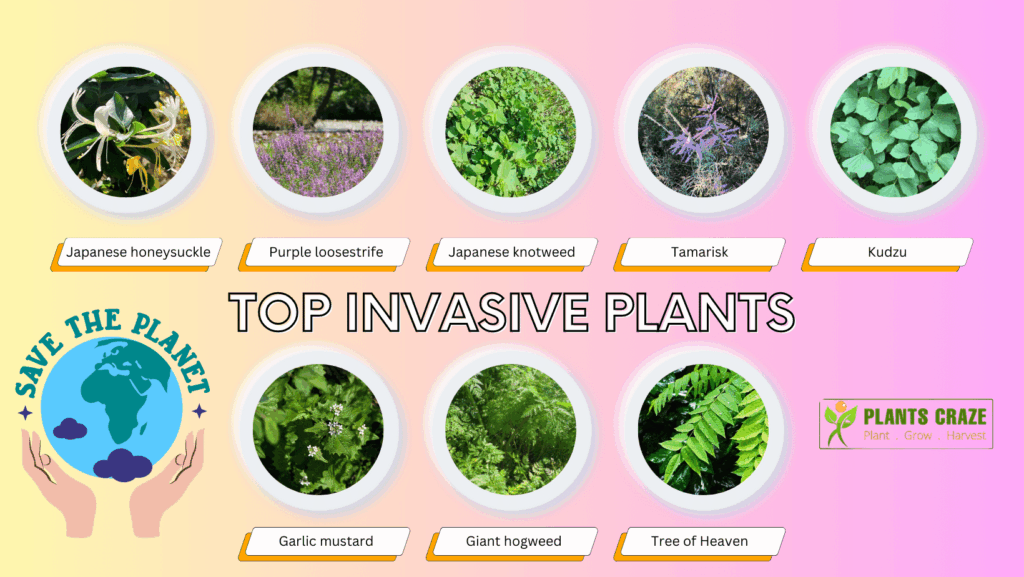
As one gazes upon the broader implications, the engagement with extinction rates provokes an undeniable sense of urgency. Climate change, habitat destruction, pollution, and invasive species collectively exert a stranglehold on biodiversity. The intertwining nature of these crises paints a daunting picture; the loss of species is often indicative of larger ecological dysfunctions. Recognizing this may lead individuals and communities to reconsider their symbiotic relationship with nature. Rather than tuning out these catastrophic narratives, engaging with them fosters compassion and a deeper understanding of ecological interdependence.
Thus, the question remains: are extinction rates really nothing to worry about? The answer resides not merely in statistics, but in a profound respect for the complexity of life. While it is tempting to eschew worry in favor of detachment, responsibility calls for introspection and commitment. It is not just species at stake; rather, it is the potential for a harmonious existence with our planet and its intricate ecosystems. There lies an opportunity for a paradigm shift, urging us to confront our collective impact and reconsider our roles in a rapidly evolving world.
In an era where the consequences of inaction have never been clearer, the dialogue surrounding extinction rates must evolve from apathy to engagement. By reframing our understanding, we can reshape the narrative, transforming what may seem as insurmountable despair into actionable insights and inspiring efforts. In the end, embracing the full spectrum of this discourse may just illuminate pathways toward a more sustainable and equitable coexistence with nature.







Leave a Comment