
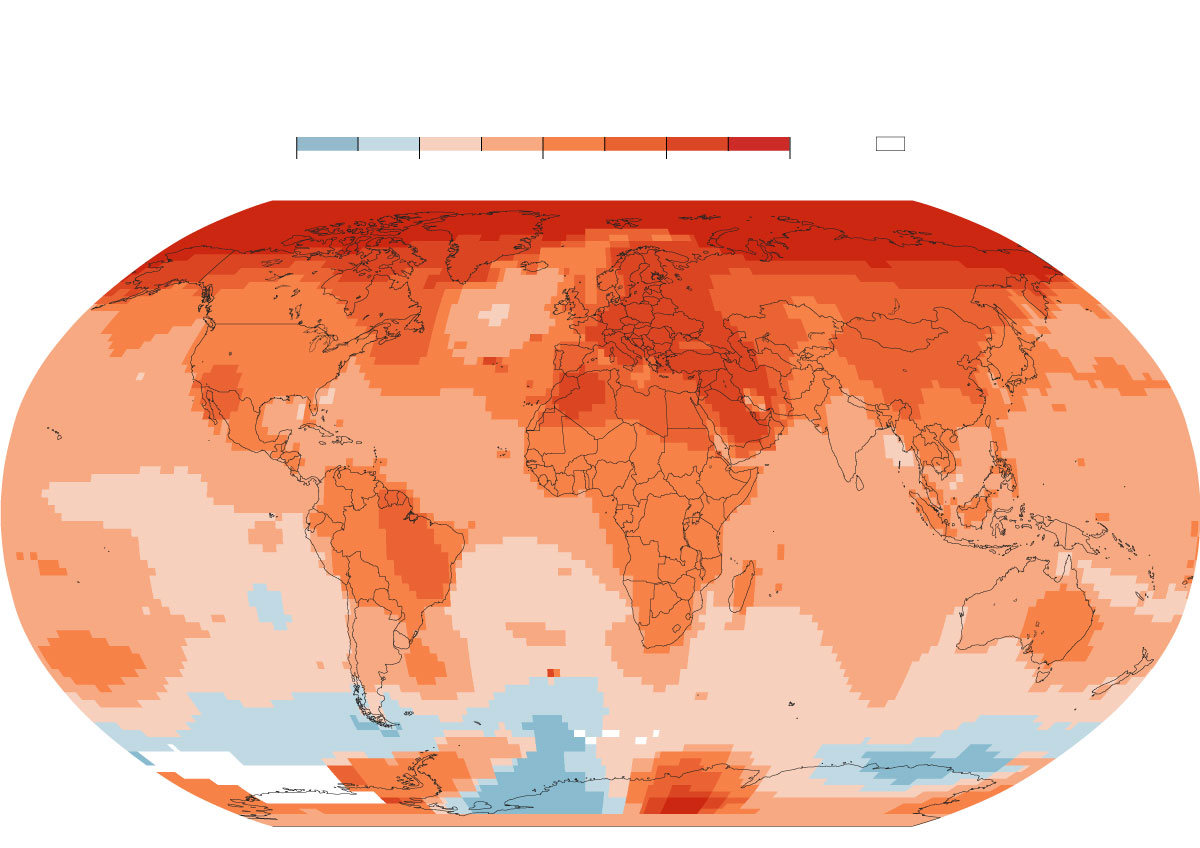
Arctic warming, also known as Arctic amplification, describes why the polar region is heating two to three times faster than the planet overall, driven by feedbacks involving sea‑ice loss, permafrost thaw, and altered atmospheric and oceanic circulation.
Quick Answer
Arctic warming occurs because the loss of reflective sea ice and snow exposes darker ocean and land surfaces, which absorb more solar energy. This extra heat accelerates permafrost thaw, releasing greenhouse gases that further warm the atmosphere. The combined effect—known as Arctic amplification—means the region warms roughly 2–3 times faster than the global mean, with implications for sea‑level rise, extreme weather, and Indigenous livelihoods. While the overall pattern is well‑established, uncertainties remain about the exact timing of feedback thresholds and regional variations.
Key Takeaways
- Arctic amplification means the North warms 2–3 × faster than the global average.
- Albedo loss from melting sea ice and snow is the primary driver of extra heat absorption.
- Thawing permafrost releases CO₂ and methane, creating a potent greenhouse‑gas feedback.
- Changes in the polar vortex and ocean currents link Arctic warming to mid‑latitude weather extremes.
- Solutions require rapid global greenhouse‑gas reductions, Arctic‑focused monitoring, and community adaptation.
What Is Arctic Warming Explained: Why the North Is Heating Up Faster Than Earth Overall?
Arctic warming refers to the observed and projected increase in temperature across the Arctic Circle that exceeds the rate of warming measured for the planet as a whole. The phenomenon is a subset of global climate change but is distinguished by its intensity and the feedback mechanisms that amplify warming locally. It matters because the Arctic stores large amounts of carbon, regulates ocean circulation, and influences weather patterns far beyond the polar region.
How Does It Work?
1. Albedo Feedback
Sea ice and snow have a high albedo, meaning they reflect most incoming solar radiation back to space. When ice melts, darker ocean water or exposed tundra absorbs more sunlight, converting it to heat. This additional heat melts more ice—a self‑reinforcing loop.
2. Permafrost Thaw and Greenhouse‑Gas Release
Permafrost contains up to 1,500 Gt of organic carbon. As the active layer deepens, microbes decompose this material, emitting carbon dioxide and methane. Both gases trap infrared radiation, strengthening atmospheric warming.
3. Changes in Atmospheric Circulation
The polar vortex—a band of strong westerly winds—weakens as the temperature gradient between the equator and pole shrinks. A weaker vortex allows cold Arctic air to spill southward and warm air to intrude northward, linking Arctic changes to extreme weather in Europe, North America, and Asia.
4. Oceanic Heat Transport
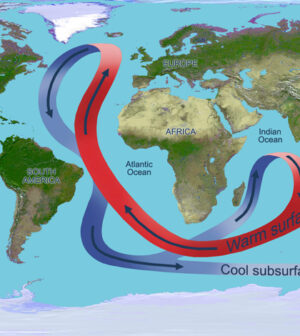
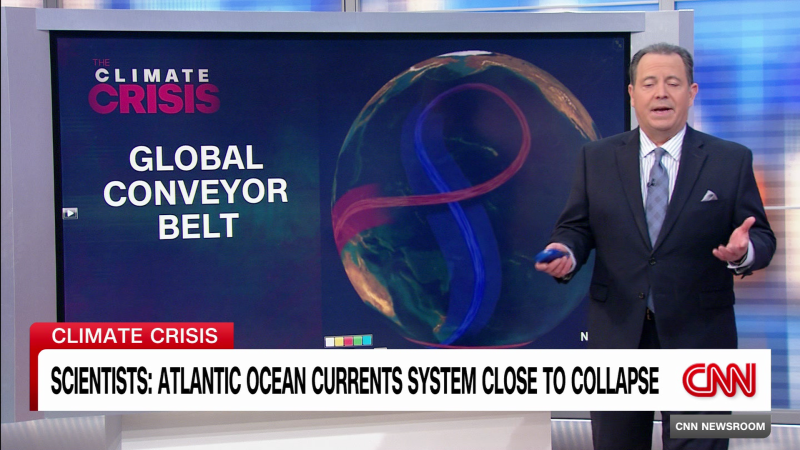
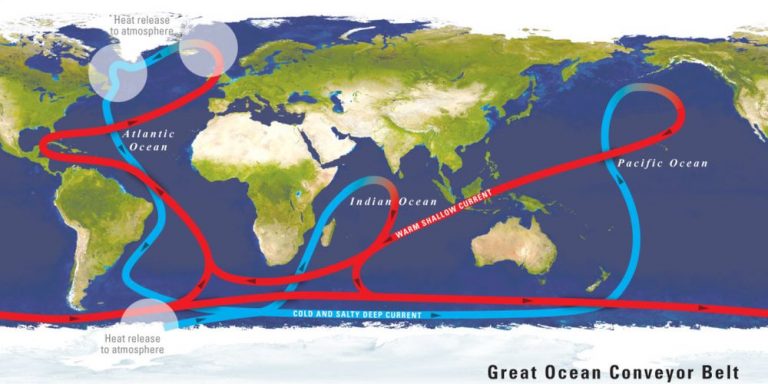
Warm Atlantic water enters the Arctic through the Fram and Barents seas via the Atlantic Meridional Overturning Circulation (AMOC). Freshwater input from melting ice can alter the density of surface waters, potentially slowing the AMOC and affecting heat distribution.
What Does the Evidence Show?
Multiple lines of evidence converge on the reality of Arctic amplification:
- Observational records: Instrumental temperature data from 1950–2020 show an average Arctic warming of ~2.3 °C, compared with a global mean of ~0.9 °C (NOAA, 2022).
- Satellite albedo measurements: NASA’s MODIS sensor documents a 0.5 % per decade decline in sea‑ice albedo since the 1970s, correlating with increased absorbed solar energy.
- Permafrost monitoring: The International Permafrost Association reports a mean active‑layer deepening of 0.3 m per decade across Siberia and Alaska (2021).
- Model assessments: The IPCC Sixth Assessment Report (2021) attributes >80 % of observed Arctic warming to anthropogenic greenhouse‑gas emissions, with feedbacks accounting for the remaining amplification.
Main Causes or Drivers
Direct Human Drivers
- Rising atmospheric CO₂ concentrations from fossil‑fuel combustion.
- Increased methane emissions from agriculture, landfills, and fossil‑fuel extraction.
Physical Amplifiers
- Loss of sea‑ice albedo.
- Snow‑cover reduction on tundra.
- Permafrost carbon feedback.
- Altered cloud cover that can trap longwave radiation.
Natural Modulators
- Solar variability (minor over the past century).
- Volcanic aerosols (short‑term cooling episodes).
Environmental and Human Impacts
Environmental Impacts
- Accelerated glacier and ice‑sheet melt contributes to sea‑level rise.
- Shifts in species ranges; boreal trees encroach on tundra, altering habitats.
- Increased coastal erosion along Arctic shorelines.
- Changes in marine productivity due to altered stratification.
Human Health and Social Impacts
- Indigenous communities face food‑security challenges as traditional species migrate or decline.
- Permafrost thaw can damage infrastructure—roads, pipelines, and buildings—raising maintenance costs.
- Greater risk of wildfires in northern boreal forests, affecting air quality.
Economic and Infrastructure Impacts
- New shipping routes (e.g., Northwest Passage) shorten travel times but increase risk of oil spills.
- Resource extraction becomes more accessible, potentially spurring economic activity but also raising environmental stakes.
Regional Differences
The rate of warming is not uniform across the Arctic. The Canadian Archipelago and parts of the Siberian coast have experienced the most rapid sea‑ice loss, while interior Greenland shows slower surface‑temperature trends due to high elevation. These variations stem from local ocean currents, atmospheric patterns, and geographic features such as mountain ranges that influence heat distribution.
What Scientists Know With High Confidence
- Arctic temperatures have risen roughly two to three times faster than the global average since the mid‑20th century.
- The albedo feedback from sea‑ice loss is a dominant driver of this amplification.
- Permafrost stores vast carbon reservoirs that are beginning to release greenhouse gases as temperatures increase.
- Human‑caused greenhouse‑gas emissions are the principal underlying cause of observed Arctic warming.
What Remains Uncertain
Key uncertainties include the precise timing of permafrost carbon release thresholds, the magnitude of future AMOC slowdown, and how quickly Arctic feedbacks might trigger abrupt climate shifts. Improved high‑latitude monitoring networks and longer climate model simulations are needed to narrow these gaps.
Common Misconceptions
Misconception: Arctic warming is just a seasonal fluctuation.
Reality: Long‑term instrumental records and satellite data show a persistent upward trend over decades, not a short‑term cycle.
Misconception: The Arctic is heating because the sun is stronger there.
Reality: Solar output has changed minimally over the past century; the dominant driver is reduced surface reflectivity and greenhouse‑gas forcing.
Misconception: Melting Arctic ice only affects polar bears.
Reality: Ice loss reshapes global sea level, weather patterns, and the cultural livelihoods of Indigenous peoples, extending far beyond charismatic megafauna.
Solutions and Limitations
Addressing Arctic amplification requires both mitigation of global emissions and adaptation to unavoidable changes:
- Rapid decarbonisation—shifting to renewable energy can limit further temperature rise, but the Arctic will continue to warm for decades due to climate inertia.
- Permafrost monitoring and protection—early‑warning systems can guide infrastructure design, yet large‑scale carbon capture from thawing soils remains technically immature.
- International governance—the Arctic Council facilitates cooperation, but its recommendations are non‑binding, limiting enforcement.
- Nature‑based solutions such as restoring coastal wetlands can sequester carbon, but their capacity is modest compared with global emissions.
What Individuals, Communities, and Governments Can Do
What Individuals Can Do
- Reduce personal carbon footprints by using public transport, improving home energy efficiency, and supporting clean‑energy policies.
- Donate to or volunteer with Indigenous‑led climate resilience projects that protect traditional knowledge and land stewardship.
What Communities and Organizations Can Do
- Implement local climate‑adaptation plans that consider permafrost‑related infrastructure risk.
- Support citizen‑science initiatives that collect temperature, sea‑ice, and snow‑cover data to fill monitoring gaps.
What Governments Can Do
- Enforce ambitious emissions‑reduction targets consistent with the Paris Agreement to limit global warming to 1.5 °C.
- Invest in high‑latitude observation satellites and Arctic research vessels to improve forecasting.
- Develop binding regulations for shipping and resource extraction that include stringent spill‑prevention and emission standards.
Synthesis
Arctic warming—driven primarily by albedo loss, permafrost carbon feedback, and altered circulation—causes the polar region to heat 2–3 × faster than the rest of the world. Strong evidence confirms these mechanisms, while uncertainties linger around thresholds and regional nuances. Mitigation through rapid decarbonisation, coupled with targeted adaptation and robust governance, offers the most effective path to limit the cascading impacts on ecosystems, Indigenous peoples, and global climate.
Frequently Asked Questions
What is Arctic amplification?
Arctic amplification is the process by which the Arctic region warms at a rate two to three times faster than the global average, mainly because loss of reflective ice and snow exposes darker surfaces that absorb more solar energy.
How does sea‑ice loss contribute to faster Arctic warming?
Sea‑ice has a high albedo and reflects most sunlight. When it melts, darker ocean water absorbs more heat, which further melts ice in a feedback loop, accelerating regional temperature rise.
What role does permafrost play in Arctic warming?
Permafrost stores large amounts of organic carbon. Thawing releases carbon dioxide and methane, potent greenhouse gases that add to atmospheric warming and amplify Arctic temperature increases.
Why does Arctic warming affect weather in mid‑latitude regions?
Warming reduces the temperature contrast between the equator and pole, weakening the polar vortex. A weaker vortex allows cold Arctic air to move south and warm air to move north, influencing extreme weather patterns far from the Arctic.
What actions can governments take to address Arctic warming?
Governments can set and enforce ambitious emissions‑reduction targets, fund high‑latitude monitoring networks, regulate Arctic shipping and resource extraction, and support Indigenous adaptation initiatives.





Leave a Comment