
Preventing biodiversity extinction requires protecting habitats, restoring ecosystems, adopting sustainable resource use, and strengthening policies, all backed by robust scientific evidence and community engagement.
Quick Answer
Biodiversity extinction can be averted by conserving and restoring habitats, shifting to sustainable agriculture and fisheries, enforcing strong legal protections, and empowering local communities with knowledge and resources. Evidence from the Intergovernmental Science-Policy Platform on Biodiversity and Ecosystem Services (IPBES) and the Convention on Biological Diversity shows that well‑managed protected areas and ecosystem‑based management reduce species loss, though success depends on adequate funding, governance, and monitoring.
Key Takeaways
- Protected areas that are effectively managed can halt or reverse declines for many threatened species.
- Ecosystem restoration—such as reforestation and wetland rehabilitation—re‑establishes critical habitats and ecosystem services.
- Sustainable farming, forestry, and fishing reduce direct pressures on wildlife while supporting food security.
- Legislation, international agreements, and community‑led stewardship are essential for long‑term success.
- Individual actions matter when they aggregate into market demand for sustainable products and support for conservation policies.
What Is “What Can Be Done to Prevent Biodiversity Extinction?”
The phrase refers to the suite of scientific, policy, and societal measures aimed at stopping the irreversible loss of species and the erosion of genetic, species, and ecosystem diversity. It encompasses actions ranging from the designation of protected areas to the adoption of regenerative agriculture, from legal frameworks that ban illegal wildlife trade to citizen‑science monitoring programs. Unlike general environmental protection, the focus here is on preventing species disappearance and maintaining functional ecosystems.
How Does It Work?
1. Habitat Protection and Management
Protected areas safeguard core habitats from conversion, over‑exploitation, and pollution. Effective management includes anti‑poaching patrols, fire control, and community co‑management, which together maintain the ecological processes needed for species survival.
2. Ecosystem Restoration
Restoration restores ecological structure (e.g., forest canopy) and function (e.g., nutrient cycling). Techniques such as assisted natural regeneration, planting native species, and re‑introducing keystone organisms rebuild the habitat matrix that supports diverse life.
3. Sustainable Resource Use
Agroecology, regenerative agriculture, and ecosystem‑based fisheries replace destructive practices with methods that keep soil health, water quality, and habitat connectivity intact. Integrated pest management, crop diversification, and selective gear reduce by‑catch and habitat damage.
4. Legal and Policy Instruments
National wildlife laws, protected‑area designations, and international treaties (e.g., the Convention on Biological Diversity) create enforceable standards. Incentive mechanisms such as payments for ecosystem services encourage landowners to conserve biodiversity.
5. Community Engagement and Indigenous Knowledge
Local stewardship leverages traditional ecological knowledge, aligns conservation goals with livelihoods, and builds social acceptance for protected‑area boundaries.
What Does the Evidence Show?
Long‑term monitoring by the IUCN Red List indicates that, as of 2020, over 28,000 species were threatened with extinction, but species trends improve inside well‑managed protected areas (IPBES Global Assessment 2019). Systematic reviews of reforestation projects demonstrate an average 30% increase in bird diversity within ten years (Forest Ecology and Management, 2021). Meta‑analyses of agroecological farms report higher soil organic carbon and lower pesticide loads, which correlate with increased pollinator abundance (Agriculture, Ecosystems & Environment, 2022). Finally, evaluations of the EU’s Natura 2000 network show that legal protection combined with active management reduced species loss rates by 15% compared with unmanaged sites (European Environment Agency, 2020).
Main Causes or Drivers
Direct Causes
- Habitat loss from agriculture, urban expansion, and infrastructure development.
- Overexploitation of wildlife for food, trade, and pets.
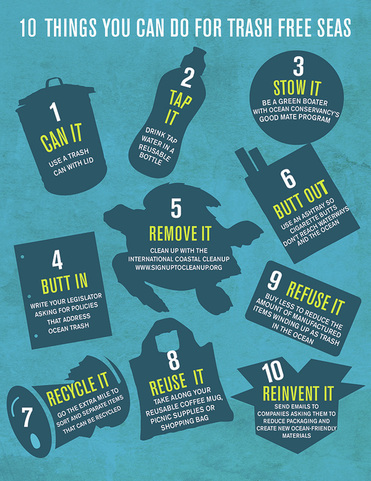
- Pollution, including plastic debris, pesticides, and nutrient runoff.
- Invasive species outcompeting native flora and fauna.
Underlying Drivers
- Population growth and rising consumption patterns.
- Economic incentives that favor short‑term extraction over long‑term stewardship.
- Weak governance and limited enforcement capacity.
- Climate change, which compounds other stressors by altering habitats.
Environmental and Human Impacts
Environmental Impacts
Loss of species reduces ecosystem resilience, destabilising services such as pollination, water purification, and carbon storage. Coral reef decline, for example, diminishes coastal protection and fisheries productivity, affecting both biodiversity and human livelihoods.
Human Health and Social Impacts
Biodiversity underpins medicines; over 50% of modern pharmaceuticals derive from natural compounds. Declines in pollinators threaten food security for an estimated 2.5 billion people dependent on insect‑pollinated crops (FAO, 2021). Cultural identities tied to specific species—particularly for Indigenous peoples—are also at risk.
Economic and Infrastructure Impacts
Ecotourism revenue, which contributed US$77 billion globally in 2019, falls when charismatic species disappear. Flood regulation by wetlands is compromised when wetland area shrinks, leading to higher infrastructure repair costs.
Regional Differences
In tropical regions, deforestation for soy and cattle drives the highest rates of habitat loss, whereas in temperate zones, urban sprawl fragments habitats. Island ecosystems, such as Madagascar and the Hawaiian archipelago, experience disproportionate extinction risk due to limited range sizes and invasive species. Conversely, some boreal forests benefit from low human density but face emerging threats from mining and climate‑induced fire regimes.
What Scientists Know With High Confidence
- Habitat loss is the leading direct driver of species extinction (IPBES 2019).
- Well‑managed protected areas can reduce local extinction rates (IUCN 2020).
- Restoring native vegetation improves biodiversity and ecosystem services (FAO 2021).
- Unsustainable fishing practices are linked to declines in marine megafauna (UNEP 2020).
What Remains Uncertain
Key uncertainties include the long‑term effectiveness of emerging technologies such as gene drives for invasive‑species control, the precise thresholds at which climate change will trigger irreversible ecosystem shifts, and the socioeconomic outcomes of large‑scale payment‑for‑services schemes in low‑income contexts. Better longitudinal data and interdisciplinary studies are needed to reduce these gaps.
Common Misconceptions
Misconception: Planting any trees will solve biodiversity loss.
Reality: Tree planting helps carbon sequestration but only restores biodiversity when native species are used and the site matches the ecological context.
Misconception: Biodiversity loss is only a problem for remote wilderness.
Reality: Urban green spaces, agricultural fields, and coastal zones all host species that provide essential services to nearby human populations.
Misconception: Individual lifestyle changes alone can stop extinction.
Reality: Personal choices matter when they aggregate into market demand and political pressure, but systemic policy reforms are required for large‑scale impact.
Solutions and Limitations
Effective solutions combine protection, restoration, sustainable use, and governance. Protected‑area expansion alone cannot succeed without adequate funding, local support, and enforcement. Restoration projects may fail if invasive species are not controlled or if climate conditions shift beyond species’ tolerances. Sustainable agriculture reduces pressure on wild habitats but may require higher labor inputs and transition subsidies. Legal instruments provide a framework but are limited by implementation capacity and corruption risk. Technological tools—such as drone monitoring—improve data collection but cannot replace on‑ground stewardship.
What Individuals, Communities, and Governments Can Do
What Individuals Can Do
- Choose certified sustainable seafood and responsibly sourced products.
- Support NGOs that fund habitat protection or restoration.
- Participate in citizen‑science projects that monitor local wildlife.
- Advocate for stronger biodiversity policies through voting and public comment.
What Communities and Organizations Can Do
- Develop community‑managed reserves that respect Indigenous land rights.
- Implement agroecological practices on communal farms.
- Launch local education campaigns linking biodiversity to health and livelihoods.
What Governments Can Do
- Set ambitious, science‑based targets for protected‑area coverage (e.g., 30% by 2030).
- Provide financial incentives for landowners to maintain native habitats.
- Strengthen enforcement against illegal logging, poaching, and wildlife trade.
- Integrate biodiversity considerations into all sectoral policies, including infrastructure planning.
Closing Synthesis
Preventing biodiversity extinction hinges on protecting and restoring habitats, shifting to sustainable resource use, and embedding strong legal and community frameworks. High‑confidence evidence shows that these actions reduce species loss, yet uncertainties about emerging technologies and socioeconomic outcomes remain. By aligning individual choices, community stewardship, and decisive government action, society can maintain the planet’s biological richness for future generations.
Frequently Asked Questions
What is the most effective way to stop species from going extinct?
Protecting and effectively managing key habitats through well‑funded protected areas is the most proven method, as it directly reduces habitat loss—the leading driver of extinction.
How does sustainable agriculture help biodiversity?
Sustainable practices such as agroecology keep soil health, reduce pesticide use, and maintain landscape heterogeneity, which together support pollinators, soil organisms, and wildlife while still producing food.
Can restoring forests bring back lost species?
Restoration can improve habitat quality and connectivity, allowing many native species to return, especially when native tree species are planted and invasive species are controlled.
What role do governments play in preventing biodiversity loss?
Governments set legal protections, allocate funding for conservation, enforce anti‑poaching laws, and create incentives like payments for ecosystem services that encourage land‑owners to preserve biodiversity.
Are individual consumer choices important for biodiversity?
Individual choices matter when they create market demand for sustainably sourced products and support policies; combined, these actions can drive larger systemic changes.








Leave a Comment