
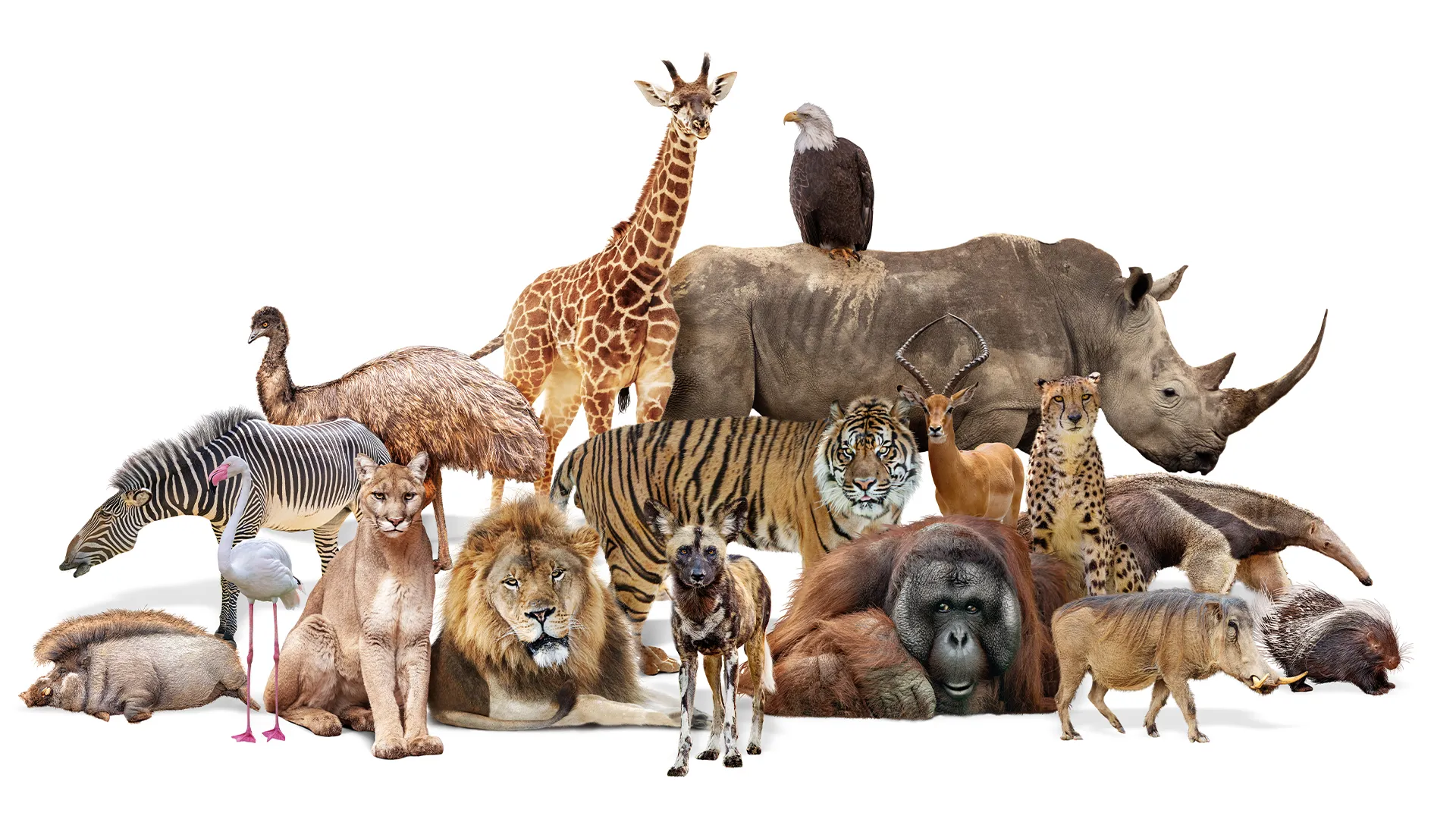
Habitat fragmentation isolates wildlife, reduces genetic exchange, and most severely harms large mammals, forest‑dependent birds, amphibians, and pollinators, threatening ecosystem stability worldwide.
Quick Answer
Habitat fragmentation occurs when natural landscapes are broken into smaller, isolated patches by roads, agriculture, or urban development. Species that need large, contiguous territories (e.g., grizzly bears, African elephants), those with limited dispersal ability (many amphibians and forest‑dwelling birds), and specialized pollinators experience the greatest declines. The scientific consensus is strong that fragmentation reduces population sizes, lowers genetic diversity, and raises extinction risk, although the exact magnitude varies by region and species.
Key Takeaways
- Large mammals with extensive home ranges are highly vulnerable because they cannot easily move between fragmented patches.
- Forest‑dependent birds lose nesting habitat and face higher predation at edges.
- Amphibians rely on both aquatic and terrestrial microhabitats; fragmentation disrupts breeding migrations.
- Native pollinators such as solitary bees suffer from reduced floral continuity, lowering foraging efficiency.
- Wildlife corridors, protected‑area networks, and land‑use planning are the most evidence‑based mitigation tools.
What Is Which Animals Are Most Affected by Habitat Fragmentation??
Habitat fragmentation refers to the process by which a once‑continuous natural area is divided into smaller, isolated fragments by human activities such as road construction, agricultural expansion, and urban growth. Unlike outright habitat loss, fragmentation leaves patches of habitat present but disconnected, creating edge effects, barriers to movement, and reduced gene flow. Understanding which animal groups are most impacted helps prioritize conservation actions and informs land‑use policies aimed at preserving biodiversity and ecosystem services.
How Does It Work?
Physical Barriers
Roads, fences, and cleared fields act as hard edges that limit the movement of non‑flying species. For animals that cannot cross open or hostile terrain, these structures effectively shrink their usable range.
Edge Effects
The edges of fragments experience altered microclimates—more sunlight, wind, and invasive species pressure. Species adapted to interior forest conditions (e.g., understory birds) suffer higher mortality and lower reproductive success at edges.
Reduced Gene Flow
Isolated populations breed within a smaller pool of individuals, leading to inbreeding depression and loss of genetic diversity. Genetic studies on grizzly bears in the Rocky Mountains reported a 15 % reduction in heterozygosity in highly fragmented zones (U.S. Fish & Wildlife Service, 2021).
Disruption of Life‑Cycle Movements
Many amphibians require connectivity between breeding ponds and terrestrial foraging sites. Fragmentation can lengthen or block these routes, reducing reproductive output and juvenile survival.
Cascading Ecological Impacts
When keystone species decline, trophic cascades can alter plant community composition, nutrient cycling, and even fire regimes, amplifying the initial fragmentation effect.
What Does the Evidence Show?
Multiple lines of evidence converge on the conclusion that certain taxonomic groups are disproportionately impacted:
- Large mammals: A meta‑analysis of 34 studies (IUCN, 2022) found an average 30 % reduction in occupancy for species with home ranges larger than 500 km² in fragmented landscapes.
- Forest‑dependent birds: Long‑term monitoring by the U.S. Breeding Bird Survey recorded a 25 % decline in detections of the Northern spotted owl between 1990 and 2020, closely linked to loss of old‑growth patches.
- Amphibians: A systematic review of 58 field experiments (Global Amphibian Assessment, 2020) showed up to a 40 % drop in breeding success for species with aquatic larvae when habitat patches were separated by more than 200 m.
- Pollinators: Research in European agricultural mosaics (European Environment Agency, 2021) indicated that bee foraging distance averages ~300 m; patches spaced farther apart experienced up to 60 % lower visitation rates.
These patterns hold across temperate, tropical, and boreal regions, though the magnitude varies with landscape configuration and species‑specific traits.
Main Causes or Drivers
Direct Causes
- Road and highway construction that bisects habitats.
- Conversion of forest or grassland to cropland, pasture, or urban development.
Underlying Drivers
- Population growth and the associated demand for food, housing, and infrastructure.
- Economic incentives that favor commodity agriculture over land‑conservation.
- Policy frameworks that prioritize short‑term development without integrating biodiversity safeguards.
Environmental and Human Impacts
Environmental Impacts
Fragmentation reduces species richness, alters predator–prey dynamics, and can shift essential ecosystem processes such as pollination, seed dispersal, and carbon storage. For example, loss of large herbivores like African elephants diminishes long‑distance seed dispersal, affecting forest regeneration patterns.
Human Health and Social Impacts
Declines in pollinator populations can lower yields of pollinator‑dependent crops, threatening food security and farmer livelihoods. Fragmented waterways that support river otters often experience higher pollutant loads, compromising water quality for downstream communities.
Economic and Infrastructure Impacts
When animals are forced into agricultural fields, crop damage and mitigation costs increase. Wildlife overpasses and underpasses have been shown to cut vehicle‑collision rates by up to 90 % in some North American corridors, representing a cost‑effective safety improvement.
Regional Differences
While the mechanisms of fragmentation are globally consistent, the species at risk and the scale of impact differ:
- North America: Road networks fragment boreal forests, heavily affecting the Canada lynx, which requires large, snow‑covered territories.
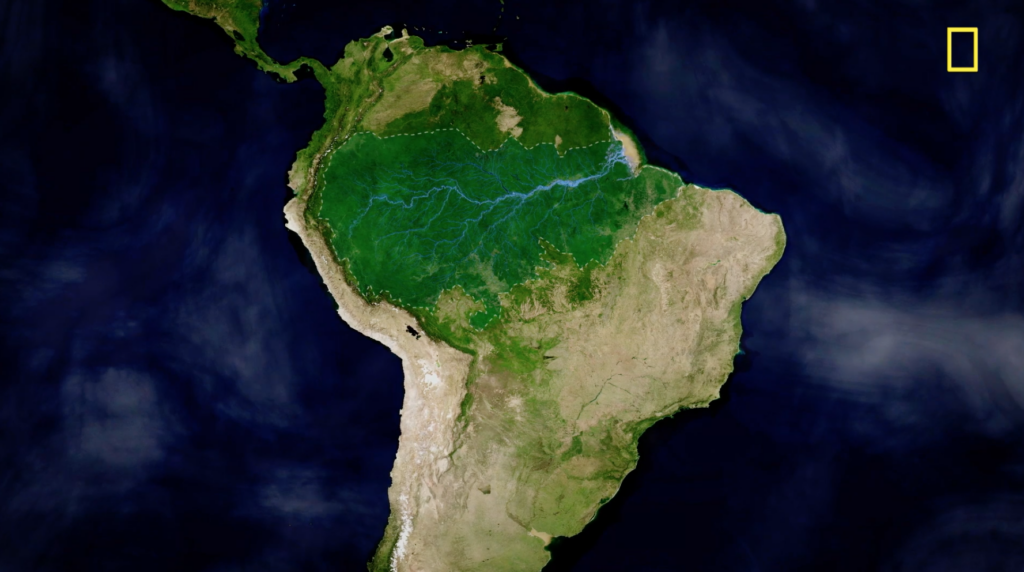
- Amazon Basin: Selective logging creates a matrix of small forest patches, threatening arboreal mammals such as the South American tapir and understory birds.
- Southeast Asia: Rapid expansion of oil‑palm plantations isolates orangutan populations; a WWF (2022) assessment documented a 50 % decline in viable subpopulations over two decades.
These examples illustrate that while the underlying processes are similar, local land‑use patterns and species assemblages shape the specific outcomes.
What Scientists Know With High Confidence
- Fragmentation reduces total habitat area and isolates populations, leading to lower abundance and higher extinction risk.
- Large‑range mammals and interior‑forest birds experience the steepest declines in fragmented landscapes.
- Limited dispersal ability is a strong predictor of vulnerability across taxa.
- Well‑designed wildlife corridors can restore functional connectivity for many species.
What Remains Uncertain
Key knowledge gaps include the long‑term genetic consequences for highly isolated populations, the minimum patch size needed for viable populations of less‑studied invertebrates, and how climate‑driven range shifts will interact with existing fragmentation patterns. Improved long‑term monitoring and landscape‑genetic studies are needed to resolve these uncertainties.
Common Misconceptions
Misconception: Only charismatic megafauna are affected.
Reality: While large mammals receive much attention, many less‑visible groups—amphibians, insects, and understory birds—are equally or more sensitive because they often have limited movement ranges.
Misconception: Fragmentation is the same as habitat loss.
Reality: Habitat loss removes the resource entirely; fragmentation leaves habitat but isolates it, creating unique challenges such as edge effects and reduced gene flow.
Misconception: Wildlife corridors solve the problem completely.
Reality: Corridors are effective when properly placed and wide enough, but they cannot fully replace the ecological functions of large, continuous habitats needed by wide‑ranging species.
Solutions and Limitations
Evidence‑based strategies aim to prevent new fragmentation, restore connectivity, and mitigate existing impacts:
- Land‑use planning: Integrating biodiversity maps into development permits can prevent new fragmentation hotspots. Limitation: Requires cross‑sector coordination and strong political will.
- Protected‑area networks: Expanding and linking reserves maintains core habitats. Limitation: May conflict with local land‑use needs and requires sustained funding.
- Wildlife corridors and overpasses: Structures that allow safe crossing of roads have documented success for mammals, amphibians, and some bird species. Limitation: High construction costs and the need for species‑specific design.
- Restoration of degraded matrices: Re‑vegetating agricultural margins improves connectivity for pollinators and small mammals. Limitation: Benefits accrue over decades and depend on farmer participation.
- Policy incentives: Payments for ecosystem services encourage landowners to maintain or restore habitat linkages. Limitation: Effectiveness varies with program design and monitoring capacity.
What Individuals, Communities, and Governments Can Do
What Individuals Can Do
- Support organizations that purchase or protect critical habitat corridors.
- Choose locally sourced, wildlife‑friendly products that reduce pressure on fragmented landscapes.
- Participate in citizen‑science monitoring programs to provide data for planners.
What Communities and Organizations Can Do
- Develop community‑led habitat restoration projects that connect existing green spaces.
- Advocate for municipal zoning that limits new road construction through key wildlife areas.
- Implement school programs that teach the importance of landscape connectivity.
What Governments Can Do
- Incorporate connectivity criteria into national biodiversity strategies and land‑use legislation.
- Fund scientific monitoring networks that track fragmentation trends and species responses.
- Provide incentives for private landowners to maintain or restore habitat linkages, such as tax breaks or stewardship payments.
Synthesis
Habitat fragmentation fragments the living space of many animals, with large mammals, forest‑dependent birds, amphibians, and pollinators experiencing the steepest declines. Strong scientific evidence links fragmentation to reduced population sizes, genetic erosion, and heightened extinction risk. While the precise outcomes differ regionally, the overarching pattern is clear: connectivity matters. Mitigation through protected‑area networks, wildlife corridors, and strategic land‑use planning offers the most reliable path forward, though each approach carries cost, design, and implementation challenges. Continued research—especially on genetic effects and climate‑fragmentation interactions—will sharpen our ability to safeguard the species most at risk.
Frequently Asked Questions
What is habitat fragmentation?
Habitat fragmentation is the process of breaking a continuous natural area into smaller, isolated patches by roads, agriculture, or urban development, leaving habitat present but disconnected.
Why are large mammals especially vulnerable to fragmentation?
Large mammals need extensive, contiguous territories; fragmented landscapes limit their movement, reduce access to resources, and increase mortality from road collisions, leading to population declines.
How does fragmentation affect amphibian breeding success?
Amphibians rely on both aquatic breeding sites and terrestrial foraging habitats. Fragmentation can block or lengthen the routes between them, reducing breeding success by up to 40 % in some studied species.
What evidence shows that pollinators suffer from fragmented landscapes?
Studies in European agricultural mosaics found that native bees typically forage within ~300 m; when flower patches are spaced farther apart, visitation rates drop by up to 60 %, lowering pollination services.
Can wildlife corridors fully replace lost continuous habitat?
Wildlife corridors improve connectivity for many species but cannot fully substitute the ecological functions of large, uninterrupted habitats required by wide‑ranging animals.





Leave a Comment