
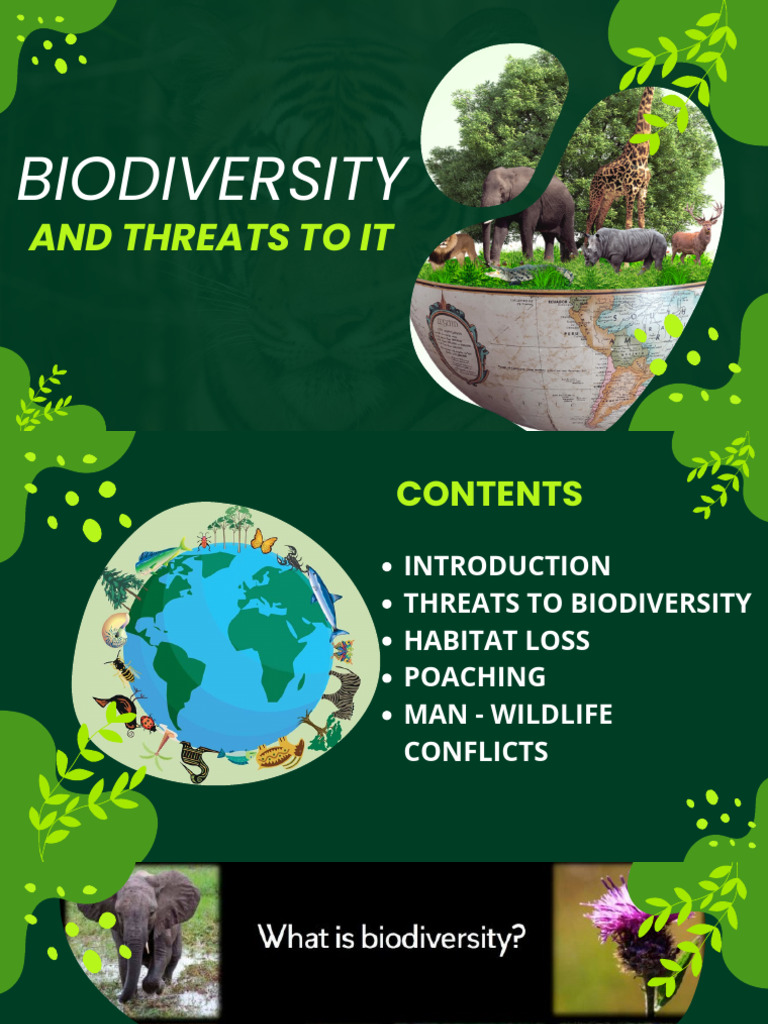
Human activities drive the majority of modern biodiversity loss, though natural processes still affect ecosystems, making a nuanced understanding essential for effective conservation.
Quick Answer
Biodiversity loss today is primarily caused by human actions—especially habitat conversion, climate change, pollution, overexploitation, and invasive species—while natural disturbances such as volcanic eruptions or climate variability play a secondary, localized role. The Intergovernmental Science‑Policy Platform on Biodiversity and Ecosystem Services (IPBES) and the Intergovernmental Panel on Climate Change (IPCC) both conclude with high confidence that anthropogenic pressures are the leading driver of species declines and ecosystem degradation. Mitigating loss therefore requires reducing these human pressures, even though some natural dynamics will continue to influence ecosystems.
Key Takeaways
- Human‑driven habitat loss accounts for roughly 75% of recent species declines (IPBES, 2020).
- Climate change, pollution, overexploitation, and invasive species amplify natural disturbances, creating multiple, interacting threats.
- Evidence for direct human impacts is strong; natural factors are important but generally less severe at the global scale.
- Effective responses combine protected‑area expansion, sustainable resource use, restoration, and climate mitigation.
- Uncertainties remain around ecosystem thresholds, regional adaptive capacity, and long‑term effectiveness of restoration under continued warming.
What Is Are Humans Responsible for All Threats to Biodiversity?
The question asks whether every pressure that harms biological diversity can be traced back to human activity. Biodiversity includes genetic variation, species richness, and ecosystem processes that underpin services such as pollination, carbon storage, and water purification. Threats are any pressures that reduce species abundance, alter community composition, or impair ecosystem function. Natural events—fires, floods, volcanic eruptions—have always occurred, but the modern era is defined by a suite of human‑induced stressors that operate at unprecedented speed and scale.
How Does It Work?
1. Habitat Conversion
Forests, wetlands, and grasslands are cleared for agriculture, urban development, and infrastructure. This removes the physical space species need and fragments remaining habitats, limiting gene flow and increasing edge effects.
2. Climate Change
Greenhouse‑gas emissions raise global temperatures and shift precipitation patterns. Species must move, adapt genetically, or face extinction. The observed rate of warming—about 0.2 °C per decade since 1970—often exceeds the dispersal capacity of long‑lived organisms.
3. Pollution
Chemicals (pesticides, heavy metals), plastics, and excess nutrients enter air, water, and soil. These substances can be toxic, cause eutrophication, or disrupt hormonal systems, leading to mortality or reproductive failure.
4. Overexploitation
Unsustainable harvesting of timber, fish, and wildlife depletes populations faster than they can reproduce. The loss of keystone species can trigger trophic cascades that reshape entire food webs.
5. Invasive Species
Global trade and travel transport organisms beyond their native ranges. In new environments, invasives may outcompete, predate, or transmit diseases to native species, often with rapid, large‑scale impacts.
Natural Background Processes
Volcanic eruptions, natural climate oscillations (e.g., El Niño), and predator‑prey cycles continue to influence biodiversity, but their magnitude is generally localized and slower compared with anthropogenic drivers.
What Does the Evidence Show?
Long‑term monitoring by the Global Biodiversity Information Facility and national inventories reveal a 68% average decline in vertebrate populations since 1970 (World Wildlife Fund Living Planet Report, 2022). The IPBES (2020) synthesis estimates that around one million species face elevated extinction risk, with habitat loss identified as the primary driver. Attribution studies using climate‑impact models consistently link accelerated range shifts and phenological changes to anthropogenic warming (IPCC, 2021). Meta‑analyses of freshwater systems demonstrate that nutrient runoff from agriculture accounts for 40–50% of observed eutrophication events (Science of The Total Environment, 2019). Overfishing assessments by the Food and Agriculture Organization (FAO, 2020) show that 34% of global fish stocks are overexploited, confirming a direct human link.
Main Causes or Drivers
Direct Human Causes
- Land‑use change (deforestation, conversion to cropland, urban sprawl).
- Greenhouse‑gas emissions driving climate change.
- Industrial, agricultural, and plastic pollution.
- Unsustainable harvest of wildlife and marine resources.
- Deliberate or accidental introduction of non‑native species.
Underlying Socio‑Economic Drivers
- Population growth and rising consumption demand.
- Globalised trade networks that move goods and organisms.
- Economic incentives that favour short‑term exploitation over long‑term stewardship.
- Policy gaps and weak enforcement of environmental regulations.
Natural Amplifiers
- Natural climate variability can exacerbate human‑induced warming.
- Geological events (e.g., volcanic ash) may temporarily increase atmospheric particles but do not produce the sustained chemical changes seen from fossil‑fuel combustion.
Environmental and Human Impacts
Environmental Impacts
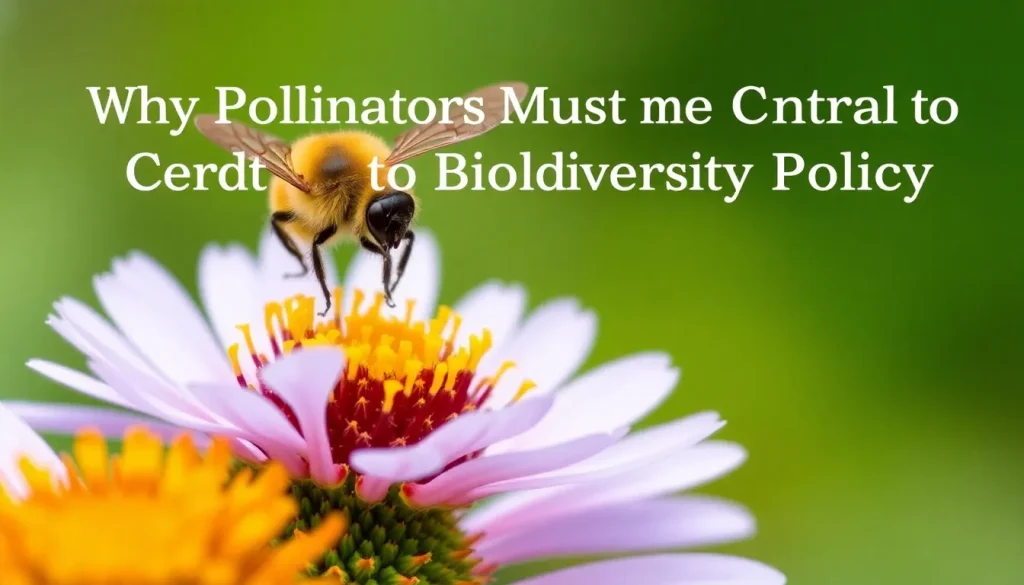
Loss of pollinator diversity reduces crop yields, while coral‑reef degradation diminishes fisheries and coastal protection. Forest fragmentation increases edge‑related invasions and alters carbon storage, feeding back into the climate system.
Human Health and Social Impacts
Air and water pollutants linked to biodiversity loss raise respiratory and water‑borne disease risks, disproportionately affecting low‑income communities near industrial zones. Declines in wild food sources threaten nutrition security for Indigenous peoples and rural households.
Economic and Infrastructure Impacts
The World Bank estimates that ecosystem degradation could cost up to 7% of global GDP annually by 2050 if trends continue. Damage to mangroves, for example, reduces natural storm‑buffer capacity, increasing flood damage costs.
Regional Differences
In the Amazon basin, deforestation for soy and cattle dominates habitat loss; in temperate Europe, intensive agriculture and urban expansion are primary drivers. Island ecosystems such as Hawaii experience outsized impacts from invasive species because of their isolated evolution. Arctic biodiversity faces rapid climate‑driven habitat change, with permafrost thaw exposing new mineral resources that may spur further development.
What Scientists Know With High Confidence
- Human‑induced habitat conversion is the leading cause of contemporary species declines.
- Anthropogenic climate change accelerates shifts in species distributions and phenology.
- Overexploitation of marine and terrestrial resources has caused measurable population collapses.
- Invasive species introductions are strongly linked to global trade and travel.
What Remains Uncertain
Key uncertainties include the precise thresholds at which climate change will cause irreversible ecosystem collapse, the long‑term effectiveness of large‑scale restoration under continued warming, and regional variations in species’ adaptive capacity. Limited monitoring in data‑poor, biodiversity‑rich regions (e.g., Central Africa) hampers precise global accounting.
Common Misconceptions
Misconception: All biodiversity loss is natural.
Reality: Natural processes do cause turnover, but the rate and magnitude of current declines far exceed background levels, as documented by multiple long‑term studies.
Misconception: Climate change alone explains species extinctions.
Reality: Climate change interacts with habitat loss, pollution, and overexploitation; isolating a single driver oversimplifies complex ecological realities.
Misconception: Invasive species would spread even without humans.
Reality: While species naturally disperse, the speed and distance of modern invasions are driven by global shipping, air travel, and horticultural trade.
Misconception: Individual lifestyle changes can stop biodiversity loss.
Reality: Personal actions matter, but systemic policy shifts, large‑scale land‑use planning, and corporate responsibility are required for meaningful impact.
Solutions and Limitations
Conservation strategies fall into three broad categories: protection, sustainable use, and restoration.
- Protected Areas: Expanding and effectively managing reserves can safeguard habitats, yet only about 15% of terrestrial land is under strong protection, and many parks suffer from inadequate funding.
- Sustainable Agriculture and Fisheries: Agroecological practices and catch‑share quotas reduce pressure on ecosystems, but transition costs and market acceptance can be barriers.
- Ecological Restoration: Reforestation and wetland rehabilitation rebuild services, yet restored ecosystems may not fully replicate original biodiversity and can be vulnerable to future climate stress.
- Pollution Controls: Regulations on pesticides, plastics, and nutrient runoff improve water quality, but enforcement varies widely across jurisdictions.
- Climate Mitigation: Reducing greenhouse‑gas emissions slows temperature‑driven habitat shifts, yet mitigation alone cannot reverse existing habitat loss.
What Individuals, Communities, and Governments Can Do
What Individuals Can Do
- Choose certified sustainable seafood and forest‑friendly products.
- Reduce food waste to lower demand for land‑intensive agriculture.
- Participate in citizen‑science monitoring programs that improve biodiversity data.
- Advocate for stronger local environmental regulations.
What Communities and Organizations Can Do
- Develop community‑based land‑use plans that balance livelihoods with habitat conservation.
- Implement green infrastructure (e.g., urban wetlands) to enhance local biodiversity.
- Partner with Indigenous groups to integrate traditional ecological knowledge into management.
What Governments Can Do
- Set and enforce ambitious targets for protected‑area coverage (e.g., 30 % by 2030) and for reducing emissions.
- Provide incentives for regenerative agriculture and low‑impact fisheries.
- Invest in long‑term biodiversity monitoring networks, especially in under‑studied regions.
- Adopt strict biosecurity measures to prevent new invasive‑species introductions.
Closing Synthesis
Human activities are the primary engine behind most modern threats to biodiversity, operating through habitat loss, climate change, pollution, overexploitation, and invasive species. Natural processes still shape ecosystems, but their impact is generally smaller than the scale of anthropogenic pressures documented by IPBES and IPCC assessments. High‑confidence evidence points to the need for integrated solutions that combine protection, sustainable use, restoration, and climate mitigation, while acknowledging trade‑offs, data gaps, and regional variations. By aligning individual choices, community initiatives, and strong policy frameworks, societies can reduce the human footprint and give ecosystems a chance to recover and adapt.
Frequently Asked Questions
What are the main human activities that cause biodiversity loss?
The main human activities are habitat conversion (deforestation, urban expansion), climate change driven by greenhouse‑gas emissions, pollution (chemicals, plastics, nutrients), overexploitation of wildlife and fisheries, and the introduction of invasive species through global trade.
How does climate change affect species survival?
Climate change alters temperature and precipitation patterns, forcing species to shift their ranges, adapt genetically, or face extinction. The observed warming rate of about 0.2 °C per decade often exceeds the dispersal capacity of many long‑lived organisms.
Are natural disturbances like volcanoes a major cause of current biodiversity loss?
Natural disturbances such as volcanic eruptions or El Niño events still influence ecosystems, but their impacts are generally localized and slower compared with the global, large‑scale pressures created by human activities.
What evidence shows that humans are the dominant driver of species declines?
Long‑term monitoring shows a 68% average decline in vertebrate populations since 1970, and the IPBES (2020) assessment attributes roughly 75% of recent species declines to habitat loss, with climate change, pollution, overexploitation, and invasives identified as additional major drivers.
What actions can governments take to curb biodiversity loss?
Governments can set protected‑area targets (e.g., 30 % by 2030), enforce emission reductions, provide incentives for regenerative agriculture and sustainable fisheries, invest in biodiversity monitoring, and adopt strict biosecurity measures to prevent new invasive species.





Leave a Comment