
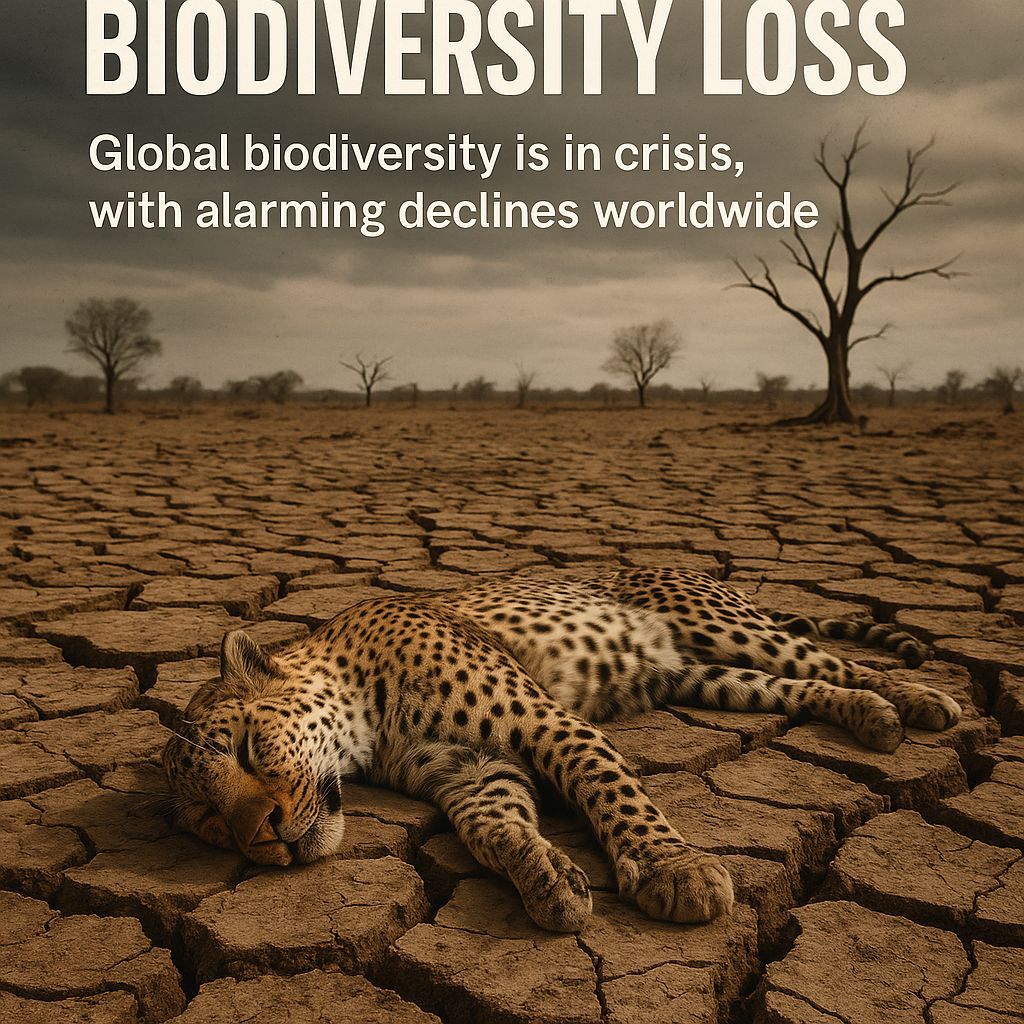
Low biodiversity undermines ecosystem resilience, weakens climate regulation, threatens human health, and reduces the economic services that nature provides, making it a critical ecological issue.
Quick Answer
Low biodiversity means a reduced variety of species, genes, and ecosystems in a given area. Scientific assessments show that fewer species diminish ecosystem stability, lower productivity, and impair services such as pollination, water purification, and carbon storage. The most important implication is that ecosystems become less able to withstand disturbances like climate extremes, disease, or habitat loss, which in turn raises risks to food security, public health, and economic livelihoods. Uncertainty remains around exact thresholds at which ecosystem collapse occurs, but the direction of impact is clear.
Key Takeaways
- High biodiversity enhances ecosystem resilience and productivity.
- Loss of keystone species can trigger trophic cascades that reshape habitats.
- Human health, food security, and climate regulation depend on diverse biological systems.
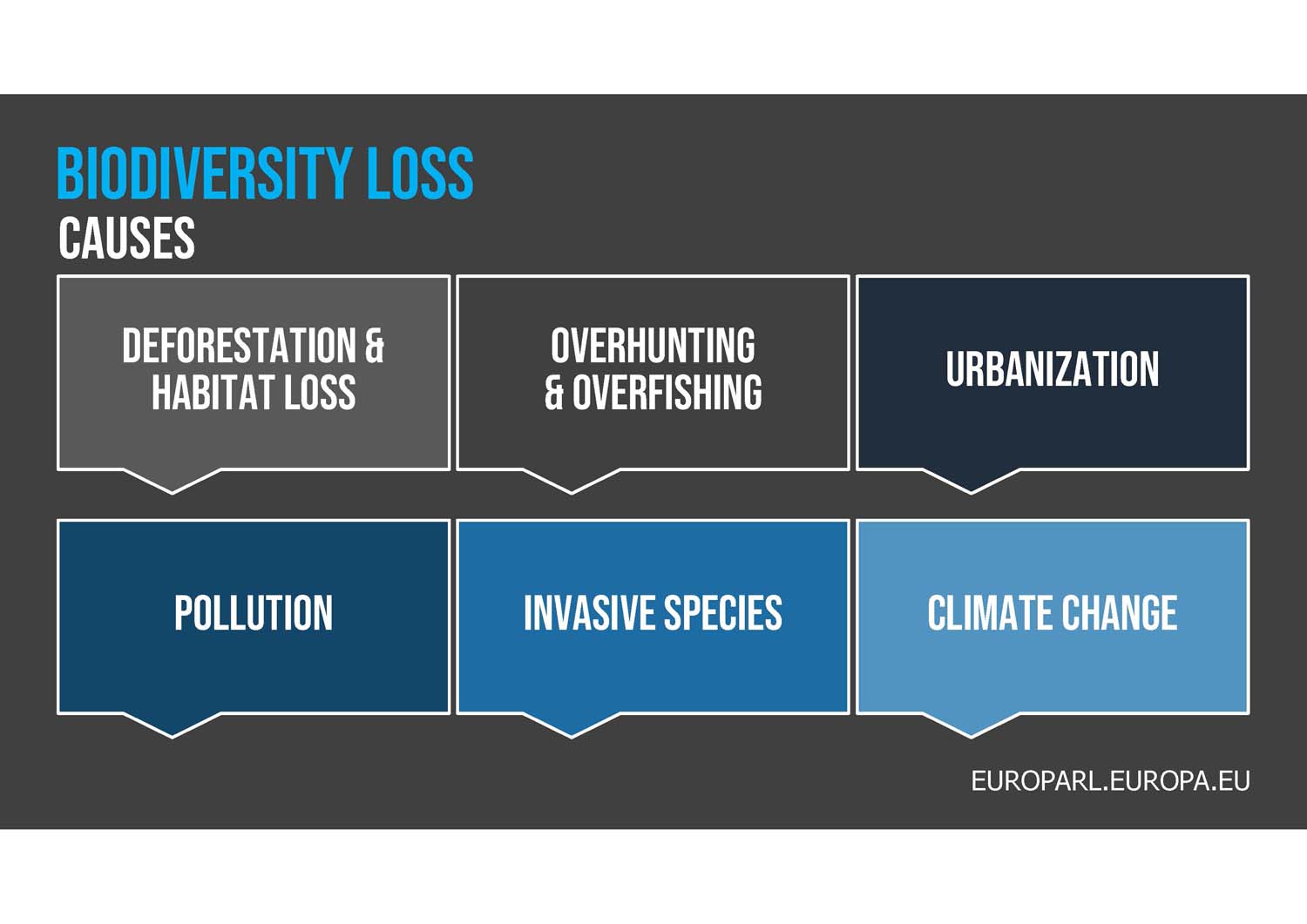
- Drivers of low biodiversity include habitat destruction, overexploitation, invasive species, pollution, and climate change.
- Conservation, restoration, and sustainable land‑use policies are evidence‑based ways to reverse declines, though they require adequate funding and governance.
What Is Why Low Biodiversity Is a Serious Ecological Problem?
Biodiversity encompasses the variety of life at genetic, species, and ecosystem levels. When this variety declines, the term “low biodiversity” describes a state in which fewer species fulfill ecological roles. The problem is distinct from short‑term seasonal fluctuations; it refers to a sustained loss of biological diversity that weakens the functioning of natural systems. Understanding why this loss matters is essential because ecosystems provide services that underpin human well‑being and planetary stability.
How Does Low Biodiversity Affect Ecosystem Function?
Ecological processes rely on multiple, often redundant species performing similar functions. The loss of diversity reduces this redundancy, making systems more vulnerable. The main mechanisms include:
- Reduced functional redundancy: Fewer species mean fewer backup roles; if a species disappears, its ecological function may not be replaced.
- Weakened trophic interactions: Removing predators or pollinators can cause population explosions or collapses that alter plant communities.
- Impaired biogeochemical cycles: Diverse microbial and plant communities drive carbon, nitrogen, and phosphorus cycling; low diversity slows these cycles.
- Diminished ecosystem resilience: Diverse ecosystems adapt better to climate extremes, disease, and invasive species.
What Does the Evidence Show?
Long‑term monitoring by the Intergovernmental Science‑Policy Platform on Biodiversity and Ecosystem Services (IPBES, 2019) indicates that species populations have declined an average of 68% since 1970. Meta‑analyses of field experiments (e.g., Cardinale et al., 2012, *Nature*) demonstrate that plots with higher species richness produce 25% more biomass and are 50% more resistant to drought. Satellite‑derived data show that forest regions with greater tree‑species diversity store up to 30% more carbon per hectare (FAO, 2020). These independent lines of evidence consistently link low biodiversity with reduced ecosystem services.
Main Causes or Drivers
Habitat Destruction
Conversion of forests, wetlands, and grasslands to agriculture or urban areas eliminates the physical space needed for many species. The Food and Agriculture Organization reports that 75% of terrestrial habitat loss since 1970 is due to agricultural expansion.
Overexploitation
Unsustainable fishing, logging, and wildlife trade remove individuals faster than populations can recover, leading to local extinctions.
Invasive Species
Non‑native organisms outcompete, prey upon, or bring diseases to native species, reducing native diversity.
Pollution
Chemical runoff, plastic debris, and air pollutants degrade habitats and directly harm organisms, especially sensitive amphibians and pollinators.
Climate Change
Rising temperatures shift species’ climatic niches, causing range contractions and mismatches in phenology that can break mutualistic relationships.
Environmental and Human Impacts
Environmental Impacts
Low biodiversity leads to:
- Weaker pollination: Fewer pollinator species reduce fruit set in crops and wild plants.
- Soil degradation: Loss of soil‑microbe diversity diminishes nutrient cycling, increasing erosion.
- Reduced carbon sequestration: Monocultures store less carbon than mixed forests, amplifying climate change.
- Increased vulnerability to invasive species: Simplified ecosystems provide fewer barriers to invaders.
Human Health and Social Impacts
Reduced biodiversity raises the risk of zoonotic spillover because humans encroach on wildlife habitats, a link highlighted in WHO assessments of disease emergence. Soil fertility loss threatens food production, especially for smallholder farmers in the Global South. Cultural services—recreation, spiritual value, and traditional knowledge—also decline when iconic species disappear.
Economic and Infrastructure Impacts
IPBES estimates that ecosystem services lost to biodiversity decline amount to US$2.5–3 trillion annually. Fisheries reliant on diverse marine habitats experience lower catches, while tourism in biodiverse regions (e.g., coral reefs) suffers when species richness falls.
Regional Differences
tropical rainforests in the Amazon and Congo basins host the highest species richness; deforestation there creates rapid biodiversity loss and large carbon feedbacks. In contrast, temperate agricultural landscapes in Europe have experienced centuries of simplification, leading to chronic pollinator deficits. Arctic tundra shows slower species loss but is highly sensitive to climate‑driven shifts, which can quickly alter plant community composition.
What Scientists Know With High Confidence
- Biodiversity underpins key ecosystem services such as pollination, nutrient cycling, and carbon storage.
- Habitat loss, overexploitation, invasive species, pollution, and climate change are the primary drivers of global species declines.
- Ecosystems with higher species richness are more resilient to disturbances.
- Loss of biodiversity increases the likelihood of zoonotic disease emergence.
What Remains Uncertain
Exact biodiversity thresholds that trigger abrupt ecosystem collapse are not well defined because experimental plots cannot capture the scale and complexity of natural landscapes. The magnitude of climate‑change‑driven range shifts for many invertebrates remains uncertain due to limited long‑term monitoring. Additionally, socioeconomic feedbacks—how loss of ecosystem services influences human behavior and policy—are still being quantified.
Common Misconceptions
Misconception: “Only charismatic megafauna matter.”
Reality: Small organisms such as soil microbes, insects, and algae drive the majority of biogeochemical processes; their loss can have outsized effects on ecosystem health.
Misconception: “Biodiversity loss is a future problem.”
Reality: The IPBES Global Assessment (2019) shows that biodiversity has been declining for decades, with measurable impacts already evident in many regions.
Misconception: “Monocultures are efficient and safe.”
Reality: While monocultures can increase short‑term yields, they are more vulnerable to pests, disease, and climate extremes, leading to higher input costs and lower long‑term stability.
Solutions and Limitations
Evidence‑based strategies include:
- Protected area expansion: When well‑managed, parks preserve core habitats, but they may displace local communities if not designed inclusively.
- Ecological restoration: Restoring native vegetation improves services, yet success depends on seed source quality and long‑term maintenance.
- Sustainable agriculture: Agroforestry and diversified cropping increase resilience, but may require higher labor and knowledge inputs.
- Invasive species control: Early detection can be cost‑effective, yet eradication of established invaders is often expensive and uncertain.
- Climate mitigation: Reducing greenhouse‑gas emissions slows climate‑driven biodiversity loss, but mitigation alone cannot reverse habitat destruction.
All solutions involve trade‑offs: financial cost, land‑use conflicts, and the need for long‑term governance.
What Individuals, Communities, and Governments Can Do
What Individuals Can Do
Support biodiversity‑friendly products (e.g., shade‑grown coffee), reduce pesticide use, and participate in citizen‑science monitoring programs.
What Communities and Organizations Can Do
Implement local habitat corridors, adopt community‑managed forests, and promote native landscaping in urban areas.
What Governments Can Do
Enact and enforce land‑use regulations, fund large‑scale restoration, integrate biodiversity metrics into national accounting, and honor international commitments such as the Convention on Biological Diversity.
Closing Synthesis
Low biodiversity erodes the structural integrity of ecosystems, diminishes essential services, and heightens human vulnerability to health and economic shocks. Robust scientific evidence links species loss to habitat change, overexploitation, invasive species, pollution, and climate change. While uncertainties remain about precise tipping points, the consensus is clear: preserving and restoring biological variety is indispensable for planetary resilience. Targeted conservation, sustainable management, and inclusive policies offer the most reliable path forward, acknowledging that no single action can solve the problem alone.
Frequently Asked Questions
What does low biodiversity mean?
Low biodiversity refers to a reduced variety of species, genetic traits, and ecosystems in a given area, leading to weaker ecological functions and services.
How does low biodiversity affect climate regulation?
Fewer species, especially diverse trees and marine organisms, store less carbon and reduce the natural sequestration capacity, making climate change impacts more severe.
Which human activities drive biodiversity loss the most?
Habitat destruction, overexploitation, invasive species, pollution, and climate change are the primary drivers identified by global scientific assessments.
What are the main health risks linked to declining biodiversity?
Reduced biodiversity increases the chance of zoonotic disease spillover, lowers food security through soil degradation, and diminishes mental‑well‑being benefits from nature.
Can individuals help address low biodiversity?
Yes; individuals can choose biodiversity‑friendly products, reduce pesticide use, and join citizen‑science projects that monitor local species.





Leave a Comment