
Understanding whether climate change or biodiversity loss is more dangerous requires comparing their mechanisms, evidence, and impacts on ecosystems and human societies.
Quick Answer
Both climate change and biodiversity loss are severe, inter‑linked crises, but climate change is generally considered the more immediate global threat because its physical impacts—rising temperatures, sea‑level rise, and extreme weather—affect virtually every region and drive many of the drivers of biodiversity loss. However, the loss of species erodes ecosystem resilience, which can amplify climate impacts. Scientists therefore treat them as a coupled system: mitigating climate change also reduces biodiversity loss, and preserving biodiversity helps buffer climate risks. Uncertainty remains around exact thresholds and feedback strengths, especially in specific ecosystems.
Key Takeaways
- Climate change directly alters temperature, precipitation, and ocean chemistry worldwide.
- Biodiversity loss undermines ecosystem services that support food, water, and climate regulation.
- The two crises reinforce each other through feedback loops such as forest die‑back and reduced carbon sequestration.
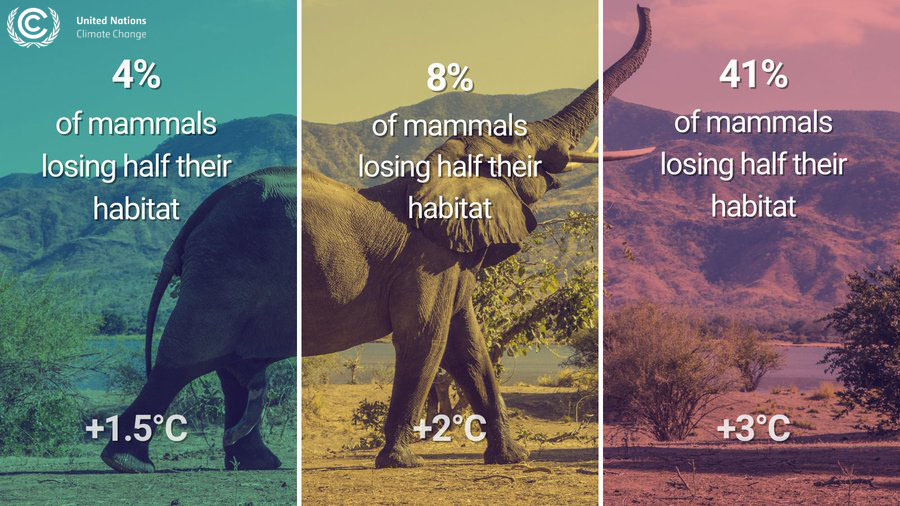
- High‑confidence evidence shows that limiting warming to 1.5 °C reduces the risk of mass extinctions.
- Solutions that combine emission cuts, habitat protection, and nature‑based restoration offer the greatest co‑benefits.
What Is Climate Change Pollution or Biodiversity Loss: Which Is Most Dangerous??
Climate change refers to long‑term shifts in average weather patterns caused primarily by the accumulation of greenhouse gases (GHGs) such as carbon dioxide (CO₂) and methane (CH₄) from fossil‑fuel combustion, deforestation, and industrial processes. Biodiversity loss denotes the decline in the variety of life at genetic, species, and ecosystem levels, driven by habitat destruction, overexploitation, invasive species, pollution, and climate change itself. While both are environmental crises, climate change is a physical‑climate phenomenon, whereas biodiversity loss is an ecological degradation.
How Does It Work?
Climate‑Change Mechanisms
- Burning of coal, oil, and gas releases CO₂, increasing atmospheric concentrations from pre‑industrial levels of ~280 ppm to over 420 ppm (IPCC, 2021).
- Higher GHG concentrations trap infrared radiation, raising global mean surface temperature.
- Warming triggers sea‑level rise through thermal expansion and ice‑sheet melt, intensifies the water cycle, and shifts climate zones.
- Ocean absorption of CO₂ causes acidification, reducing carbonate availability for marine organisms.
Biodiversity‑Loss Mechanisms
- Land‑use change (e.g., conversion of forests to agriculture) destroys habitats and fragments populations.
- Overharvesting of fish, timber, and wildlife directly removes individuals from ecosystems.
- Invasive species outcompete native organisms, altering community composition.
- Pollution (chemical, plastic, nutrient) degrades water and soil quality, causing mortality.
- Climate change adds stress by altering temperature and precipitation regimes, forcing range shifts or extinctions.
What Does the Evidence Show?
Multiple lines of evidence converge on the conclusion that climate change is already reshaping ecosystems worldwide. Long‑term temperature records from the World Meteorological Organization show a 1.1 °C increase in global mean temperature between 2011‑2020 relative to the 1850‑1900 baseline. Satellite altimetry (NASA/NOAA) records a mean sea‑level rise of 3.3 mm per year since 1993. The Intergovernmental Science‑Policy Platform on Biodiversity and Ecosystem Services (IPBES) reports that around 1 million species face elevated extinction risk, with habitat loss responsible for roughly 75 % of recent declines.
Experimental and observational studies demonstrate that warming reduces the reproductive success of coral reefs, alpine plants, and many marine species. Simultaneously, meta‑analyses of land‑cover change indicate that forest loss has cut global carbon sequestration capacity by about 10 % since 1990 (FAO, 2020). The evidence therefore points to a synergistic relationship: climate‑driven habitat alteration accelerates species loss, while loss of forest and peatland carbon sinks amplifies warming.
Main Causes or Drivers
Direct Drivers of Climate Change
- Combustion of fossil fuels for energy, transport, and industry.
- Cement production, which releases CO₂ during limestone calcination.
- Deforestation and land‑use change that both emit CO₂ and reduce carbon uptake.
Underlying Drivers of Biodiversity Loss
- Expansion of agriculture and urban areas, the leading cause of habitat conversion.
- Unsustainable harvesting of timber, fish, and wildlife.
- Pollution from plastics, nutrients, and toxic chemicals.
- Climate change itself, acting as a threat multiplier.
Environmental and Human Impacts
Environmental Impacts
Climate change destabilizes weather patterns, leading to more frequent heatwaves, droughts, and intense storms. Ocean acidification threatens calcifying organisms such as corals and shellfish, with cascading effects on reef fisheries. Biodiversity loss diminishes pollination, nutrient cycling, and natural pest control, reducing ecosystem productivity and resilience.
Human Health and Social Impacts
Heat stress increases mortality, especially among older adults and outdoor workers. Shifts in vector‑borne disease ranges (e.g., dengue, Lyme disease) are linked to warmer temperatures. Loss of freshwater species reduces water quality, while reduced pollinator populations threaten 35 % of global crop production, undermining food security.
Economic and Infrastructure Impacts
According to the World Bank, climate‑related disasters cost the global economy roughly US$210 billion per year (2022). Biodiversity loss translates into lost revenue from tourism, pharmaceuticals (many drugs derive from natural compounds), and reduced agricultural yields. The combined economic burden is estimated to exceed 5 % of global GDP if trends continue.
Regional Differences
Impacts vary with geography. Tropical regions experience rapid species turnover because many organisms live near their thermal limits; coral‑reef loss is most acute in the Indo‑Pacific. Arctic communities face the fastest warming—about twice the global average—leading to permafrost thaw and threats to Indigenous livelihoods. In contrast, temperate zones may see longer growing seasons but also heightened pest pressures. Low‑income coastal nations are disproportionately exposed to sea‑level rise and fisheries collapse, whereas high‑income inland nations often bear higher emissions and thus greater mitigation responsibility.
What Scientists Know With High Confidence
- Human activities are the dominant cause of observed warming since the mid‑20th century (IPCC, 2021).
- More than 75 % of recent species extinctions are linked to habitat loss and degradation.
- Forests and soils store roughly 2.5 × 10¹⁵ kg of carbon; their disturbance releases a substantial portion of anthropogenic CO₂.
- Limiting warming to 1.5 °C markedly reduces the probability of ecosystem collapse and mass extinction.
What Remains Uncertain
Key uncertainties include the exact magnitude of climate‑driven feedbacks such as permafrost carbon release, and the tipping points at which ecosystem services collapse irreversibly. Regional projections for biodiversity loss under different climate scenarios are limited by sparse long‑term monitoring in many tropical hotspots. Improved Earth‑system models that integrate species‑level responses are needed to refine risk assessments.
Common Misconceptions
Misconception: Climate change and biodiversity loss are separate problems.
Reality: They are tightly coupled; climate change accelerates habitat loss, while reduced biodiversity weakens natural climate regulation.
Misconception: Only polar bears are affected by climate change.
Reality: Climate impacts span from coral bleaching in the tropics to altered crop yields in temperate regions, affecting billions of people.
Misconception: Individual lifestyle changes can solve the crises alone.
Reality: Personal actions matter, but systemic shifts in energy, land use, and policy are required to achieve the emission reductions and habitat protections needed.
Solutions and Limitations
Effective responses must address both climate mitigation and biodiversity conservation.
- Renewable‑energy transition: Cuts CO₂ emissions but requires careful siting to avoid new habitat loss.
- Reforestation and afforestation: Sequester carbon and create habitats, yet tree‑planting on unsuitable land can reduce water availability.
- Protected‑area expansion: Safeguards key ecosystems, but enforcement gaps can limit effectiveness.
- Sustainable agriculture: Reduces fertilizer runoff and preserves soil carbon, yet may need yield improvements to feed growing populations.
- Climate‑adaptation infrastructure: Sea‑walls protect communities but do not address underlying ecosystem degradation.
Each strategy carries trade‑offs; for example, bioenergy with carbon capture can lower emissions but may compete with food production. Integrated planning that evaluates co‑benefits and avoids unintended harms is essential.
What Individuals, Communities, and Governments Can Do
What Individuals Can Do
- Choose low‑carbon transportation (public transit, biking, electric vehicles) to reduce personal GHG footprints.
- Support certified sustainable products (e.g., FSC timber, MSC seafood) to lessen pressure on wild populations.
- Participate in local habitat restoration projects, such as tree planting or wetland clean‑ups.
What Communities and Organizations Can Do
- Develop community‑scale renewable energy cooperatives that keep profits local.
- Implement green‑infrastructure (urban trees, permeable surfaces) that simultaneously sequester carbon and manage stormwater.
- Adopt biodiversity‑friendly land‑use plans that preserve corridors and native vegetation.
What Governments Can Do
- Enact and tighten carbon‑pricing mechanisms to internalize the climate cost of fossil fuels.
- Meet and exceed targets of the Paris Agreement and the Convention on Biological Diversity, integrating both climate and biodiversity goals.
- Invest in long‑term ecological monitoring networks to close data gaps identified in the uncertainty section.
- Provide subsidies for climate‑smart agriculture and for the protection of high‑value ecosystems such as peatlands and mangroves.
Synthesis
Climate change and biodiversity loss are not competing threats; they are interdependent components of a planetary crisis. The strongest scientific consensus identifies anthropogenic greenhouse‑gas emissions as the primary driver of rapid warming, while habitat conversion and exploitation dominate species decline. High‑confidence findings show that limiting warming to 1.5 °C dramatically lowers extinction risk, underscoring the need for coordinated mitigation and conservation. Uncertainties remain around feedback thresholds and regional biodiversity trajectories, highlighting the importance of robust monitoring. By aligning emission cuts with nature‑based solutions, societies can protect both climate stability and the biodiversity that underpins essential ecosystem services.
Frequently Asked Questions
What is the main difference between climate change and biodiversity loss?
Climate change refers to long‑term shifts in temperature, precipitation, and ocean chemistry caused mainly by greenhouse‑gas emissions, while biodiversity loss is the decline of species, genetic variety, and ecosystems due to habitat loss, overexploitation, pollution, and climate impacts.
How does climate change directly affect biodiversity?
Warming alters habitats, forces species to shift ranges, and can exceed species' thermal limits, leading to increased extinction risk; ocean acidification weakens coral reefs and shell‑forming organisms, reducing marine biodiversity.
Why are ecosystem services important for human societies?
Ecosystem services such as pollination, water purification, carbon sequestration, and flood regulation provide essential support for food production, clean water, health, and economic stability; loss of biodiversity compromises these services.
What are high‑confidence scientific findings about these crises?
Scientists are highly confident that human activities drive recent warming, that habitat loss accounts for most recent species extinctions, that forests and soils store the majority of terrestrial carbon, and that limiting warming to 1.5 °C reduces mass‑extinction risk.
What actions can governments take to address both climate change and biodiversity loss?
Governments can implement carbon pricing, meet Paris Agreement and Biodiversity Convention targets, fund nature‑based climate solutions, strengthen protected‑area networks, and invest in long‑term ecological monitoring to guide policy.






Leave a Comment