
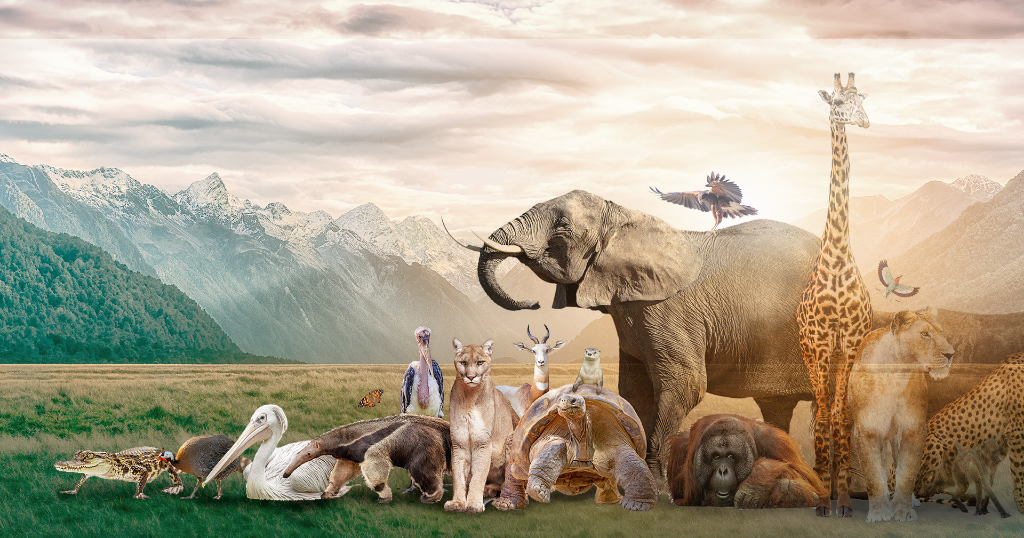
Biodiversity loss occurs because human‑driven habitat alteration, climate change, pollution, invasive species and overexploitation combine to erode species, genetic variation and ecosystem functions worldwide.
Quick Answer
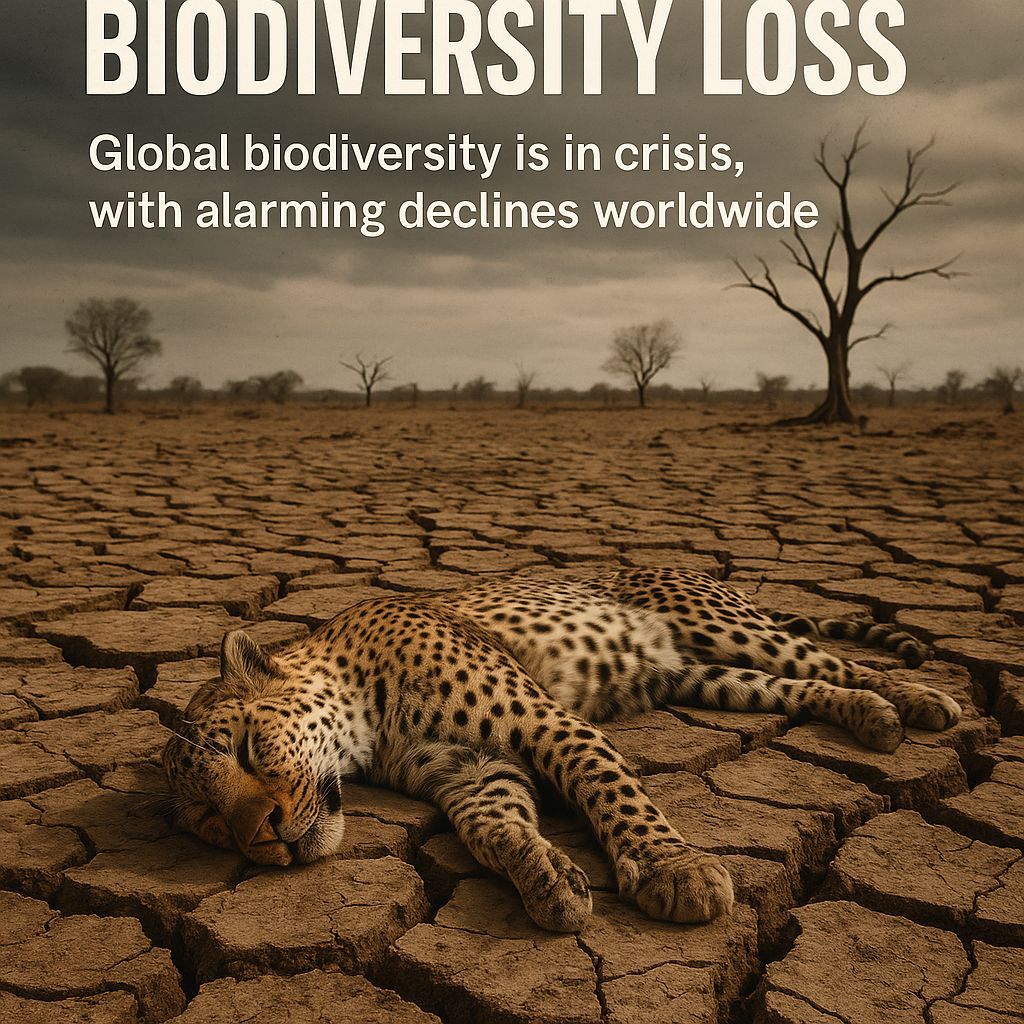
Biodiversity loss is the measurable decline in the variety of life at genetic, species and ecosystem levels, driven primarily by large‑scale habitat alteration such as deforestation, urban expansion and intensive agriculture. Climate change, chemical pollution, invasive organisms and unsustainable harvesting act as amplifying pressures. Scientific assessments consistently show that roughly one‑million species face heightened extinction risk, and that ecosystem services essential for food, water and climate regulation are already deteriorating. While exact timing of local extinctions remains uncertain, the overall downward trajectory is well supported by multiple lines of evidence.
Key Takeaways
- Habitat loss and fragmentation are the leading direct drivers of global biodiversity decline.
- Climate change pushes species beyond their adaptive limits, accelerating range contractions.
- Pollution, invasive species and overexploitation act synergistically, worsening the loss of populations.
- Protected areas, sustainable land‑use and climate mitigation can slow decline, but funding and governance gaps limit impact.
- Action is needed at individual, community and policy levels to preserve the web of life.
What Is Why Biodiversity Is Disappearing on Earth?
Biodiversity loss describes the measurable reduction in the number of species, the genetic variation within those species, and the integrity of ecosystems that host them. It includes local extinctions, steep declines in population sizes, and the erosion of ecological interactions such as pollination and predator‑prey dynamics. The term differs from natural fluctuations because the observed rates exceed background extinction rates recorded in the fossil record and are directly linked to anthropogenic pressures. Understanding this loss matters because biodiversity underpins food security, water purification, climate regulation and cultural identity.
How Does It Work?
1. Habitat Alteration
When forests are cleared for timber or agriculture, the physical space that species occupy shrinks. Fragmented patches isolate populations, reducing gene flow and increasing vulnerability to stochastic events such as fires or disease outbreaks.
2. Climate‑Driven Habitat Shifts
Rising temperatures and altered precipitation patterns move climatic zones poleward and upward. Species that cannot migrate or adapt quickly enough experience range contractions or local extinctions. Phenological mismatches—such as earlier flowering without corresponding pollinator activity—further stress populations.
3. Pollution Impacts
Chemicals including pesticides, heavy metals and micro‑plastics accumulate in soils and waterways. They impair reproductive success, disrupt endocrine systems and cause mortality across trophic levels, from invertebrates to top predators.
4. Biological Invasions
Non‑native organisms introduced through global trade outcompete, prey upon, or transmit diseases to native species. On islands, invasive rats and cats have driven many endemic birds to extinction.
5. Overexploitation
Unsustainable fishing, hunting and logging remove individuals faster than populations can replenish, leading to rapid declines in target species and cascading effects on food webs.
What Does the Evidence Show?
Long‑term monitoring by the Intergovernmental Science‑Policy Platform on Biodiversity and Ecosystem Services (IPBES) indicates that 75 % of terrestrial and freshwater habitats have been altered since 1970, and that more than 30 % of vertebrate species are classified as threatened on the IUCN Red List (IPBES Global Assessment 2022). A systematic review of 1,500 field studies reported an average 68 % reduction in population sizes for birds and mammals in heavily deforested regions (Nature, 2021). Climate models from the Intergovernmental Panel on Climate Change (IPCC, 2022) project that up to 30 % of species could lose suitable habitat by 2050 under a high‑emissions scenario. Together, these independent lines of evidence converge on a consistent picture of accelerating biodiversity loss.
Main Causes or Drivers
Direct Causes
- Habitat destruction from logging, agriculture and urban sprawl.
- Climate‑induced temperature and precipitation shifts.
- Air, water and soil pollution.
- Introduction of invasive species.
- Overharvesting of wildlife and marine resources.
Underlying Drivers
- Population growth and rising consumption demand.
- Economic incentives that prioritize short‑term yields over ecosystem health.
- Policy gaps and weak enforcement of environmental regulations.
- Global trade networks that spread invasive species, pollutants and demand for natural resources.
Environmental and Human Impacts
Environmental Impacts
Loss of pollinators reduces crop yields, while degraded wetlands diminish water filtration and flood protection. Coral‑reef bleaching, driven by ocean warming, eliminates habitat for countless marine species and weakens coastal protection.
Human Health and Social Impacts
Reduced biodiversity can increase disease transmission because diverse ecosystems often dilute pathogens. Communities that rely on fisheries or forest products face food insecurity, loss of livelihoods and erosion of cultural identity.
Economic and Infrastructure Impacts
The World Bank estimates that continued ecosystem‑service decline could cost up to 7 % of global GDP annually by 2050, affecting tourism, agriculture and water infrastructure.
Regional Differences
In the Amazon Basin, deforestation rates of roughly 0.5 % per year have driven steep declines in bird and amphibian diversity (FAO, 2021). Temperate Europe experiences slower habitat loss but higher pressures from intensive agriculture, leading to notable pollinator declines. Arctic regions face rapid climate‑driven habitat loss, threatening species such as polar bears and Arctic foxes. These examples illustrate that while the drivers are global, their expression varies with climate, land‑use history and governance capacity.
What Scientists Know With High Confidence
- Habitat loss is the single largest direct cause of species decline worldwide.
- Climate change is already altering species’ geographic ranges and seasonal behaviours.
- Invasive species are a leading cause of native extinctions on islands.
- Well‑managed protected areas can reduce local biodiversity loss.
What Remains Uncertain
Key uncertainties include the precise tipping points at which ecosystem functions collapse, the capacity of many species to adapt genetically to rapid climate change, and the long‑term effectiveness of large‑scale restoration under continued land‑use pressure. Improved global monitoring, genomic studies and long‑term experiments are needed to narrow these gaps.
Common Misconceptions
Misconception: Biodiversity loss is only a future problem.
Reality: Species extinctions and ecosystem degradation are already measurable; the IUCN reports over 35,000 species assessed as extinct or possibly extinct.
Misconception: Only exotic species cause invasions.
Reality: Native species can become invasive when human activities alter ecosystem balance, such as overabundant white‑tailed deer reshaping forest understories in North America.
Misconception: Planting a few trees solves the crisis.
Reality: Tree planting helps sequester carbon but does not replace the complex structure of old‑growth forests required by many specialized species.
Solutions and Limitations
Effective responses combine prevention, mitigation and restoration:
- Protected Area Expansion: Designating 30 % of land and sea by 2030 can safeguard habitats, yet funding and enforcement remain major constraints.
- Sustainable Agriculture: Agro‑ecological practices reduce pesticide use and maintain habitat heterogeneity, but may initially lower yields without supportive policies.
- Climate Mitigation: Limiting warming to 1.5 °C reduces future habitat loss, although transition timelines are politically challenging.
- Invasive Species Management: Early detection and rapid response limit spread, yet global trade makes complete prevention unlikely.
- Restoration and Rewilding: Restoring degraded wetlands improves water quality, but success depends on local hydrology, community involvement and long‑term financing.
What Individuals, Communities, and Governments Can Do
What Individuals Can Do
- Choose sustainably sourced food (e.g., certified seafood, shade‑grown coffee) to reduce overexploitation.
- Support policies and businesses that protect habitats and cut carbon emissions.
- Participate in citizen‑science monitoring programs that track local biodiversity.
What Communities and Organizations Can Do
- Develop land‑use plans that integrate green corridors and protect key habitats.
- Implement community‑led invasive‑species removal projects.
- Invest in education programs that highlight the link between biodiversity and human well‑being.
What Governments Can Do
- Enforce and strengthen regulations on deforestation, pollution and wildlife trade.
- Allocate stable funding for protected‑area management and ecological restoration.
- Integrate biodiversity metrics into national climate‑change strategies and economic planning.
Closing Synthesis
Biodiversity is disappearing because human‑driven habitat loss, climate change, pollution, invasive species and overexploitation act together to erode the web of life. Robust evidence from global assessments, long‑term monitoring and peer‑reviewed studies confirms this trend, while uncertainties remain about exact tipping points and adaptive capacities. Solutions that combine protected areas, sustainable resource use, climate mitigation and restoration offer the best chance to halt and reverse loss, but they require coordinated action, adequate financing and equitable implementation.
Frequently Asked Questions
What is biodiversity loss?
Biodiversity loss is the measurable decline in the variety of life at genetic, species and ecosystem levels, caused mainly by human activities that alter habitats, climate and resource use.
How does habitat destruction lead to species decline?
Habitat destruction reduces the physical space species need, fragments populations, limits gene flow and makes them more vulnerable to random events, ultimately causing population drops and local extinctions.
What evidence shows that biodiversity is declining globally?
IPBES reports that 75 % of terrestrial and freshwater habitats have been altered since 1970 and the IUCN lists over 30 % of vertebrates as threatened, while a Nature review found a 68 % average decline in bird and mammal populations in deforested areas.
Why is climate change considered an amplifying factor for biodiversity loss?
Climate change shifts temperature and precipitation patterns, moving suitable habitats poleward or upward; species that cannot migrate or adapt fast enough experience range contractions, phenological mismatches and higher extinction risk.
What actions can individuals take to help stop biodiversity loss?
Individuals can choose sustainably sourced foods, support policies that protect habitats and reduce emissions, and join citizen‑science projects that monitor local species and ecosystems.





Leave a Comment