

The greenhouse effect naturally warms Earth, but human‑driven emissions amplify it, creating both essential climate functions and serious risks that demand evidence‑based mitigation and adaptation.
Quick Answer
The greenhouse effect is a natural process in which gases such as carbon dioxide, methane and water vapour trap outgoing infrared radiation, keeping the planet warm enough for liquid water and life. Human activities since the Industrial Revolution have increased the concentration of these gases, strengthening the effect and causing global average temperatures to rise about 1.1 °C above pre‑industrial levels (IPCC, 2021). Scientists have high confidence that this enhanced greenhouse effect drives most observed warming, leading to sea‑level rise, more extreme weather, and ecosystem stress, while the underlying natural greenhouse effect remains essential for habitability.
Key Takeaways
- The natural greenhouse effect is vital; without it, average surface temperature would be ~‑18 °C.
- Human‑generated greenhouse gases have increased atmospheric CO₂ from ~280 ppm in pre‑industrial times to over 420 ppm in 2023 (NOAA, 2024).
- Enhanced greenhouse warming is the primary driver of the observed 1.1 °C global temperature increase.
- Feedbacks such as ice‑albedo loss and permafrost methane release can accelerate warming.
- Mitigation (reducing emissions) and adaptation (building climate‑resilient systems) are both required, each with trade‑offs.
What Is The Greenhouse Effect: Helpful, Harmful, or Both?
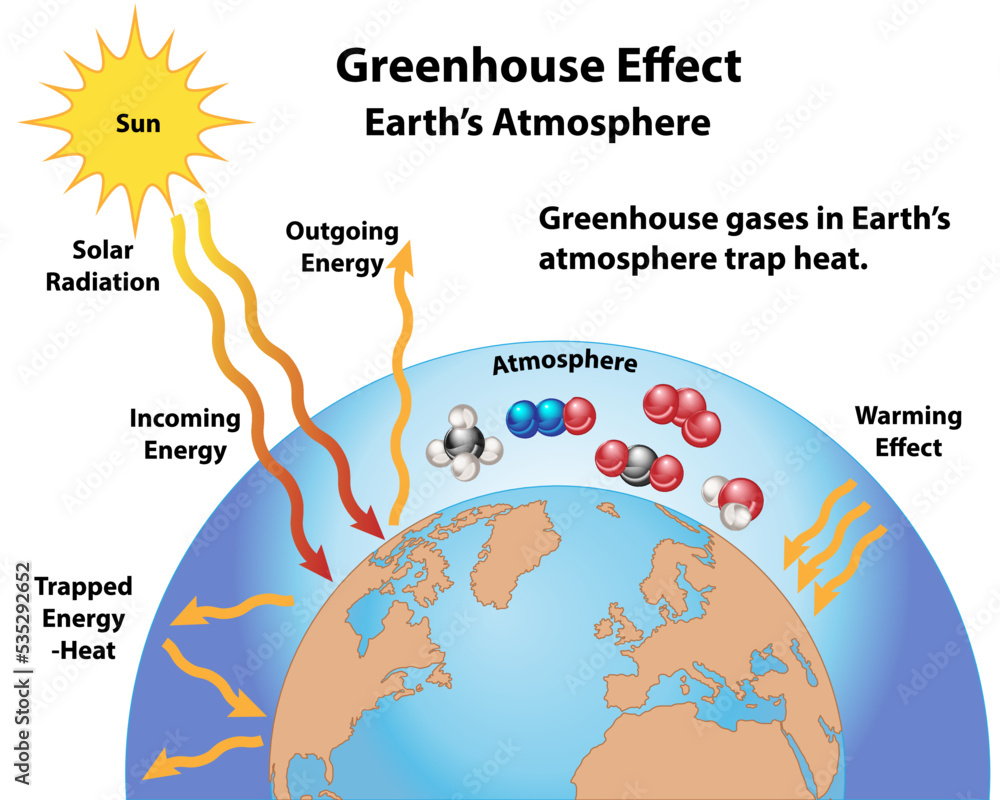
The greenhouse effect describes the process by which certain atmospheric gases absorb and re‑emit infrared radiation, creating a thermal blanket that raises Earth’s surface temperature. Key gases—carbon dioxide (CO₂), methane (CH₄), nitrous oxide (N₂O) and water vapour—are naturally present and regulate climate. The effect differs from the “greenhouse” metaphor of a physical structure; it is a radiative‑transfer phenomenon governed by physics.
Why it matters: a surface temperature near 15 °C allows liquid water, photosynthesis, and the diverse ecosystems that support human societies. Without the greenhouse effect, the planet would average about –18 °C, making most of the land surface inhospitable.
How Does It Work?
1. Solar Radiation Arrives
Shortwave solar energy passes through the atmosphere and is absorbed by the surface, warming land, oceans and ice.
2. Surface Emits Infrared Radiation
Warm surfaces radiate energy as longer‑wave infrared photons. Transparent gases (e.g., nitrogen, oxygen) let most of this radiation escape to space.
3. Greenhouse Gases Absorb Infrared
Molecules of CO₂, CH₄, N₂O and water vapour have vibrational modes that capture specific infrared wavelengths, converting the energy into molecular motion (heat).
4. Re‑Emission and Downward Flux
Absorbed energy is re‑emitted in all directions, including back toward the surface, adding to the heat already present. This “downward infrared flux” creates the warming effect.
5. Feedback Loops
- Water‑vapour feedback: Warmer air holds more water vapour, a potent greenhouse gas, amplifying the initial warming.
- Ice‑albedo feedback: Melting snow and ice expose darker surfaces that absorb more solar energy, further raising temperatures.
- Permafrost feedback: Thawing permafrost releases stored CH₄, enhancing greenhouse forcing.
What Does the Evidence Show?
Multiple lines of evidence converge on the conclusion that the enhanced greenhouse effect is the dominant cause of recent warming:
- Instrumental records: Global surface temperature datasets (e.g., NASA GISTEMP, NOAA) show a clear upward trend of ~0.18 °C per decade since 1979.
- Atmospheric composition: Direct measurements from the Mauna Loa Observatory track CO₂ increasing from 315 ppm in 1958 to 424 ppm in 2023.
- Isotopic signatures: The ratio of carbon‑13 to carbon‑12 in atmospheric CO₂ indicates that fossil‑fuel combustion is the primary source.
- Climate‑model attribution: Simulations that include anthropogenic greenhouse gases reproduce observed warming, whereas models with natural forcings alone do not (IPCC AR6, 2021).
Main Causes or Drivers
Direct Human Emissions
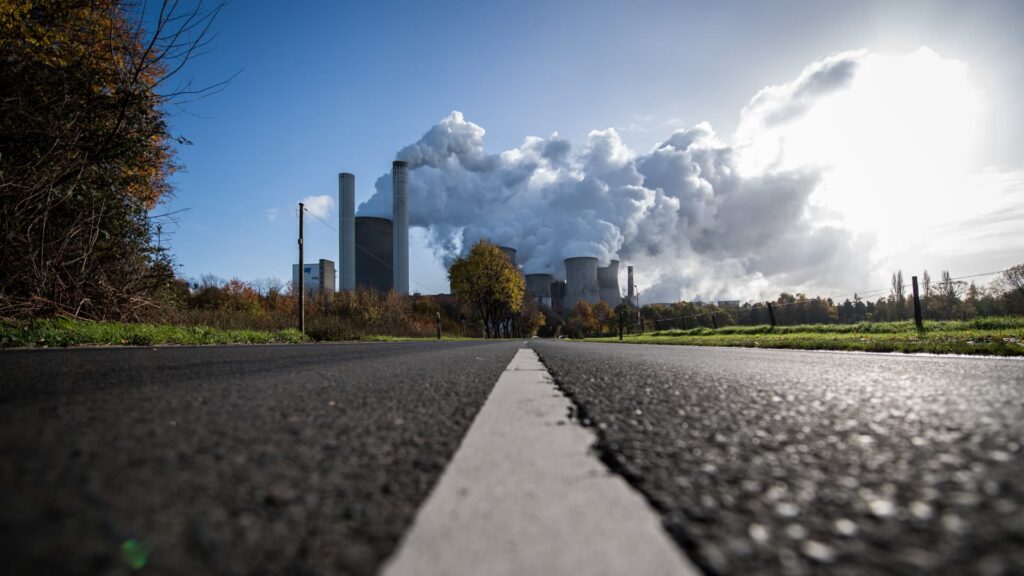
Burning coal, oil and natural gas for energy, cement production, and industrial processes releases ~36 Gt of CO₂ per year (IEA, 2023). Agriculture emits CH₄ from livestock and rice paddies, and N₂O from fertiliser use.
Land‑Use Change
Deforestation reduces the biosphere’s capacity to absorb CO₂, while soil disturbance can release stored carbon.
Underlying Drivers
- Economic growth and energy demand.
- Population increase and urbanisation.
- Policy frameworks that subsidise fossil‑fuel extraction.
Environmental and Human Impacts
Environmental Impacts
- Rising sea level of about 3.4 mm per year (average 1993‑2022, satellite altimetry).
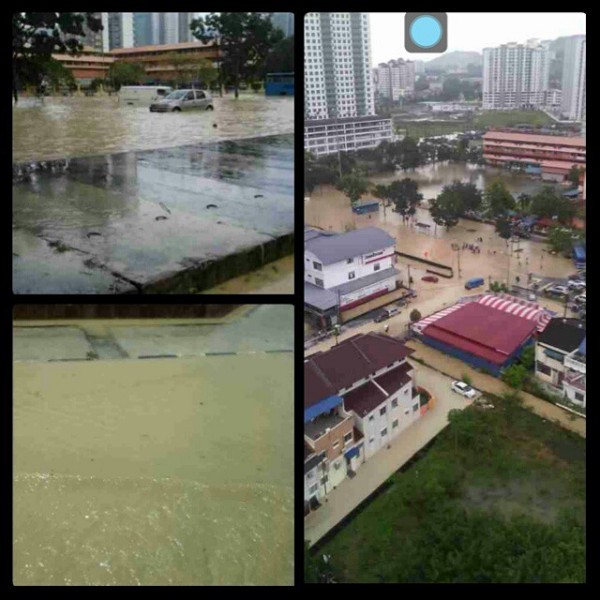
- Increased frequency of heatwaves and heavy precipitation events.
- Shifts in species’ geographic ranges, with tropical montane species most at risk of extinction.
- Ocean acidification: surface ocean pH has dropped from ~8.2 to 8.1 since pre‑industrial times, threatening calcifying organisms.
Human Health and Social Impacts
- Heat‑related mortality rises, especially among older adults and outdoor workers.
- Vector‑borne diseases (e.g., dengue) expand into previously temperate zones.
- Food security is challenged by reduced crop yields in hot, dry regions.
- Displacement risk grows for low‑lying coastal communities.
Economic and Infrastructure Impacts
Climate‑related disasters cost the global economy an estimated US$210 billion per year (World Bank, 2022), with infrastructure damage concentrated in coastal megacities and agriculture‑dependent economies.
Regional Differences
Impact intensity varies with geography, socioeconomic capacity and existing climate patterns.
- Arctic: Temperature rise >2 °C per decade, rapid permafrost thaw, and loss of sea‑ice habitat.
- Tropical lowlands: Heightened heat stress and intensified monsoon rains, affecting rice production and water quality.
- Small Island Developing States: Sea‑level rise threatens entire land area; limited adaptive capacity amplifies vulnerability.
- Temperate high‑income regions: Greater resources for adaptation, but still experience increased flood risk and wildfires.
What Scientists Know With High Confidence
What Scientists Know With High Confidence
- Greenhouse gases trap infrared radiation, warming the surface.
- Atmospheric concentrations of CO₂, CH₄ and N₂O have risen sharply since the mid‑19th century.
- Human‑induced increases in these gases are the dominant cause of global warming since 1950 (IPCC, 2021).
- Warming is linked to sea‑level rise, ice‑sheet loss, and more frequent extreme heat events.
What Remains Uncertain
What Remains Uncertain
Key uncertainties centre on the magnitude and timing of feedbacks:
- How much methane will be released from thawing permafrost under different warming pathways?
- The precise cloud‑feedback response, which can either amplify or dampen warming.
- Regional climate sensitivity, especially for precipitation changes in the tropics.
Improved observations and higher‑resolution models are needed to narrow these gaps.
Common Misconceptions
Common Misconceptions
Misconception: The greenhouse effect is “bad” and should be eliminated.
Reality: The natural greenhouse effect is essential for life; the problem is the *enhancement* caused by excessive human emissions.
Misconception: Only CO₂ matters.
Reality: While CO₂ is the largest long‑lived contributor, methane, nitrous oxide and water vapour also drive warming, and short‑lived gases can influence near‑term climate.
Misconception: Climate change is a future issue.
Reality: Observable impacts—heatwaves, glacier retreat, and sea‑level rise—are already occurring and affecting millions today.
Solutions and Limitations
Effective responses combine mitigation (reducing greenhouse‑gas emissions) and adaptation (preparing for unavoidable changes). Each approach carries trade‑offs.
- Renewable energy transition: Solar and wind provide low‑carbon power, but intermittency requires storage and grid upgrades.
- Energy efficiency: Buildings and industry can cut demand, yet retrofits involve upfront capital and may be limited by building stock turnover.
- Carbon pricing: Taxes or cap‑and‑trade create economic incentives, but political acceptance varies.
- Nature‑based solutions: Reforestation sequesters carbon and restores habitats, but land‑competition and permanence issues limit scale.
- Carbon‑capture and storage (CCS): Technically feasible for point sources, yet high cost and limited deployment hinder immediate impact.
What Individuals, Communities, and Governments Can Do
What Individuals Can Do
- Reduce high‑carbon travel; choose public transit, cycling or electric vehicles where possible.
- Improve home energy efficiency—insulation, LED lighting, and efficient appliances.
- Support policies that price carbon or fund renewable infrastructure.
What Communities and Organizations Can Do
- Develop local climate‑action plans that include green space, storm‑water management and renewable micro‑grids.
- Adopt sustainable procurement standards that favour low‑carbon suppliers.
What Governments Can Do
- Set ambitious, legally binding emission‑reduction targets aligned with the Paris Agreement’s 1.5 °C pathway.
- Invest in public transit, grid modernization, and research on low‑carbon technologies.
- Provide climate‑resilience funding for vulnerable regions, especially small island states and low‑income communities.
Synthesis
The greenhouse effect is a fundamental Earth system process that makes life possible. Human activities have amplified this effect, driving most of the warming observed over the past century. High‑confidence science links the amplified greenhouse effect to rising temperatures, sea‑level rise, and ecosystem disruption, while uncertainties remain around feedback strength and regional climate response. Mitigation, adaptation and equitable policy are all required; no single solution can offset the scale of the challenge. By understanding the science and acting on proven strategies, societies can preserve the beneficial aspects of the greenhouse effect while limiting its harmful consequences.
Frequently Asked Questions
What is the greenhouse effect and why is it important?
The greenhouse effect is a natural process where gases like carbon dioxide and water vapour trap infrared radiation, warming the Earth’s surface to an average of about 15 °C, which is essential for liquid water and life.
How do human activities enhance the greenhouse effect?
Since the Industrial Revolution, burning fossil fuels, deforestation and agriculture have raised atmospheric CO₂ from ~280 ppm to over 420 ppm, increasing the heat‑trapping capacity of the atmosphere and driving most of the observed 1.1 °C warming.
What are the main environmental impacts of an enhanced greenhouse effect?
Key impacts include sea‑level rise of roughly 3.4 mm per year, more frequent heatwaves and heavy rains, loss of Arctic sea ice, shifting species ranges, and ocean acidification that threatens coral reefs and shell‑forming organisms.
Which solutions can reduce the harmful side of the greenhouse effect?
Evidence‑based solutions include transitioning to renewable energy, improving energy efficiency, implementing carbon pricing, restoring forests, and developing carbon‑capture technologies, each with specific costs, scale limits and implementation challenges.
What actions can individuals take to help address the enhanced greenhouse effect?
Individuals can lower high‑carbon travel, upgrade home insulation and appliances, support carbon‑pricing policies, and vote for leaders who prioritize clean energy and climate‑resilient infrastructure.






Leave a Comment