
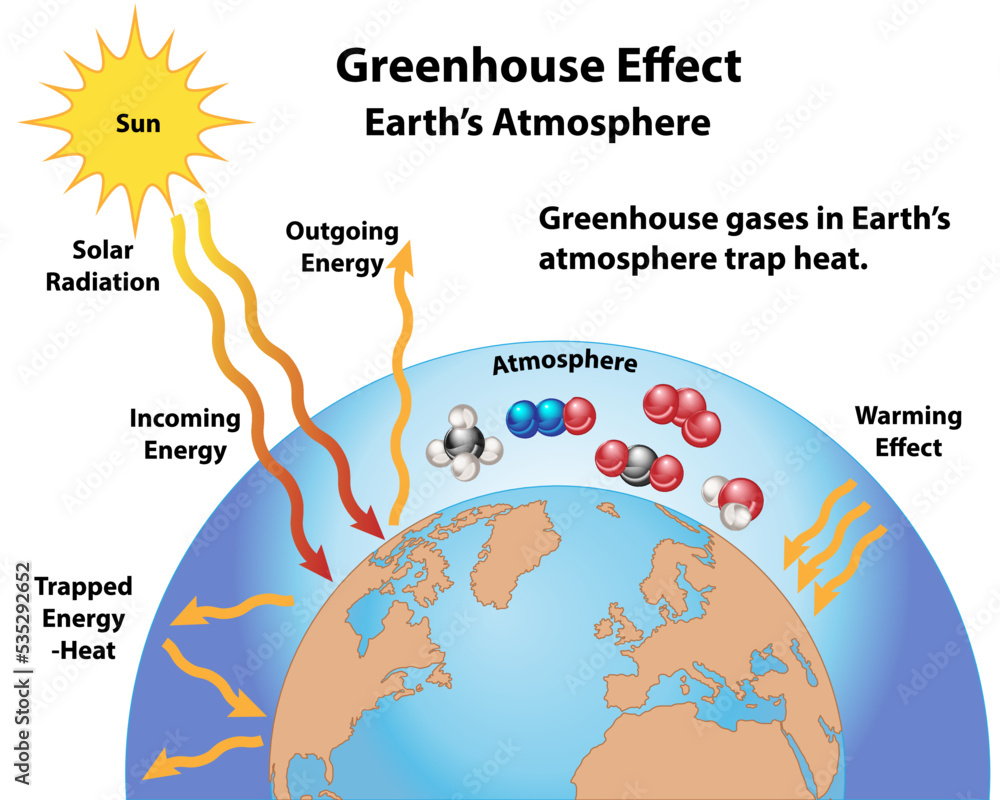
Earth’s atmosphere functions as a natural greenhouse by trapping infrared radiation with greenhouse gases, maintaining a climate that supports life while also being sensitive to human‑induced changes.
Quick Answer
The atmosphere acts like a greenhouse because gases such as carbon dioxide, methane, and water vapor absorb infrared radiation emitted from Earth’s surface and re‑emit it back toward the planet, keeping average temperatures around +15 °C instead of the -18 °C expected without them. This natural greenhouse effect is essential for life, but increasing concentrations of these gases from fossil‑fuel combustion, deforestation, and agriculture intensify warming, leading to climate change. Scientists are highly confident in the basic physics, though uncertainties remain about feedback strength and regional impacts.
Key Takeaways
- Greenhouse gases absorb outgoing infrared radiation and re‑radiate it, creating a warming layer around Earth.
- The natural greenhouse effect raises global mean temperature by about 33 °C, making the planet habitable.
- Human activities have increased atmospheric CO₂ by ~50 % since pre‑industrial times, amplifying the effect.
- Feedbacks such as ice‑albedo loss and water‑vapour increase can accelerate warming.
- Mitigation requires rapid reduction of emissions; adaptation reduces vulnerability.
What Is Why Earth’s Atmosphere Works Like a Greenhouse?
The phrase describes the physical process by which Earth’s gaseous envelope retains heat, similar to glass panels in a horticultural greenhouse. The term “greenhouse effect” refers specifically to the trapping of infrared (IR) radiation by certain atmospheric constituents—principally carbon dioxide (CO₂), methane (CH₄), nitrous oxide (N₂O), and water vapour (H₂O). Unlike a literal greenhouse, the atmosphere is a dynamic system with circulation, chemical reactions, and feedback loops that influence climate on timescales from days to millennia.
How Does It Work?
1. Solar Radiation Arrives as Shortwave Energy
Sunlight, mainly visible and ultraviolet wavelengths, passes through the atmosphere with minimal absorption. About 30 % of this incoming solar radiation is reflected back to space by clouds, aerosols, and the bright surfaces of ice and snow.
2. Surface Absorbs and Re‑emits Infrared Radiation
The remaining ~70 % is absorbed by land, oceans, and vegetation, warming them. Warm surfaces then emit energy as long‑wave infrared radiation.
3. Greenhouse Gases Absorb Infrared Photons
Molecules of CO₂, CH₄, N₂O, and H₂O have vibrational modes that resonate with infrared wavelengths. When they absorb IR photons, they become excited and later re‑emit photons in all directions, including back toward the surface.
4. Net Energy Balance Shifts Warmward
Because some of the re‑emitted infrared radiation returns to the surface, the planet retains additional heat. The balance between incoming solar energy and outgoing infrared radiation determines the global average temperature.
5. Feedback Loops Modify the Strength of the Effect
- Water‑vapour feedback: Warmer air holds more moisture, which itself is a potent greenhouse gas, amplifying warming.
- Ice‑albedo feedback: Melting ice reduces surface reflectivity, allowing more solar absorption.
- Cloud feedback: Changes in cloud cover can either enhance or dampen warming, a major source of uncertainty.
What Does the Evidence Show?
Multiple lines of evidence converge on the reality of the greenhouse effect:
- Laboratory spectroscopy: Since the 19th century, laboratory measurements have demonstrated that CO₂ and other gases absorb infrared radiation at specific wavelengths.
- Satellite observations: Instruments on NASA’s Aqua and ESA’s Sentinel‑5P record increasing concentrations of CO₂ and CH₄, alongside rising surface temperatures.
- Long‑term monitoring: The Mauna Loa CO₂ record (1958‑present) shows a rise from ~315 ppm to over 420 ppm, coinciding with a global mean temperature increase of ~1.1 °C (IPCC AR6, 2021).
- Climate‑model attribution studies: Simulations that omit human‑made greenhouse gases cannot reproduce observed warming, whereas models that include them match the temperature record.
These observations are consistent across independent agencies (NOAA, NASA, Met Office) and peer‑reviewed assessments, providing strong confidence in the underlying physics.
Main Causes or Drivers
Direct Human Drivers
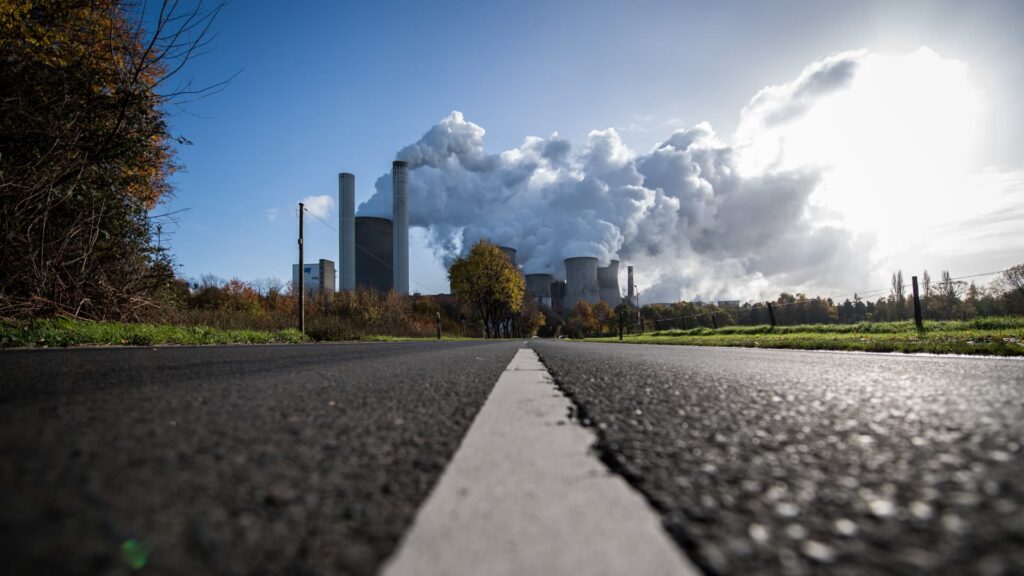
- Fossil‑fuel combustion releases ~36 Gt CO₂ per year (global total, 2022, International Energy Agency).
- Agricultural practices emit CH₄ from ruminants and rice paddies, and N₂O from synthetic fertilizers.
- Land‑use change, especially deforestation, reduces the biosphere’s capacity to absorb CO₂.
Underlying Socio‑Economic Drivers
- Population growth and urbanization increase energy demand.
- Industrialization and reliance on carbon‑intensive infrastructure lock in emissions.
- Policy frameworks and market incentives shape the speed of transition to low‑carbon technologies.
Environmental and Human Impacts
Environmental Impacts
- Temperature rise: Global mean surface temperature is projected to exceed +1.5 °C above pre‑industrial levels by the 2030s under current trajectories.
- Sea‑level rise: Thermal expansion and ice‑sheet melt contribute ~3.3 mm yr⁻¹ of sea‑level rise (IPCC AR6, 2021).
- Ecosystem shifts: Species ranges move poleward and upward; coral bleaching events have increased in frequency.
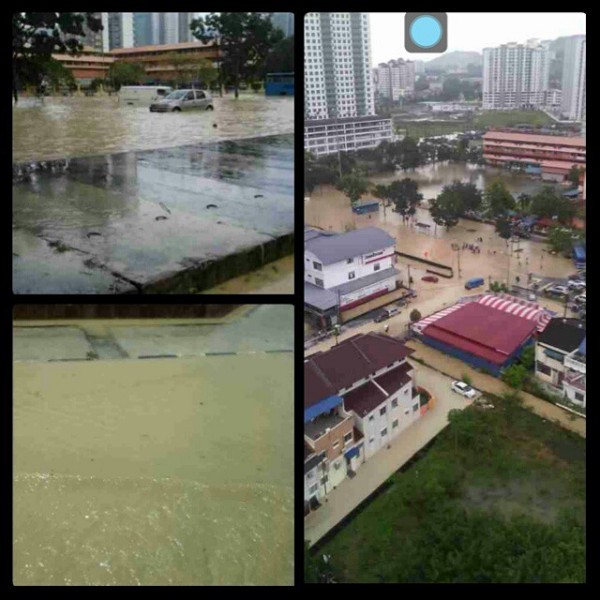
- Extreme weather: Higher atmospheric moisture intensifies precipitation extremes, while heatwaves become more frequent.
Human Health and Social Impacts
- Heat‑related mortality rises, especially among elderly and outdoor workers.
- Air‑quality degradation from ground‑level ozone and particulate matter worsens respiratory conditions.
- Food security is threatened by reduced crop yields in tropical regions and increased pest pressures.
- Coastal communities face displacement risk from sea‑level rise and storm surge.
Regional Differences
Impact intensity varies with geography:
- Arctic: Warming rates are roughly twice the global average, accelerating permafrost thaw.
- Tropical lowlands: Increased heat stress and altered monsoon patterns affect agriculture.
- Small island states: Even modest sea‑level rise threatens freshwater supplies and habitability.
- Mid‑latitude urban areas: Urban heat‑island effects add several degrees to ambient temperature, exacerbating health risks.
What Scientists Know With High Confidence
What Scientists Know With High Confidence
- The greenhouse effect is a fundamental physical process confirmed by laboratory, satellite, and field observations.
- Human activities have increased atmospheric CO₂ by ~50 % since 1750, driving most of the observed warming since the mid‑20th century.
- Without greenhouse gases, Earth’s average surface temperature would be about –18 °C, making the planet largely uninhabitable.
- Feedbacks involving water vapour and ice‑albedo amplify the direct warming from greenhouse gases.
What Remains Uncertain
What Remains Uncertain
Key uncertainties centre on the magnitude of climate feedbacks, especially cloud responses and permafrost carbon release. Regional precipitation changes are also less certain than temperature trends because they depend on complex atmospheric dynamics. Improving high‑resolution observations and model representations will reduce these gaps, but the overall conclusion—that increased greenhouse gases warm the planet—remains robust.
Common Misconceptions
Common Misconceptions
Misconception: The greenhouse effect is “unnatural” and only caused by humans.
Reality: A natural greenhouse effect has existed for billions of years and is essential for life. Human activities add to the existing effect, intensifying warming.
Misconception: All greenhouse gases trap heat equally.
Reality: Different gases have distinct absorption spectra and lifetimes. CO₂ is the most abundant and long‑lived, while CH₄ is more potent per molecule but persists for ~12 years.
Misconception: If the atmosphere were a literal glass greenhouse, it would heat the same way.
Reality: Real greenhouses trap heat primarily by preventing convection, whereas Earth’s atmosphere retains heat through radiative absorption and re‑emission, a distinct physical mechanism.
Misconception: Reducing individual carbon footprints will stop climate change.
Reality: Individual actions matter for collective demand, but systemic emissions reductions from energy, industry, and land‑use sectors are required to meet climate goals.
Solutions and Limitations
Effective responses combine mitigation (reducing greenhouse‑gas emissions) and adaptation (preparing for unavoidable impacts). Major strategies include:
- Decarbonizing energy: Shifting from coal and oil to wind, solar, and nuclear reduces CO₂ emissions. Limitations include intermittency, grid integration costs, and material supply chains.
- Improving energy efficiency: Upgrading buildings, appliances, and industrial processes cuts demand. Savings are well‑documented, yet upfront investment can be a barrier.
- Land‑use management: Reforestation and avoided deforestation enhance carbon sinks. Trade‑offs involve land competition with food production and biodiversity concerns.
- Carbon capture and storage (CCS): Captures CO₂ from point sources or directly from air. Technology is still costly and scale‑limited, with uncertainties about long‑term storage integrity.
- Adaptation measures: Coastal defenses, heat‑wave early‑warning systems, and climate‑resilient agriculture reduce vulnerability. These do not lower atmospheric greenhouse gases and may require substantial public investment.
What Individuals, Communities, and Governments Can Do
What Individuals Can Do
- Choose low‑carbon transportation (public transit, cycling, electric vehicles) where feasible.
- Reduce home energy use through insulation, efficient appliances, and smart thermostats.
- Support renewable‑energy providers or install rooftop solar where possible.
- Adopt a plant‑rich diet and reduce food waste to lower agricultural emissions.
What Communities and Organizations Can Do
- Implement district‑wide energy‑efficiency retrofits for public buildings.
- Develop green‑space and urban tree‑planting programs that mitigate heat‑island effects.
- Promote local renewable projects and community-owned micro‑grids.
- Integrate climate risk assessments into land‑use planning.
What Governments Can Do
- Enact carbon‑pricing mechanisms that reflect the social cost of emissions.
- Set ambitious, enforceable targets for renewable‑energy share and net‑zero emissions.
- Invest in climate‑resilient infrastructure and early‑warning systems.
- Support research, monitoring networks, and capacity‑building in vulnerable regions.
Synthesis
The atmosphere’s greenhouse effect is a natural, physics‑based process that keeps Earth warm enough for life. Human activities have amplified this effect by adding large quantities of long‑lived gases, leading to measurable warming, sea‑level rise, and ecosystem changes. High‑confidence evidence confirms the basic mechanisms and the dominant role of anthropogenic emissions, while uncertainties remain in feedback strength and regional climate responses. Mitigation through rapid decarbonization, combined with adaptation to protect communities, offers the most effective path forward. Collective action—across individuals, cities, industries, and governments—will determine how well we preserve the delicate balance that makes our planet habitable.
Frequently Asked Questions
What is the greenhouse effect and why is it important for Earth’s climate?
The greenhouse effect is the process by which gases such as carbon dioxide, methane, and water vapour absorb infrared radiation emitted by Earth’s surface and re‑emit it back toward the planet, keeping average temperatures around +15 °C instead of the -18 °C that would occur without these gases. This natural warming is essential for liquid water and life.
How do human activities intensify the natural greenhouse effect?
Human activities—primarily fossil‑fuel combustion, deforestation, and agriculture—add large amounts of carbon dioxide, methane, and nitrous oxide to the atmosphere. Since the pre‑industrial era, CO₂ levels have risen from about 280 ppm to over 420 ppm, increasing the amount of infrared radiation trapped and causing global average temperatures to rise.
What are the main pieces of evidence that the greenhouse effect is driving climate change?
Evidence includes laboratory spectroscopy confirming gas absorption, satellite measurements showing rising greenhouse‑gas concentrations, the Mauna Loa CO₂ record linked to a 1.1 °C global temperature increase, and climate‑model attribution studies that reproduce observed warming only when human emissions are included.
Which regions are most vulnerable to the amplified greenhouse effect?
The Arctic experiences warming at roughly twice the global average, leading to permafrost melt. Tropical lowlands face heightened heat stress and altered monsoons that threaten agriculture. Small island states confront sea‑level rise and saltwater intrusion, while mid‑latitude cities deal with urban heat‑island effects that exacerbate health risks.
What practical actions can individuals take to help reduce the greenhouse effect?
Individuals can lower their carbon footprint by using low‑carbon transportation, improving home energy efficiency, supporting renewable‑energy providers, and adopting a diet richer in plant‑based foods while reducing food waste. These steps lower personal emissions and contribute to broader demand for cleaner energy.







Leave a Comment