
The greenhouse effect is a natural process where atmospheric gases trap heat, keeping Earth warm enough for life, but human‑driven increases in these gases are strengthening the effect and driving climate change.
Quick Answer
The greenhouse effect is the warming of Earth’s surface caused by gases such as carbon dioxide, methane, nitrous oxide and water vapor that absorb outgoing infrared radiation and re‑emit it toward the planet. This natural blanket makes the average surface temperature about 15 °C, which allows liquid water and life to exist. Human activities since the industrial era have added large amounts of long‑lived gases, thickening the blanket and raising global temperatures. The most important implication is a shift in climate patterns that affects ecosystems, water resources and human societies. While the basic physics is well‑established, uncertainties remain about the magnitude of regional impacts and feedbacks.
Key Takeaways
- The greenhouse effect is essential for a habitable planet, but its enhancement by humans drives modern climate change.
- Carbon dioxide, methane and nitrous oxide are the primary long‑lived gases added by fossil‑fuel use, agriculture and industry.
- Robust observations from satellites, surface stations and ice cores show atmospheric CO₂ rising from ~280 ppm pre‑industrial to over 420 ppm in 2023 (NOAA).
- Impacts include rising sea level, more extreme heatwaves, altered precipitation and threats to biodiversity.
- High‑confidence findings are supported by multiple lines of evidence; remaining uncertainties involve cloud feedbacks and regional climate sensitivity.
- Effective responses combine rapid emissions reductions, renewable energy deployment, sustainable land use and equitable adaptation measures.
What Is The Greenhouse Effect Explained in Plain Language?
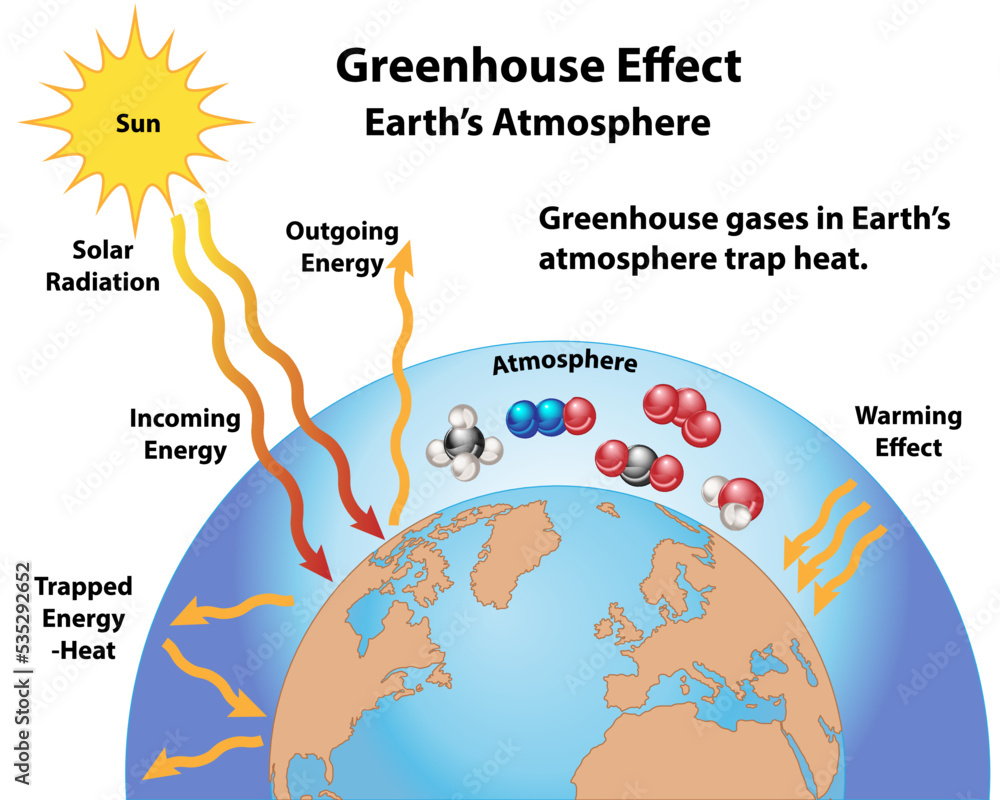
The greenhouse effect is the process by which certain gases in the atmosphere absorb infrared radiation emitted by Earth’s surface and re‑radiate it in all directions, including back toward the surface. This trapped heat raises the planet’s average temperature, creating conditions suitable for liquid water, plants and animals. The term is often confused with “global warming,” which refers specifically to the recent, human‑driven increase in temperature that results from an enhanced greenhouse effect.
How Does It Work?
1. Solar Energy Reaches Earth
Shortwave solar radiation passes through the atmosphere and is absorbed by land, oceans and ice, warming the surface.
2. Earth Emits Infrared Radiation
Warm surfaces emit longer‑wavelength infrared (IR) radiation back toward space.
3. Greenhouse Gases Absorb IR
Molecules of CO₂, CH₄, N₂O and water vapor have vibrational modes that match IR wavelengths, allowing them to absorb this energy.
4. Re‑Emission in All Directions
After absorption, the gases re‑emit IR photons isotropically. About half head back to the surface, adding to the warming, while the rest escape to space.
5. Balance and Feedbacks
In the natural state, the outgoing IR roughly balances incoming solar energy, stabilising climate. Adding more greenhouse gases shifts the balance, requiring a higher surface temperature to restore equilibrium. Feedbacks such as melting ice (reducing reflective albedo) and increased water vapor (a potent greenhouse gas) can amplify warming.
What Does the Evidence Show?
Multiple, independent lines of evidence confirm that the enhanced greenhouse effect is occurring:
- Direct atmospheric measurements: Mauna Loa observatory records CO₂ concentrations rising from 315 ppm in 1958 to 421 ppm in 2023 (NOAA, 2024).
- Satellite observations: NASA’s CERES instrument detects a net increase in Earth’s outgoing longwave radiation being absorbed, consistent with higher greenhouse gas concentrations.
- Historical reconstructions: Ice‑core records show a close correlation between past CO₂ levels and temperature over glacial‑interglacial cycles.
- Attribution studies: The Intergovernmental Panel on Climate Change (IPCC) Fifth Assessment Report (2014) and Sixth Assessment Report (2021) conclude with >99% confidence that human‑made emissions are the dominant cause of warming since the mid‑20th century.
- Model‑data agreement: Climate models that include observed greenhouse gas increases reproduce the warming trend, whereas models that exclude anthropogenic emissions fail to match observations.
Main Causes or Drivers
Direct Human Causes
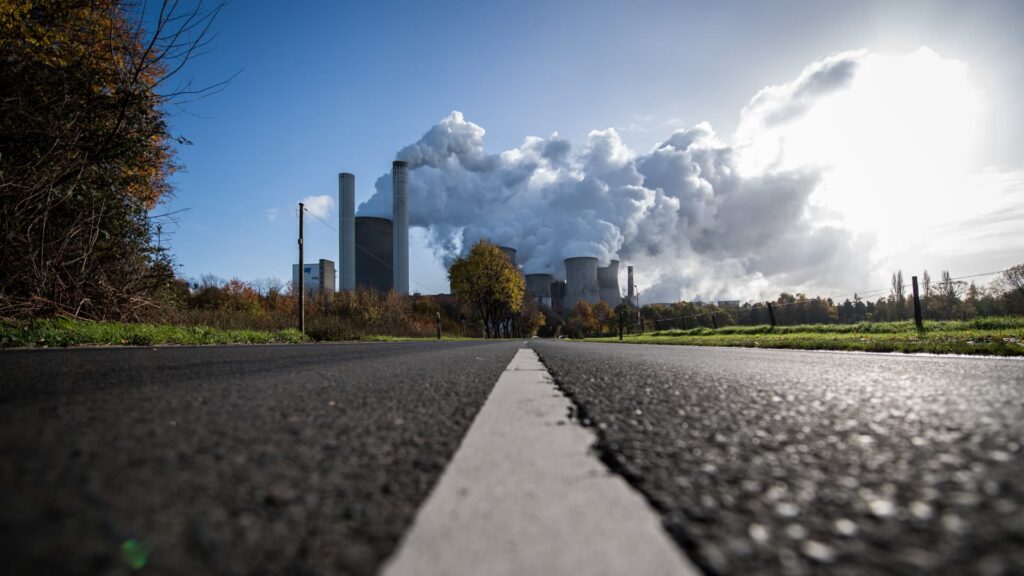
- Burning of fossil fuels for electricity, transport and industry releases CO₂.
- Livestock digestion and rice paddies emit methane (CH₄).
- Use of synthetic fertilizers and industrial processes emit nitrous oxide (N₂O).
Underlying Drivers
- Economic growth and energy demand in developing and developed nations.
- Population increase and urbanisation that expand energy consumption.
- Policy frameworks that subsidise carbon‑intensive activities.
Natural Influences
Volcanic eruptions, solar variability and natural carbon cycle fluxes affect atmospheric composition, but their net contribution to the recent warming trend is small compared with anthropogenic emissions (IPCC, 2021).
Environmental and Human Impacts
Environmental Impacts
- Sea‑level rise from thermal expansion and ice‑sheet melt threatens coastal ecosystems.
- Increased frequency of heatwaves stresses terrestrial and marine species.
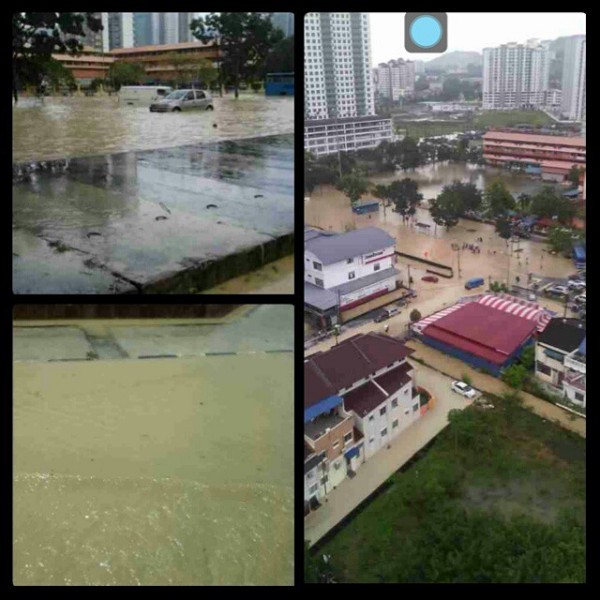
- Altered precipitation patterns intensify droughts in arid regions and heavy rainfall in others, affecting freshwater availability.
- Ocean acidification, driven by CO₂ dissolution, harms coral reefs and shell‑forming organisms.
Human Health and Social Impacts
- Heat stress raises mortality risk, especially for the elderly and outdoor workers.
- Changes in vector‑borne disease ranges (e.g., dengue, malaria) are linked to warming temperatures.
- Food security is challenged by reduced crop yields in heat‑prone regions and disrupted fisheries.
- Displacement and migration may increase as sea levels rise and extreme weather events become more common.
Economic and Infrastructure Impacts
- Damage to infrastructure from storms and flooding raises insurance costs and repair expenses.
- Energy demand for cooling grows, while heat can reduce power‑plant efficiency.
Regional Differences
The magnitude and type of impacts vary widely:
- Arctic: Rapid warming (approximately twice the global average) accelerates permafrost thaw and sea‑ice loss, creating a feedback loop that releases additional CO₂ and CH₄.
- Tropical low‑lying islands: Small absolute sea‑level rise translates into large relative land loss, threatening entire communities.
- Sub‑Saharan Africa: Projected declines in rainfall during the growing season increase drought risk and food insecurity.
- Europe: More intense winter storms combined with hotter summers affect agriculture and energy grids.
These examples illustrate how geography, existing climate, and socioeconomic capacity shape vulnerability and adaptive options.
What Scientists Know With High Confidence
- The greenhouse effect is a real physical process governed by well‑understood radiative physics.
- Atmospheric concentrations of CO₂, CH₄ and N₂O have risen dramatically since the mid‑1800s.
- Human activities are the dominant cause of the observed warming since the 1950s.
- Warming is already causing measurable changes in sea level, ice extent, heat‑wave frequency and ecosystem distribution.
What Remains Uncertain
Key uncertainties involve the strength of feedbacks that could amplify or dampen warming, especially cloud dynamics and permafrost carbon release. Regional climate sensitivity—how much a specific area will warm relative to the global average—varies with limited observational coverage in some parts of the world. Better high‑resolution monitoring and long‑term experiments are needed to narrow these gaps.
Common Misconceptions
Misconception: The greenhouse effect is “bad” and should be stopped.
Reality: The natural greenhouse effect is essential for life; the problem is the *enhanced* effect caused by excess anthropogenic gases.
Misconception: Only carbon dioxide matters.
Reality: While CO₂ is the largest long‑lived contributor, methane, nitrous oxide and water vapor each play significant roles, especially because methane has a warming potential over 28‑36 times that of CO₂ over a 100‑year horizon.
Misconception: Climate change is just about hotter summers.
Reality: Climate change alters the *distribution* of temperature, precipitation, storm intensity and seasonal patterns, affecting ecosystems and societies in many ways beyond simple heat.
Solutions and Limitations
Responses fall into three broad categories:
- Mitigation: Rapidly reducing CO₂ emissions through renewable electricity, energy efficiency, and electrified transport. Evidence from the International Energy Agency shows that renewables accounted for 29% of global electricity generation in 2022, but scaling to >80% by 2050 is needed to meet the Paris goal. Limitations include intermittency, grid integration costs and the need for supportive policy.
- Adaptation: Strengthening infrastructure, improving water management, and developing climate‑resilient crops. The World Bank estimates that every $1 spent on flood protection can yield $4 in avoided losses, yet financing gaps remain in low‑income regions.
- Nature‑based solutions: Restoring forests, wetlands and mangroves sequester carbon and provide co‑benefits such as biodiversity protection. However, land‑use competition and long‑term permanence must be managed.
What Individuals, Communities, and Governments Can Do
What Individuals Can Do
- Reduce personal energy use—e.g., improve home insulation, switch to LED lighting, and use public transit or electric vehicles where feasible.
- Choose lower‑carbon food options, such as reducing meat consumption and minimizing food waste.
- Support policies and candidates that prioritize climate action, and engage in local climate‑planning meetings.
What Communities and Organizations Can Do
- Implement district‑level renewable energy projects (solar farms, community wind) and community energy storage.
- Adopt climate‑smart land‑use planning that preserves green spaces and enhances urban albedo.
- Provide education programs that raise awareness about the greenhouse effect and low‑carbon practices.
What Governments Can Do
- Set and enforce ambitious emissions‑reduction targets consistent with the Paris Agreement, backed by carbon pricing or regulatory standards.
- Invest in research, development and deployment of clean‑energy technologies, including grid modernization and hydrogen pathways.
- Allocate resources for climate‑resilient infrastructure, early‑warning systems and equitable disaster response.
Closing Synthesis
The greenhouse effect is a fundamental physical process that makes Earth habitable; human‑induced enhancements are now shifting the climate system in ways that affect ecosystems, economies and health. Strong, multi‑decadal observations and rigorous modelling give high confidence that continued emissions will deepen warming, while uncertainties remain around feedback strength and regional outcomes. Mitigation, adaptation and nature‑based strategies each have proven benefits but also practical limits. Collective action—spanning personal choices, community initiatives and decisive government policy—offers the most reliable path to restoring balance and safeguarding the planet for future generations.
Frequently Asked Questions
What is the greenhouse effect?
The greenhouse effect is the natural process where atmospheric gases trap infrared radiation emitted by Earth’s surface, warming the planet enough to support liquid water and life.
How do greenhouse gases trap heat?
Greenhouse gas molecules absorb outgoing infrared radiation and re‑emit it in all directions; about half of this energy returns to the surface, adding to the planet’s temperature.
Which gases contribute most to the enhanced greenhouse effect?
Carbon dioxide, methane and nitrous oxide are the primary long‑lived gases added by human activities; water vapor also amplifies warming but varies naturally with temperature.
What are the main impacts of the greenhouse effect on people?
Enhanced warming leads to more frequent heatwaves, altered rainfall, sea‑level rise, reduced crop yields, increased disease risk and greater pressure on infrastructure and water resources.
What actions can reduce the greenhouse effect?
Reducing emissions through renewable energy, improving energy efficiency, adopting low‑carbon diets, supporting climate‑positive policies and investing in resilient infrastructure are proven ways to limit further warming.






Leave a Comment