
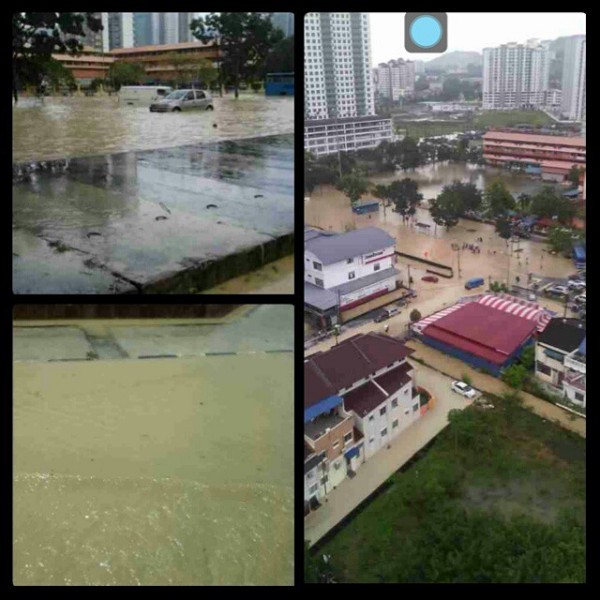
The greenhouse effect is a natural process where certain gases trap heat in Earth’s atmosphere, keeping the planet warm enough for life, but human activities are strengthening it and altering climate patterns.
Quick Answer
The greenhouse effect is the warming of Earth’s surface caused by atmospheric gases—principally carbon dioxide, methane, and water vapor—that absorb infrared radiation emitted by the planet and re‑emit it back toward the surface. This natural mechanism maintains an average temperature of about 15 °C, but the rapid increase of greenhouse gases since the industrial era has intensified the effect, leading to global temperature rise, shifting weather patterns, and rising sea levels. Scientists are confident that human‑driven emissions are the dominant cause of the recent warming, though uncertainties remain about precise regional impacts and long‑term feedbacks.
Key Takeaways
- The greenhouse effect is essential for life, but its amplification drives modern climate change.
- Carbon dioxide, methane, and water vapor are the primary heat‑trapping gases.
- Long‑term observations, satellite data, and the IPCC assessments provide strong evidence of human‑induced warming.
- Impacts vary by region, affecting ecosystems, health, and economies differently.
- Mitigation (reducing emissions) and adaptation (building resilience) are both needed, each with trade‑offs.
What Is The Greenhouse Effect in Simple Terms Anyone Can Understand?
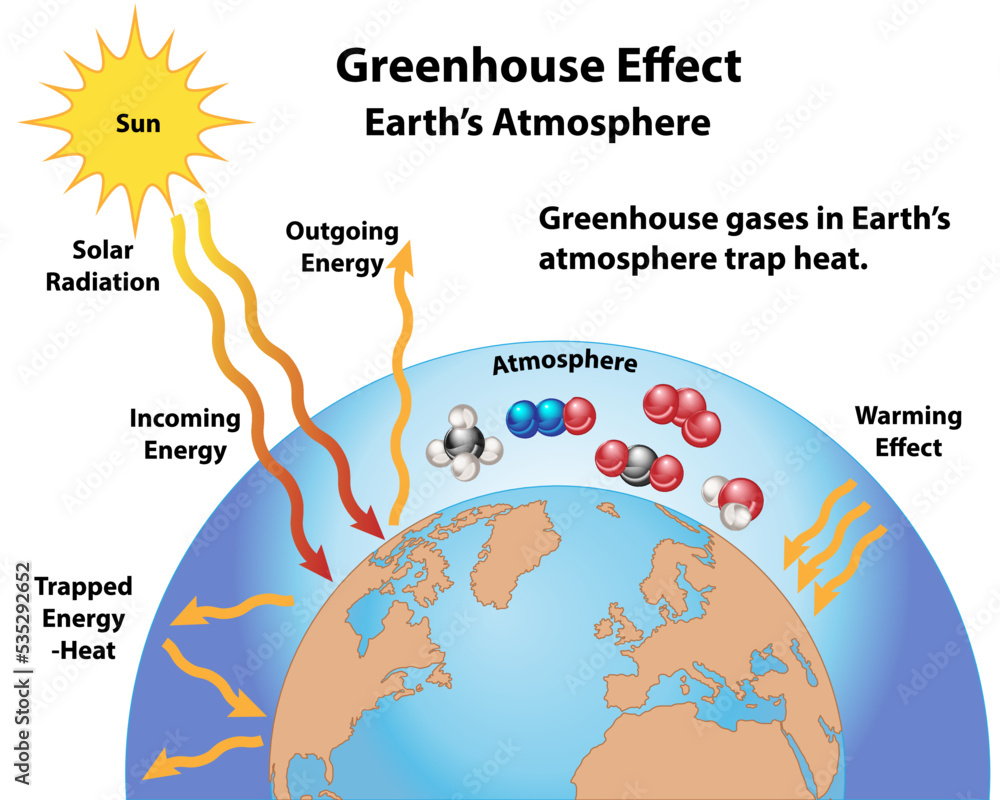
The greenhouse effect is the process by which certain gases in the atmosphere capture heat that would otherwise escape into space, similar to how glass panes keep a greenhouse warm. Sunlight passes through the atmosphere and warms Earth’s surface; the planet then emits infrared radiation, which greenhouse gases absorb and re‑radiate in all directions, including back toward the surface. Without this effect, average global temperatures would be about –18 °C, making the planet inhospitable for most current life forms.
How Does It Work?
Step‑by‑step physical process
- Solar radiation reaches Earth. About 30 % of incoming shortwave radiation is reflected by clouds, ice, and the bright surface; the remaining 70 % is absorbed.
- Earth warms and emits infrared radiation. The warmed surface releases energy as long‑wave infrared photons.
- Greenhouse gases absorb infrared photons. Molecules such as CO₂, CH₄, N₂O, and water vapor have vibrational modes that match infrared wavelengths.
- Re‑radiation occurs. Absorbed energy is emitted again in all directions; roughly half returns to the surface, adding to the original heating.
- Equilibrium temperature rises. The net effect is a higher surface temperature than would exist without the gases.
Feedback loops
Warmer air can hold more water vapor, which itself is a strong greenhouse gas, creating a positive feedback that amplifies warming. Melting ice reduces surface albedo, causing more solar absorption. Both feedbacks are documented in the IPCC Sixth Assessment Report (2021).
What Does the Evidence Show?
Multiple, independent lines of evidence confirm that the greenhouse effect is real and that human activities are strengthening it:
- Direct atmospheric measurements. The Mauna Loa CO₂ record shows a rise from 315 ppm in 1958 to over 420 ppm in 2023 (NOAA).
- Satellite observations. Instruments such as NASA’s AIRS have tracked increasing infrared absorption consistent with higher greenhouse‑gas concentrations.
- Long‑term temperature records. Global mean surface temperature has risen about 1.1 °C since pre‑industrial levels (1850‑1900), as compiled by the World Meteorological Organization.
- Attribution studies. Model‑based detection‑and‑attribution analyses attribute more than 95 % of the observed warming since the mid‑20th century to anthropogenic greenhouse‑gas emissions (IPCC, 2021).
Main Causes or Drivers
Direct human causes
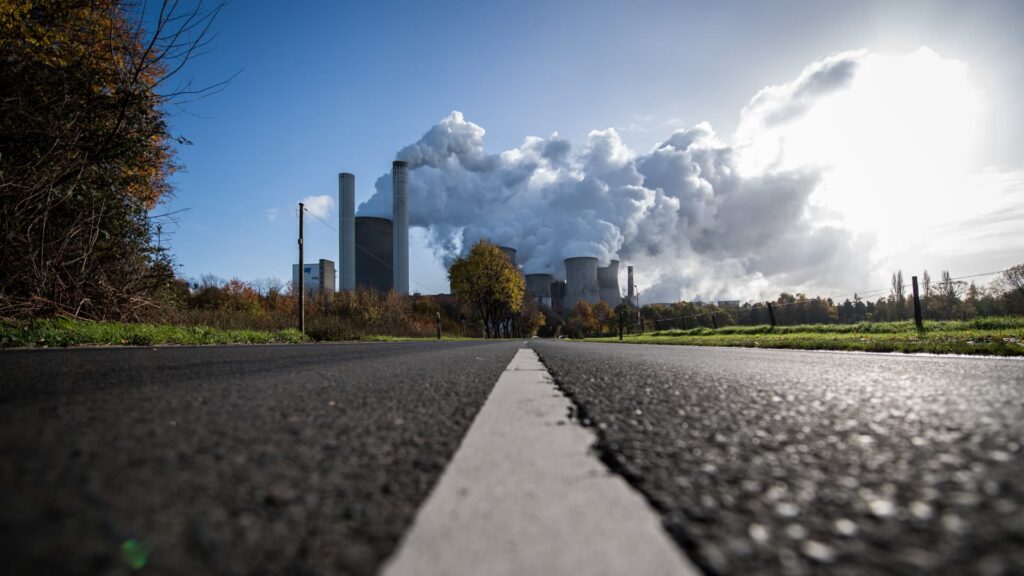
- Combustion of fossil fuels for energy and transport, releasing CO₂.
- Agricultural practices, especially enteric fermentation in livestock, which emit methane.
- Industrial processes that produce nitrous oxide and fluorinated gases.
Underlying socioeconomic drivers
- Population growth and urbanization increasing energy demand.
- Economic structures reliant on carbon‑intensive industries.
- Land‑use change, such as deforestation, which reduces carbon sinks.
Environmental and Human Impacts
Environmental Impacts
- Temperature rise. Leads to heat‑waves, altered precipitation patterns, and shifting climate zones.
- Ocean acidification. About 30 % of emitted CO₂ dissolves in seawater, lowering pH and threatening coral reefs (IPCC, 2021).
- Sea‑level rise. Thermal expansion and melting glaciers contribute approximately 3.3 mm per year (NASA, 2022).
- Ecosystem disruption. Species migration and phenology changes have been recorded across temperate and tropical biomes.
Human Health and Social Impacts
- Increased frequency of heat‑related illnesses and mortality, especially among the elderly and low‑income communities.
- Expanded range of vector‑borne diseases such as dengue and Lyme disease due to warmer climates.
- Climate‑related migration from low‑lying coastal areas and regions facing severe drought.
Economic and Infrastructure Impacts
- Higher costs for cooling in summer months and for flood protection in vulnerable regions.
- Potential losses in agriculture from altered growing seasons and increased pest pressures.
Regional Differences
Impacts are not uniform. High‑latitude regions, such as the Arctic, experience warming up to three times the global average, accelerating permafrost thaw (IPCC, 2021). In contrast, some tropical regions face intensified rainfall and flood risk, while arid zones see longer droughts. Coastal low‑lying nations, for example Bangladesh, are especially exposed to sea‑level rise, whereas inland industrial regions may confront air‑quality challenges from higher ozone formation.
What Scientists Know With High Confidence
- The greenhouse effect is a natural physical process that keeps Earth habitable.
- Human activities have increased atmospheric CO₂ by roughly 50 % since 1750.
- Observed global warming since the mid‑20th century is overwhelmingly attributable to anthropogenic greenhouse‑gas emissions.
- Continued emissions will lead to further warming, sea‑level rise, and increased climate‑related risks.
What Remains Uncertain
Key uncertainties include the magnitude of carbon‑cycle feedbacks such as permafrost methane release, the precise regional timing of extreme‑weather changes, and how socioeconomic pathways will influence future emissions. Improved monitoring of high‑latitude carbon stores and higher‑resolution climate models are needed to narrow these gaps.
Common Misconceptions
Misconception: The greenhouse effect is a modern invention.
Reality: The basic physics of infrared absorption by gases has been known since the 19th century; the effect itself is essential for life and predates industrialization.
Misconception: All greenhouse gases are equally harmful.
Reality: Gases differ in radiative efficiency and atmospheric lifetime. Methane is about 28‑times more potent than CO₂ over a 100‑year horizon, but it persists for only ~12 years, whereas CO₂ remains for centuries.
Misconception: Individual actions alone can stop climate change.
Reality: Personal choices matter, especially when they aggregate or influence policy, but systemic change—energy system decarbonisation, land‑use reform, and regulation—is required for large‑scale mitigation.
Solutions and Limitations
Effective responses combine mitigation (reducing greenhouse‑gas emissions) and adaptation (preparing for unavoidable changes). Major strategies include:
- Renewable energy deployment. Solar and wind power have become cost‑competitive; however, integration challenges such as grid stability and material supply chains need careful management.
- Energy efficiency. Improving building insulation and industrial processes can cut demand, yet upfront investment and behavioural barriers can slow adoption.
- Reforestation and afforestation. Forests sequester carbon, but land availability, biodiversity considerations, and permanence of storage limit their standalone impact.
- Carbon‑capture technologies. Emerging methods (e.g., direct air capture) show promise but are currently expensive and energy‑intensive.
- Adaptation measures. Coastal defenses, drought‑resilient crops, and early‑warning systems reduce vulnerability, but they do not address the root cause of warming.
What Individuals, Communities, and Governments Can Do
What Individuals Can Do
- Choose low‑carbon transportation modes—public transit, cycling, or electric vehicles where available.
- Reduce energy use at home through efficient appliances and better insulation.
- Support policies and companies that commit to science‑based emission targets.
What Communities and Organizations Can Do
- Develop local renewable‑energy projects such as community solar farms.
- Implement green‑infrastructure (urban trees, permeable surfaces) to mitigate heat‑island effects.
- Offer education programs that build climate literacy and empower collective action.
What Governments Can Do
- Enact carbon‑pricing mechanisms that internalise the climate cost of fossil fuels.
- Set ambitious, legally binding net‑zero targets aligned with the IPCC’s 1.5 °C pathway.
- Invest in research, deployment, and scaling of clean‑energy technologies.
- Strengthen climate‑resilience planning for vulnerable regions, especially low‑lying coastal zones.
Closing Synthesis
The greenhouse effect is a fundamental natural process that makes Earth livable, yet human‑driven increases in greenhouse gases are amplifying it, leading to measurable climate changes. Robust evidence—from atmospheric monitoring, satellite data, and comprehensive assessment reports—confirms the link between emissions and warming. While scientists are highly confident about the core mechanisms, uncertainties remain regarding feedback strengths and regional outcomes. Mitigation, adaptation, and conservation each play vital roles, but they must be pursued together, with attention to economic, social, and ecological trade‑offs. Understanding the science empowers informed choices at every scale, from personal habits to international policy.
Frequently Asked Questions
What exactly is the greenhouse effect?
The greenhouse effect is the natural warming of Earth’s surface caused by gases like carbon dioxide and water vapor that trap infrared radiation emitted by the planet and re‑emit it back, keeping the climate warm enough for life.
How do human activities strengthen the greenhouse effect?
Human activities such as burning fossil fuels, deforestation, and industrial processes release large amounts of carbon dioxide, methane, and other gases, increasing their concentrations in the atmosphere and enhancing heat‑trapping, which leads to additional warming.
What evidence shows that the greenhouse effect is causing global warming?
Direct measurements of rising CO₂ levels, satellite observations of increased infrared absorption, long‑term temperature records, and attribution studies that link over 95 % of recent warming to human emissions all provide strong, converging evidence.
Why does the greenhouse effect affect regions differently?
Geography, local climate, and exposure determine impact: the Arctic warms up to three times faster than the global average, tropical areas may see more intense rainfall, and low‑lying coastal regions face higher flood risk from sea‑level rise.
What actions can individuals take to help reduce the greenhouse effect?
Individuals can lower their carbon footprint by using public transit or electric vehicles, improving home energy efficiency, reducing waste, and supporting policies and companies that commit to science‑based emission reductions.






Leave a Comment