
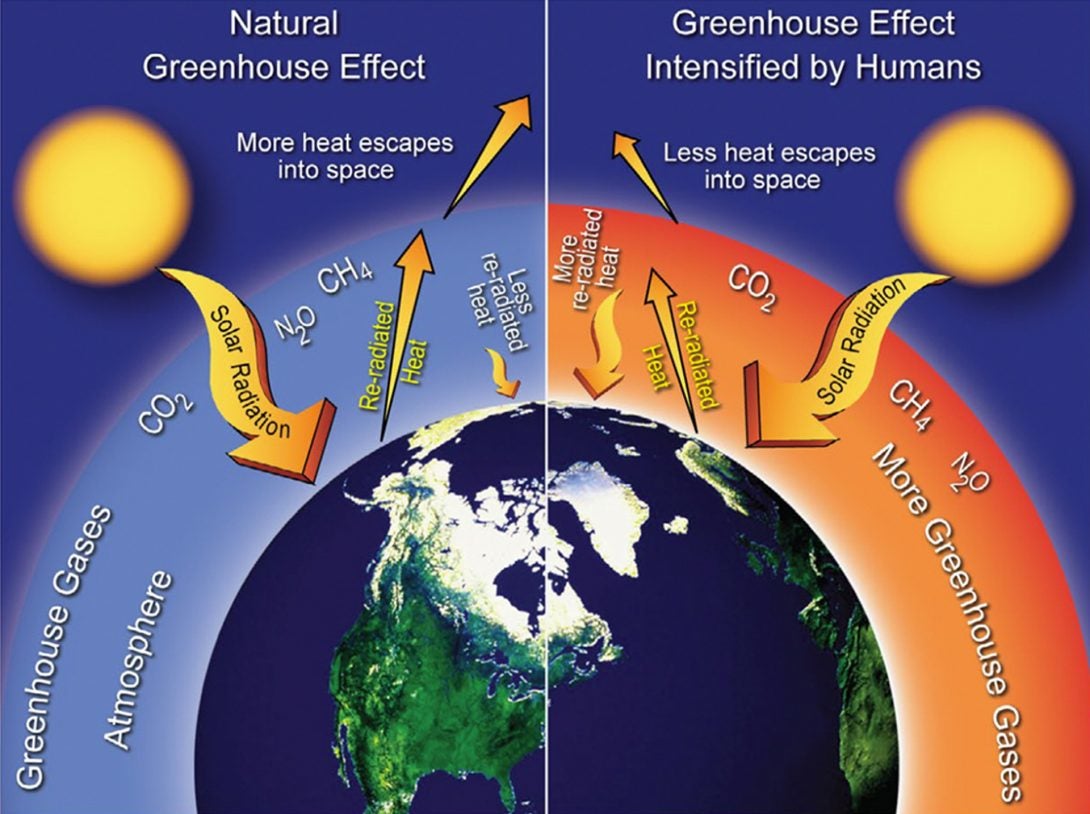
Global warming and the greenhouse effect are related but distinct concepts: the greenhouse effect is a natural process that keeps Earth warm, while global warming describes the human‑driven intensification of that effect leading to rising temperatures and climate disruption.
Quick Answer
The greenhouse effect is a natural atmospheric mechanism in which gases such as carbon dioxide, methane, nitrous oxide and water vapor trap infrared radiation, maintaining a livable surface temperature. Global warming refers to the recent, rapid increase in average surface temperature caused primarily by anthropogenic emissions that amplify the natural greenhouse effect. Scientists are highly confident that human activities are the dominant driver, and the main implication is accelerated climate change that threatens ecosystems, human health, and economies. Some uncertainty remains about the precise timing of regional impacts and feedback strength.
Key Takeaways
- The greenhouse effect is essential for life; without it Earth would be ~33°C colder.
- Global warming is the observed increase in global temperatures due to enhanced greenhouse gases from human activities.
- Human‑derived CO₂ emissions have risen from ~280 ppm pre‑industrial to over 420 ppm in 2023 (IPCC, 2023).
- Consequences include sea‑level rise, more extreme weather, and risks to food and water security.
- Mitigation requires rapid emission cuts, renewable energy, and ecosystem protection, while adaptation reduces vulnerability.
What Is Global Warming vs. Greenhouse Effect: Are They the Same Thing?
The greenhouse effect is a physical process that occurs when certain atmospheric gases absorb outgoing infrared radiation and re‑emit it toward Earth’s surface, creating a thermal blanket. This effect is measured by the planet’s energy balance and is necessary for maintaining average surface temperatures around 15°C instead of the -18°C expected without it.
Global warming describes the statistically significant upward trend in global average surface temperature recorded since the late 19th century. The term captures the anthropogenic amplification of the greenhouse effect through the release of greenhouse gases (GHGs) from fossil‑fuel combustion, industrial processes, deforestation, and agriculture.
Although the two terms are linked, they are not synonymous: the greenhouse effect is a baseline natural phenomenon, whereas global warming is a recent, human‑induced deviation from that baseline.
How Does It Work?
1. Solar Radiation and Energy Balance
Solar shortwave radiation reaches the atmosphere; about 30% is reflected by clouds and the surface, while the remaining 70% is absorbed, warming land, oceans, and the atmosphere.
2. Infrared Emission and Greenhouse Gas Absorption
Warm surfaces emit infrared (longwave) radiation. Greenhouse gases absorb specific wavelengths, preventing some heat from escaping directly to space. The absorbed energy is then re‑radiated in all directions, including back toward the surface, creating a net warming effect.
3. Human Amplification
Industrial activities add excess CO₂, CH₄, N₂O, and fluorinated gases to the atmosphere. These additional molecules increase the optical thickness of the atmosphere, trapping more infrared radiation and raising the equilibrium temperature.
4. Feedback Loops
- Water‑vapor feedback: Higher temperatures boost evaporation, increasing atmospheric water vapor, a potent greenhouse gas.
- Albedo feedback: Melting ice reduces surface reflectivity, causing more solar absorption.
- Permafrost feedback: Thawing permafrost releases stored methane and CO₂.
What Does the Evidence Show?
Multiple lines of evidence converge on the conclusion that the planet is warming and that human activities are the primary cause:
- Instrumental records: Global mean surface temperature rose by ~1.1°C between 1880 and 2022 (NASA GISS, 2023).
- Atmospheric composition: Mauna Loa measurements show CO₂ concentrations increasing from 315 ppm in 1958 to 424 ppm in 2023.
- Ice‑core data: Past interglacial periods reveal a tight correlation between CO₂ levels and temperature.
- Attribution studies: The IPCC Sixth Assessment Report (2021) attributes >99% of observed warming since 1950 to anthropogenic GHG emissions.
- Model–observation agreement: Climate models that include human emissions reproduce observed warming, whereas natural‑only simulations do not.
Main Causes or Drivers
Direct Human Causes
- Fossil‑fuel combustion for electricity, transport, and industry (≈75% of CO₂ emissions).
- Deforestation and land‑use change (≈10% of CO₂ emissions, plus loss of carbon sinks).
- Agricultural practices that emit methane (enteric fermentation) and nitrous oxide (fertilizer use).
Underlying Drivers
- Economic growth and energy demand.
- Population increase and urbanization.
- Policy frameworks that subsidize carbon‑intensive activities.
Environmental and Human Impacts
Environmental Impacts
- Sea‑level rise of ~20 cm since 1900, accelerating to 3–4 mm yr⁻¹ (NOAA, 2022).
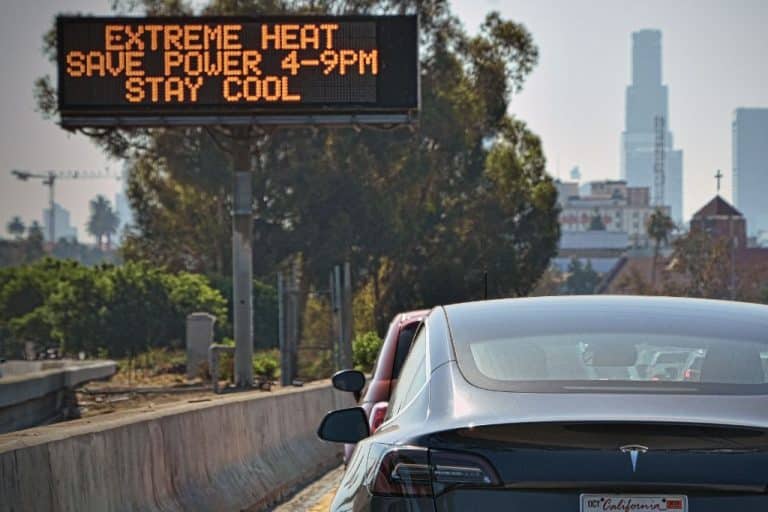
- Increased frequency of heatwaves, heavy precipitation, and intense tropical cyclones.
- Ocean acidification: average surface pH fell from 8.2 to 8.1 since pre‑industrial times, affecting coral reefs.
- Shifts in species ranges, with many moving poleward or upward in altitude.
Human Health and Social Impacts
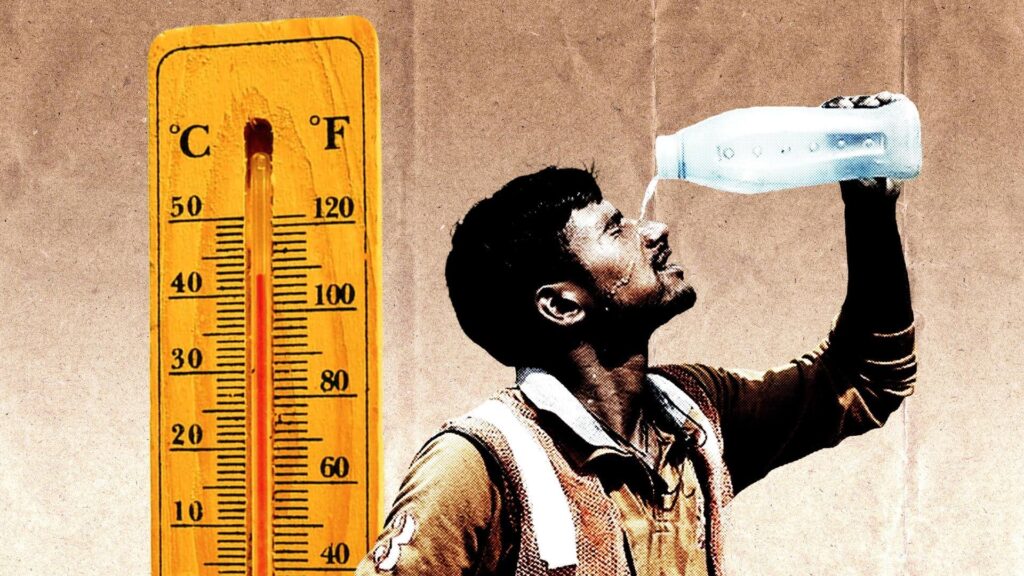
- Heat‑related mortality rises, especially among elderly and outdoor workers.
- Vector‑borne diseases (e.g., dengue, malaria) expand into previously unsuitable regions.
- Reduced agricultural yields in tropical and subtropical zones, threatening food security.
- Displacement of coastal communities due to sea‑level rise and extreme storms.
Regional Differences
Impacts are not uniform. High‑latitude regions experience amplified warming (Arctic amplification), leading to permafrost thaw and loss of sea ice. Tropical islands face disproportionate sea‑level rise relative to land uplift, increasing flood risk. Arid regions such as the Sahel see heightened drought frequency, while temperate zones may experience longer growing seasons but also more intense storm events.
What Scientists Know With High Confidence
- The greenhouse effect is real and necessary for a habitable climate.
- Atmospheric concentrations of CO₂, CH₄, and N₂O have risen sharply due to human activities.
- Human‑induced GHG emissions are the dominant cause of global warming observed since the mid‑20th century.
- Warming is driving sea‑level rise, increased extreme weather, and ecosystem changes.
What Remains Uncertain
Key uncertainties include the exact magnitude of climate sensitivity (the temperature response to a doubling of CO₂), the rate at which carbon‑cycle feedbacks such as permafrost thaw will release additional GHGs, and regional precipitation changes, especially in monsoon‑dependent areas. These uncertainties affect precise impact projections but do not alter the overall conclusion that warming will continue if emissions are not curtailed.
Common Misconceptions
Misconception: “The greenhouse effect is harmful, so we should eliminate it.”
Reality: The natural greenhouse effect keeps Earth warm enough for liquid water and life. The problem is the *enhanced* greenhouse effect caused by excess GHGs.
Misconception: “Global warming and climate change are the same thing.”
Reality: Global warming refers specifically to the rise in average temperatures, whereas climate change encompasses broader changes in weather patterns, sea level, and ecosystem dynamics.
Misconception: “Individual lifestyle changes can solve climate change alone.”
Reality: Personal actions matter, but systemic emission reductions through policy, industry transformation, and large‑scale renewable deployment are essential to meet climate targets.
Solutions and Limitations
- Renewable energy transition: Solar and wind can supply >80% of electricity by mid‑century, but intermittency and grid integration require storage and transmission upgrades.
- Energy efficiency: Improving building envelopes and industrial processes reduces demand, yet requires upfront investment and regulatory support.
- Reforestation and avoided deforestation: Restores carbon sinks, but land‑competition and permanence concerns limit scalability.
- Carbon capture and storage (CCS): Technically feasible for point sources, yet high costs and limited deployment hinder immediate impact.
- Adaptation measures: Flood defenses, heat‑action plans, and climate‑resilient agriculture reduce vulnerability but do not address the root cause of warming.
What Individuals, Communities, and Governments Can Do
What Individuals Can Do
- Reduce high‑carbon travel (fly less, choose rail or virtual meetings).
- Improve home energy efficiency (insulation, efficient appliances).
- Support policies and leaders committed to net‑zero targets.
What Communities and Organizations Can Do
- Develop local renewable projects (community solar, wind cooperatives).
- Implement climate‑smart land‑use planning that preserves green space.
- Offer education programs that explain the distinction between the greenhouse effect and global warming.
What Governments Can Do
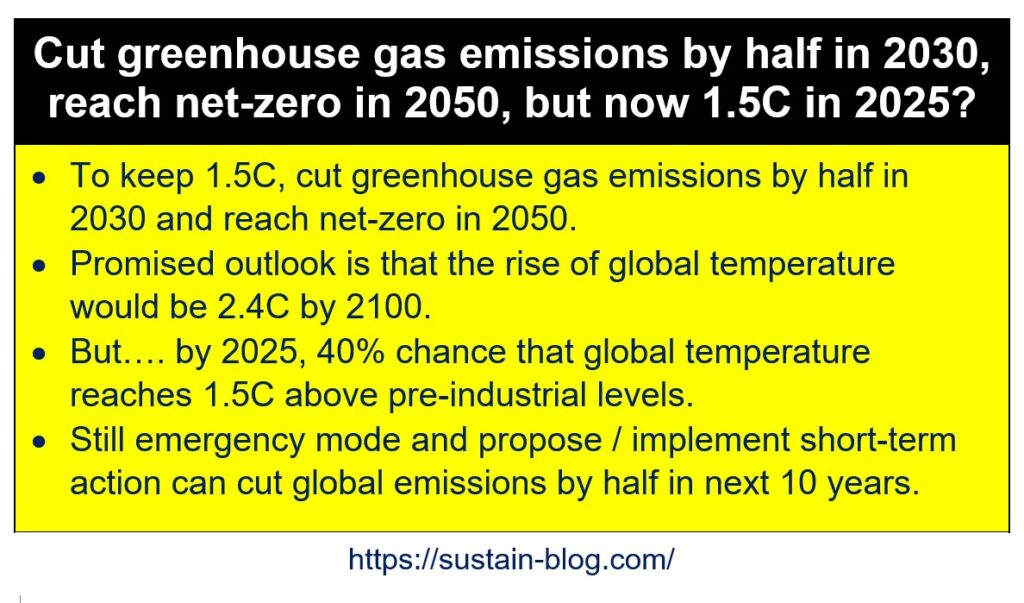
- Set ambitious, enforceable emission‑reduction targets aligned with the Paris Agreement.
- Phase out coal subsidies and introduce carbon pricing mechanisms.
- Invest in resilient infrastructure and early‑warning systems for extreme weather.
Synthesis
The greenhouse effect is a natural, life‑supporting process; global warming is the recent, human‑driven intensification of that effect. Robust observations and model evidence leave little doubt that anthropogenic greenhouse gases are the primary driver of current warming. Impacts are already observable and will intensify, with regional variations that demand tailored responses. High‑confidence findings guide mitigation and adaptation strategies, while remaining uncertainties highlight the need for continued monitoring and research. Effective action combines rapid emission cuts, renewable energy deployment, ecosystem protection, and equitable adaptation measures.
Frequently Asked Questions
What is the greenhouse effect and why is it important?
The greenhouse effect is a natural atmospheric process where gases like carbon dioxide and water vapor trap infrared radiation, keeping Earth’s average surface temperature around 15 °C instead of the -18 °C it would be without this effect.
How does global warming differ from the greenhouse effect?
Global warming describes the recent, human‑driven increase in global average temperatures, whereas the greenhouse effect is the baseline natural mechanism that makes the planet habitable; global warming occurs when human‑added greenhouse gases amplify the natural effect.
What evidence shows that human activities are causing global warming?
Multiple lines of evidence—including instrumental temperature records, rising atmospheric CO₂ measured at Mauna Loa, ice‑core correlations, and attribution studies from the IPCC—demonstrate that >99% of warming since the mid‑20th century is due to anthropogenic greenhouse‑gas emissions.
What are the main environmental impacts of global warming?
Key impacts include sea‑level rise, more frequent heatwaves and extreme precipitation, ocean acidification, loss of sea ice, and shifts in species distributions, all of which affect ecosystems and human societies.
What actions can individuals take to help address global warming?
Individuals can reduce high‑carbon travel, improve home energy efficiency, and support climate‑positive policies and leaders; while personal choices matter, systemic changes are essential for large‑scale emission reductions.






Leave a Comment