
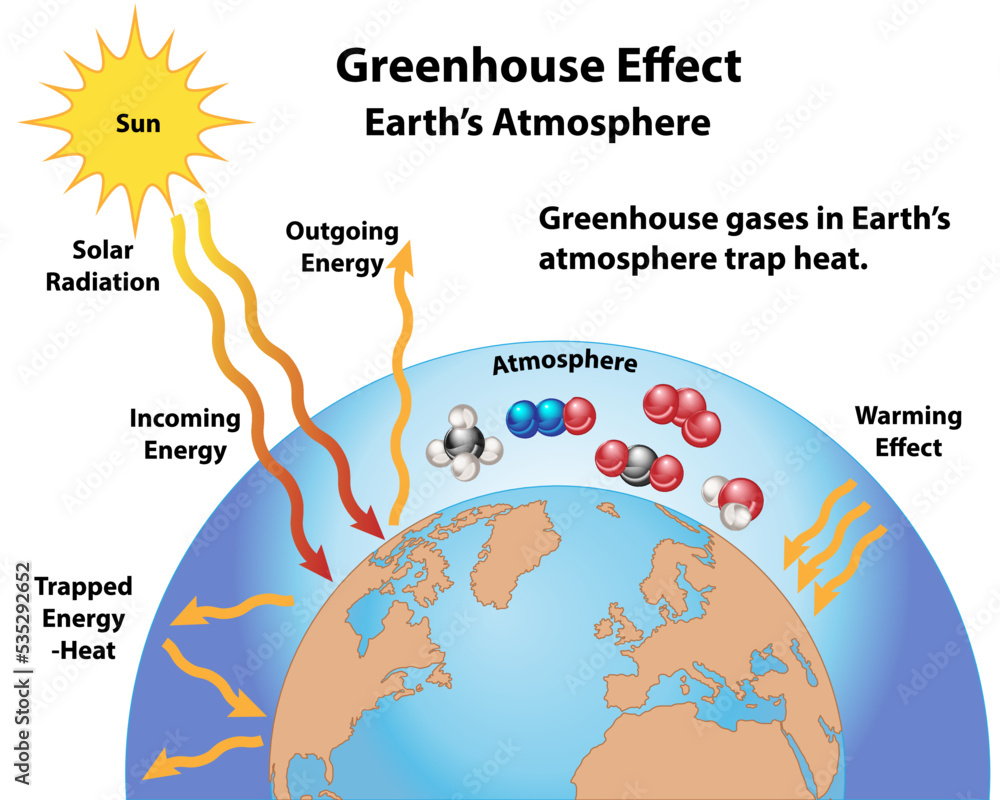
The greenhouse effect is a natural atmospheric process that traps infrared radiation, and when amplified by human‑added greenhouse gases it drives the observed warming of Earth’s climate system step by step.
Quick Answer
The greenhouse effect occurs when gases such as carbon dioxide, methane and nitrous oxide absorb outgoing infrared radiation and re‑emit it toward the surface, creating a warming layer. Human activities have increased the concentration of these gases, intensifying the effect and leading to global warming. This warming disrupts weather patterns, melts ice, and raises sea levels. While the basic physics are well established, uncertainties remain about the magnitude of future impacts and the speed of feedbacks.
Key Takeaways
- The greenhouse effect is essential for life but becomes harmful when greenhouse gas levels rise.
- Solar energy reaches Earth; about 70 % is absorbed, while the remaining infrared radiation is partially trapped by greenhouse gases.
- Human activities have added roughly 50 % more CO₂ to the atmosphere since the pre‑industrial era, amplifying warming.
- Observed warming matches model projections, confirming the causal link between greenhouse gases and climate change.
- Mitigation requires rapid emission cuts, while adaptation addresses unavoidable impacts.
What Is the Greenhouse Effect and How Does It Drive Climate Change?
The greenhouse effect is the process by which certain atmospheric gases allow shortwave solar radiation to pass through, then absorb and re‑emit the longer‑wave infrared radiation emitted by Earth’s surface. This creates a “blanket” that keeps the planet about 33 °C warmer than it would be without it, making surface temperatures compatible with liquid water and life. When the concentration of greenhouse gases (GHGs) rises, the blanket thickens, trapping more heat and shifting the planet’s energy balance, which we refer to as climate change.
How Does It Work?
- Solar radiation reaches the planet. About 30 % of incoming shortwave energy is reflected by clouds, ice and bright surfaces; the remaining 70 % penetrates the atmosphere.
- Surface absorption and re‑emission. Land, ocean and vegetation absorb the shortwave energy and warm, then emit infrared radiation back toward space.
- Greenhouse gas absorption. Molecules of CO₂, CH₄, N₂O and water vapor have vibrational modes that absorb infrared photons, preventing a portion of this energy from escaping directly.
- Re‑emission toward the surface. After absorption, gases re‑emit infrared radiation in all directions, including back to the surface, adding extra heat—a process called “radiative forcing.”
- Energy imbalance. The net effect is a positive energy imbalance: more energy enters than leaves, leading to a gradual rise in global average temperature.
- Feedback loops. Warming triggers feedbacks such as reduced snow‑cover albedo, increased water‑vapor concentrations, and permafrost thaw, which release additional GHGs and amplify warming.
What Does the Evidence Show?
Multiple lines of evidence converge on the same conclusion. Long‑term instrumental records show a global mean surface temperature increase of about 1.1 °C since 1850 (NASA GISS, 2023). Atmospheric CO₂ concentrations have risen from ~280 ppm pre‑industrial to over 420 ppm in 2023 (NOAA, 2023). Climate models that include observed GHG increases reproduce the warming trend, whereas models that exclude human emissions fail to match observations (IPCC, AR6, 2021). Attribution studies using statistical detection methods consistently assign the majority of the warming since the mid‑20th century to anthropogenic GHGs.
Main Causes or Drivers
Direct Human Sources
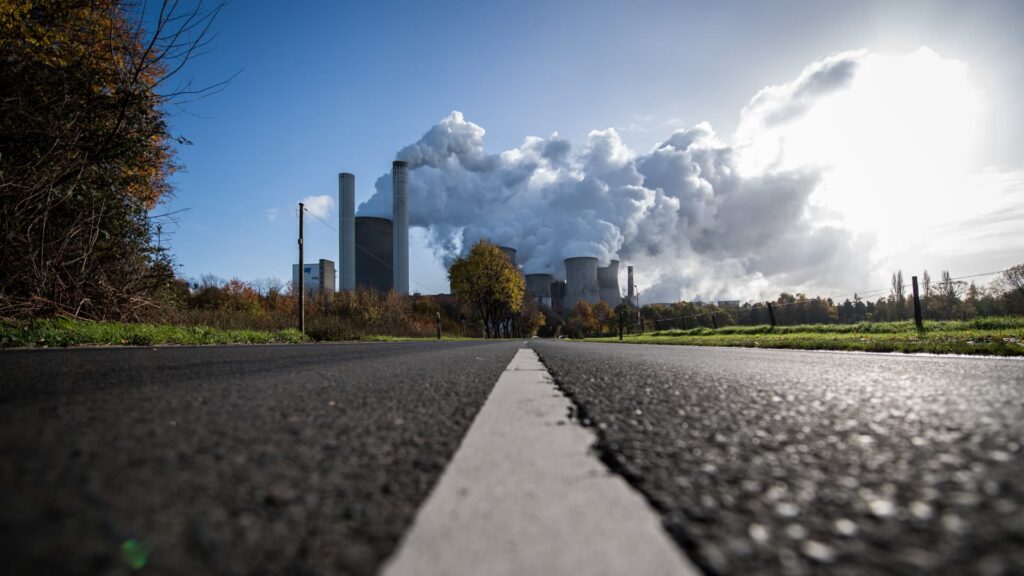
- Fossil‑fuel combustion for electricity, transport and industry releases ~36 Gt CO₂ per year (IEA, 2022).
- Agricultural practices emit methane from livestock and rice paddies and nitrous oxide from synthetic fertilizers.
- Land‑use change, especially deforestation, reduces carbon uptake and releases stored carbon.
Amplifying Natural Processes
- Water‑vapor feedback: warming increases atmospheric moisture, a potent greenhouse gas.
- Albedo feedback: melting snow and ice expose darker surfaces that absorb more solar energy.
- Permafrost thaw releases ancient carbon as CO₂ and CH₄.
Environmental and Human Impacts
Environmental Impacts
Rising temperatures drive sea‑level rise through thermal expansion and ice‑sheet melt, threatening coastal ecosystems. Ocean warming causes coral bleaching and shifts marine species distributions. Terrestrial biomes experience altered growing seasons, increased pest outbreaks, and heightened fire risk.
Human Health and Social Impacts
Heatwaves increase mortality, especially among older adults and low‑income populations. Changes in vector‑borne disease patterns, such as malaria, are linked to temperature shifts. Food security is challenged by reduced yields for staple crops like wheat and maize in heat‑prone regions.
Economic and Infrastructure Impacts
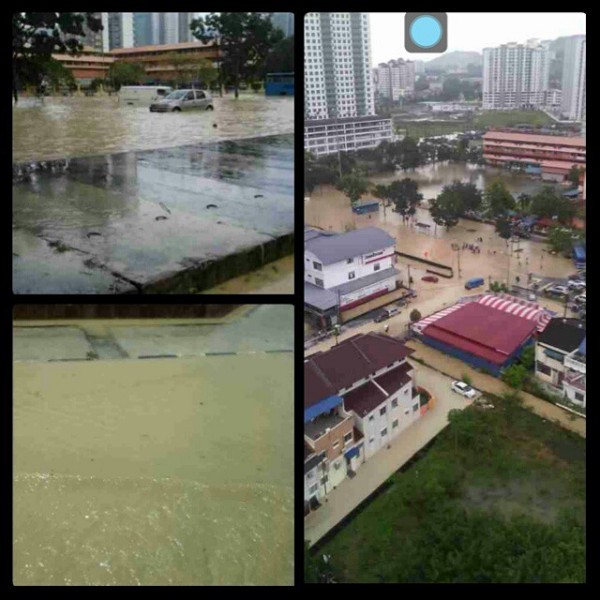
Extreme weather events—hurricanes, floods, droughts—inflict billions of dollars in damages annually. Infrastructure built on permafrost or low‑lying coasts faces accelerated degradation, requiring costly adaptation.
Regional Differences
High‑latitude regions experience amplified warming (up to twice the global average) due to ice‑albedo feedback, leading to rapid Arctic sea‑ice loss. Tropical regions face intensified precipitation extremes, while arid zones see longer droughts. Small island developing states confront sea‑level rise that threatens their very existence, whereas some temperate regions may temporarily benefit from longer growing seasons, though such gains are outweighed by overall stress.
What Scientists Know With High Confidence
- Human activities are the dominant cause of observed warming since the mid‑20th century.
- Increasing atmospheric concentrations of CO₂, CH₄ and N₂O trap additional infrared radiation.
- Warming is occurring across land, ocean and atmosphere, with consistent trends in multiple independent datasets.
- Feedback mechanisms such as water‑vapor amplification and ice‑albedo loss intensify warming.
What Remains Uncertain
Key uncertainties involve the magnitude and timing of carbon‑cycle feedbacks, especially permafrost carbon release, and the regional expression of climate extremes under different emission pathways. Cloud‑feedback responses also retain moderate uncertainty, influencing projections of future warming rates.
Common Misconceptions
Misconception: The greenhouse effect is a modern invention that “creates” heat.
Reality: The greenhouse effect is a natural physical process described by physics in the 19th century; it is essential for a habitable climate. Human activities merely increase the concentration of gases that participate in this process.
Misconception: Only CO₂ matters for climate change.
Reality: While CO₂ is the largest long‑lived GHG, methane, nitrous oxide and water vapor also contribute significantly, especially through feedbacks.
Misconception: Individual lifestyle changes can solve climate change alone.
Reality: Personal actions can reduce emissions, but systemic change—policy, industry transformation and large‑scale renewable energy deployment—is required to achieve the rapid cuts the climate system demands.
Solutions and Limitations
Mitigation strategies focus on reducing GHG sources: transitioning to renewable electricity, improving energy efficiency, adopting low‑emission agricultural practices, and protecting or restoring forests. Each has trade‑offs. For example, bioenergy can compete with food production, and large‑scale solar farms require land and material inputs. Adaptation measures—building flood defenses, developing heat‑resilient crops, and improving water management—reduce vulnerability but do not address the root cause of warming. Integrated approaches that combine mitigation, adaptation, and nature‑based solutions offer the greatest overall benefit.
What Individuals, Communities, and Governments Can Do
What Individuals Can Do
- Reduce personal energy use (e.g., efficient appliances, home insulation).
- Choose low‑carbon transportation (public transit, cycling, electric vehicles where feasible).
- Support policies and leaders that prioritize clean energy and climate resilience.
What Communities and Organizations Can Do
- Develop local renewable energy projects and micro‑grids.
- Implement green infrastructure (urban trees, permeable surfaces) to manage heat and stormwater.
- Adopt climate‑smart land‑use planning that preserves natural carbon sinks.
What Governments Can Do
- Set ambitious, legally binding emission‑reduction targets aligned with the Paris Agreement.
- Invest in research, development and deployment of clean‑energy technologies.
- Create carbon pricing mechanisms that internalize the climate cost of fossil fuels.
- Provide resources for climate‑resilient infrastructure in vulnerable regions.
Closing Synthesis
The greenhouse effect is a fundamental physical process that keeps Earth warm enough for life. Human‑driven increases in greenhouse gases intensify this effect, creating a measurable energy imbalance that drives global warming and its cascading impacts. Robust evidence from observations and models confirms this causal chain, while uncertainties remain around feedback strength and regional outcomes. Effective responses combine rapid emission reductions, resilient adaptation, and thoughtful stewardship of natural systems, recognizing both the power and limits of each solution.
Frequently Asked Questions
What is the greenhouse effect?
The greenhouse effect is the natural process where atmospheric gases let sunlight in, absorb the infrared radiation emitted by Earth’s surface, and re‑emit it back, creating a warming blanket that keeps the planet habitable.
How do human activities intensify the greenhouse effect?
Human activities such as burning fossil fuels, industrial processes, agriculture and deforestation add large amounts of carbon dioxide, methane and nitrous oxide to the atmosphere, thickening the greenhouse “blanket” and trapping extra heat.
What evidence shows that greenhouse gases are causing global warming?
Instrumental temperature records show a 1.1 °C rise since 1850, CO₂ levels have climbed from ~280 ppm to over 420 ppm, and climate models that include human‑added greenhouse gases reproduce observed warming, while models without them do not.
What are the main impacts of an enhanced greenhouse effect?
An intensified greenhouse effect leads to higher global temperatures, sea‑level rise, more extreme weather, ocean warming and acidification, loss of ice, shifts in ecosystems, and health and economic challenges for societies.
What actions can individuals and governments take to address the greenhouse effect?
Individuals can improve energy efficiency, choose low‑carbon transport and support climate policies. Governments can set binding emission targets, invest in clean‑energy research, implement carbon pricing and fund climate‑resilient infrastructure.






Leave a Comment