
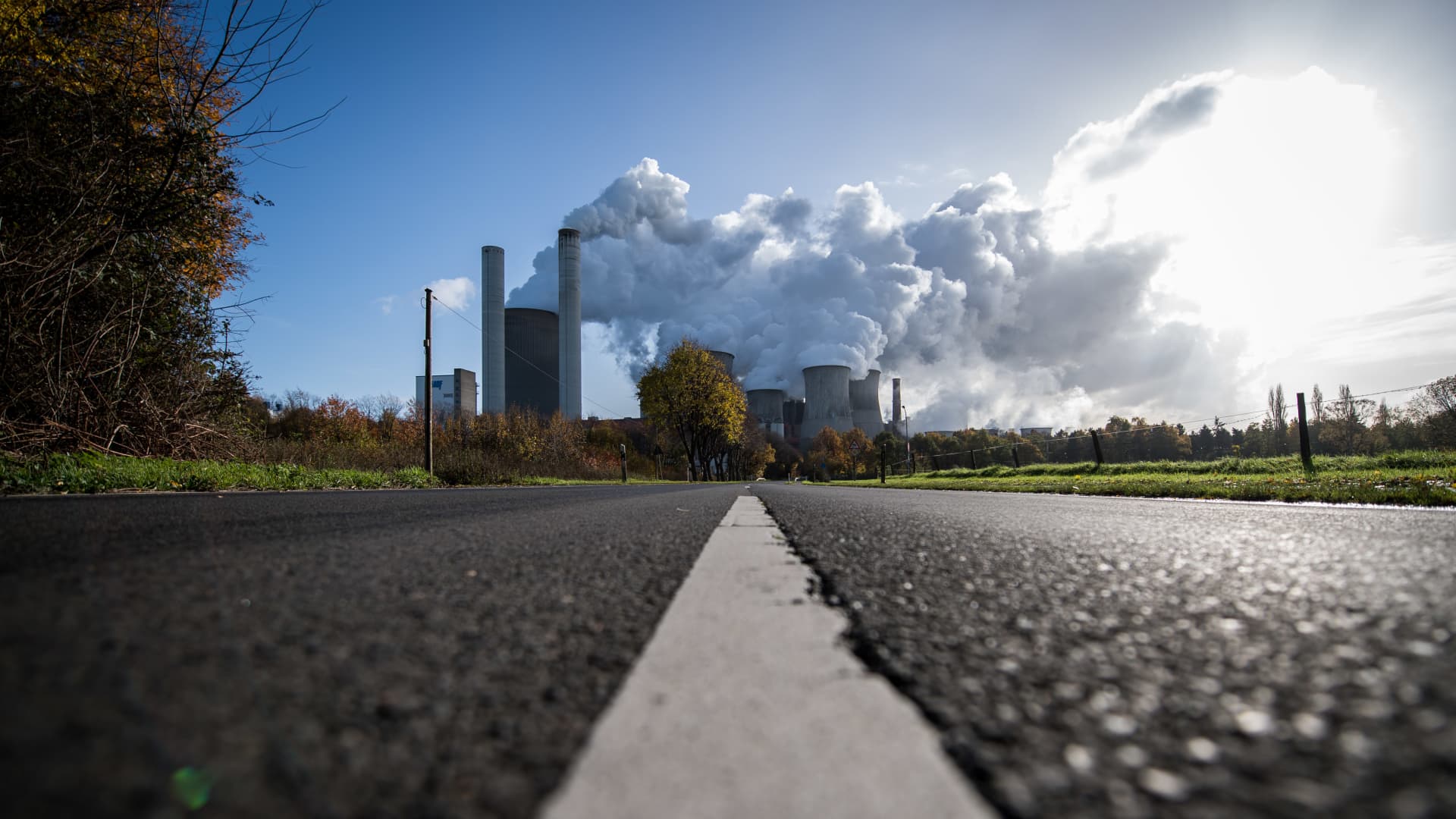
Burning fossil fuels releases chemical energy as heat, which is then distributed among the atmosphere, oceans, land surfaces, and ultimately radiated back to space, influencing climate and weather patterns.
Quick Answer
When fossil fuels combust, the chemical energy stored in hydrocarbons is converted primarily into thermal energy (heat) and kinetic energy (flames, motion). About half of this heat is absorbed by the surrounding air, while the rest is transferred to the ground, water bodies, and built structures. The atmosphere and oceans act as massive heat sinks, storing the energy for weeks to centuries before it is emitted as long‑wave infrared radiation back to space. This process is well‑understood, but the exact partitioning varies with local conditions and remains an active research topic for quantifying regional climate feedbacks.
Key Takeaways
- Combustion turns stored chemical energy into heat and kinetic energy.
- The atmosphere absorbs roughly 40‑50% of released heat, while land and oceans take up the remainder.
- Heat stored in the oceans drives long‑term climate change because water releases energy slowly.
- Anthropogenic heat adds to natural greenhouse‑gas forcing, amplifying warming trends.
- Mitigation focuses on reducing fuel use and improving energy efficiency, not merely capturing heat.
What Is When We Burn Fossil Fuels Where Does All the Heat Go?
Fossil fuels—coal, oil, and natural gas—are carbon‑rich remnants of ancient organisms. When they oxidize in the presence of oxygen, the carbon–hydrogen bonds break and release energy that was stored over millions of years. The term “where does the heat go” refers to the subsequent pathways that thermal energy follows after the flame subsides: transfer to air, soil, water, built environment, and finally radiation back to space.
How Does It Work?
1. Chemical to thermal conversion
Combustion is an exothermic reaction: CxHy + O2 → CO2 + H2O + heat. The enthalpy change for typical coal combustion is about 24 MJ kg⁻¹, meaning each kilogram of coal releases roughly 24 megajoules of heat.
2. Immediate heat distribution
Heat spreads by three mechanisms:
- Conduction to solid surfaces (e.g., furnace walls, soil).
- Convection into surrounding air, creating buoyant plumes.
- Radiation, primarily infrared, which can travel directly to the sky.
3. Atmospheric absorption and re‑radiation
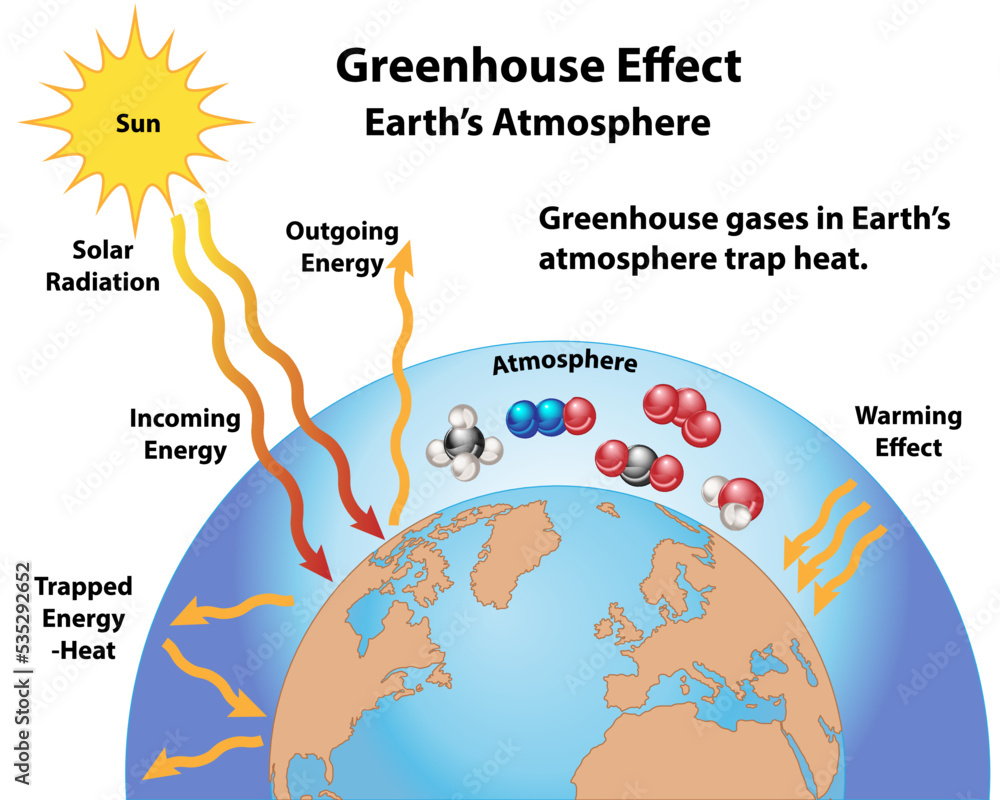
The warmed air mixes vertically and horizontally, and greenhouse gases (CO2, CH4, water vapor) absorb part of the infrared radiation, re‑emitting it in all directions. This “long‑wave radiation” keeps a fraction of the heat within the atmospheric column.
4. Oceanic uptake
Warm air contacts the ocean surface; about 90 % of excess heat from the industrial era is now stored in the upper 700 m of the global ocean (IPCC, 2021). Water’s high heat capacity means it can hold vast amounts of energy with only a small temperature rise.
5. Long‑term radiative loss
Eventually, the stored heat is emitted as infrared radiation to space, balancing Earth’s energy budget. The rate of loss depends on surface temperature, atmospheric composition, and cloud cover.
What Does the Evidence Show?
Long‑term satellite records (since 1978) show a steady increase in outgoing long‑wave radiation, but the rise is insufficient to offset the added heat from fossil‑fuel combustion (NASA, 2022). Ocean heat content measurements, compiled by the National Oceanic and Atmospheric Administration (NOAA), indicate an average increase of 0.35 W m⁻² over the period 1993‑2018, confirming that oceans are the dominant heat sink. Ground‑based flux towers report that roughly 30‑45 % of combustion heat is retained in the lower troposphere within hours of emission (World Meteorological Organization, 2020). These independent lines of observation converge on the same conclusion: most anthropogenic heat is first absorbed locally, then redistributed globally via the atmosphere and oceans.
Main Causes or Drivers
Direct causes
Burning fossil fuels for electricity, transport, industry, and heating releases heat directly at the point of use.
Underlying drivers
Economic growth, urbanization, and limited access to low‑carbon technologies drive higher fuel consumption. Policy incentives and energy‑price structures also shape the magnitude of heat release.
Amplifying factors
Urban heat islands intensify local temperature rises because buildings and pavement store heat more efficiently than vegetation. Reduced albedo from land‑use change (e.g., deforestation) further traps heat.
Environmental and Human Impacts
Environmental Impacts
- Climate warming: Accumulated heat raises global mean surface temperature, contributing to sea‑level rise and altered precipitation patterns (IPCC, 2021).
- Ocean stratification: Excess heat strengthens the temperature gradient between surface and deep water, limiting nutrient mixing and affecting marine ecosystems.
- Extreme weather: Warmer atmospheric moisture content enhances the intensity of storms and heatwaves.
Human Health and Social Impacts
- Higher ambient temperatures increase heat‑related mortality, especially among elderly and outdoor workers.
- Changes in precipitation affect water security and agricultural productivity, influencing food availability.
- Urban heat islands exacerbate energy demand for cooling, raising electricity costs and stress on grids.
Regional Differences
In high‑latitude regions, heat absorbed by the ocean contributes to rapid Arctic sea‑ice loss, creating strong feedbacks. Tropical coastal cities experience intensified heat‑island effects due to dense infrastructure and limited vegetation. In arid interiors, a larger share of heat is retained in the ground, leading to higher daytime temperatures but faster nighttime cooling.
What Scientists Know With High Confidence
- Combustion of fossil fuels releases heat that is initially absorbed by the atmosphere, land, and oceans.
- The oceans have taken up more than 90 % of the excess heat since the mid‑20th century.
- Long‑wave radiation to space is the ultimate pathway for dissipating anthropogenic heat.
- Urban areas experience amplified warming because of reduced surface albedo and heat‑storage materials.
What Remains Uncertain
Key uncertainties include the precise rate at which deep‑ocean layers will absorb heat over the next century, how regional cloud feedbacks will modify radiative loss, and the magnitude of heat‑related feedbacks in rapidly urbanizing megacities. Improved ocean‑monitoring networks and high‑resolution climate models are needed to narrow these gaps.
Common Misconceptions
Misconception: All the heat from burning fuels instantly escapes to space.
Reality: Only a small fraction is radiated away immediately; the majority is retained in the atmosphere or oceans for years to centuries.
Misconception: Anthropogenic heat is the main driver of global warming.
Reality: While waste heat contributes locally, the dominant driver of long‑term warming is the greenhouse‑gas effect of CO2 and other gases.
Misconception: Cooling buildings eliminates the heat problem.
Reality: Air‑conditioning shifts heat from indoor spaces to the outdoor environment, often increasing total waste‑heat emissions unless powered by renewable electricity.
Solutions and Limitations
- Energy efficiency: Upgrading insulation, industrial processes, and motor efficiency reduces the amount of fuel burned, directly lowering heat release. Limitation: Upfront capital costs can be high for legacy infrastructure.
- Renewable energy deployment: Solar, wind, and hydroelectric power generate electricity with minimal waste heat. Limitation: Intermittency requires storage or grid integration solutions.
- Urban greening: Trees and reflective surfaces lower surface temperatures, mitigating heat‑island effects. Limitation: Space constraints in dense cities and maintenance requirements.
- Carbon capture and storage (CCS): Capturing CO2 does not remove waste heat; the process itself can add additional heat due to compression. Limitation: Energy‑intensive and not yet widely commercialized.
What Individuals, Communities, and Governments Can Do
What Individuals Can Do
- Choose high‑efficiency appliances and LED lighting to lower electricity demand.
- Use public transport, car‑pooling, or electric vehicles powered by renewable electricity.
- Plant shade trees and support local green spaces.
What Communities and Organizations Can Do
- Implement building‑code upgrades that require better insulation and cool‑roof materials.
- Develop district‑heating systems that capture waste heat for useful purposes (e.g., heating water).
- Support local renewable projects through community solar or wind cooperatives.
What Governments Can Do
- Set ambitious efficiency standards for appliances, vehicles, and industrial equipment.
- Phase out coal and incentivize renewable energy through subsidies and carbon pricing.
- Invest in ocean‑monitoring buoys and atmospheric flux networks to improve heat‑budget understanding.
Synthesis
Burning fossil fuels converts stored chemical energy into heat that first warms the air, land, and oceans before being radiated back to space. The oceans act as the planet’s largest heat reservoir, making them central to long‑term climate dynamics. High‑confidence science confirms the pathways of this heat, while uncertainties remain in deep‑ocean uptake rates and regional feedbacks. Reducing waste heat hinges on cutting fossil‑fuel use, improving efficiency, and expanding renewables, with coordinated action across individuals, communities, and policymakers.
Frequently Asked Questions
What happens to the heat released when fossil fuels are burned?
The heat is first transferred to the surrounding air, land, and water through conduction, convection, and radiation. Most of it is stored in the atmosphere and oceans before eventually being emitted as infrared radiation back to space.
How much of the combustion heat is absorbed by the oceans?
Scientific assessments indicate that over 90 % of the excess heat added since the mid‑20th century has been taken up by the upper 700 meters of the global ocean, making it the dominant heat sink.
Is waste heat from burning fuels the main cause of global warming?
No. While waste heat contributes locally, the primary driver of long‑term global warming is the increase in greenhouse gases such as carbon dioxide, which trap infrared radiation and amplify warming.
Do renewable energy sources produce waste heat?
Renewable electricity generation (solar, wind, hydro) produces far less waste heat than combustion of fossil fuels because it converts solar or kinetic energy directly into electricity without a large thermal by‑product.
What can cities do to reduce the local impact of anthropogenic heat?
Cities can adopt cool‑roof materials, increase urban tree canopy, improve building insulation, and develop district‑heating systems that capture and reuse waste heat, all of which lower ambient temperatures and heat‑island intensity.







Leave a Comment