
{
“title”: “The Five Greenhouse Gases Explained Simply – An Evergreen Guide”,
“content”: “
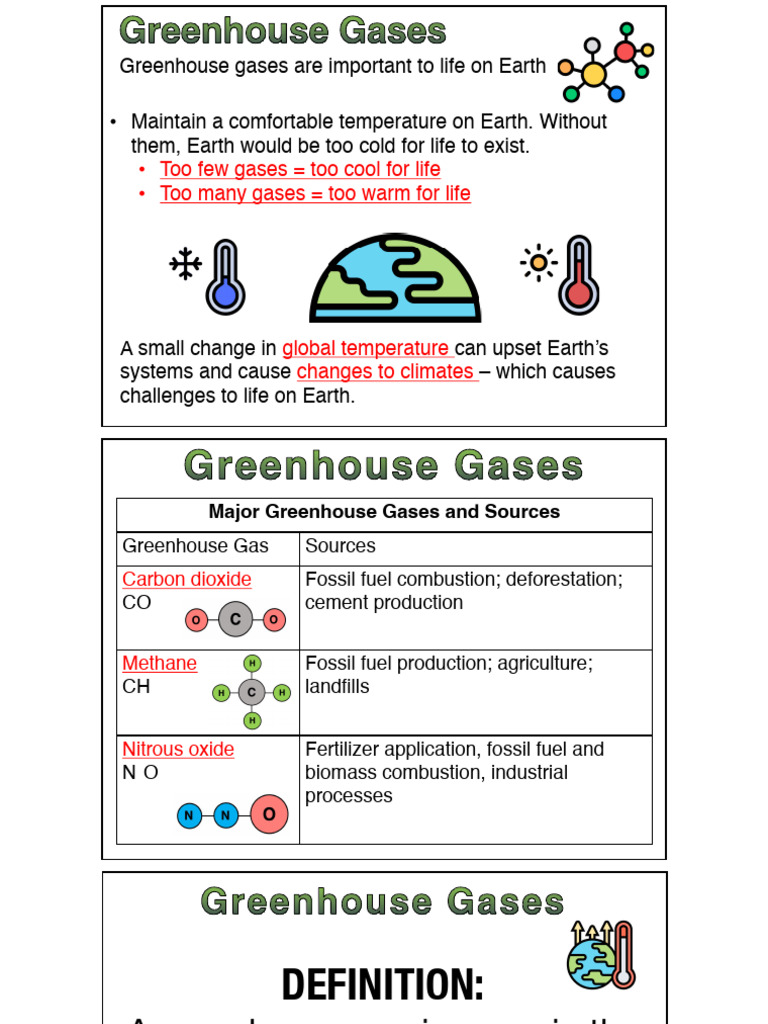
The five main greenhouse gases—carbon dioxide, methane, nitrous oxide, fluorinated gases, and water vapor—trap heat in Earth’s atmosphere, driving climate change, and understanding each gas helps guide effective mitigation.
\n
Quick Answer
\n
Greenhouse gases are atmospheric constituents that absorb infrared radiation, creating a warming effect known as the greenhouse effect. The five most important gases for climate change are carbon dioxide (CO₂), methane (CH₄), nitrous oxide (N₂O), synthetic fluorinated gases, and water vapor. Together they account for the bulk of human‑induced warming, with CO₂ contributing roughly three‑quarters of anthropogenic emissions, methane about 15 %, and nitrous oxide around 6 % (IPCC 2021). Water vapor amplifies warming through feedback, while fluorinated gases, though a tiny fraction, have global‑warming potentials thousands of times higher than CO₂. The consensus is that rising concentrations of these gases are the primary driver of the observed global temperature increase since the mid‑20th century, though uncertainties remain about future feedback strength and regional impacts.”,
“
\n
Key Takeaways
\n
- \n
- CO₂ is the dominant anthropogenic greenhouse gas, primarily from fossil‑fuel combustion and deforestation.
- CH₄ is over 25 times more potent than CO₂ over a 100‑year horizon, emitted from agriculture, waste, and fossil‑fuel systems.
- N₂O has a global‑warming potential of about 298 times CO₂ and is released mainly through synthetic fertilizer use.
- Fluorinated gases are synthetic, long‑lived, and have GWPs up to tens of thousands, but they represent a small share of total emissions.
- Water vapor is the most abundant greenhouse gas and acts as a feedback rather than a direct emission source.
- Mitigation requires coordinated actions across energy, agriculture, industry, and waste management.
\n
\n
\n
\n
\n
\n
\n
\n
What Is The Five Greenhouse Gases Explained Simply?
\n
Greenhouse gases (GHGs) are gases that absorb and re‑emit infrared radiation, trapping heat in the lower atmosphere. The five gases most relevant to contemporary climate change are:
\n
- \n
- Carbon dioxide (CO₂) – produced by respiration, volcanic activity, and, most importantly, the burning of coal, oil, and natural gas.
- Methane (CH₄) – generated during the production and transport of fossil fuels, livestock digestion, and the decomposition of organic waste.
- Nitrous oxide (N₂O) – released from agricultural soils, especially where synthetic nitrogen fertilizers are applied.
- Fluorinated gases – a family of synthetic compounds (hydrofluorocarbons, perfluorocarbons, sulfur hexafluoride) used in refrigeration, electronics, and fire‑suppression systems.
- Water vapor (H₂O) – the most abundant GHG, naturally cycling through evaporation and condensation; its concentration rises as the climate warms.
\n
\n
\n
\n
\n
\n
These gases differ in their sources, atmospheric lifetimes, and global‑warming potentials (GWPs), but together they shape Earth’s energy balance and climate trajectory.
\n
How Does It Work?
\n
Physical and Chemical Processes
\n
- \n
- Solar radiation reaches the surface, heating land and oceans.
- Surface‑heated objects emit infrared radiation upward.
- GHG molecules absorb part of this infrared radiation, vibrate, and re‑emit it in all directions, sending some heat back toward the surface.
- The net effect is a warmer surface and lower troposphere, known as the greenhouse effect.
\n
\n
\n
\n
\n
Key Feedbacks
\n
- \n
- Water‑vapor feedback: Warmer air holds more moisture; increased water vapor amplifies the initial warming.
- Permafrost and clathrate feedbacks: Rising temperatures can release additional CH₄ and CO₂ from frozen soils and ocean sediments.
- Albedo changes: Melting snow and ice expose darker surfaces, absorbing more sunlight and further warming the climate.
\n
\n
\n
\n
What Does the Evidence Show?
\n
Long‑term atmospheric monitoring by NOAA and the World Meteorological Organization shows CO₂ concentrations rising from ~280 ppm pre‑industrial to 421 ppm in 2023, a 50 % increase. Methane concentrations have risen from ~700 ppb to over 1,900 ppb in the same period, while nitrous oxide grew from ~270 ppb to ~332 ppb (IPCC 2021). Satellite observations confirm that water‑vapor concentrations increase with temperature, reinforcing warming. Peer‑reviewed assessments consistently link these concentration trends to observed global‑mean temperature rise of ~1.1 °C since 1850. Model simulations that exclude anthropogenic GHG emissions cannot reproduce the observed warming pattern, whereas those that include them match observations closely.
\n
Main Causes or Drivers
\n
Direct Human Sources
\n
- \n
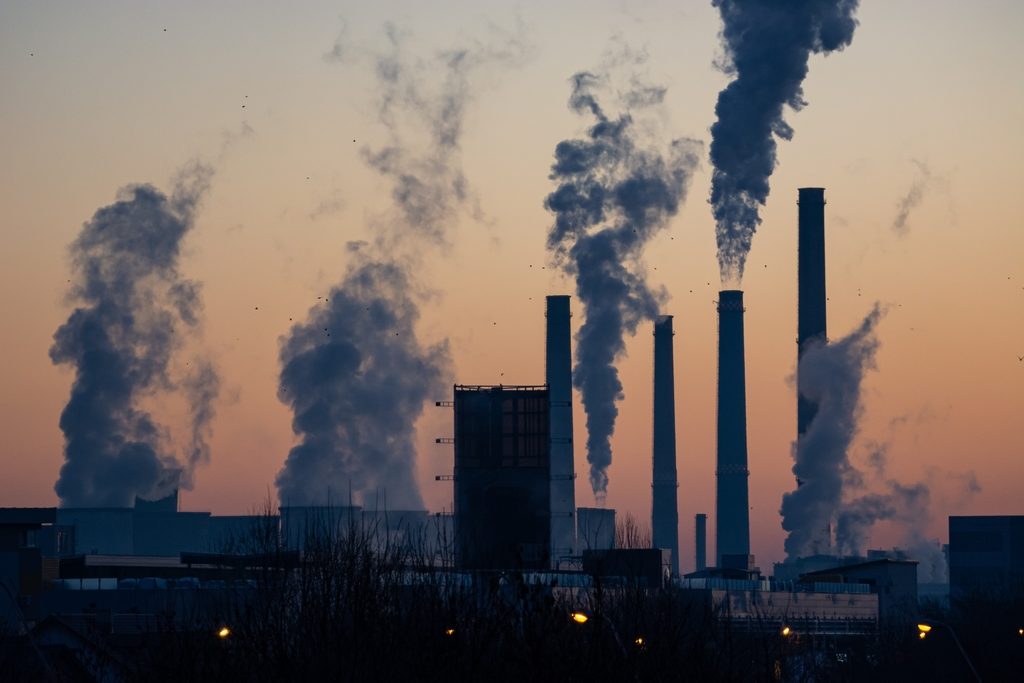
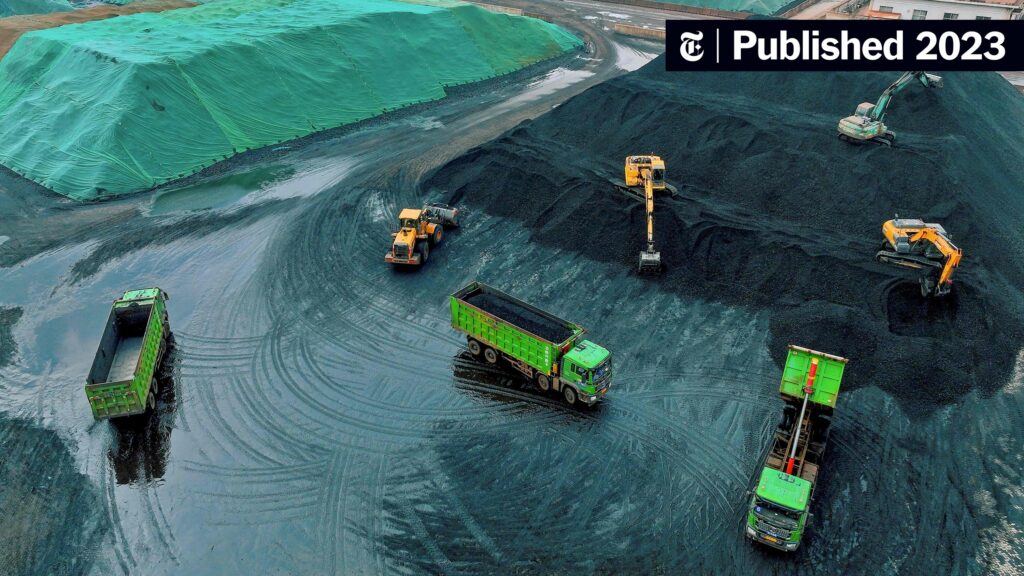
- Fossil‑fuel combustion: Power generation, transportation, and industry release the bulk of CO₂.
- Agricultural practices: Enteric fermentation in ruminants and rice paddies emit CH₄; synthetic fertilizers emit N₂O.
- Waste management: Landfills generate CH₄ through anaerobic decomposition.
- Industrial processes: Production of cement, chemicals, and fluorinated gases adds CO₂, N₂O, and high‑GWP gases.
\n
\n
\n
\n
\n
Underlying Drivers
\n
Economic growth, urbanisation, and population increase drive higher energy demand and food production, amplifying the above sources. Policy choices, technology adoption rates, and cultural dietary patterns also shape emission trajectories.
\n
Environmental and Human Impacts
\n
Environmental Impacts
\n
- \n
- Accelerated melting of glaciers and polar ice contributes to sea‑level rise.
- Ocean acidification from dissolved CO₂ threatens coral reefs and shell‑forming marine life.
- Shifted precipitation patterns increase drought risk in some regions and flood risk in others.
- Heat‑related stress affects terrestrial ecosystems, altering species distributions.
\n
\n
\n
\n
\n
Human Health and Social Impacts
\n
- \n
- Higher temperatures increase heat‑related mortality, especially among the elderly and outdoor workers.
- Air‑quality degradation from ozone formation (a secondary product of CH₄) exacerbates respiratory diseases.
- Food‑security threats arise from reduced crop yields in heat‑stressed regions.
- Vulnerable populations in low‑income, coastal, or arid areas face disproportionate exposure to climate‑related hazards.
\n
\n
\n
\n
\n
Regional Differences
\n
Emission profiles vary by region. High‑income economies dominate CO₂ emissions from industry and transport, while low‑ and middle‑income countries contribute a larger share of CH₄ from rice cultivation and livestock. Permafrost‑rich Arctic regions are especially sensitive to CH₄ feedbacks, whereas tropical rainforests influence CO₂ through rapid carbon cycling. Monitoring capacity also differs: Europe and North America have dense observation networks, while many developing nations rely on satellite data.
\n
What Scientists Know With High Confidence
\n
- \n
- Human activities have increased atmospheric concentrations of CO₂, CH₄, and N₂O since the industrial era.
- The enhanced greenhouse effect is the principal driver of global warming observed over the past seven decades.
- Reducing CO₂ emissions is essential to limit warming to below 2 °C relative to pre‑industrial levels.
- Water vapor acts as a feedback, not a primary forcing, in the climate system.
\n
\n
\n
\n
\n
\n
What Remains Uncertain
\n
Key uncertainties include the magnitude of permafrost carbon release, the precise climate sensitivity to CO₂ doubling, and the long‑term behaviour of short‑lived gases like methane under different mitigation pathways. Regional projections of precipitation changes also carry higher uncertainty due to complex atmospheric dynamics. Improving ground‑based monitoring in data‑sparse regions and refining Earth‑system models are priorities to narrow these gaps.
\n
\n
Common Misconceptions
\n
Misconception: Water vapor is the main cause of climate change.
\n
Reality: Water vapor amplifies warming that originates from other gases; it is not emitted directly by human activities in a way that can be controlled.
\n
Misconception: All greenhouse gases have the same warming effect.
\n
Reality: Gases differ dramatically in GWP and atmospheric lifetime; for example, a kilogram of HFC‑23 traps about 14,800 times more heat than a kilogram of CO₂ over 100 years.
\n
Misconception: Cutting individual electricity use will solve the climate crisis.
\n
Reality: Individual energy‑saving measures help, but systemic transitions in energy production, industry, and agriculture are required for meaningful emission reductions.
\n
\n
Solutions and Limitations
\n
- \n
- Renewable energy deployment: Displaces CO₂‑intensive fossil fuels; limited by intermittency, storage costs, and grid integration challenges.
- Methane capture and use: Anaerobic digesters convert landfill and livestock CH₄ to biogas; effectiveness depends on widespread adoption and proper maintenance.
- Optimised fertilizer management: Precision agriculture reduces N₂O emissions but may require investment in technology and training.
- Phase‑down of fluorinated gases: International agreements (e.g., Kigali Amendment) have reduced HFC use, yet replacement chemicals must be vetted for safety and performance.
- Nature‑based solutions: Restoring wetlands and forests sequesters CO₂, yet land‑use competition and permanence concerns limit scalability.
\n
\n
\n
\n
\n
\n
What Individuals, Communities, and Governments Can Do
\n
What Individuals Can Do
\n
- \n
- Choose renewable electricity where available or install rooftop solar.
- Reduce food‑waste and adopt lower‑meat diets to cut CH₄ and N₂O footprints.
- Support policies that price carbon or fund clean‑energy research.
\n
\n
\n
\n
What Communities and Organizations Can Do
\n
- \n
- Implement district‑wide energy‑efficiency retrofits for public buildings.
- Develop local composting and anaerobic‑digestion facilities to capture landfill methane.
- Promote sustainable land‑management practices that minimise fertilizer use.
\n
\n
\n
\n
What Governments Can Do
\n
- \n
- Set ambitious national CO₂‑reduction targets aligned with the Paris Agreement.
- Regulate HFCs under the Kigali Amendment and incentivise low‑GWP alternatives.
- Invest in climate‑resilient infrastructure to protect vulnerable populations from heatwaves and floods.
\n
\n
\n
\n
Closing Synthesis
\n
The five greenhouse gases—CO₂, CH₄, N₂O, fluorinated gases, and water vapor—together shape Earth’s climate system. Robust evidence links rising concentrations of the first four, driven largely by fossil‑fuel use, agriculture, and industry, to the global warming observed since the mid‑20th century. Water vapor amplifies this warming through feedback. While high‑confidence findings establish the causal role of these gases, uncertainties about feedback strength and regional outcomes remain. Effective mitigation requires a portfolio of solutions: decarbonising energy, improving agricultural practices, phasing out high‑GWP synthetics, and protecting natural carbon sinks. Individual actions matter when they aggregate and when they support systemic change. By aligning scientific understanding with policy and community effort, societies can manage the climate risks posed by these gases while preserving the conditions that make Earth habitable.
“,
“excerpt”: “Learn the basics of CO₂, methane, nitrous oxide, fluorinated gases, and water vapor—how they warm the planet, the evidence behind them, and practical ways to mitigate their impact.”,
“tags”: [“greenhouse gases”,”climate change”,”carbon dioxide”,”methane”,”environmental science”],
“faq”: [
{
“question”: “What are the five main greenhouse gases and why are they important?”,
“answer”: “The five main greenhouse gases are carbon dioxide, methane, nitrous oxide, fluorinated gases, and water vapor. They trap infrared radiation, creating a warming effect that drives climate change, with CO₂ accounting for about 75 % of human‑made emissions.”
},
{
“question”: “How does water vapor differ from the other greenhouse gases?”,
“answer”: “Water vapor is a natural component of the atmosphere and acts as a feedback that amplifies warming caused by other gases. Unlike CO₂, methane, nitrous oxide, and fluorinated gases, it is not directly emitted in controllable quantities by human activities.”
},
{
“question”: “What is the global‑warming potential of methane compared to carbon dioxide?”,
“answer”: “Methane has a global‑warming potential about 28–36 times higher than carbon dioxide over a 100‑year horizon, meaning a kilogram of methane traps roughly 30 times more heat than the same mass of CO₂.”
},
{
“question”: “Which sector offers the greatest opportunity to reduce nitrous oxide emissions?”,
“answer”: “Agriculture offers the greatest opportunity because most nitrous oxide comes from synthetic nitrogen fertilizers. Precision application, crop‑rotation, and alternative nitrogen sources can substantially cut N₂O releases.”
},
{
“question”: “Can individuals meaningfully contribute to reducing greenhouse‑gas emissions?”,
“answer”: “Individuals can contribute by lowering energy use, choosing renewable electricity, reducing meat consumption, and supporting policies that price carbon. While personal actions alone cannot solve the problem, collective behavior can drive market and policy change.”
}
]
}







Leave a Comment