
Understanding how quickly the world’s oceans could rise by one metre requires examining thermal expansion, ice‑sheet melt, observational records, and the uncertainties that shape future projections.
Quick Answer
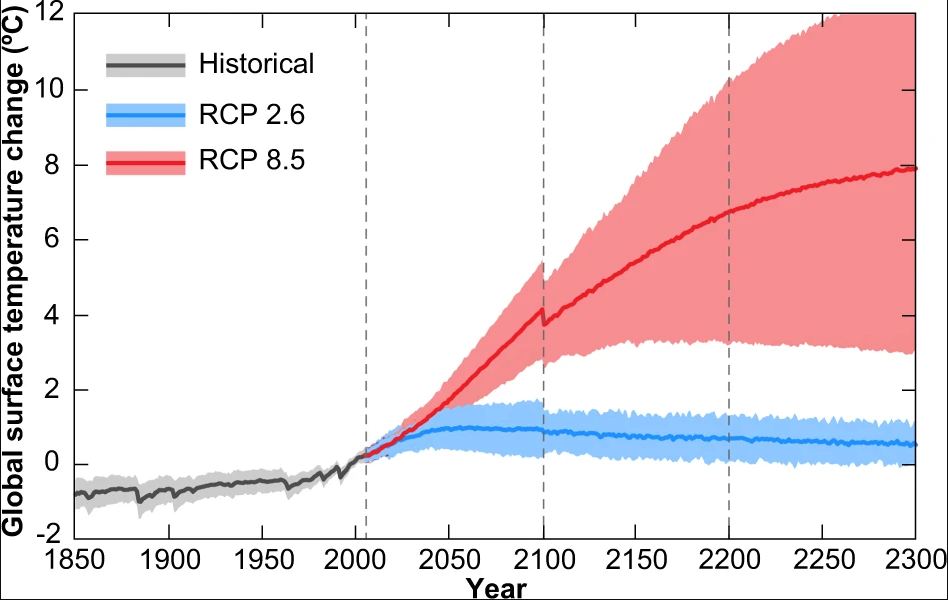
Current scientific assessments estimate that a global sea‑level rise of one metre is most likely to occur between 2100 and 2300 under high‑emission scenarios, but the exact timing depends on how fast the Greenland and Antarctic ice sheets melt and how much ocean water expands as it warms. A linear extrapolation of recent rates suggests roughly 300 years, yet climate‑system feedbacks could accelerate the process, making the true timeline uncertain.
Key Takeaways
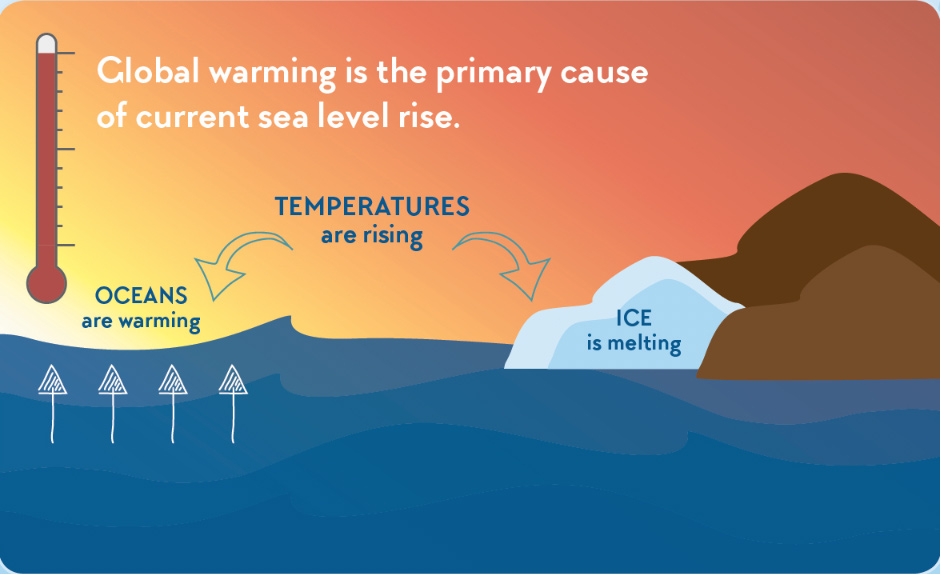
- Sea‑level rise (SLR) is driven by thermal expansion of seawater and melting of land ice.
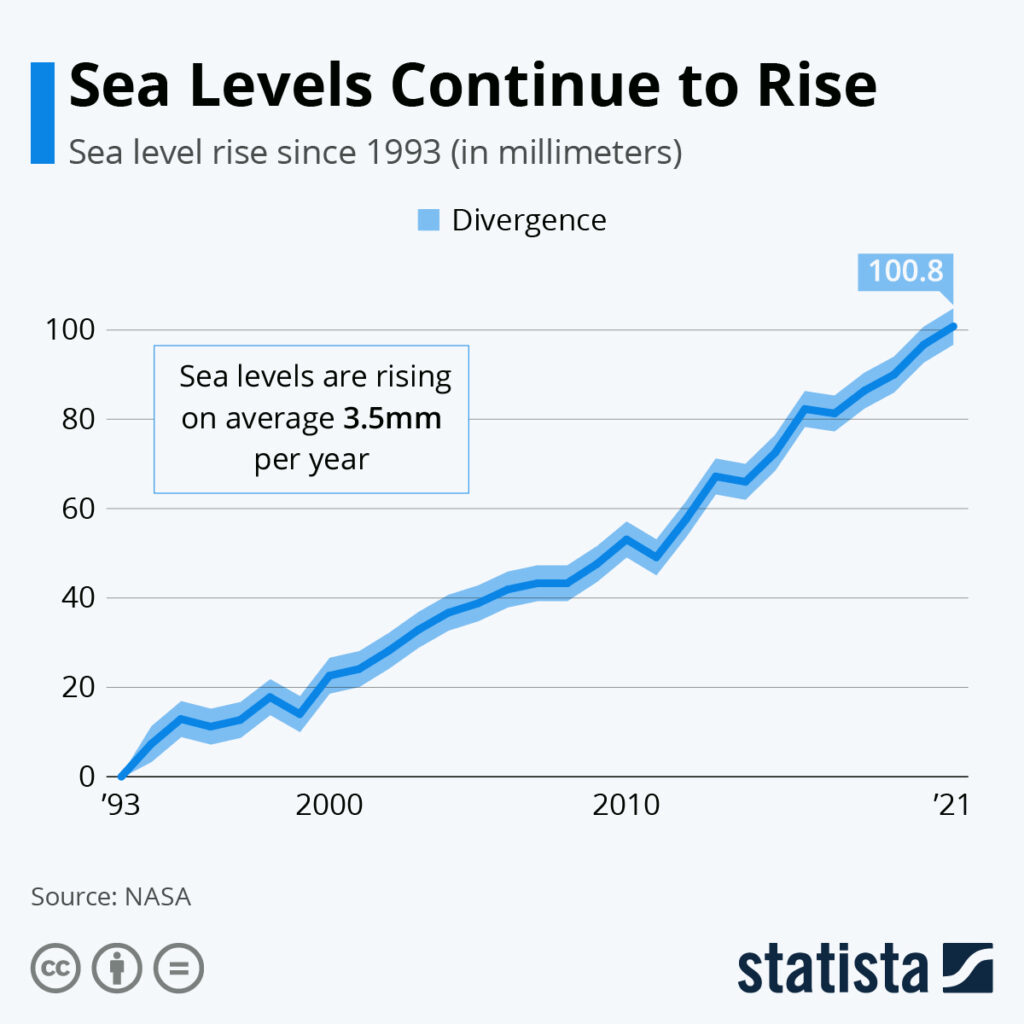
- Historical observations show an average rise of 1.7 mm yr⁻¹ since 1900, increasing to about 3.3 mm yr⁻¹ in recent decades.
- IPCC AR6 projects a median global rise of 0.6–1.1 m by 2100 under the highest emissions pathway, with a 1 m rise likely occurring sometime in the 22nd century.
- Uncertainties stem mainly from ice‑sheet dynamics, especially potential rapid disintegration of the West Antarctic Ice Sheet.
- Mitigation, adaptation, and ecosystem‑based approaches can reduce exposure but cannot stop the physical inevitability of some rise.
What Is How Long Would It Take for Sea Levels Rise 1 Meter Globally?
The phrase asks for the expected time horizon until the average height of the world’s oceans increases by one metre relative to a baseline (typically the year 2000 mean sea level). It is a projection, not a prediction, and it aggregates local variations—some coasts may experience higher or lower changes due to land movement or ocean dynamics. The metric is used to communicate climate‑change risk because a metre of rise would inundate many low‑lying areas, alter storm‑surge behavior, and affect freshwater resources.
How Does It Work?
1. Thermal Expansion
When seawater absorbs heat, its volume expands. This process, called steric expansion, accounts for roughly one‑third of observed SLR since the mid‑20th century (IPCC, 2021). Warmer water occupies more space even without adding mass.
2. Melting of Glaciers and Ice Sheets
Glaciers worldwide contribute about 0.25 m of rise per century, while the Greenland Ice Sheet adds roughly 0.2 m per century under current trends. The Antarctic Ice Sheet holds enough ice to raise sea level by over 50 m, but only a fraction is currently melting. Accelerated flow of outlet glaciers and basal lubrication from meltwater can trigger nonlinear responses.
3. Land‑Water Redistribution
Groundwater extraction, reservoir storage, and ice‑sheet loss move water from land to the ocean, adding to sea‑level rise. Although smaller than thermal expansion, these processes are measurable at a global scale.
4. Feedbacks and Thresholds
Ice‑sheet models suggest that once certain temperature thresholds are crossed, processes such as marine ice‑sheet instability could cause rapid, self‑sustaining loss. The West Antarctic Ice Sheet is especially sensitive to warm ocean water reaching its grounding lines.
What Does the Evidence Show?
Long‑term tide‑gauge records, satellite altimetry (since 1992), and gravimetric measurements from the GRACE mission provide a convergent picture of accelerating SLR. The Intergovernmental Panel on Climate Change (IPCC) Fifth Assessment Report (AR5, 2013) estimated a global rise of 0.26–0.98 m by 2100, while the Sixth Assessment Report (AR6, 2021) narrowed the likely range to 0.6–1.1 m under the Representative Concentration Pathway 8.5 (high‑emissions) scenario. Peer‑reviewed meta‑analyses of ice‑sheet mass balance (e.g., Rignot et al., 2020) indicate that Greenland’s contribution is increasing at 0.7 Gt yr⁻¹ per decade, and Antarctic loss has accelerated from near‑zero to ~150 Gt yr⁻¹ in the last two decades.
Main Causes or Drivers
Direct Causes
- Anthropogenic greenhouse‑gas emissions raising global mean temperature.
- Ocean heat uptake leading to steric expansion.
- Surface melt and dynamic discharge of the Greenland and Antarctic ice sheets.
Underlying Drivers
- Fossil‑fuel combustion and land‑use change that increase atmospheric CO₂.
- Feedbacks such as reduced albedo from ice loss, which amplifies warming.
Environmental and Human Impacts
Environmental Impacts
- Coastal wetlands and mangroves may become landward, losing habitat if migration corridors are blocked.
- Coral reef exposure to deeper water reduces light availability, threatening reef growth.
- Saltwater intrusion into aquifers can degrade freshwater supplies.
Human Health and Social Impacts
- Increased frequency of coastal flooding raises exposure to water‑borne pathogens.
- Displacement of low‑lying populations can exacerbate food insecurity and strain urban services.
Economic and Infrastructure Impacts
- Asset loss estimates for a 1 m rise range from $1 trillion to $4 trillion globally, depending on adaptation measures (World Bank, 2022).
- Insurance markets may deem certain zones uninsurable, affecting property values.
Regional Differences
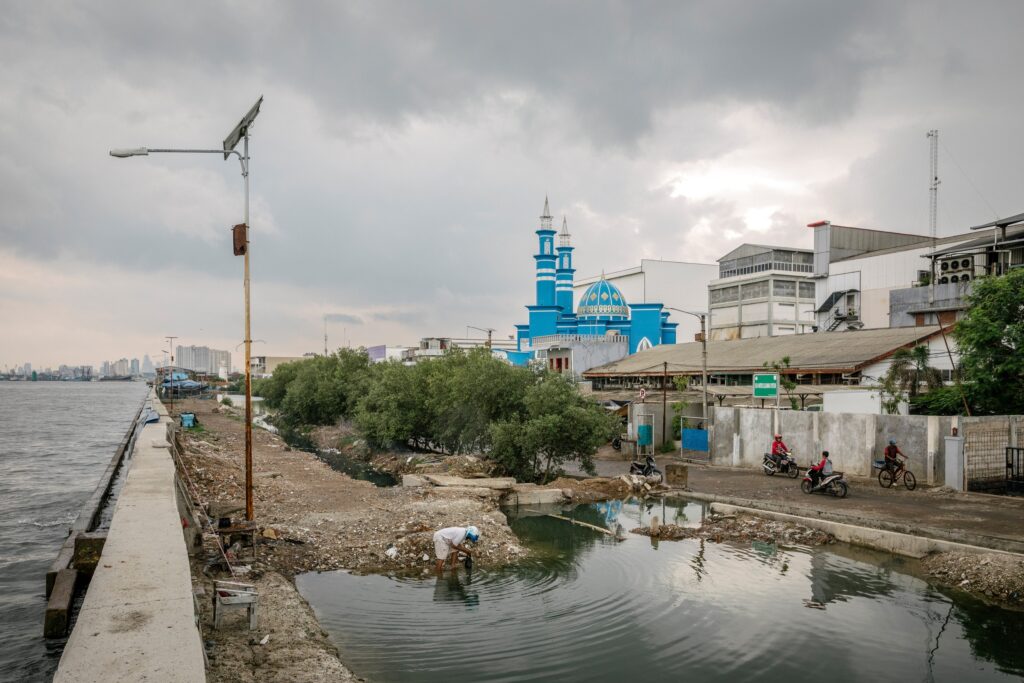
Coastal exposure varies with local uplift or subsidence, ocean dynamics, and socioeconomic capacity. For example, the Gulf Coast of the United States experiences both sea‑level rise and land subsidence, leading to higher relative rates than the global mean. In contrast, parts of the Pacific Northwest are undergoing uplift, partially offsetting ocean rise. Low‑lying nations such as the Maldives and Bangladesh face existential risk because even modest rises increase storm‑surge heights and reduce usable land.
What Scientists Know With High Confidence
- Global mean sea level has risen faster in the past three decades than in any comparable period of the last 2,000 years.
- Thermal expansion and ice‑sheet melt are the dominant contributors to observed rise.
- Continued high greenhouse‑gas emissions will almost certainly produce more than one metre of rise by the end of the 22nd century.
What Remains Uncertain
Key uncertainties center on the rate at which the West Antarctic Ice Sheet could undergo marine ice‑sheet instability, and on how quickly surface melt on Greenland might translate into irreversible ice‑loss. Model ensembles differ on the timing of a potential “tipping point,” which could shift the 1 m horizon by decades. Improved satellite gravimetry and ice‑sheet monitoring are needed to narrow these gaps.
Common Misconceptions
Misconception: Sea‑level rise is a linear process.
Reality: The system exhibits nonlinear feedbacks; rapid ice‑sheet collapse could cause periods of accelerated rise.
Misconception: A one‑metre rise will happen uniformly everywhere.
Reality: Local sea‑level change also reflects land movement, ocean currents, and gravitational effects, producing regional variations of ±30 % around the global mean.
Misconception: Reducing personal water use will stop sea‑level rise.
Reality: Individual consumption influences overall emissions only marginally; systemic decarbonisation is required to limit the magnitude of rise.
Solutions and Limitations
Responses fall into three broad categories:
- Mitigation: Rapid reduction of CO₂ emissions can limit warming to below 2 °C, which in turn reduces the ultimate sea‑level ceiling. The limitation is that even with 1.5 °C warming, some degree of rise is inevitable due to committed ice‑sheet loss.
- Adaptation: Coastal defenses (e.g., sea walls, surge barriers) and managed retreat protect people and assets but can be costly, may have ecological side‑effects, and are not feasible everywhere.
- Ecosystem‑based approaches: Restoring mangroves and wetlands provides natural buffers and carbon sequestration, yet these habitats require space and are vulnerable to salinity changes.
What Individuals, Communities, and Governments Can Do
What Individuals Can Do
- Support policies that price carbon and fund clean‑energy transitions.
- Participate in local resilience planning, such as advocating for green infrastructure.
What Communities and Organizations Can Do
- Develop and implement climate‑risk assessments that incorporate sea‑level projections.
- Invest in nature‑based solutions, like wetland restoration, that provide both flood protection and biodiversity benefits.
What Governments Can Do
- Adopt ambitious nationally determined contributions (NDCs) aligned with the Paris Agreement to keep warming below 2 °C.
- Allocate funding for early‑warning systems, resilient infrastructure, and affordable relocation programs for at‑risk populations.
- Enforce building codes that consider future sea‑level scenarios.
Synthesis
A global rise of one metre is not a distant, abstract possibility; current observations and model ensembles indicate it could materialise within the next two centuries under business‑as‑usual emissions. High‑confidence evidence confirms the roles of thermal expansion and ice‑sheet melt, while uncertainties about rapid ice‑sheet dynamics keep the exact timeline open. Mitigation, adaptation, and ecosystem‑based strategies together can reduce exposure and limit the most severe outcomes, but they must be pursued simultaneously and equitably.
Frequently Asked Questions
What is the current rate of global sea‑level rise?
Recent satellite observations (1993‑2020) show an average increase of about 3.3 mm per year, which is faster than the long‑term 1.7 mm yr⁻¹ rate recorded since 1900.
Why does sea‑level rise differ between regions?
Local factors such as land uplift or subsidence, ocean currents, and gravitational effects cause relative sea‑level change to vary by up to ±30 % from the global average.
Can a one‑metre rise happen within this century?
Under the highest emission pathway (RCP 8.5), the IPCC AR6 estimates a median rise of 0.6–1.1 m by 2100, making a one‑metre increase possible but not certain within this century.
What are the main uncertainties affecting the timeline?
The greatest uncertainties involve how quickly the West Antarctic Ice Sheet might undergo rapid collapse and the future rate of Greenland ice‑sheet melt, both of which could accelerate sea‑level rise.
What actions can governments take to reduce future sea‑level rise?
Governments can set ambitious carbon‑reduction targets, fund resilient coastal infrastructure, enforce climate‑aware building codes, and support relocation programs for communities at highest risk.




Leave a Comment