
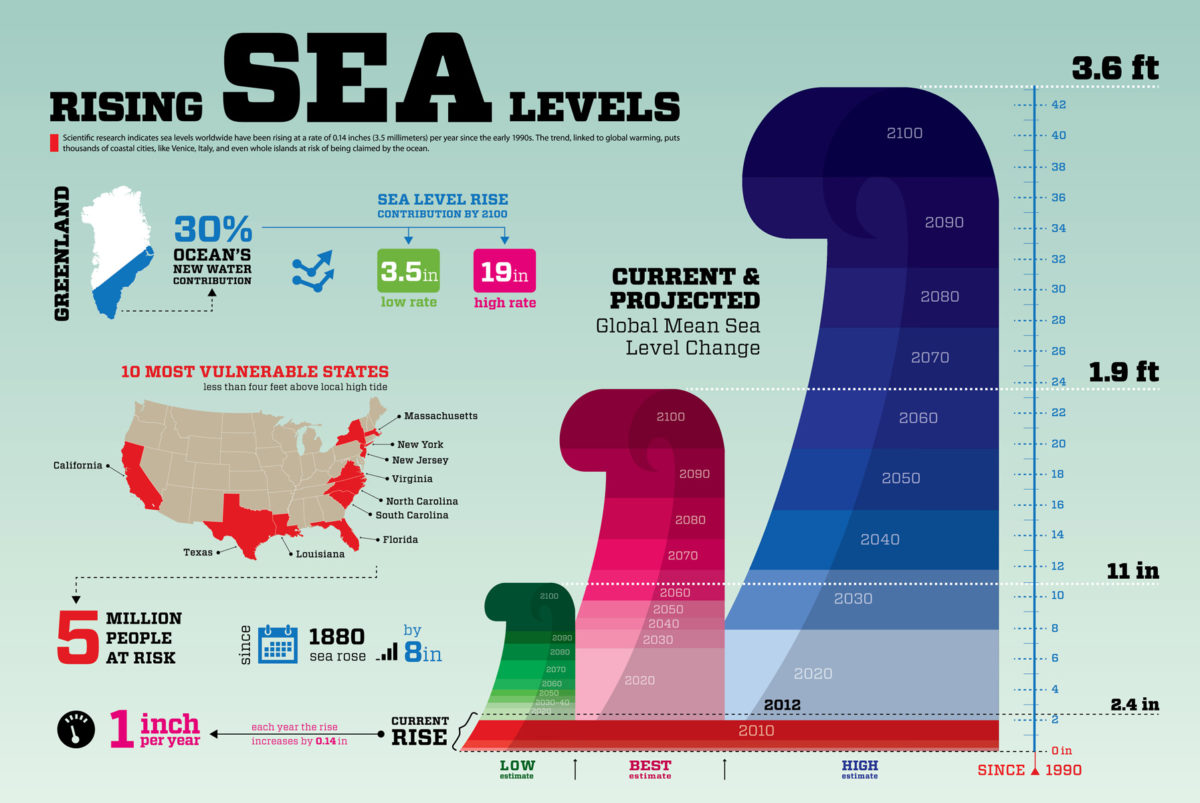
Rising sea levels result from a combination of thermal expansion, melting ice sheets, groundwater extraction and coastal development, each backed by extensive scientific evidence.
Quick Answer
Sea level rise occurs when the ocean gains volume from heated water expanding (thermal expansion) and from additional water released by melting glaciers, ice caps, and the Greenland and Antarctic ice sheets. Human activities such as excessive groundwater pumping and coastal land‑use changes can amplify local sea‑level impacts by causing land subsidence and reducing natural buffers. The scientific consensus, reflected in IPCC assessment reports, is that these processes together have driven a global mean sea‑level increase of about 20 cm since 1900, with uncertainty mainly in future ice‑sheet dynamics.
Key Takeaways
- Thermal expansion accounts for roughly one‑third of observed sea‑level rise since the mid‑20th century.
- Melting of the Greenland and Antarctic ice sheets contributes the largest potential future increase, potentially several meters if fully melted.
- Groundwater extraction and land‑subsidence can locally raise relative sea level by centimeters to meters per decade.
- Loss of mangroves, wetlands and barrier islands reduces natural protection against storm surge and erosion.
- High‑confidence findings come from long‑term satellite altimetry, tide‑gauge records and comprehensive climate assessments.
What Is The Biggest Contributors to Rising Sea Levels Explained?
The term refers to the dominant physical and anthropogenic processes that add water to the world’s oceans or raise the land surface relative to the sea. These include:
- Thermal expansion of seawater.
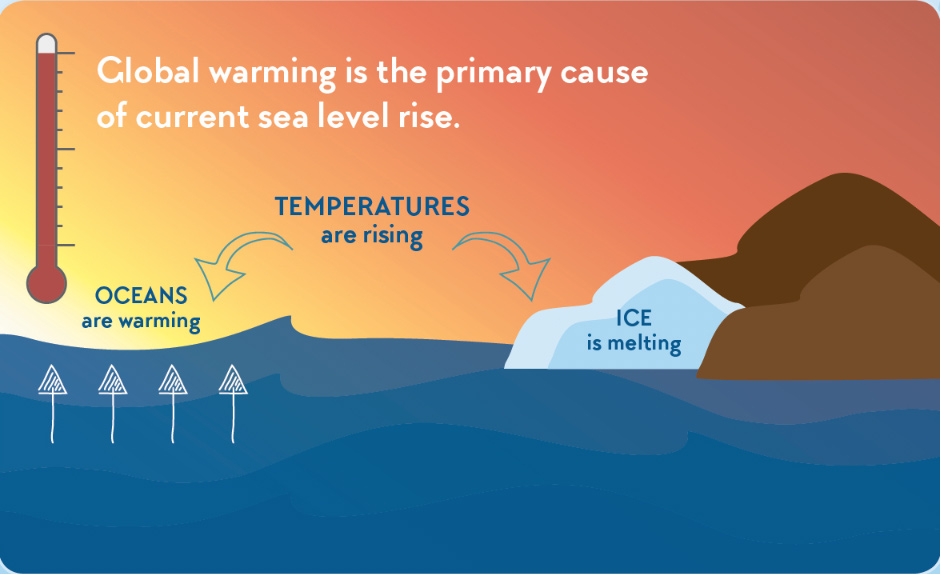
- Melting of mountain glaciers, ice caps, and the two major polar ice sheets.
- Human‑induced land‑surface changes such as groundwater withdrawal and coastal development.
Understanding each contributor helps identify where mitigation or adaptation can be most effective.
How Does It Work?
1. Thermal Expansion
When seawater absorbs heat from the atmosphere, its molecules move farther apart, increasing volume. The oceans store more than 90 % of excess heat from greenhouse‑gas warming, making thermal expansion a fundamental driver of sea‑level rise. Satellite altimetry shows that thermal expansion contributed about 0.5 mm yr⁻¹ to global sea‑level rise between 1993 and 2018 (IPCC, 2021).
2. Glacier and Ice‑Cap Melt
Mountain glaciers worldwide have been losing mass at an accelerating rate. The World Glacier Monitoring Service reports an average loss of 0.4 mm yr⁻¹ of sea‑level equivalent from glaciers between 2000 and 2019. Meltwater directly enters the ocean, raising its level.
3. Greenland Ice Sheet
The Greenland Ice Sheet holds enough ice to raise global sea level by roughly 7 m if fully melted. Observations from NASA’s ICESat‑2 and GRACE satellites indicate that Greenland lost about 280 Gt (gigatonnes) of ice per year in the 2010s, contributing ~0.8 mm yr⁻¹ to sea level.
4. Antarctic Ice Sheet
Antarctica contains 90 % of Earth’s ice. While the interior is relatively stable, the West Antarctic Ice Sheet and several marine‑based glaciers (e.g., Thwaites, Pine Island) have been thinning rapidly. Recent studies estimate Antarctic contribution of 0.4 mm yr⁻¹ to global sea level, with large uncertainties about future collapse.
5. Groundwater Extraction and Land Subsidence
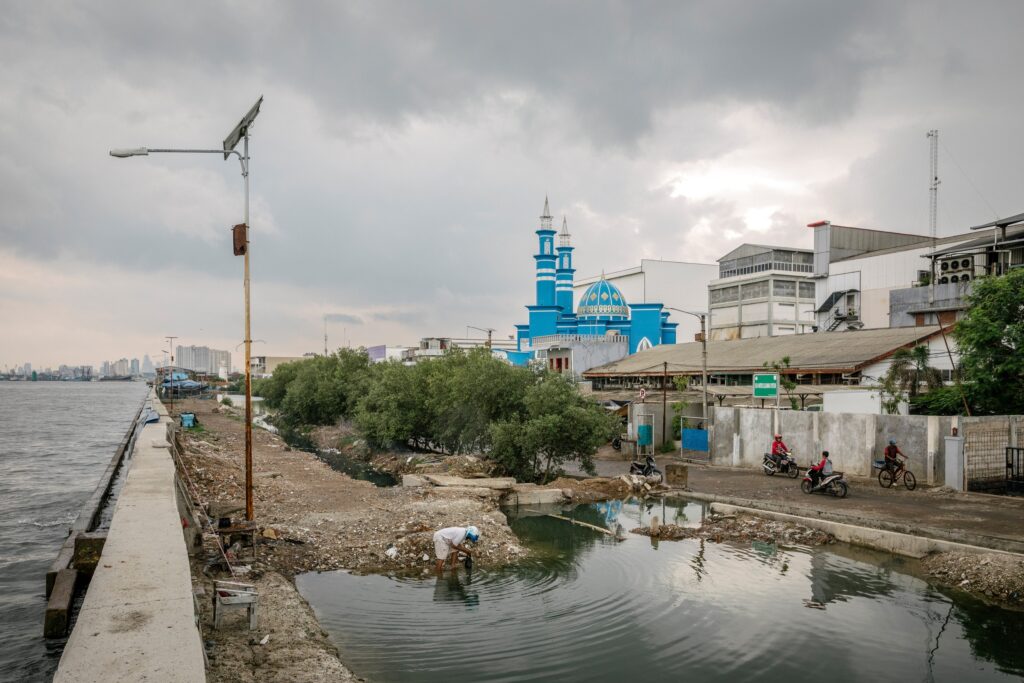
When groundwater is pumped faster than natural recharge, the pore space in sediments collapses, causing the land surface to sink. In coastal cities such as Jakarta and New Orleans, subsidence rates of up to 10 cm yr⁻¹ have been recorded, effectively adding to relative sea‑level rise.
6. Coastal Development and Habitat Loss
Construction of seawalls, drainage of wetlands, and removal of mangroves diminish natural buffers that absorb wave energy and trap sediments. The loss of these ecosystems can accelerate shoreline erosion and increase flood risk, amplifying the perceived rise in sea level.
What Does the Evidence Show?
Multiple independent lines of evidence converge on a clear picture:
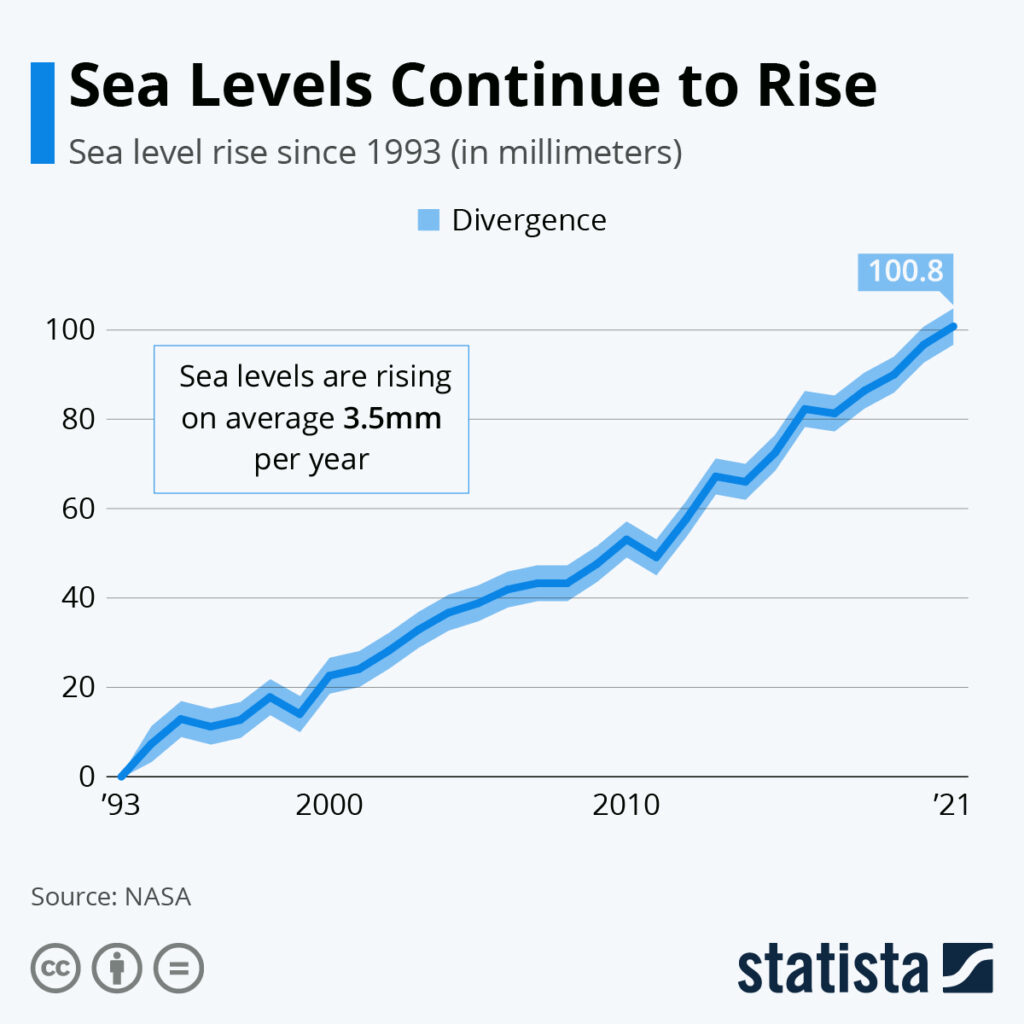
- Satellite altimetry (TOPEX/Poseidon, Jason‑1/2/3) has measured a global mean sea‑level rise of 3.3 mm yr⁻¹ since 1993.
- Tide‑gauge networks, calibrated against satellite data, confirm a rise of about 1.7 mm yr⁻¹ during the 20th century, accelerating in recent decades.
- Gravitational‑field missions (GRACE, GRACE‑FO) quantify mass loss from ice sheets, showing that Greenland and Antarctica together contributed roughly 0.9 mm yr⁻¹ between 2002 and 2019.
- Groundwater depletion studies published in Nature (2020) estimate that human‑induced groundwater extraction adds 0.25 mm yr⁻¹ to global sea level.
These observations are corroborated by climate‑model simulations that reproduce the observed rise when they include both thermal expansion and ice‑mass loss.
Main Causes or Drivers
Direct Physical Causes
- Ocean warming (thermal expansion).
- Ice‑mass loss from glaciers, Greenland and Antarctic ice sheets.
Underlying Human Drivers
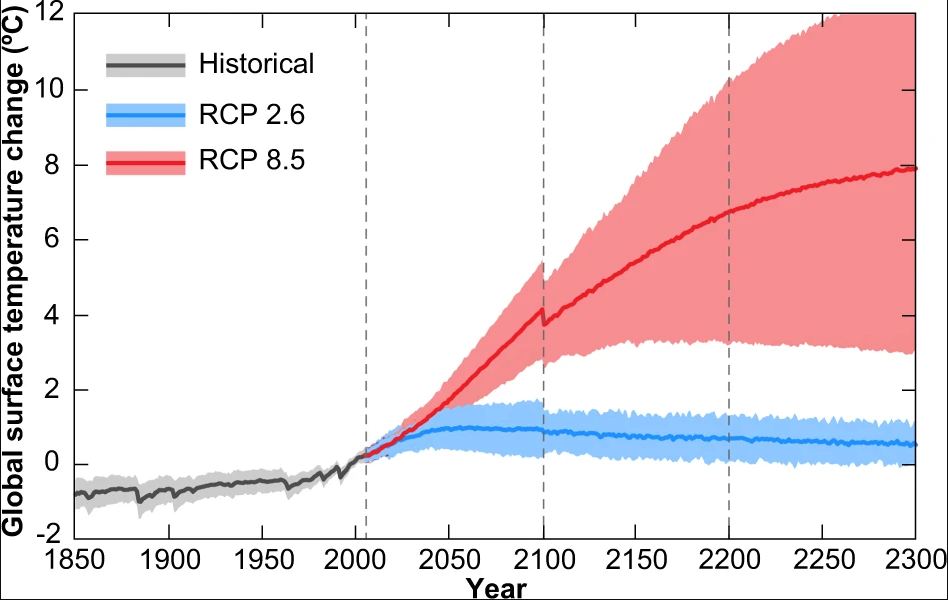
- Greenhouse‑gas emissions driving global temperature rise.
- Excessive groundwater extraction for agriculture and urban supply.
- Coastal land‑use changes that reduce natural flood protection.
Environmental and Human Impacts
Environmental Impacts
Rising seas inundate coastal wetlands, shift tidal habitats, and increase saltwater intrusion into freshwater aquifers. Coral reefs experience higher stress from both sea‑level rise and associated temperature increases, leading to bleaching events.
Human Health and Social Impacts
Higher sea levels raise the baseline for storm surges, increasing flood frequency and severity. Communities in low‑lying deltas (e.g., Bangladesh, Nile Delta) face heightened displacement risk, loss of agricultural land, and threats to water security.
Economic and Infrastructure Impacts
Coastal infrastructure—ports, roads, power plants—must contend with more frequent inundation. The World Bank estimates that without adaptation, sea‑level rise could cost up to $1 trillion annually in lost coastal GDP by 2050.
Regional Differences
Sea‑level change is not uniform. Thermal expansion is global, but regional ocean dynamics cause variations of ±0.5 m. For example, the western Pacific experiences slightly higher rise due to ocean‑current patterns, while parts of the North Atlantic show slower rise. Subsidence magnifies relative rise in cities like Jakarta (up to 30 cm yr⁻¹) but is negligible in stable interiors such as the Canadian Arctic.
What Scientists Know With High Confidence
- Global mean sea level has risen by about 20 cm since 1900, with an accelerating rate in the past three decades.
- Thermal expansion and ice‑mass loss are the two dominant contributors, together accounting for >80 % of observed rise.
- Greenhouse‑gas concentrations are the primary driver of the warming that powers both thermal expansion and ice melt.
- Coastal subsidence from groundwater extraction can locally increase relative sea level by several centimeters per decade.
What Remains Uncertain
Key uncertainties centre on the future behavior of the Antarctic ice sheet, especially the stability of marine‑based glaciers. Model projections differ by a factor of two for 2100 sea‑level rise depending on the assumed ice‑sheet response. Improved satellite gravimetry, ice‑sheet modelling, and long‑term monitoring are needed to narrow this range.
Common Misconceptions
Misconception: Sea‑level rise is caused only by melting ice.
Reality: Thermal expansion of warming seawater contributes roughly one‑third of the observed rise; ignoring it underestimates the problem.
Misconception: Only remote polar regions are affected.
Reality: Even modest global sea‑level increases translate into significant local impacts for densely populated coastal zones worldwide.
Misconception: Building higher seawalls solves the problem.
Reality: Hard engineering can protect specific sites but often leads to increased erosion elsewhere and does not address the underlying drivers.
Solutions and Limitations
Addressing sea‑level rise requires a mix of mitigation (reducing greenhouse‑gas emissions) and adaptation (protecting vulnerable coasts).
- Mitigation: Rapid decarbonisation limits future warming, thereby reducing thermal expansion and slowing ice‑sheet melt. The limitation is the need for global policy coordination and massive infrastructure transition.
- Managed Retreat: Relocating communities from high‑risk zones eliminates exposure but involves complex social, economic, and cultural challenges.
- Nature‑Based Solutions: Restoring mangroves, saltmarshes and coral reefs provides shoreline stabilization and carbon sequestration. Success depends on water‑quality management and land‑use planning.
- Improved Water Management: Reducing groundwater over‑pumping lowers subsidence rates. Implementation requires regulatory frameworks and alternative water sources.
- Infrastructure Adaptation: Elevating buildings, flood‑proofing utilities, and designing flexible urban layouts increase resilience. These measures can be costly and may only be viable for affluent regions.
What Individuals, Communities, and Governments Can Do
What Individuals Can Do
Support policies that curb emissions, conserve water to reduce groundwater demand, and advocate for the protection of coastal wetlands in local planning processes.
What Communities and Organizations Can Do
Implement community‑scale green infrastructure (e.g., living shorelines), conduct vulnerability assessments, and develop clear managed‑retreat or relocation plans for the most at‑risk neighborhoods.
What Governments Can Do
Adopt ambitious net‑zero targets, invest in large‑scale coastal monitoring networks, enforce sustainable groundwater extraction limits, and allocate funding for nature‑based adaptation projects.
Closing Synthesis
Rising sea levels are the cumulative result of a warming climate, melting ice, and human land‑use practices. Robust observations confirm that thermal expansion and ice‑mass loss dominate the trend, while groundwater extraction and habitat loss intensify local impacts. Although uncertainties remain—particularly regarding Antarctic ice‑sheet dynamics—the overarching scientific picture is clear: without swift mitigation and thoughtful adaptation, coastal communities worldwide will face increasing flood risk, ecosystem disruption, and economic loss. Targeted actions across scales can curb the most damaging contributors and build resilience for the generations ahead.
Frequently Asked Questions
What are the primary natural processes that cause sea level rise?
The two main natural processes are thermal expansion, where warming seawater expands in volume, and the addition of meltwater from glaciers, ice caps, and the Greenland and Antarctic ice sheets.
How does thermal expansion contribute to rising sea levels?
As the ocean absorbs excess heat from the atmosphere, its temperature rises and the water molecules spread apart, increasing the ocean’s overall volume and raising global sea level.
Why are the Greenland and Antarctic ice sheets critical to future sea‑level projections?
Together they hold enough ice to raise sea level by several meters if fully melted; current satellite data show they already contribute roughly 1.2 mm per year, making their stability the largest source of uncertainty for future rise.
What role does groundwater extraction play in coastal flooding?
Excessive groundwater pumping lowers the land surface through subsidence, which raises relative sea level locally and can add centimeters to flood risk each decade, especially in coastal cities.
What actions can communities take to reduce vulnerability to rising seas?
Communities can restore mangroves and wetlands, adopt living‑shoreline designs, conduct vulnerability assessments, and develop managed‑retreat plans for the most exposed neighborhoods.




Leave a Comment