
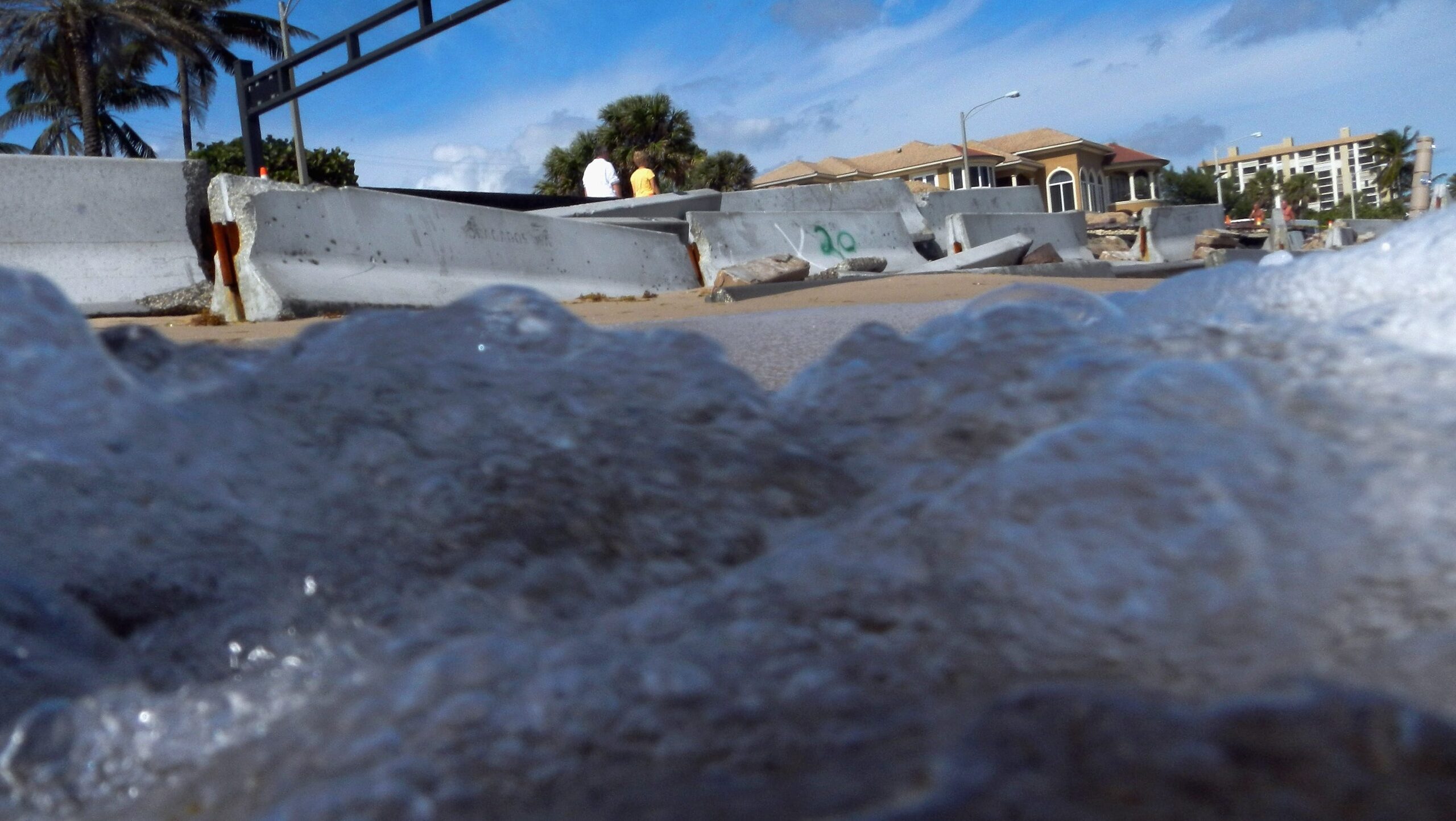
Sea level rise by 2100 could add up to 2.0 meters (about 6.6 feet) to global oceans, driven by thermal expansion and melting ice, with profound environmental and social consequences.
Quick Answer
Sea level rise refers to the long‑term increase in the average height of the world’s oceans. It occurs because warming water expands (thermal expansion) and because glaciers and the Greenland and Antarctic ice sheets melt faster as the planet warms. The Intergovernmental Panel on Climate Change (IPCC) projects a likely range of 0.29 to 1.10 meters of rise by 2100 under medium‑to‑high emission scenarios, with higher-end pathways reaching about 2.0 meters. This rise threatens coastal ecosystems, infrastructure, and millions of people, although the exact magnitude remains uncertain due to complex ice‑sheet dynamics.
Key Takeaways
- Global mean sea level has risen roughly 20–25 cm since 1880, with acceleration in recent decades.
- Thermal expansion and ice‑sheet melt are the two dominant physical drivers.
- By 2100, sea level could rise 0.3–2.0 m depending on future greenhouse‑gas emissions.
- Low‑lying islands and major coastal cities face heightened flood risk, displacement, and economic loss.
- Mitigation (reducing emissions) and adaptation (e.g., flood defenses) are both essential, but each has limits and trade‑offs.
What Is Sea Level Rise by 2100: What Scientists Are Warning About?
Sea level rise is the sustained increase in the average height of the world’s oceans relative to land. The “by 2100” framing focuses on the century‑scale projection used by climate assessments to guide policy. It does not refer to a single event but to the cumulative outcome of ongoing physical processes. Sea level rise differs from short‑term storm surges or tidal variations; it is a permanent shift that reshapes coastlines over decades to centuries.
How Does It Work?
1. Thermal Expansion of Ocean Water
When seawater warms, its volume increases because molecular motion intensifies. This is a well‑established principle of physics and accounts for roughly one‑third of observed sea‑level rise since the mid‑20th century (IPCC, 2021).
2. Melting of Glaciers and Ice Sheets
Glaciers worldwide have been losing mass at an accelerating rate. More importantly, the Greenland Ice Sheet and the Antarctic Ice Sheet together contribute the majority of recent sea‑level increase. Ice melt adds freshwater directly to the ocean, raising its level.
3. Land‑Water Interactions
Groundwater extraction, reservoir depletion, and subsidence can locally amplify apparent sea‑level rise. Conversely, sediment deposition in deltas can offset rise in limited settings.
4. Feedbacks and Thresholds
Ice‑sheet dynamics involve feedbacks such as ice‑shelf buttressing loss, which can accelerate inland ice flow. Once certain thresholds are crossed, rapid ice discharge may occur, but the timing and magnitude remain active research areas.
What Does the Evidence Show?
Multiple lines of evidence converge on a clear upward trend:
- Long‑term tide‑gauge records show a global mean rise of about 1.7 mm yr⁻¹ from 1880 to 2020, accelerating to roughly 3.3 mm yr⁻¹ in the past three decades (NOAA, 2023).
- Satellite altimetry (since 1993) confirms an average rise of 3.4 mm yr⁻¹, with the rate increasing in the last decade.
- Ice‑mass observations from GRACE satellites indicate that Greenland lost ~280 Gt yr⁻¹ and Antarctica ~150 Gt yr⁻¹ during the 2000s, directly contributing to sea‑level rise.
- IPCC Sixth Assessment Report (AR6, 2021) synthesizes these datasets and models, concluding that sea level will almost certainly rise between 0.29 and 0.59 m under a low‑emissions scenario (SSP1‑2.6) and between 0.63 and 1.10 m under a high‑emissions scenario (SSP5‑8.5) by 2100.
These findings are classified as strong evidence because they rely on independent observational systems and are reproduced across multiple peer‑reviewed assessments.
Main Causes or Drivers
Direct Physical Drivers
- Thermal expansion of warming seawater.
- Mass loss from glaciers, Greenland, and Antarctica.
Underlying Human Drivers
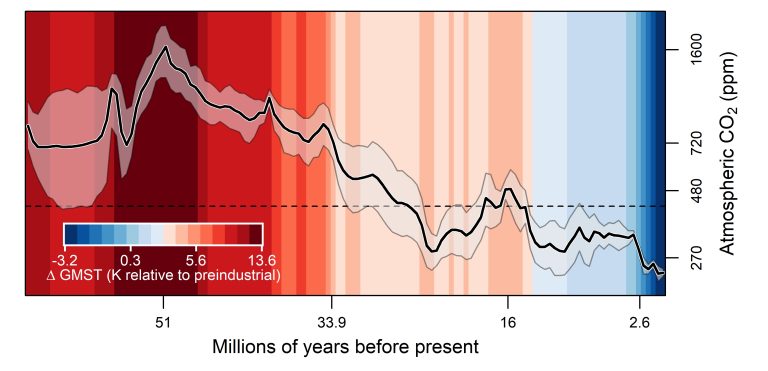
- Burning of fossil fuels, which raises atmospheric CO₂ concentrations to 420 ppm in 2023 (NASA, 2023).
- Deforestation and land‑use change that amplify regional warming.
- Industrial emissions of methane, a potent short‑lived greenhouse gas.
Natural Modulators
- Variability in ocean currents (e.g., El Niño‑Southern Oscillation) influences short‑term sea‑level fluctuations.
- Post‑glacial rebound, where land previously compressed by ice sheets slowly rises, can locally offset sea‑level rise.
Environmental and Human Impacts
Environmental Impacts
- Coastal wetlands and mangroves may be submerged, reducing biodiversity and carbon sequestration capacity.
- Saltwater intrusion into freshwater aquifers threatens drinking‑water supplies and agricultural productivity.
- Higher sea levels increase the reach of storm surges, amplifying erosion and habitat loss.
Human Health and Social Impacts
- Inundation raises the risk of water‑borne diseases, especially in low‑lying tropical regions.
- Displacement of coastal populations could affect up to 280 million people by 2100 under high‑emission pathways (UN‑FCCC, 2022).
- Cultural heritage sites on coastlines face permanent loss, affecting indigenous identities and tourism economies.
Economic and Infrastructure Impacts
- Property damage from chronic flooding could cost global economies trillions of dollars; a 2020 World Bank estimate places cumulative losses at $1 trillion by 2050 under moderate scenarios.
- Critical infrastructure—ports, power plants, sewage systems—requires costly retrofits or relocation.
- Insurance markets are strained as risk premiums rise for flood‑prone areas.
Regional Differences
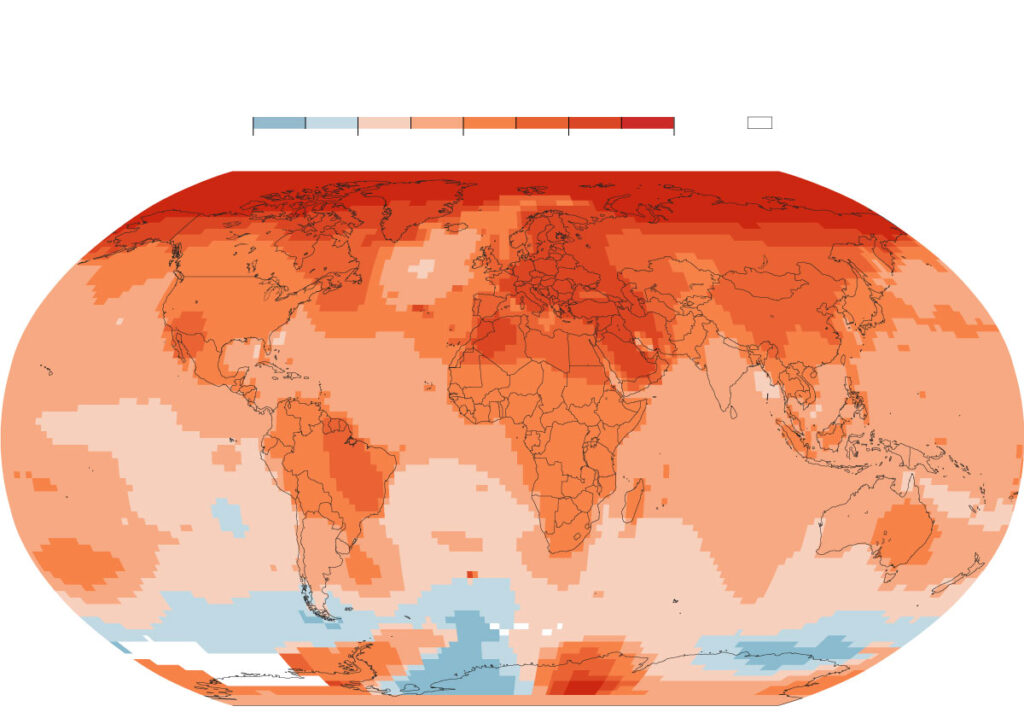
Sea‑level rise is not uniform. Regional variations stem from ocean dynamics, land movement, and local climate patterns.
- North America: The U.S. Gulf Coast and Atlantic seaboard experience higher relative rise (up to 4 mm yr⁻¹) due to Atlantic Meridional Overturning Circulation slowdown.
- South‑East Asia: Low‑lying delta regions such as the Mekong and Ganges‑Brahmaputra face compounded subsidence, leading to effective rises exceeding 5 mm yr⁻¹.
- Pacific Islands: Nations like the Maldives and Tuvalu confront existential threats; even modest rises increase the frequency of king‑tide events that can temporarily inundate entire islands.
- Europe: The Baltic Sea shows slower rise (≈2 mm yr⁻¹) but still threatens historic coastal towns.
What Scientists Know With High Confidence
What Scientists Know With High Confidence
- Global mean sea level is rising, and the rate has accelerated since the late 20th century.
- Thermal expansion and ice‑sheet melt are the primary contributors to observed rise.
- Human‑caused greenhouse‑gas emissions are the dominant driver of the warming that powers sea‑level rise.
- Coastal flooding frequency will increase even under modest sea‑level rise scenarios.
What Remains Uncertain
What Remains Uncertain
Key uncertainties revolve around the future behavior of the Antarctic ice sheet, especially the West Antarctic sector, where processes such as marine ice‑sheet instability could trigger rapid discharge. The timing, magnitude, and probability of such thresholds remain active research topics, leading to a wide range of projected sea‑level outcomes. Additionally, regional land‑movement (subsidence or uplift) introduces local uncertainty that complicates precise impact forecasts.
Common Misconceptions
Common Misconceptions
Misconception: Sea‑level rise will happen uniformly everywhere.
Reality: Ocean dynamics, regional subsidence, and gravitational effects cause sea‑level change to vary by location; some coasts rise faster than the global average.
Misconception: A rise of a few centimeters is harmless.
Reality: Even small increases raise the baseline for storm surges, making extreme flooding events more frequent and severe.
Misconception: Sea‑level rise is only a future problem.
Reality: Many communities already experience chronic “nuisance flooding,” and adaptation measures are already being implemented.
Solutions and Limitations
Addressing sea‑level rise requires both mitigation of climate change and adaptation to its effects.
- Mitigation: Rapidly reducing CO₂ emissions can limit the magnitude of future rise. However, even with net‑zero pathways, some sea‑level increase is locked in due to existing heat and ice‑mass loss.
- Hard‑engineered defenses: Seawalls, surge barriers, and levees protect specific assets but can be costly, may cause downstream erosion, and require ongoing maintenance.
- Nature‑based solutions: Restoring mangroves, wetlands, and coral reefs buffers wave energy and can keep pace with moderate rise, yet these ecosystems are themselves vulnerable to warming and acidification.
- Managed retreat: Relocating infrastructure and communities from high‑risk zones reduces long‑term risk but raises social, cultural, and economic challenges, especially for low‑income populations.
- Policy and planning: Updating building codes, zoning laws, and insurance frameworks can incentivize resilient development, though political will and funding are limiting factors.
What Individuals, Communities, and Governments Can Do
What Individuals Can Do
- Support policies that aim for net‑zero emissions by voting, advocacy, or community organizing.
- Reduce personal carbon footprints through energy efficiency, renewable energy adoption, and low‑carbon transportation.
- Participate in local coastal‑restoration projects, such as planting mangroves or supporting wetland conservation.
What Communities and Organizations Can Do
- Develop and implement climate‑resilient land‑use plans that avoid new development in high‑risk flood zones.
- Invest in early‑warning systems and community education on flood preparedness.
- Seek financing for green infrastructure that combines engineering with ecosystem restoration.
What Governments Can Do
- Set ambitious national emissions targets aligned with the Paris Agreement’s 1.5 °C pathway.
- Fund large‑scale coastal adaptation programs, including seawall construction, habitat restoration, and managed retreat where necessary.
- Require climate‑risk disclosure for major development projects and integrate sea‑level projections into all relevant planning documents.
Synthesis
Sea‑level rise by 2100 is a scientifically robust projection rooted in decades of observations and climate‑modeling. The main drivers—thermal expansion and ice‑sheet melt—are directly linked to human‑induced warming. Impacts will be uneven, with low‑lying islands and densely populated coastal cities facing the greatest challenges. High‑confidence findings give policymakers a clear mandate to act, while remaining uncertainties, especially concerning Antarctic dynamics, highlight the need for continued research. Combining aggressive emissions reductions with targeted adaptation offers the most pragmatic path to safeguard ecosystems and societies from the inevitable rise of the oceans.
Frequently Asked Questions
What is sea level rise and why is 2100 used as a reference point?
Sea level rise is the long‑term increase in the average height of the world’s oceans relative to land. The year 2100 is a standard benchmark used by climate assessments to evaluate century‑scale impacts and guide policy decisions.
What are the main physical processes that cause sea level to rise?
The two dominant processes are thermal expansion, where warming seawater expands, and the addition of meltwater from glaciers, the Greenland Ice Sheet, and the Antarctic Ice Sheet, both of which add volume to the oceans.
How much sea level rise is projected for the end of the century?
The IPCC projects a likely rise of 0.29–0.59 m under low‑emission scenarios and 0.63–1.10 m under high‑emission scenarios, with higher‑end pathways possibly reaching about 2 m if emissions continue unabated.
Which regions are most vulnerable to future sea level rise?
Low‑lying island nations, such as the Maldives and Tuvalu, and densely populated deltas in South‑East Asia, as well as major coastal cities like Miami, New Orleans, and Jakarta, face the greatest exposure to flooding, erosion, and displacement.
What actions can governments take to reduce sea‑level‑rise risks?
Governments can set net‑zero emissions targets, fund coastal protection and ecosystem restoration, enforce climate‑resilient zoning, and develop early‑warning and managed‑retreat strategies to protect vulnerable communities.





Leave a Comment