
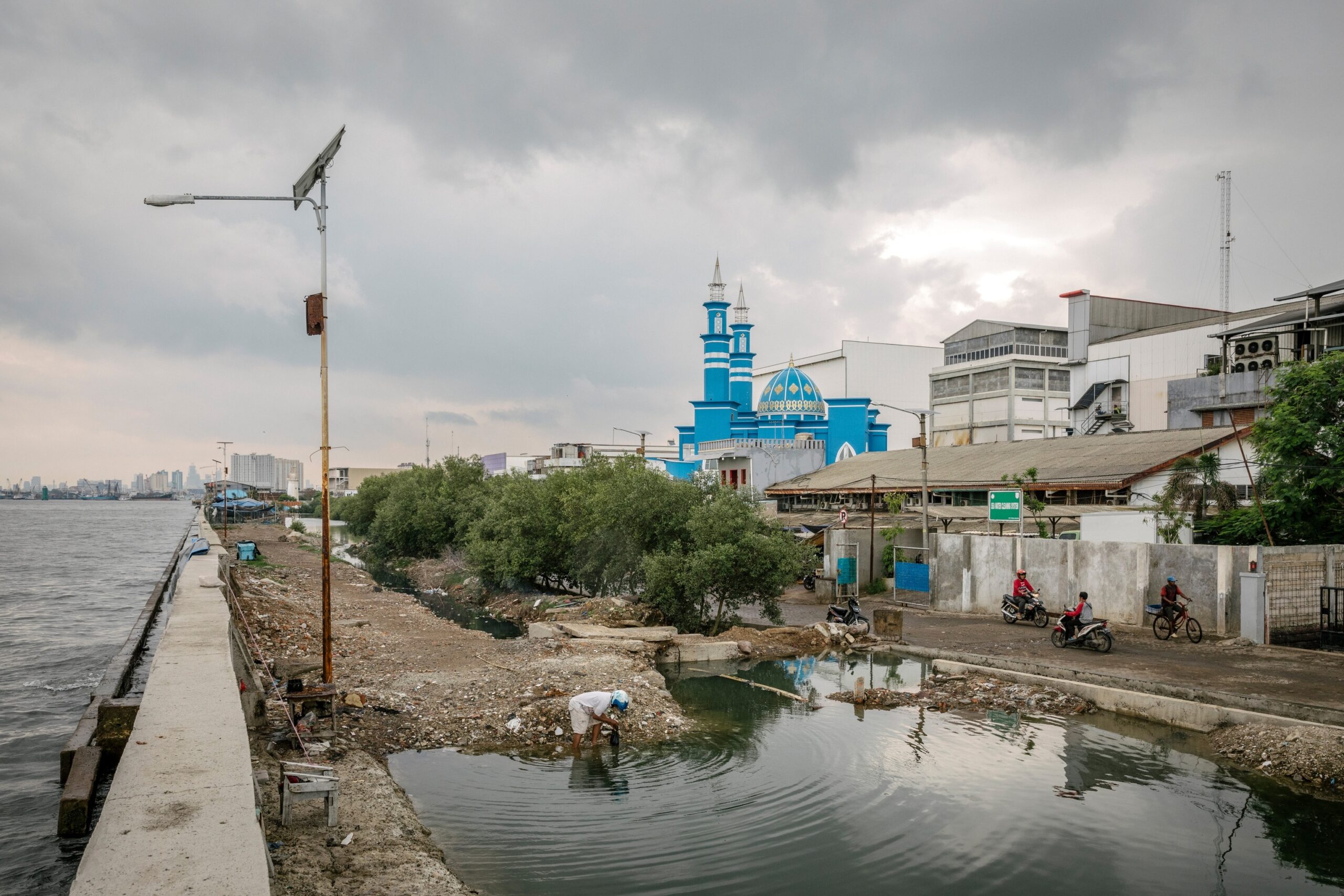
Coastal communities face a dual challenge: rising oceans and sinking ground, and understanding which dominates local flooding is essential for effective adaptation.
Quick Answer
Both sea‑level rise and land subsidence are occurring, but their relative importance varies by location. Sea‑level rise is a global, climate‑driven increase of about 8–9 inches (21–23 cm) since 1900, driven by melting ice and thermal expansion. Land subsidence is a local, often human‑induced sinking that can exceed sea‑level rise in some urban areas, such as Jakarta and New Orleans. The combined effect determines actual water‑level change, and uncertainty remains about future rates of ice loss and groundwater extraction.
Key Takeaways
- Global sea level has risen ~8‑9 inches (21‑23 cm) since the early 20th century.
- Land subsidence can be several centimeters per year, outpacing sea‑level rise locally.
- Both processes are driven by climate change and human activities like groundwater pumping.
- Impacts differ regionally, affecting flood risk, infrastructure, and ecosystems.
- Effective response mixes mitigation of greenhouse gases, sustainable water management, and nature‑based coastal defenses.
What Is Are Seas Rising—or Is the Land Sinking? The Real Answer?
The question asks whether observed coastal flooding is primarily due to oceans getting higher (sea‑level rise) or the ground beneath them sinking (land subsidence). Sea‑level rise is a planetary‑scale phenomenon measured relative to the Earth’s centre of mass, while land subsidence is a local vertical movement of the crust. Both are measured in millimetres to centimetres per year, but their causes, scales, and mitigation options differ.
How Does It Work?
Sea‑Level Rise
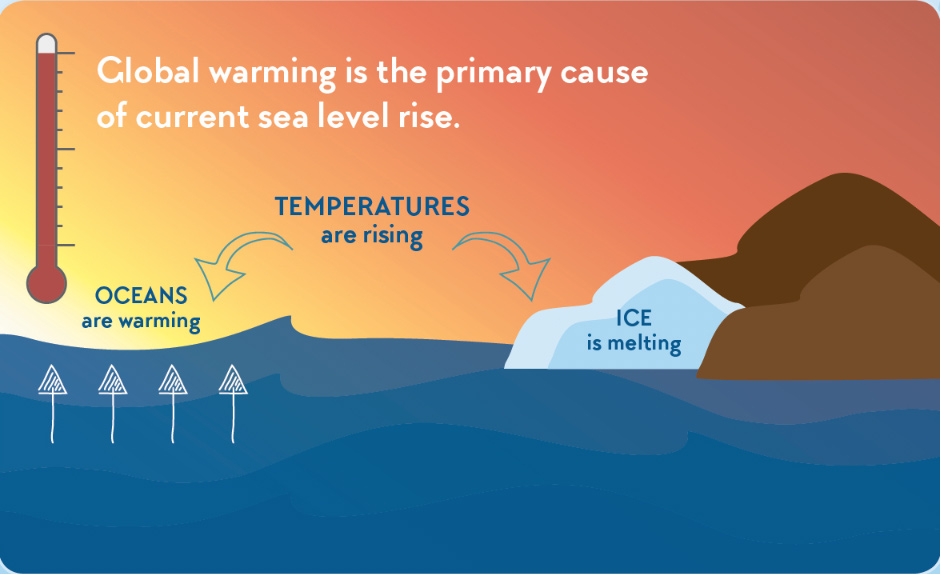
- Thermal expansion: Warmer water occupies more volume. The Intergovernmental Panel on Climate Change (IPCC) reports that thermal expansion contributed roughly half of the observed rise between 1993 and 2018.
- Ice melt: Glaciers and the Greenland and Antarctic ice sheets lose mass. Satellite gravimetry shows Antarctica contributed about 0.4 mm/yr and Greenland about 0.3 mm/yr to global sea level in the 2000s.
- Ocean dynamics: Changes in currents and wind patterns redistribute water, causing regional variations of up to ±10 cm.
Land Subsidence
- Groundwater extraction: Removing water from aquifers reduces pore pressure, causing sediments to compact. In Jakarta, satellite InSAR measurements record subsidence up to 25 cm/yr.
- Oil, gas, and mineral extraction: Fluid removal from subsurface reservoirs creates voids that collapse, as observed in parts of the Gulf Coast, USA.
- Natural compaction: Soft deltaic sediments compress over time, especially where river loads have been altered by dams.
- Tectonic processes: Some regions experience vertical crustal movement due to plate interactions, e.g., parts of the Indo‑Australian plate.
What Does the Evidence Show?
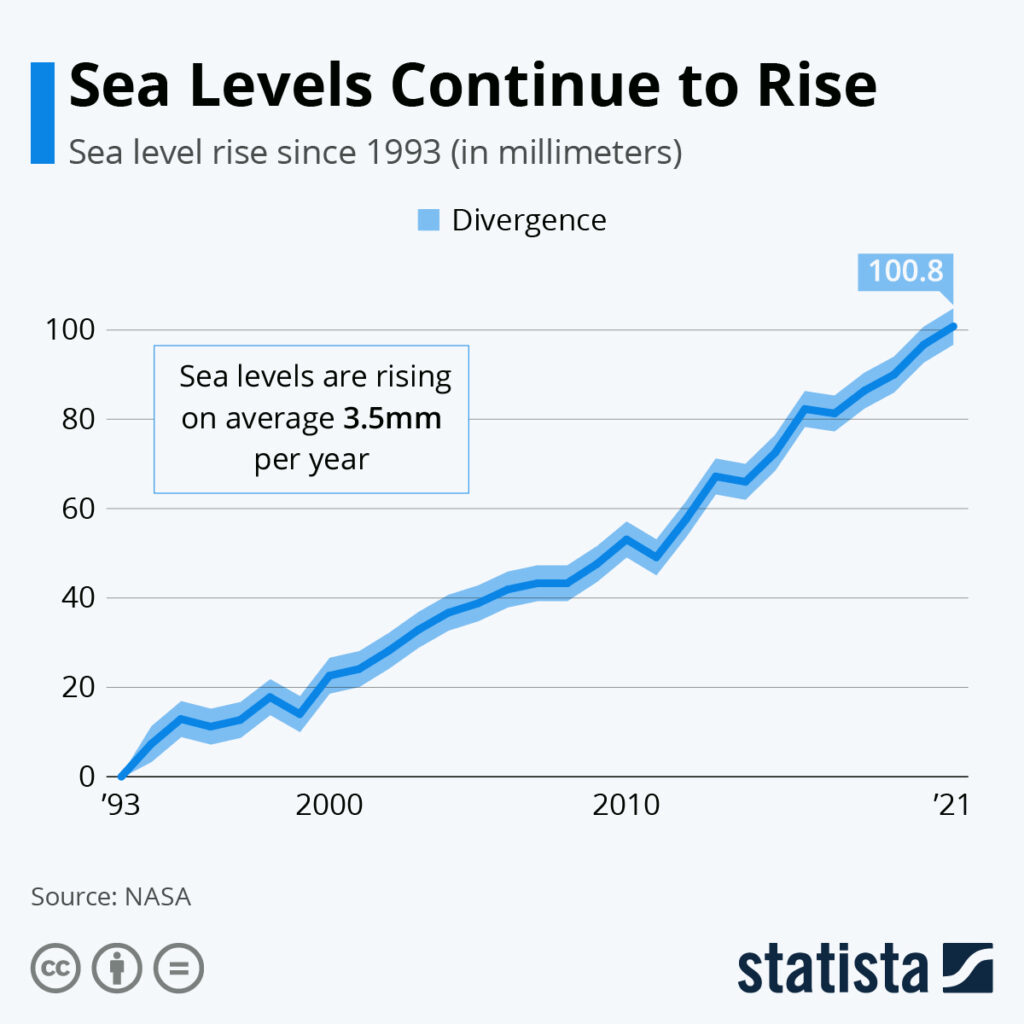
Long‑term tide‑gauge records, beginning in the 19th century, document a steady global rise of about 1.7 mm per year. Satellite altimetry since 1993 confirms an accelerated rate of 3.3 mm/yr (IPCC AR6, 2021). Independent ocean‑heat content analyses corroborate thermal expansion as a major driver.
Land‑surface monitoring using Global Navigation Satellite System (GNSS) and Interferometric Synthetic Aperture Radar (InSAR) reveals subsidence hotspots. Peer‑reviewed studies in the United States, Southeast Asia, and the Netherlands show rates ranging from 1 cm/yr in slowly compacting deltas to >20 cm/yr in over‑pumped aquifers.
When sea‑level rise and subsidence are combined, relative sea‑level change can exceed 5 cm/yr in some cities, dramatically increasing flood frequency.
Main Causes or Drivers
Climate‑Related Drivers
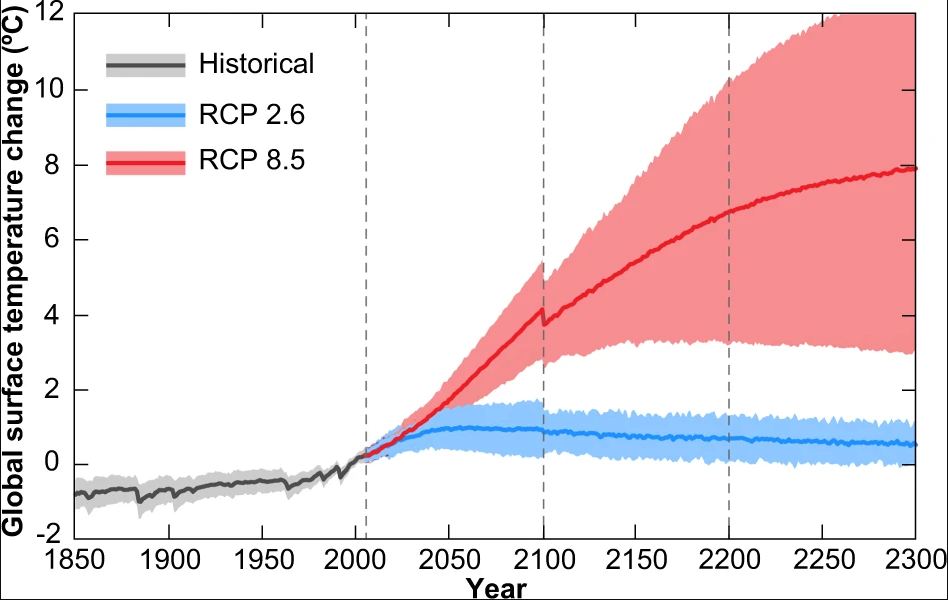
Rising global temperatures increase ocean heat content, melt polar ice, and alter atmospheric circulation, all of which raise sea level.
Human‑Induced Drivers of Subsidence
Intensive groundwater withdrawal for agriculture and urban supply is the leading cause of rapid subsidence. In addition, hydrocarbon extraction, mining, and the loading of heavy infrastructure (e.g., skyscrapers on soft soils) contribute locally.
Natural Geologic Factors
Regions built on unconsolidated sediments, such as river deltas and reclaimed land, naturally compact over centuries. Tectonic uplift or down‑warping can also modify land elevation.
Environmental and Human Impacts
Environmental Impacts
- Coastal wetlands and mangroves lose elevation relative to water, reducing their capacity to buffer storms.
- Saltwater intrusion into freshwater aquifers threatens biodiversity and agricultural productivity.
- Coral reefs experience increased bleaching risk as water depth changes alter light exposure.
Human Health and Social Impacts
- Higher flood frequency endangers housing, especially in low‑income neighborhoods.
- Displacement can lead to climate‑related migration, stressing urban services.
- Water‑borne diseases rise after inundation events due to contaminated drinking supplies.
Economic and Infrastructure Impacts
- Roads, bridges, and sewage systems built on sinking ground require costly retrofits.
- Insurance premiums increase as flood risk climbs, affecting property markets.
- Ports and harbors lose operational depth, affecting trade.
Regional Differences
In the United States, the Gulf Coast experiences both sea‑level rise (~2.5 mm/yr) and subsidence up to 10 cm/yr, amplifying flood risk. In contrast, the Pacific Northwest sees slower sea‑level rise and minimal subsidence, so relative change is lower.
Southeast Asia faces the world’s fastest combined rates: Bangkok sinks up to 12 cm/yr due largely to groundwater pumping, while regional sea level rises about 3 mm/yr. The Netherlands, built on reclaimed peat, combats subsidence through controlled drainage and extensive dike systems, keeping relative sea level stable.
What Scientists Know With High Confidence
What Scientists Know With High Confidence
- Global mean sea level has risen continuously since the start of the industrial era, driven by thermal expansion and ice‑mass loss.
- Human activities, especially greenhouse‑gas emissions, are the primary cause of recent warming and associated sea‑level rise.
- Groundwater extraction can cause measurable land subsidence on decadal timescales.
- Coastal flood risk is determined by the sum of sea‑level rise and land movement, not by either factor alone.
What Remains Uncertain
What Remains Uncertain
Future contributions from the Antarctic ice sheet remain a major source of uncertainty; model projections span 0.3–1.0 meters of rise by 2100 under high‑emissions scenarios. The exact rate at which subsidence will respond to changing groundwater policies is also unclear, because local hydrogeology is complex and monitoring networks are uneven. Finally, the interaction between sea‑level rise, storm intensity, and coastal erosion involves feedbacks that are still being quantified.
Common Misconceptions
Common Misconceptions
Misconception: Sea‑level rise is the sole cause of coastal flooding.
Reality: In many megacities, land subsidence adds equal or greater vertical motion than the ocean’s rise, so both must be considered.
Misconception: All coastal areas are sinking.
Reality: Some regions experience uplift or negligible subsidence; local geology and water use determine the direction of land movement.
Misconception: Reducing greenhouse‑gas emissions will stop land subsidence.
Reality: Subsidence is largely driven by water‑resource management; mitigation requires sustainable groundwater policies in addition to climate action.
Misconception: Coastal defenses solve the problem entirely.
Reality: Hard structures like sea walls protect specific assets but can exacerbate erosion elsewhere and do not address underlying land sinking.
Solutions and Limitations
Adaptation strategies include managed retreat, elevation of buildings, and nature‑based solutions such as restoring mangroves and wetlands, which absorb wave energy and trap sediment. These approaches are effective but may be limited by land availability, funding, and competing development pressures.
Mitigation of sea‑level rise focuses on reducing CO₂ emissions, a long‑term effort that does not immediately halt ocean expansion. Sustainable groundwater management—through pricing, recharge projects, and alternative water supplies—directly reduces subsidence, yet implementation faces institutional and economic barriers.
Engineering options like floating architecture or adjustable foundations are technically feasible but often costly and require regulatory adaptation.
What Individuals, Communities, and Governments Can Do
What Individuals Can Do
- Conserve water to lessen demand on groundwater resources.
- Support policies that fund coastal habitat restoration.
- Participate in local flood‑risk mapping and planning exercises.
What Communities and Organizations Can Do
- Adopt integrated water‑resource management that balances supply with aquifer health.
- Invest in green infrastructure—wetland creation, permeable pavements, and rain gardens—to reduce surface runoff.
- Develop zoning that discourages new development in high‑risk zones and encourages retrofitting of existing structures.
What Governments Can Do
- Implement and enforce sustainable groundwater extraction limits based on scientific assessments.
- Allocate funding for sea‑level rise monitoring networks (GNSS, InSAR) to improve local forecasts.
- Scale up nature‑based coastal defenses, integrating them into national climate‑adaptation plans.
- Promote low‑carbon energy transitions to curb future sea‑level rise.
Closing Synthesis
Rising oceans and sinking land are intertwined processes that together shape coastal flood risk. The science confirms that sea‑level rise is a global, climate‑driven trend, while land subsidence is a locally variable, often human‑induced phenomenon. High‑confidence findings show both contribute substantially, yet uncertainties remain about the magnitude of future ice loss and the effectiveness of groundwater reforms. Resilient coastal futures will require coordinated mitigation of greenhouse gases, sustainable water management, and the strategic use of natural and engineered defenses.
Frequently Asked Questions
What is the difference between sea‑level rise and land subsidence?
Sea‑level rise is a global increase in ocean height caused mainly by thermal expansion and melting ice, measured relative to the Earth’s centre. Land subsidence is a local sinking of the ground, often due to groundwater extraction, sediment compaction, or tectonic activity, measured relative to the land surface.
How much have global sea levels risen in the past century?
Global mean sea level has risen about 8 to 9 inches (21 to 23 centimeters) since the early 1900s, with an average rate of roughly 1.7 mm per year, accelerating to about 3.3 mm per year in the satellite era (1993‑present) according to the IPCC.
Which regions experience the most severe land subsidence?
Cities built on soft deltaic sediments and heavy groundwater use, such as Jakarta (up to 25 cm per year), Bangkok, and parts of the Gulf Coast in the United States, show the highest documented subsidence rates. These areas often combine rapid urban growth with inadequate water‑resource management.
What human activities most accelerate land sinking?
Intensive groundwater pumping for agriculture and municipal supply is the leading cause of rapid subsidence. Extraction of oil, gas, and other subsurface fluids, as well as large‑scale mining and the loading of heavy infrastructure on soft soils, also contribute significantly.
What practical steps can coastal communities take to reduce flood risk?
Communities can adopt integrated water‑resource management to limit groundwater extraction, restore wetlands and mangroves for natural buffering, elevate critical infrastructure, and incorporate flood‑risk mapping into land‑use planning. Combining these measures with broader climate mitigation offers the most resilient approach.




Leave a Comment