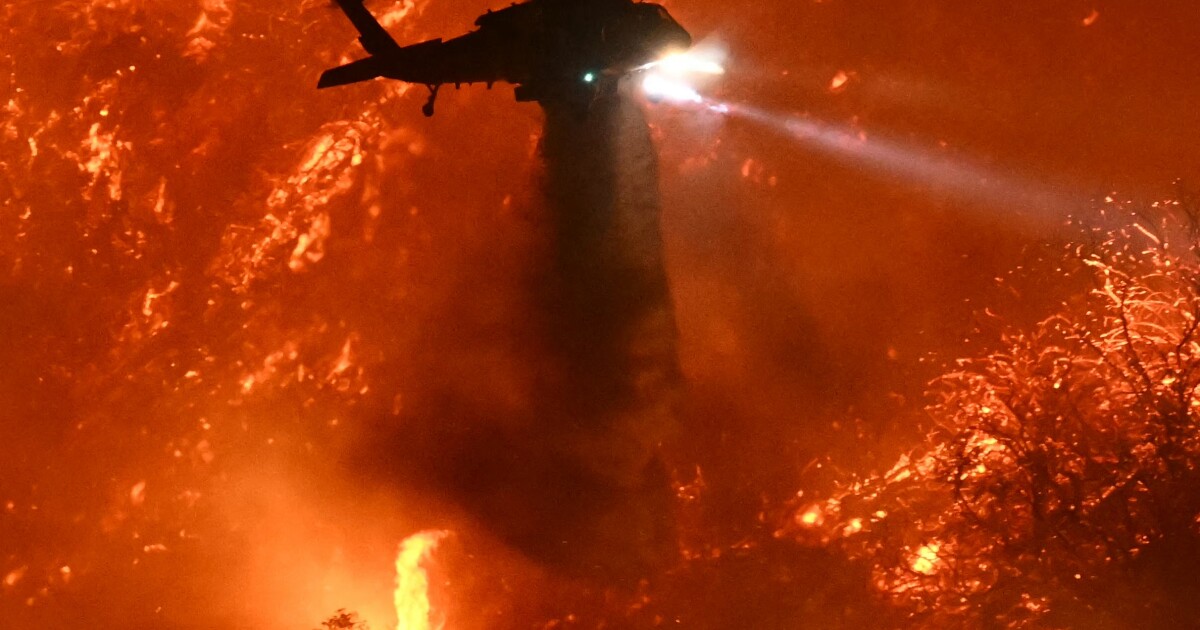
California, a tapestry of sun-kissed valleys and rugged coastlines, is often romanticized in popular culture. However, beneath this idyllic facade lies a tumultuous climate teetering on the edge of susceptibility and disaster. The Los Angeles fires serve as a somber reminder of this precariousness, illustrating the depth of environmental issues fueled by climate change. To truly understand the infernos that periodically engulf this sprawling metropolis, it is essential to delve into the factors that weave together the fabric of California’s climate. Here, we explore three pivotal facts that elucidate the connection between climate phenomena and the destructive fires that plague Los Angeles.
1. The Rising Temperature: A Double-Edged Sword
Imagine a cauldron, simmering slowly as the flames of climate change gradually intensify. The average temperature in California has risen markedly over the last century, with projections indicating an increase of 3 to 4 degrees Fahrenheit by mid-century. This gradual ascent is not merely a number on a scale; it embodies a profound transformation in the state’s ecosystem. Elevated temperatures lead to accelerated evaporation, draining moisture from the landscape and leaving vegetation parched and primed for ignition.
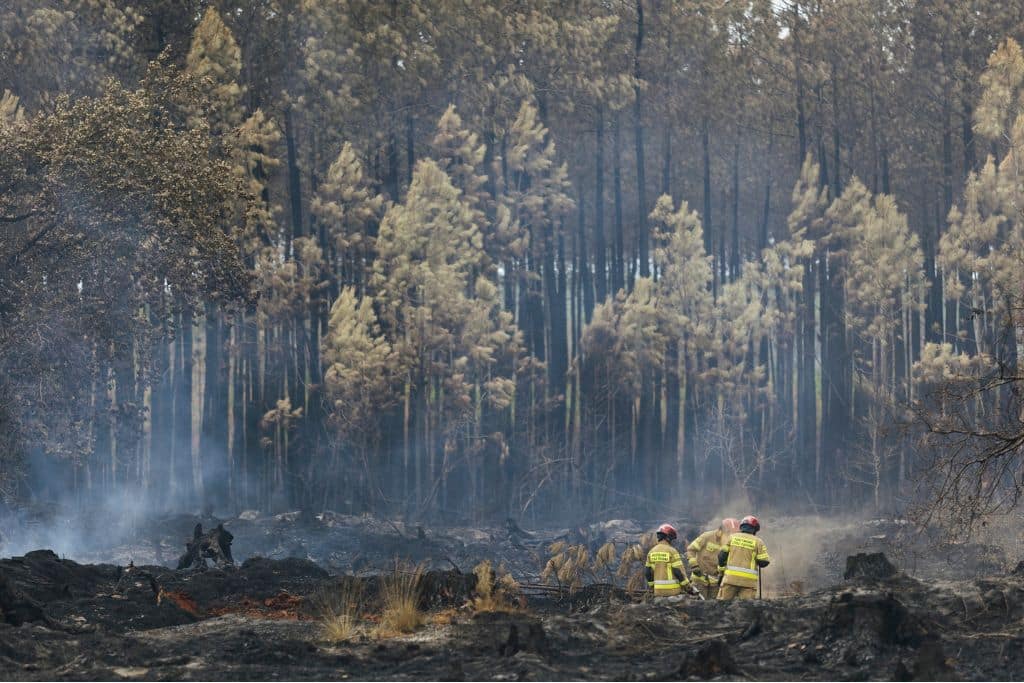
Extremely hot seasons have become not only commonplace but also dramatically prolonged. It’s as though the very essence of summer is being redefined—a perpetual state of enduring heat that obliterates seasonal boundaries. Dry spells, punctuated by occasional torrents of rain, engender an unstable equilibrium that fuels the explosive growth of fire-prone vegetation. Those lush, green hillsides that once dotted the Californian landscape now transform into dry, tinderbox terrains, waiting impatiently for a single spark to set the wilderness ablaze.
As temperatures rise, the risk of wildfires escalates exponentially. A vicious feedback loop emerges: hotter climates lead to more fires, and each fire releases additional carbon, exacerbating the underlying issue of global warming. California stands as a paradox: an agrarian wonderland, yet a smoldering battlefield in the war against climate change. The rising heat serves, therefore, as both an adversary and a harbinger of conflict—a duality that haunts the residents of Los Angeles.
2. The Wind’s Roar: Santa Ana’s Wrath
In a land where marigolds and poppies bloom against a backdrop of mountain ranges, the winds carry tales of destruction. The Santa Ana winds, those notorious forces that howl through Southern California, often herald the onset of fires with an unrelenting ferocity. These fierce, dry winds descend from the mountains, transforming ordinary gusts into an apocalyptic gale that fuels fires and spreads them like a brushfire through an unkempt field.
Santa Ana winds are not merely meteorological events; they are phenomena steeped in complexity. Originating from high-pressure systems, these winds descend as they travel, gaining speed and aridity. When paired with the aforementioned rising temperatures, their consequences are catastrophic. The National Weather Service issues warnings when these winds approach, indicating heightened fire risk, yet the winds themselves seem to possess a mind of their own—unpredictable and relentless.
Just as a symphony reaches its crescendo, the Santa Ana winds sweep across the dry hills, igniting dormant embers left from previous fires or creating new blazes from seemingly harmless debris. Once unleashed, they dance through neighborhoods and wildlife corridors, consuming all that lies in their path. The winds, akin to malevolent spirits, transform tranquil evenings into frantic evacuations, illustrating nature’s raw power. In this allegorical tempest, Los Angeles finds itself standing in the eye of a storm that it cannot control, nor fully comprehend.
3. The Parched Earth: Drought’s Devastating Embrace
California’s relationship with drought resembles a toxic romance—a cycle of desire and devastation. Over the past decades, the state has suffered from recurrent droughts, with the last significant dry spell from 2012 to 2016 unveiling the severity of water scarcity. These periods of insufficient precipitation drain reservoirs and aquifers, plunging the landscape into a state of distress. It is within this drought-laden soil that fire risks multiply exponentially.
The parched earth becomes a treacherous playground for flames. Plants that typically thrive in verdant conditions become rejuvenated harbingers of destruction during dry seasons. They metamorphose into a riot of browns, yellows, and grays, offering minimal resistance to flames that dance hungrily over hilltops. A landscape that could once effortlessly absorb an overall quantity of moisture now stands as a barren reminder of negligence and ecological imbalance.
This predicament mirrors an unsettling truth: drought conditions amplify not just the frequency of fires but also their intensity and scale. The once temperate climates, infused with life, have transformed into a pyroclastic wasteland, choked by smoke and ash. The plight of Los Angeles reflects a broader global crisis, where the consequences of human negligence accelerate the cycle of drought and destruction. In this grim theatre of the absurd, the residents look on helplessly, hoping for reprieve in a landscape bereft of harmony.
In summation, the specter of climate change looms ominously over California, casting shadows that dance in tandem with the flames. The rising temperatures, ominous winds, and prolonged droughts form the triad of climatic factors that explain not just the Los Angeles fires, but also the broader environmental crises faced worldwide. Understanding this intricate relationship is imperative—not merely for the inhabitants of the Golden State but for the countless lives intertwined with the fate of the planet. The infernos are not standalone spectacles; they are manifestations of a deeper malaise that requires urgent attention and meaningful action.




Leave a Comment